
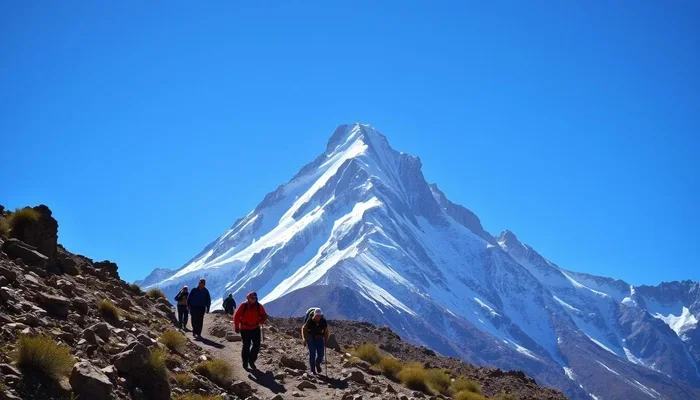
Featured image for Toubkal mountain summit Morocco hike
Image source: founduq.com
An excursion de un dia desde Chaouen a Toubkal is one of Morocco’s most ambitious day trips, covering approximately 400 kilometers of stunning landscape between the blue city of Chefchaouen and Mount Toubkal (4,167m), North Africa’s highest peak. While the journey itself takes 6-7 hours by vehicle, the real adventure involves navigating high-altitude trails through Berber villages, dramatic valleys, and alpine terrain. This guide covers everything you need: routes, preparation, costs, and whether this epic journey is actually achievable in a single day.
Picture this: you wake up in the dreamy blue-washed streets of Chefchaouen, sip mint tea on a rooftop terrace overlooking the Rif Mountains, and by sunset, you’ve stood at the base of North Africa’s highest peak. Sounds incredible, right? That’s exactly what an excursion de un dia desde Chaouen a Toubkal promises, and honestly, it’s one of the most talked-about adventure routes in Morocco.
But here’s the thing nobody tells you upfront: this isn’t your average day trip. The distance between Chefchaouen (elevation: about 600 meters) and Mount Toubkal (4,167 meters) is roughly 400 kilometers, which means you’re essentially crossing an entire mountain range in a single day. It’s ambitious. It’s intense. And for the right kind of traveler, it’s absolutely unforgettable.
Whether you’re a seasoned hiker looking for a challenge or a curious traveler wanting to pack two Moroccan icons into one epic journey, this guide will walk you through everything you need to know. We’ll break down routes, costs, timing, safety tips, and whether attempting the actual summit is realistic (spoiler: it’s complicated). Let’s dive in.
Key Takeaways
- Distance & Duration: The Chaouen to Toubkal day trip covers roughly 400 km and requires 6-7 hours of driving each way, leaving limited time for actual hiking.
- Best Season: Late spring (May-June) and early autumn (September-October) offer the safest weather windows for high-altitude trekking near Toubkal.
- Summit Feasibility: Reaching Toubkal’s summit (4,167m) in one day from Chaouen is extremely demanding and not recommended for casual hikers.
- Alternative Routes: Many travelers opt for shorter hikes to the Toubkal refuges (3,207m) instead of attempting the full summit.
- Cost Range: Expect to pay between €120-€250 for a guided day excursion, including transport, guide fees, and meals.
- Acclimatization Matters: Rapid altitude gain from sea-level Chaouen to 4,000m+ terrain can cause altitude sickness without proper preparation.
- Cultural Stops: The journey passes through authentic Berber villages like Imlil, offering rich cultural experiences beyond the mountain itself.
📑 Table of Contents
- Understanding the Journey: What Exactly Is This Day Trip?
- The Route: From Blue Streets to Snow-Capped Peaks
- Realistic Itinerary: How Does a Day Trip Actually Work?
- Costs and Booking: What Should You Expect to Pay?
- Preparing for Success: Physical Fitness and Gear
- When to Go: Timing Your Day Trip
- Safety Considerations: What You Need to Know
- Cultural Insights: Beyond the Mountain
- Making the Decision: Is This Day Trip Worth It?
- Final Tips for a Successful Day Trip
Understanding the Journey: What Exactly Is This Day Trip?
Let’s start with the basics. An excursion de un dia desde Chaouen a Toubkal is a one-day guided adventure that takes you from the famous blue city of Chefchaouen in northern Morocco to Mount Toubkal in the High Atlas Mountains. Think of it as a geographical sandwich: the Mediterranean-influenced Rif Mountains on one end and the snow-capped peaks of the Atlas range on the other.
The concept has grown increasingly popular among travelers who want to maximize their Morocco itinerary. After all, why visit just one stunning region when you could theoretically experience two? Tour operators in Chefchaouen now offer this as a premium day experience, combining scenic driving with trekking and cultural exploration.
Who Is This Trip For?
This day excursion attracts three main types of travelers:
- Adventure enthusiasts with limited time in Morocco who want to tick off Toubkal from their bucket list.
- Photography lovers seeking dramatic landscape variety, from blue medinas to alpine scenery.
- Fit hikers looking for a challenge that combines endurance with cultural immersion.
What Makes It Special?
The magic lies in the contrast. Chefchaouen sits among rolling green hills and Spanish-influenced architecture, while Toubkal towers over arid valleys and traditional Berber hamlets. In one day, you experience Morocco’s incredible geographical diversity.
The Route: From Blue Streets to Snow-Capped Peaks
Understanding the route is crucial for setting realistic expectations. The journey unfolds in distinct phases, each offering unique experiences and challenges.
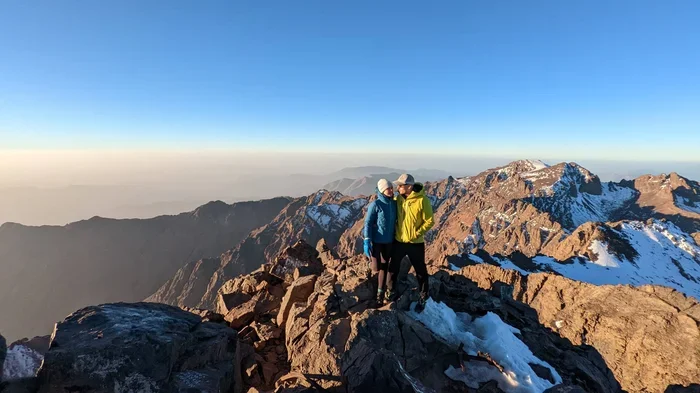
Visual guide about Toubkal mountain summit Morocco hike
Image source: sea2peak.com
Phase 1: Chefchaouen to Marrakech (or Direct to Imlil)
Most operators offer two routing options. The first takes you through the scenic Taza-Al Hoceima corridor, winding through the Middle Atlas. The second, more common route, drives via Fes and then south to Marrakech before heading to Imlil (the gateway village to Toubkal). The total drive typically takes 6-7 hours, depending on traffic and stops.
Did You Know? The road between Chefchaouen and Fes passes through some of Morocco’s most fertile farmland, where over 60% of the country’s agricultural production occurs. You’ll see olive groves, cherry orchards, and wheat fields stretching toward the horizon.
Phase 2: Marrakech to Imlil
From Marrakech, it’s another 65 kilometers (about 1.5 hours) to Imlil, a small Berber village that serves as the starting point for all Toubkal expeditions. The road climbs steadily, passing through walnut groves and traditional mud-brick villages clinging to hillsides.
Phase 3: Imlil to the Toubkal Refuge
Here’s where the hiking begins. From Imlil (1,740m), you trek approximately 11 kilometers to the Toubkal Refuge (3,207m). This section alone requires 4-5 hours of steady climbing, with an elevation gain of nearly 1,500 meters. The trail follows the Mizane Valley, crosses rushing streams, and passes through prayer flags and stone shrines.
Phase 4: The Optional Summit Push
From the refuge, summiting Toubkal adds another 3-4 hours of intense climbing, with an additional 960 meters of elevation. Most day-trippers skip this final push due to time constraints, but experienced trekkers sometimes attempt it, starting as early as 4 AM.
Realistic Itinerary: How Does a Day Trip Actually Work?
Let’s be honest about timing. A realistic one-day itinerary looks like this:
- 4:30 AM: Early pickup from your Chefchaouen accommodation
- 5:00 AM – 12:00 PM: Drive to Imlil (with breakfast stop along the way)
- 12:30 PM – 4:30 PM: Trek from Imlil to the Toubkal Refuge
- 4:30 PM – 5:00 PM: Lunch and brief rest at the refuge
- 5:00 PM – 11:30 PM: Return drive to Chefchaouen
That’s a 19-hour day. While exhausting, many travelers describe it as one of the most rewarding experiences of their Morocco trip.
Alternative: Split the Journey
If you’re not keen on the marathon approach, consider spending one night in Imlil before or after the hike. This breaks up the journey and gives you proper time to acclimatize to the altitude.
Costs and Booking: What Should You Expect to Pay?
Pricing varies widely depending on what’s included and the operator’s reputation. Here’s a breakdown of typical costs for an excursion de un dia desde Chaouen a Toubkal:
- Budget option: €120-€150 per person (shared group, basic transport, guide, no meals)
- Mid-range option: €180-€220 per person (smaller group, 4WD transport, guide, lunch included)
- Premium private tour: €250-€400 per person (private vehicle, experienced mountain guide, all meals, hotel pickup)
What’s Usually Covered?
Most packages include hotel pickup and drop-off in Chefchaouen, transportation in a 4WD vehicle or minibus, a licensed mountain guide, and basic lunch. Some operators also include trekking poles, water, and emergency equipment.
What’s Not Covered?
Personal expenses, tips for guides (customarily €10-€20 per person), travel insurance, and summit attempts requiring additional equipment (crampons in winter) are usually extra.
Did You Know? Morocco’s tourism sector contributes approximately 7% to the national GDP, and adventure tourism, including Toubkal treks, represents a growing segment of this market. Booking with local guides directly often supports community economies more effectively than international tour platforms.
Preparing for Success: Physical Fitness and Gear
This isn’t a casual stroll. Even if you’re not attempting the summit, the trek to the refuge involves significant physical exertion. Here’s how to prepare.
Fitness Requirements
You should be comfortable hiking 6-8 hours with substantial elevation gain. Cardiovascular fitness matters more than raw strength, but leg strength helps considerably on the steeper sections.
A good training regimen includes:
- Regular cardio (running, cycling, swimming) for at least 4-6 weeks pre-departure
- Hill or stair climbing with a loaded backpack
- Day hikes of 10+ kilometers on varied terrain
Essential Gear Checklist
- Footwear: Sturdy hiking boots with ankle support (break them in before the trip!)
- Clothing: Layered system including base layer, fleece, waterproof shell, and warm jacket
- Accessories: Sun hat, sunglasses, gloves, buff or scarf
- Technical gear: Trekking poles, headlamp, water bottles (2L minimum)
- Other essentials: Sunscreen (SPF 50+), basic first aid kit, energy snacks, camera
Altitude Considerations
This is serious. Going from Chefchaouen (600m) to Toubkal Refuge (3,207m) in one day means rapid altitude gain. Common symptoms include headaches, nausea, dizziness, and shortness of breath.
To minimize risk:
- Stay well-hydrated throughout the journey
- Avoid alcohol the night before and day of the trek
- Eat light, carbohydrate-rich meals
- Descend immediately if symptoms worsen
When to Go: Timing Your Day Trip
Morocco’s seasons dramatically affect both safety and enjoyment. Timing your excursion de un dia desde Chaouen a Toubkal properly can make the difference between a magical experience and a miserable one.
Best Months
May and June offer warm temperatures at lower elevations and stable weather higher up. Wildflowers bloom in the valleys, creating stunning photo opportunities. September and October provide similar conditions after the summer heat subsides, with clear skies and comfortable hiking temperatures.
Shoulder Season
March, April, and November are workable but unpredictable. Snow may still cover higher trails in early spring, while late autumn brings cooler temperatures and shorter days.
Avoid
December through February sees significant snow on Toubkal, making the trek dangerous without proper winter mountaineering equipment. July and August can be brutally hot in the valleys, though higher elevations remain cooler.
Did You Know? Mount Toubkal can be climbed year-round, but winter ascents require crampons, ice axes, and often ropes. Approximately 70% of summit attempts occur between April and October, with peak season in May.
Safety Considerations: What You Need to Know
Let’s talk safety. While this day trip is generally safe with proper preparation, it’s not without risks.
Altitude Sickness
The most common concern. Symptoms range from mild headaches to severe complications. If you experience persistent symptoms, descend immediately. The Toubkal Refuge has basic medical supplies, but serious cases require evacuation to Marrakech.
Weather Changes
Mountain weather can shift rapidly. Clear mornings can become stormy afternoons. Your guide will monitor conditions and make decisions accordingly, but always pack for all conditions.
Trail Conditions
The trail to the refuge is well-marked and maintained, but the final summit push involves scree slopes and, in some seasons, snow fields. Guides carry ropes and safety equipment for summit attempts.
Travel Insurance
This is non-negotiable. Ensure your policy covers mountain trekking up to 4,200 meters and emergency evacuation. Many standard travel insurance policies exclude high-altitude activities.
Cultural Insights: Beyond the Mountain
One of the underrated aspects of this excursion is the cultural journey. You’re not just hiking a mountain; you’re passing through centuries-old Berber territory.
The Berber Connection
The villages surrounding Toubkal, including Imlil, Aroumd, and the scattered hamlets in the Ait Mizane Valley, are home to Amazigh (Berber) communities who have lived in these mountains for thousands of years. Their language, traditions, and architecture remain distinct from Arabic Morocco.
What You’ll Notice
- Traditional mud-brick houses with flat roofs
- Terraced agriculture climbing steep hillsides
- Women carrying firewood and water on their backs
- Mixed Arabic and Tamazight languages
- Mint tea offered as universal hospitality
Respectful Travel Tips
- Always ask permission before photographing people
- Dress modestly, especially in villages
- Learn a few basic Tamazight greetings
- Support local businesses by purchasing directly from village shops
- Tip your guide generously, as mountain guiding is demanding work
Making the Decision: Is This Day Trip Worth It?
So, should you actually book an excursion de un dia desde Chaouen a Toubkal? Let’s weigh the pros and cons honestly.
The Case For It
- Maximizes limited travel time in Morocco
- Combines two iconic destinations in one experience
- Provides incredible photo opportunities and memories
- Pushes personal limits in a safe, guided environment
- Offers genuine adventure without multi-day commitment
The Case Against It
- Extremely long day (18-20 hours total)
- Limited time at Toubkal itself (most time spent driving)
- No summit attempt possible for most travelers
- Risk of altitude sickness without proper acclimatization
- Fatigue may impact enjoyment of Chefchaouen afterward
The Verdict
If you have 3+ days in Morocco and can dedicate proper time to Toubkal, do that instead. But if you’re on a tight schedule and want an ambitious, memorable experience, this day trip delivers. Just go in with realistic expectations: it’s more about the journey and the attempt than actually reaching the summit.
Final Tips for a Successful Day Trip
To wrap up, here are some final pieces of advice that can make or break your experience:
- Book with reputable operators: Check reviews on multiple sites and ask for guide credentials.
- Confirm what’s included: Hidden costs can ruin your day.
- Prepare physically: Don’t underestimate the demands.
- Pack smart: Layers are essential; weather changes rapidly.
- Embrace the journey: The driving itself is part of the adventure.
- Rest afterward: Plan a recovery day in Chefchaouen before moving on.
- Stay flexible: Weather and conditions may alter plans.
An excursion de un dia desde Chaouen a Toubkal isn’t for everyone, but for adventurous travelers willing to embrace an ambitious, exhausting, and absolutely epic day, it offers something truly unique: the chance to wake up in Morocco’s bluest city and fall asleep having stood at the base of its highest mountain. That’s pretty special.
Safe travels, and enjoy the journey, no matter which direction you choose to go.
Frequently Asked Questions
How long does the drive from Chefchaouen to Toubkal take?
The drive from Chefchaouen to the Toubkal area (Imlil village) takes approximately 6-7 hours each way, depending on traffic, weather conditions, and stops. Most operators allow one short break midway for breakfast or lunch.
Can you actually summit Mount Toubkal in a single day from Chaouen?
While technically possible for extremely fit and acclimatized hikers, summiting Toubkal in a true day trip from Chefchaouen is not recommended. The summit requires an additional 3-4 hours of climbing from the refuge, making the total day 20+ hours. Most travelers only reach the Toubkal Refuge (3,207m).
What is the best time of year for this day excursion?
Late spring (May-June) and early autumn (September-October) offer the best conditions. Weather is stable, temperatures are moderate, and snow on higher trails has typically melted. Avoid July-August (extreme heat) and December-February (heavy snow on summit).
How much does a Chaouen to Toubkal day trip cost?
Prices range from €120-€400 per person depending on the operator and what’s included. Budget options cover basic transport and a guide, while premium tours include private vehicles, meals, and enhanced guide services. Always confirm exactly what’s included before booking.
Do I need a guide for the trek, or can I go independently?
While independent trekking is technically possible, hiring a local guide is strongly recommended for safety, navigation, and cultural context. Guides are familiar with trail conditions, weather patterns, and can assist in case of emergencies. Most reputable tour operators include guide services in their packages.
What should I do if I experience altitude sickness during the trek?
If you experience symptoms like severe headache, nausea, dizziness, or shortness of breath, stop ascending immediately. Descend to lower elevation as quickly as possible, hydrate, and rest. The Toubkal Refuge has basic medical supplies, but serious cases require evacuation to Marrakech. Inform your guide immediately about any symptoms.