
Featured image for Marrakech to Fez desert journey
Image source: morocco-heaven-tours.com
A 5-day excursion from Marrakech to Fez is one of Morocco’s most rewarding travel experiences, taking you through four imperial cities, the Atlas Mountains, and the edge of the Sahara Desert. This journey covers approximately 900 kilometers of diverse landscapes, from bustling medinas to ancient kasbahs. The route is designed for travelers who want depth over speed, offering cultural immersion, scenic drives, and authentic encounters with Berber communities along the way.
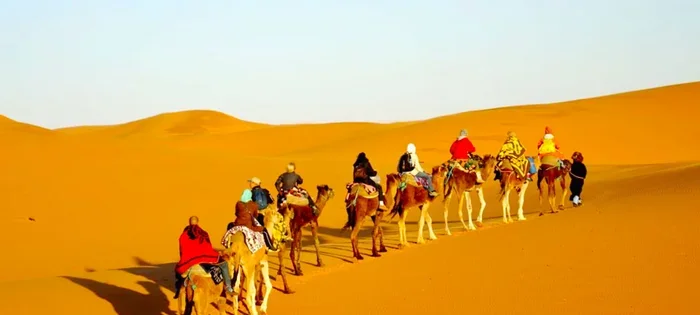
Imagine standing at the edge of a vast Sahara dune at sunrise, the sand glowing orange and pink while camels rest nearby. A few hours later, you’re sipping mint tea with a Berber family in a mud-brick village. By evening, you’re wandering through a medieval medina where donkeys still carry goods through narrow alleys. This is what a 5-day excursion from Marrakech to Fez feels like—a journey through time, culture, and some of the most varied scenery on Earth.
Morocco attracts over 13 million tourists annually, and the Marrakech-to-Fez route remains one of the most requested circuits. Why? Because it packages the country’s greatest hits into one manageable adventure. You get imperial cities, mountain passes, desert nights, and enough stories to last a lifetime.
This guide walks you through everything you need to know: what you’ll see, where you’ll sleep, how much it costs, and how to make the most of every kilometer. Whether you’re a solo traveler, a couple, or a family, consider this your roadmap to one of North Africa’s most unforgettable road trips.
Key Takeaways
- Two Imperial Cities Connected: The journey links Marrakech and Fez, Morocco’s two most iconic cultural capitals, each with UNESCO-listed medinas.
- Diverse Landscapes: You’ll cross the High Atlas Mountains, pass through the Dades Valley, and reach the dramatic sand dunes of Merzouga or Zagora.
- Optimal Duration: Five days is the sweet spot—enough time to explore without rushing, yet more immersive than shorter tours.
- Cultural Highlights: Expect guided medina walks, traditional Berber meals, camel treks, and overnight stays in desert camps.
- Best Travel Seasons: Spring (March-May) and autumn (September-November) offer the most comfortable temperatures for this route.
- Group vs. Private: Both options exist, but private tours offer flexibility to stop at hidden gems and adjust the pace.
- Budget Range: Expect to pay between €400-€900 per person depending on accommodation level and tour inclusions.
📑 Table of Contents
- What Is a 5-Day Marrakech to Fez Excursion?
- Who Should Take This Tour?
- When Is the Best Time to Go?
- What Does the Itinerary Look Like?
- Where Do You Sleep Along the Way?
- How Much Does It Cost?
- Why This Route Beats Shorter or Longer Tours
- Tips for Making the Most of Your Excursion
- Choosing the Right Tour Operator
- Conclusion: A Journey Worth Taking
What Is a 5-Day Marrakech to Fez Excursion?
A 5-day Marrakech to Fez excursion is an organized overland tour that crosses central Morocco, linking two of the country’s four imperial cities. Think of it like a multi-course meal—you start with the bold flavors of Marrakech, move through the hearty landscapes of the Atlas and Sahara, and finish with the refined, scholarly atmosphere of Fez.
The Core Concept
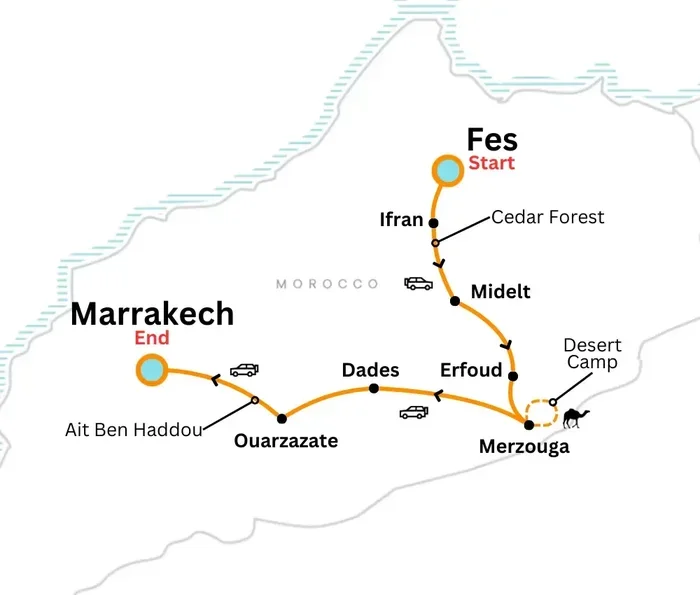
Most tours follow a circular or linear route. The linear version goes Marrakech → Sahara → Fez. The circular version loops back, often via Chefchaouen or the coast. For this guide, we’ll focus on the linear route, which is the most popular.
Think of Morocco’s geography like an open book. Marrakech sits in the upper-left page, Fez in the upper-right. The Sahara desert lies in the bottom half, and the Atlas Mountains form the “spine” running down the middle. Your journey essentially traces a giant U-shape across the country.
What’s Typically Included
Standard inclusions are:
- Transportation in a 4×4 or minivan with driver
- Accommodation for 4 nights (hotels, riads, and desert camp)
- Breakfast and dinner daily (some tours include lunch)
- Camel trek to the desert camp
- Local guides in major cities
- Pickup and drop-off at your hotel
What’s NOT typically included: lunch, drinks, entry fees to monuments, tips, and personal shopping. Budget an extra €15-€25 per day for these extras.
Who Should Take This Tour?
This excursion is designed for travelers who want more than a surface-level Moroccan experience. If you’re the type of person who enjoys slow travel—where the journey matters as much as the destination—this route is for you.
Visual guide about Marrakech to Fez desert journey
Image source: moroccolinetours.com
Ideal Travelers
The 5-day format appeals to several types of visitors:
- Cultural enthusiasts who want to understand Morocco’s layered history
- Photography lovers seeking dramatic landscapes and architecture
- Adventure seekers wanting dunes, mountains, and camel rides
- First-time Morocco visitors who want a comprehensive overview
- Couples and honeymooners looking for romantic desert nights
Who Might Prefer Alternatives
Be honest with yourself. This tour involves long driving days (some 5-7 hours). If you have back problems, severe motion sickness, or limited mobility, a shorter tour or a private vehicle with frequent stops might work better. Similarly, if luxury is your priority, consider basing yourself in one riad and doing day trips instead.
Did You Know? The distance from Marrakech to Fez is roughly 530 kilometers (330 miles) as the crow flies, but the overland route through the Sahara extends this to over 900 kilometers. That’s like driving from New York to Detroit, but through three different climate zones!
When Is the Best Time to Go?
Timing your trip well can transform your experience. Morocco’s climate varies dramatically by region, and the mountains and desert have their own rules.
Season Breakdown
Spring (March-May): This is peak season for good reason. Temperatures range from 18-28°C (65-82°F) in most regions. Wildflowers bloom in the Atlas Mountains, and the desert is warm but not scorching. Book early—this is when European school holidays create high demand.
Autumn (September-November): Equally excellent. The summer heat breaks, and October often delivers the clearest skies. You’ll find fewer crowds than spring, and the light is softer for photography.
Winter (December-February): Surprisingly pleasant in desert regions (days can reach 20°C), but nights drop below freezing in the Sahara. The Atlas passes may see snow, which adds beauty but can occasionally close roads.
Summer (June-August): Avoid if possible. Desert temperatures exceed 45°C (113°F), making midday travel uncomfortable. However, mountain regions stay cooler, and prices drop by 30-40%.
Ramadan Considerations
If your trip coincides with Ramadan, expect shorter business hours and a quieter atmosphere. Some restaurants close during the day, but the evening iftar meals become festive community gatherings. It’s a unique cultural experience, but book tours with operators who understand the rhythm of the holy month.
What Does the Itinerary Look Like?
While every operator tweaks the route slightly, the classic 5-day Marrakech to Fez itinerary follows a tested pattern. Here’s what a typical journey looks like, day by day.
Day 1: Marrakech to the Dades Valley
Your adventure begins early, usually around 7:30 AM. The first stop is the Tizi n’Tichka pass in the High Atlas Mountains, rising to 2,260 meters (7,415 feet). The winding road offers stunning panoramic views—think of it as Morocco’s version of a mountain rollercoaster.
After crossing the mountains, you’ll visit the UNESCO-listed Ait Ben Haddou, a fortified village (ksar) that’s served as a backdrop for films like Gladiator and Game of Thrones. Walking through its narrow alleys feels like stepping onto a film set—because often, you literally are.
By evening, you reach the Dades Valley, known for its dramatic rock formations called “monkey fingers.” You’ll stay in a hotel overlooking the valley, where dinner typically features tagine—a slow-cooked stew named after the clay pot it’s cooked in.
Day 2: Dades Valley to Merzouga (Sahara Desert)
This is the longest driving day (6-7 hours), but it’s also the most visually rewarding. The route passes through the Todra Gorge, where limestone cliffs rise 400 meters on either side of a narrow riverbed.
By late afternoon, you arrive in Merzouga, the gateway to the Erg Chebbi dunes—some of the tallest in Morocco, reaching 150 meters high. Here, you’ll mount a camel (yes, they’re surprisingly tall!) and trek into the desert as the sun sets.
The overnight camp experience is the trip’s highlight for many travelers. Think of it as glamping meets ancient tradition: you sleep in a Berber tent (either shared or private), enjoy traditional music around a campfire, and gaze at stars you never knew existed. With minimal light pollution, the Milky Way stretches overhead like spilled diamonds.
Day 3: Sahara to Midelt or Erfoud
Wake before dawn to catch the sunrise—it’s worth the early alarm. After breakfast, you’ll either camel-back or 4×4 back to Merzouga village. The journey continues north through the Ziz Valley, a palm-fringed oasis that looks almost tropical against the surrounding desert.
You’ll stop in Midelt, a small town in the Middle Atlas known for its apple orchards. The contrast here is striking: snow-capped mountains in winter, lush valleys, and a much milder climate than the desert you just left.
Day 4: Midelt to Fez via Ifrane and the Middle Atlas
Day four showcases Morocco’s surprising variety. Ifrane, often called “the Switzerland of Morocco,” features clean streets, red-roofed houses, and even a ski resort nearby. It’s a peculiar sight in North Africa—like finding a slice of the Alps dropped into the Atlas.
The Cedar Forest near Ifrane is home to the Barbary macaque, North Africa’s only native primate. These playful monkeys will approach your car window, curious and cheeky. Keep your snacks hidden!
By late afternoon, you arrive in Fez. The approach to the city is dramatic, with the medina sprawling across the valley below.
Day 5: Exploring Fez
The final day is dedicated to Fez, Morocco’s oldest imperial city and spiritual capital. A local guide leads you through the medina, a labyrinth of over 9,000 alleys. Key stops include:
- The University of al-Qarawiyyin—founded in 859 AD, it’s the world’s oldest continuously operating university
- Chouara Tanneries—where leather has been processed the same way for nearly 1,000 years
- Bou Inania Medersa—a 14th-century theological college with stunning tilework
- Nejjarine Museum—housed in a beautifully restored fondouk (caravanserai)
Your tour typically concludes around 4-5 PM, leaving you free to explore further or transfer to the airport.
Where Do You Sleep Along the Way?
Accommodation is one of the tour’s unexpected pleasures. Morocco offers a rich variety of lodging types, each with its own character.
Understanding Moroccan Lodging
Think of Moroccan accommodation like layers of a cake:
- Riad: A traditional house built around an interior courtyard, often converted into a boutique hotel. Centrally located in medinas.
- Hotel: Western-style lodging, usually outside medinas, ranging from basic to luxury.
- Kasbah: A fortified house, often in rural areas, with thick walls and rooftop terraces.
- Desert Camp: Berber-style tents in the Sahara, ranging from basic to luxury “comfort” tents with proper beds and bathrooms.
What to Expect
Budget tours use 3-star hotels and shared desert tents. Mid-range options feature riads with character and private tents. Luxury tours upgrade to 5-star properties, complete with pools and spas—even in the desert.
Did You Know? Many Moroccan riads don’t have room numbers. Instead, rooms are named after fruits, colors, or birds (Room Jasmine, the Blue Room, etc.). It’s a charming tradition that adds personality to your stay.
How Much Does It Cost?
Pricing varies wildly based on season, group size, and accommodation level. Here’s a realistic breakdown.
Tour Pricing Tiers
Budget (€400-€550 per person): Group tours (usually 12-16 people), 3-star hotels, shared desert tents, basic breakfasts. Operators like Marrakech Desert Tours and smaller local companies operate in this range.
Mid-Range (€550-€800 per person): Smaller groups (4-8 people), 3-4 star hotels or riads, private desert tents, more meals included. This is the sweet spot for most travelers.
Luxury (€800-€1,500+ per person): Private tours, 4-5 star accommodations, luxury desert camps with private bathrooms, all meals, premium vehicles.
Hidden Costs to Budget For
Beyond the tour price, set aside money for:
- Lunches: €8-€15 per meal
- Drinks: Bottled water, tea, soft drinks (€1-€3 each)
- Monument fees: €5-€10 per site
- Tips: €3-€5 per day for driver, €10-€15 total for guide
- Shopping: Morocco’s medinas are tempting—budget accordingly!
Why This Route Beats Shorter or Longer Tours
You might wonder: why five days specifically? Why not three or seven? Here’s why this duration hits the sweet spot.
The Three-Day Version
Three-day tours feel rushed. You’ll spend more time driving than experiencing, and the desert feels like a checkbox rather than a destination. Many travelers who do 3-day tours return wishing they’d had more time.
The Seven-Day Version
Seven-day tours are lovely but often include less-interesting stops to fill time. You might find yourself on a “rest day” in a town that’s pleasant but not essential. For most travelers, five days delivers the highlights without filler.
The Psychological Sweet Spot
Five days is also a manageable commitment. It’s long enough to feel like a real journey but short enough to fit within a standard vacation allotment. Many travelers pair it with a few days in Marrakech or Fez afterward.
Tips for Making the Most of Your Excursion
After helping countless travelers prepare for this route, here’s hard-won advice that makes a real difference.
Pack Smart
Space is limited in tour vehicles. Pack one medium bag, not a large suitcase. Essentials include:
- Layers: Desert nights are cold even when days are hot
- Comfortable walking shoes: Medina alleys are uneven
- Scarf or shemagh: Doubles as sun protection and desert wrap
- Headlamp: Desert camps and riads have dim lighting
- Power bank: Charging opportunities can be scarce
- Camera with extra batteries: You’ll shoot more than you think
Cultural Etiquette
Morocco is moderate but Muslim. A few tips help you show respect:
- Ask before photographing people
- Dress modestly, especially in religious sites
- Use your right hand for greetings and eating
- Avoid public displays of affection
- Tipping is expected—small amounts go a long way
Health and Safety
Morocco is generally safe for tourists. Petty theft exists (as in any tourist destination) but violent crime is rare. Stay aware in crowded medinas, keep valuables secure, and trust your guide’s advice.
Stay hydrated, especially in the desert. Drink only bottled water, and avoid ice in drinks unless you’re sure of the source. Most travelers experience no health issues beyond mild travel fatigue.
Choosing the Right Tour Operator
Not all tours are created equal. The difference between a mediocre and magical experience often comes down to your operator.
What to Look For
Reputable operators share certain characteristics:
- Clear communication before booking
- Detailed itineraries with specific accommodations named
- Transparent pricing with no hidden fees
- Small group sizes (under 12 people ideally)
- Knowledgeable drivers who double as informal guides
- Positive reviews on TripAdvisor, Google, or independent platforms
Red Flags to Avoid
Be cautious of operators who:
- Pressure you into booking on the spot
- Offer prices significantly below market rate
- Cannot name specific accommodations
- Have mostly negative or generic reviews
- Cancel frequently or change terms last-minute
Did You Know? Morocco has over 700 registered tour operators, but only about 50 are considered truly professional. Doing your research pays off in experience quality.
Conclusion: A Journey Worth Taking
A 5-day excursion from Marrakech to Fez isn’t just a tour—it’s a transformation. You’ll arrive in Marrakech thinking you understand Morocco, and you’ll leave Fez realizing you’ve only scratched the surface. The desert will humble you. The mountains will inspire you. The medinas will enchant you. And the people will welcome you like family.
This route works because it balances everything: adventure and comfort, nature and culture, movement and stillness. You see Morocco’s highlights without feeling herded, and you have time to absorb each experience rather than rushing past.
If you’re considering this journey, stop considering and start planning. Five days from now, you could be watching the sun rise over the Sahara. The only question is: which memories do you want to make?
Book your excursion, pack your sense of wonder, and prepare for the trip of a lifetime. Morocco is waiting.
Frequently Asked Questions
How long does the drive from Marrakech to Fez take?
The direct drive takes about 7-8 hours, but the 5-day excursion route takes longer because it includes stops at attractions along the way. You’ll typically drive 4-7 hours per day, with plenty of breaks for sightseeing.
Is the 5-day Marrakech to Fez tour suitable for families with children?
Yes, most operators welcome children aged 5 and up. The camel ride and desert camp are often highlights for kids. However, the long driving days may test younger children’s patience, so consider bringing entertainment and snacks.
What’s the difference between Merzouga and Zagora for the desert portion?
Merzouga features Erg Chebbi, with dunes up to 150 meters tall—the classic Sahara image. Zagora has smaller dunes and is closer to Marrakech, making it part of shorter tours. For a 5-day tour, Merzouga is the standard and offers the more dramatic desert experience.
Do I need travel insurance for this excursion?
Travel insurance is highly recommended. Ensure your policy covers medical evacuation, trip cancellation, and activities like camel trekking. Some credit cards offer basic coverage, but dedicated travel insurance provides better protection.
Can I do this tour in reverse, from Fez to Marrakech?
Absolutely. Many operators run the same itinerary in reverse. The experiences are nearly identical, though some travelers prefer ending in Fez (as it has a more contemplative atmosphere) while others prefer ending with Marrakech’s energy.
What language do guides speak?
Most tour guides speak English, French, and Arabic fluently. Spanish, Italian, and German guides are also common. If you need a specific language, request it when booking—reputable operators can usually accommodate.