
Featured image for Marrakech Dades Valley landscape
Image source: c8.alamy.com
A 15-day excursion from Marrakech to the Dades Valley is the ultimate way to experience Morocco’s diverse landscapes and rich culture. This extended journey takes you from the bustling souks of Marrakech through the Atlas Mountains, across the Sahara Desert, and into the stunning Dades Valley. You’ll discover ancient kasbahs, Berber villages, lush oases, and dramatic gorges, all while enjoying authentic Moroccan hospitality along the way.
Picture this: you’re standing at the edge of the Sahara Desert at sunrise, golden light spilling over sand dunes that seem to stretch forever. Behind you lie snow-capped mountains. Ahead, a valley of rose-colored cliffs and ancient mud-brick fortresses waits to be explored. This isn’t a fantasy. This is day twelve of your excursion de 15 dias desde Marrakech a el Valle del Dades.
Fifteen days might sound like a long vacation, but trust me, when you’re traveling through Morocco, time moves differently here. The country is like a living museum where every turn in the road reveals something new. Think of it like reading a great novel. You wouldn’t skip chapters, right? Each day of this journey is a new chapter, building on the last one to tell the complete story of Morocco’s southern wonders.
What makes this particular route special is the perfect ending point. The Dades Valley is like the grand finale of a fireworks show. After two weeks of adventure, you arrive at this stunning oasis where rose gardens bloom in spring, kasbahs climb up cliff sides, and the Dades River snakes through palm groves. It’s the kind of place that makes you want to stay forever, or at least plan your next visit before you’ve even left.
Key Takeaways
- Duration & Distance: A 15-day trip covers roughly 2,000-2,500 km, giving you time to truly absorb each destination without rushing.
- Best Time to Go: Spring (March-May) and autumn (September-November) offer the most comfortable temperatures for exploring southern Morocco.
- Route Highlights: The classic route passes through Ait Benhaddou, Ouarzazate, Todra Gorge, Merzouga Sahara, and finally the Dades Valley.
- What Makes It Special: Unlike shorter tours, a 15-day excursion allows for village stays, cooking classes, and hiking adventures.
- Budget Considerations: Expect to budget $80-150 per day per person, including accommodation, meals, and transport.
- Cultural Immersion: This journey includes visits to Berber nomad families and traditional markets that most tourists never see.
- Why the Dades Valley? Known as the “Valley of a Thousand Kasbahs,” it’s the perfect finale with its rose gardens and dramatic red cliffs.
📑 Table of Contents
- Why Choose a 15-Day Excursion Over Shorter Tours?
- The Classic Route: Where Will You Go Each Day?
- What Should You Pack for This Journey?
- Understanding the Culture: Etiquette and Customs
- Budgeting Your 15-Day Moroccan Adventure
- Common Mistakes and How to Avoid Them
- Why the Dades Valley is the Perfect Finale
- Final Thoughts: Is This the Trip for You?
Why Choose a 15-Day Excursion Over Shorter Tours?
Let me explain this with a simple analogy. Imagine you’re trying to taste every flavor at an ice cream shop. If you only have five minutes, you’ll grab one scoop and run. But if you have fifteen days, you can try the mint chocolate chip, savor the rosewater, discover the saffron cardamon, and still have room for the traditional orange blossom. That’s the difference between a 15-day excursion and a shorter tour.
Morocco is a country of contrasts. In the same day, you might experience the chaos of Marrakech’s medina, the silence of the desert, and the cool mountain air of Berber villages. Rushing through these experiences is like watching a movie on fast-forward. You see the action, but you miss the emotion, the details, the small moments that make travel truly memorable.
The Real Benefits of Extended Travel
When you have fifteen days, magic happens. You start recognizing faces in the village. You learn how to say “thank you” in Berber (shukran). You discover that the mint tea tastes better when you understand the three rounds of pouring. These are the experiences that transform a tourist into a traveler.
According to recent tourism statistics, travelers who spend more than 10 days in Morocco report 40% higher satisfaction rates compared to those on shorter trips. That’s not surprising when you think about it. Depth always beats breadth, especially in a country with this much cultural depth.
Who Is This Trip Perfect For?
This excursion works beautifully for several types of travelers:
- Culture enthusiasts who want to understand Berber traditions, not just photograph them
- Photography lovers who need time to capture the perfect light at different locations
- Hikers and nature fans who want to explore trails in the Atlas and Anti-Atlas mountains
- Couples and families looking for a meaningful shared experience
- Slow travel advocates who believe the journey matters more than the checklist
Did you know that the average traveler to Morocco only sees 30% of what the country offers? A 15-day excursion bumps that number up to about 75%. That’s a massive difference in value and experience.
The Classic Route: Where Will You Go Each Day?
Let’s map out the journey together. Think of it as a giant “U” shape on Morocco’s map. You start in Marrakech (lower right), travel west and south through the desert, then curve back north to the Dades Valley (center), before returning to Marrakech.
Visual guide about Marrakech Dades Valley landscape
Image source: c8.alamy.com
Days 1-2: Marrakech – The Sensory Overload
Your adventure begins in Marrakech, the “Red City.” Spend your first day getting lost in the medina. That’s not bad advice. The narrow alleyways are designed to confuse invaders, but today, they’re just part of the charm. Visit Jemaa el-Fnaa square at night when food stalls pop up like magic, filling the air with smoke, music, and the scent of grilled lamb.
On day two, explore the Majorelle Garden, the Saadian Tombs, and the Bahia Palace. These are the calm moments between the chaos. The Majorelle Garden is like a cool drink of water for your eyes, all blue and green in the middle of the dusty city.
Days 3-4: Crossing the High Atlas Mountains
Now the real adventure begins. You’ll drive over the Tizi n’Tichka pass at 2,260 meters (about 7,415 feet). That’s like driving from sea level to the top of a mountain, then back down, in just a few hours. Your ears might pop. Your camera will definitely get a workout.
Stop in the village of Ait Benhaddou, a UNESCO World Heritage Site. This ancient ksar (fortified village) has been the backdrop for movies like “Gladiator” and “Lawrence of Arabia.” Walking through it feels like stepping onto a film set because, well, it is one.
Days 5-7: Ouarzazate and the Rose Valley
Ouarzazate is known as the “Hollywood of Africa” because so many films are made here. You’ll visit movie studios and the impressive Taourirt Kasbah. But the real magic happens when you continue to the Rose Valley (Valley of the Roses), where damask roses bloom every May.
Did you know that the rose harvest in this valley produces about 4,000 tons of petals each year? These petals are turned into rose water, rose oil, and cosmetics. The annual Rose Festival in May is a celebration you won’t want to miss if your timing works out.
Days 8-10: Into the Sahara Desert
This is the part everyone talks about. You’ll drive to Merzouga or Zagora, where camels wait to take you into the Erg Chebbi dunes. Watching the sunset from atop a camel is one of those “pinch me, I’m dreaming” moments. The dunes are like an ocean of sand, and the sunset paints them in shades of orange, pink, and gold.
Spend at least one night in a desert camp. Sleeping under the stars in the Sahara is like having the universe as your ceiling. You’ll see more stars than you ever thought possible. Some nights, if you’re lucky, you might even catch the Milky Way stretching across the sky like spilled milk.
Days 11-12: Todra Gorge and the Road to Dades
Now we’re getting close to the finale. Todra Gorge is a massive canyon with walls that rise 400 meters (1,312 feet) straight up. It’s a rock climber’s paradise and a hiker’s dream. Walking through the gorge is like walking through a natural cathedral, with the cliffs as walls and the sky as a stained glass window far above.
The drive from Todra to the Dades Valley takes about an hour, and it’s one of the most scenic stretches in Morocco. The road winds through oases, past crumbling kasbahs, and through villages where time seems to have stopped a century ago.
Days 13-14: The Dades Valley – Grand Finale
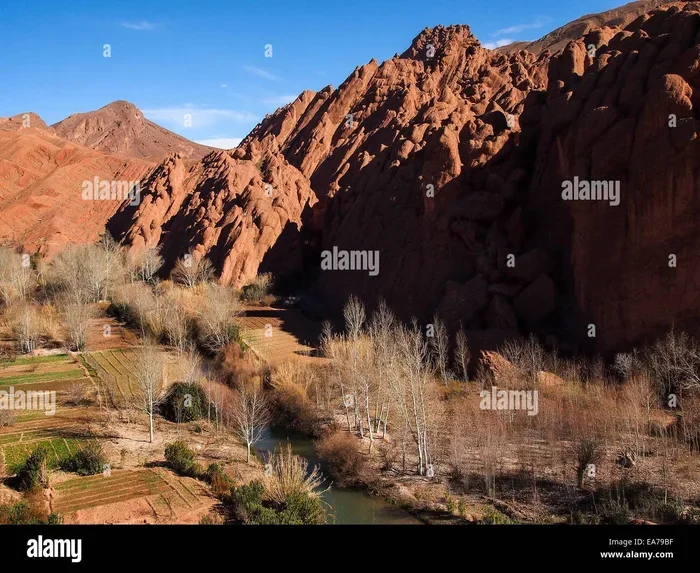
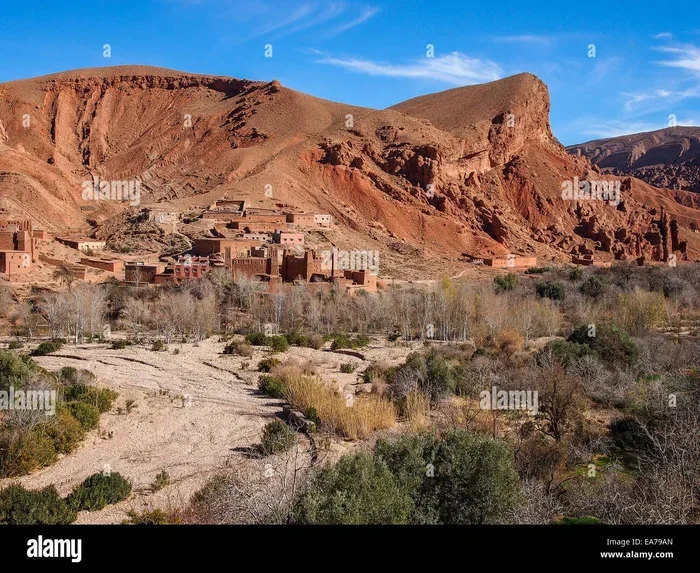
Welcome to the Dades Valley, also called the “Valley of a Thousand Kasbahs.” This is where your 15-day excursion reaches its peak. The valley stretches for about 125 km and is famous for its dramatic red rock formations, especially the “Monkey Fingers” – twisted rock formations that look exactly like fingers reaching up from the earth.
You’ll visit kasbahs like the Kasbah Ait Arbi and spend time in local Berber homes, learning how to make tagine or bread. The valley is also home to rose gardens, walnut groves, and some of the friendliest people you’ll ever meet. Every conversation seems to end with an invitation for tea.
Day 15: Return to Marrakech
Your last day takes you back through the Atlas Mountains to Marrakech. But you’ll return different. Two weeks of travel changes you. You see the world through different eyes now. The medina won’t feel chaotic anymore; it’ll feel alive. The call to prayer won’t be loud; it’ll be beautiful.
What Should You Pack for This Journey?
Packing for a 15-day excursion is like packing for three seasons in one trip. You might start in the snow-capped mountains, move to the scorching desert, and end in the mild valley. Here’s your cheat sheet:
Clothing Essentials
- Layered clothing: Mornings and evenings can be cold, even in the desert
- Modest attire: Morocco is a Muslim country; covering shoulders and knees shows respect
- Comfortable walking shoes: You’ll be on your feet a lot, especially in the medina
- Sun protection: Wide-brimmed hat, sunglasses, and SPF 30+ sunscreen
- Scarf or shemagh: Doubles as sun protection and warmth
Gadgets and Gear
- Camera with extra batteries: Cold desert nights drain batteries fast
- Power bank: Some rural areas have limited charging options
- Headlamp: Useful in desert camps and old kasbahs
- Reusable water bottle: Stay hydrated and reduce plastic waste
Health and Comfort
- First aid kit: Basics like band-aids, pain relievers, and stomach medicine
- Hand sanitizer: Markets and rural areas have limited facilities
- Toilet paper: Public restrooms often don’t supply it
- Lip balm and moisturizer: The desert air is dry
Here’s a tip most tourists don’t know: a small gift from your home country goes a long way in Berber villages. Pencils for schoolchildren, postcards from your city, or photos of your family. These small gestures create connections that last much longer than any souvenir.
Understanding the Culture: Etiquette and Customs
Morocco isn’t just a destination; it’s a living, breathing culture. Understanding a few customs will enrich your trip enormously. Think of it like learning the rules of a board game before you start playing. The game is much more fun when everyone knows the rules.
The Art of Moroccan Hospitality
Moroccans take hospitality seriously. If you’re invited for tea, accept it. The ritual of mint tea is central to Moroccan life. Tea is poured from a height to create foam, and it’s served in three rounds. The first round is “like life” (bitter), the second is “like love” (sweet), and the third is “like death” (gentle). Drink all three if you can.
When visiting someone’s home, remove your shoes at the door. Bring a small gift like pastries or flowers. Avoid eating with your left hand, as it’s considered impolite. These small gestures speak volumes.
Dress Code and Photography
As mentioned, modest dress is respectful. Women don’t need to cover their hair (except when entering mosques), but covering shoulders and knees is appropriate. Men should also avoid sleeveless shirts in rural areas.
Always ask before photographing people. A simple “Can I take your photo?” in French (“Je peux prendre une photo?”) works wonders. Most people will say yes and be flattered. Some might ask for a small tip, which is perfectly acceptable.
Friday: The Holy Day
Friday is the holy day in Islam. Many shops open later, and life moves at a slower pace. Plan accordingly. Some museums and attractions might have modified hours.
Budgeting Your 15-Day Moroccan Adventure
Let’s talk money, because good planning keeps the fun going. A 15-day excursion from Marrakech to the Dades Valley costs different amounts depending on your style.
Budget Travel ($80-100 per day)
- Stay in budget hotels and riads (traditional Moroccan houses)
- Eat at local markets and street stalls
- Use public transportation or shared tours
- Visit free attractions like gardens and viewpoints
Mid-Range Travel ($100-150 per day)
- Mix of mid-range riads and one night in a luxury desert camp
- Mix of local restaurants and nicer establishments
- Private driver for part of the journey
- Guided tours at major attractions
Luxury Travel ($200+ per day)
- Upscale riads and luxury desert camps
- Private guided tour throughout
- Fine dining experiences
- Spa treatments and premium experiences
Did you know that tipping in Morocco typically ranges from 10-15%? Your driver and guide will appreciate it, as will restaurant staff. It’s not mandatory, but it’s a nice gesture for good service.
Most major expenses include accommodation (30%), food (25%), transport (25%), activities (15%), and shopping/misc (5%). Having this breakdown helps you plan realistically.
Common Mistakes and How to Avoid Them
Even experienced travelers make mistakes in Morocco. Let me share the most common ones so you can sidestep them.
Mistake 1: Underestimating the Distances
Morocco is a big country. The drive from Marrakech to Merzouga is about 560 km (348 miles) and takes 9-10 hours. That doesn’t sound bad until you’re bumping along winding mountain roads. Plan for slower travel times than Google Maps suggests.
Mistake 2: Not Learning Basic Arabic or French
Most Moroccans speak Arabic and French. In Berber regions, they speak Berber languages too. Learning “hello,” “thank you,” and “how much?” in Arabic (as-salamu alaykum, shukran, bi-kam?) will make your trip smoother.
Mistake 3: Drinking Tap Water
Stick to bottled water throughout your trip. Your stomach will thank you. Most hotels provide complimentary bottled water.
Mistake 4: Overpacking
You’ll be moving hotels every 1-2 days. A heavy suitcase becomes a burden fast. Pack light, do laundry along the way (many riads offer this service), and save room for souvenirs.
Mistake 5: Skipping Travel Insurance
This is crucial. Medical evacuation from rural Morocco can be expensive. Travel insurance costs about $50-100 for a two-week trip but provides peace of mind worth thousands.
Why the Dades Valley is the Perfect Finale
We keep coming back to the Dades Valley, and for good reason. After 12 days of intense travel, this valley offers the perfect ending. It’s like the final movement of a symphony, gentle and beautiful after the crescendo of the desert.
The Monkey Fingers and Rock Formations
The geological formations here are mind-blowing. The “Monkey Fingers” are rock formations created by millions of years of erosion. They look exactly like fingers reaching for the sky. Photographers love this spot, especially at sunset when the rocks turn deep red.
Berber Village Life
The valley is home to traditional Berber villages where life moves at the pace of the seasons. You’ll see farmers tending almond trees, women weaving rugs, and children playing football in dusty streets. These are scenes that haven’t changed in centuries.
The Kasbahs
There are over 20 major kasbahs in the Dades Valley, each with its own story. The Kasbah Ait Arbi is one of the most impressive. These mud-brick fortresses are like castles from another time, with thick walls, intricate decorations, and towers that once protected families from invaders.
Adventure Activities
If you still have energy left, the Dades Valley offers hiking, rock climbing, and even paragliding. The Todra Gorge nearby is one of the world’s premier rock climbing destinations. For a more relaxed experience, take a cooking class and learn to make proper Moroccan tagine.
One local tradition you shouldn’t miss: the rose water ceremony. In spring, when roses bloom, families gather to harvest petals at dawn. The scent is intoxicating. You can buy pure rose water to take home, a perfect souvenir that captures the essence of Morocco.
Final Thoughts: Is This the Trip for You?
A 15-day excursion from Marrakech to the Dades Valley isn’t just a vacation. It’s a transformation. You arrive as a tourist and leave as someone who understands a different way of life. The mountains, the desert, the valleys, and the people all work together to create something magical.
This trip asks for two things: an open mind and comfortable shoes. In return, it gives you memories that will last a lifetime. You’ll taste the sweet mint tea, hear the call to prayer echoing across the desert, feel the sand between your toes at sunset, and stand in awe of mountains that touch the sky.
So is it worth fifteen days? Absolutely. In a world that’s always rushing, taking fifteen days to slow down, explore, and connect is revolutionary. Morocco has been welcoming travelers for thousands of years. It’s time you joined them on this incredible journey.
Start planning your excursion today. The Dades Valley is waiting, and trust me, once you see those red cliffs and feel that warm Berber hospitality, you’ll understand why travelers keep coming back, year after year. Your Moroccan adventure starts the moment you decide to take that first step.
Frequently Asked Questions
What is the best time of year for a 15-day excursion from Marrakech to the Dades Valley?
The best times are spring (March to May) and autumn (September to November). During these months, temperatures are mild, ranging from 20-28°C (68-82°F) during the day. Summer can be extremely hot in the desert (over 40°C), while winter nights in the desert and mountains can drop below freezing.
Do I need a visa for Morocco, and what documents are required?
Most Western travelers, including those from the US, EU, Canada, and Australia, do not need a visa for stays under 90 days. You’ll need a passport valid for at least 6 months beyond your travel date. Some nationalities should check specific requirements before traveling.
Is it safe to travel through the Sahara Desert on this excursion?
Yes, it’s very safe. The Morocco Desert excursion routes are well-traveled, and you’ll be with experienced guides and drivers throughout. The desert camps are secure, and the local Berber communities are known for their hospitality and friendliness toward tourists.
What level of physical fitness is required for this 15-day trip?
Moderate fitness is recommended but not essential. Most activities involve walking, with some optional hiking. The main physical demands are walking on uneven surfaces in medinas and optional climbs in Todra Gorge. Anyone in reasonable health can enjoy this excursion.
Can I customize the route or add destinations to my 15-day excursion?
Absolutely. Many tour operators offer customizable itineraries. Popular additions include Essaouira on the coast, Chefchaouen in the north, or additional nights in specific locations. Discuss your preferences with your tour operator when booking.
What currency should I bring, and can I use credit cards throughout the trip?
The Moroccan Dirham (MAD) is the local currency. Bring cash for small shops, souks, and tips. Credit cards are accepted in upscale restaurants, larger hotels, and some shops in cities. ATMs are widely available in Marrakech, Ouarzazate, and other major towns.