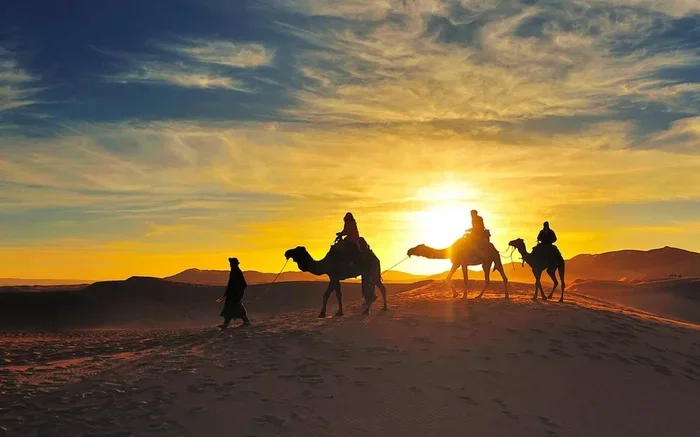
Featured image for Morocco desert camel sunset
Image source: dynamic-media-cdn.tripadvisor.com
This 12-day excursion from Fez to Casablanca offers the ultimate Moroccan experience in one unforgettable journey. Travelers explore four imperial cities, ride camels across the Sahara Desert, wander through ancient medinas, and finish along the Atlantic coast. Perfect for first-time visitors, this route covers approximately 1,200 kilometers and showcases Morocco’s diverse landscapes, rich history, and vibrant culture from north to south and back west.
Picture this: you wake up in a luxury desert camp after riding a camel across golden sand dunes. The previous week, you explored medieval streets in Fez, stood in awe of Roman ruins at Volubilis, and wandered through the blue-painted alleys of Chefchaouen. Now, you are heading toward the crashing waves of the Atlantic Ocean in Casablanca.
This is not a dream. This is exactly what a 12-day excursion from Fez to Casablanca delivers. It is the most complete way to see Morocco, a country that feels like several nations packed into one beautiful package. Think of it like reading a fascinating book from cover to cover instead of just skimming the first chapter.
Morocco sits in northwest Africa, with coastlines on both the Mediterranean Sea and the Atlantic Ocean. The country attracts over 13 million tourists annually, according to the Moroccan Ministry of Tourism. Many of these travelers arrive with limited time but big dreams. A 12-day excursion solves that problem beautifully. It gives you enough time to truly experience each destination without feeling rushed. You will not just take photos and move on. You will actually understand the places you visit.
Key Takeaways
- Comprehensive Route: This 12-day trip connects Fez to Casablanca while looping through Meknes, the Sahara Desert, and the Atlas Mountains.
- Diverse Experiences: You will visit UNESCO World Heritage Sites, ride camels, explore ancient medinas, and enjoy coastal relaxation.
- Ideal Duration: Twelve days allows proper exploration without rushing, covering roughly 100 kilometers of travel per day.
- Best Travel Seasons: Spring (March-May) and fall (September-November) offer the most comfortable weather for this multi-stop journey.
- Cultural Immersion: The itinerary includes authentic experiences like staying in desert camps, sharing mint tea with Berber families, and visiting artisan workshops.
- Budget-Friendly Option: A 12-day group excursion often costs less per day than shorter tours due to economies of scale.
- Physical Accessibility: The tour suits most fitness levels, with optional activities available for those seeking more adventure.
📑 Table of Contents
Understanding the 12-Day Fez to Casablanca Excursion
Let us break down what this journey actually includes and why it has become the gold standard for Morocco tourism.
What Exactly Is This Excursion?
An excursion de 12 dias desde Fez a Casablanca is a guided tour that starts in the spiritual capital of Fez and ends in the economic capital of Casablanca. Along the way, it forms a loop through some of Morocco’s most spectacular regions. Imagine drawing a big circle on a map with your finger, starting in Fez, swinging south through the Sahara Desert, then turning west toward the coast.
The excursion typically includes:
- Transportation in air-conditioned vehicles
- Accommodation in riads (traditional Moroccan houses), hotels, and desert camps
- Professional English-speaking guides
- Breakfast and dinner daily
- Camel rides and select activities
- Entry fees to major historical sites
Most tours operate with small groups of 8 to 16 people, though private options exist for families or those wanting more flexibility. Think of it like choosing between a guided museum tour and exploring on your own. Both work, but the guided version gives you insights you might otherwise miss.
Who Is This Tour Designed For?
This excursion welcomes a wide range of travelers. First-time visitors to Morocco find it perfect because it covers all the major highlights. Seasoned travelers appreciate the depth and authenticity. Families with children aged 8 and older do well on this trip, though some activities like long camel rides might challenge very young kids.
Did You Know? Morocco received 14.5 million tourists in 2023, with cultural tourism making up approximately 60% of all visits. This statistic shows how popular structured tours like the 12-day excursion have become for experiencing authentic Moroccan culture.
The tour suits solo travelers, couples, families, and small groups of friends. However, it requires a moderate level of mobility. You will walk on uneven cobblestones, climb some stairs to riads, and navigate busy medinas. People with severe mobility issues might find certain sections challenging, though operators often accommodate different needs with advance notice.
When Should You Book and Travel?
Timing matters enormously for this excursion. The best months run from March through May and from September through November. During these shoulder seasons, temperatures stay pleasant, ranging from 18°C to 28°C in most regions.
Summer (June-August) brings intense heat, especially in the desert where temperatures regularly exceed 40°C. Winter (December-February) can be cold in the mountains, with snow sometimes blocking mountain passes.
Booking 3 to 6 months ahead is wise for spring and fall departures. Popular tour operators fill their groups quickly, especially for the comfortable October and April travel windows. Think of it like reserving a table at a popular restaurant. Waiting too long means missing out.
The Complete Day-by-Day Journey Breakdown
Understanding the itinerary helps you prepare mentally and physically. Here is what those 12 days actually look like.
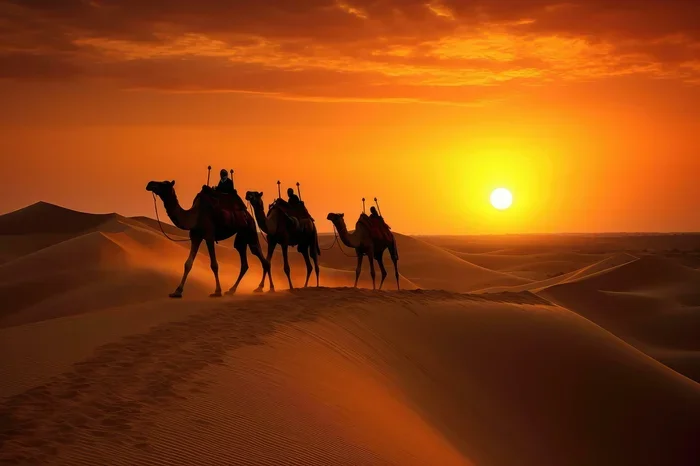
Visual guide about Morocco desert camel sunset
Image source: static.vecteezy.com
Days 1-3: Exploring Fez and the Imperial North
Your adventure begins in Fez, often considered Morocco’s cultural and spiritual heart. Founded in 789 AD, Fez hosts the world’s oldest continuously operating university, the University of al-Qarawiyyin, established in 859 AD. That makes it older than any university in Europe.
During your first days, you will explore the Fez el-Bali medina, a maze of over 9,000 narrow streets. Getting lost here is almost a rite of passage. The medina contains the famous Al-Qarawiyyin Mosque, the Chouara Tanneries (where leather has been processed the same way for nearly 1,000 years), and countless artisan workshops.
From Fez, day trips typically include Volubilis, the best-preserved Roman ruins in Morocco. Recognized as a UNESCO World Heritage Site, Volubilis features stunning mosaics still visible after 2,000 years. Think of these mosaics as ancient Instagram posts, capturing moments from Roman daily life.
Meknes, another imperial city, also features prominently. Known as the “Versailles of Morocco,” Meknes showcases the impressive Bab Mansour gate and the massive Heri es-Souan granaries.
Days 4-5: Crossing the Atlas Mountains to the Desert
The journey south takes you through the Middle Atlas Mountains. This region feels completely different from the cities. Cedar forests, Barbary macaque monkeys, and Berber villages dot the landscape. Ifrane, sometimes called “Little Switzerland of Morocco,” surprises visitors with its European-style architecture and clean streets.
The drive includes stops at places like Azrou, famous for its cedar forests and monkey populations. Did You Know? The Middle Atlas is home to the endangered Barbary macaque, with approximately 6,000-8,000 individuals remaining in Morocco’s wild populations.
By day 5, you typically reach the edge of the Sahara Desert. This transition from mountain to desert happens gradually, then suddenly. One moment you see green valleys. The next, vast sand dunes stretch to the horizon.
Days 6-7: Experiencing the Sahara Desert
These two days form the emotional heart of the entire excursion. You will ride camels into the Erg Chebbi or Erg Chigaga dunes, depending on your chosen route. Erg Chebbi features dunes reaching up to 150 meters high, creating that classic Sahara landscape you see in movies.
Spending a night in a desert camp ranks as a life-changing experience for most travelers. You will sleep in traditional Berber tents, enjoy music around a campfire, and witness stars that seem close enough to touch. The Sahara’s night sky contains approximately 4,500 visible stars, compared to just 500 in light-polluted cities.
Sunrise over the dunes provides unforgettable photo opportunities. Many tours also offer sandboarding, which works exactly like snowboarding but on sand. It sounds strange but feels amazing.
Days 8-9: The Draa Valley and Ait Benhaddou
Leaving the desert, you travel through the Draa Valley, Morocco’s longest river valley. This region contains millions of date palms and ancient kasbahs (fortified houses). Ait Benhaddou, a UNESCO World Heritage Site, appears next. This earthen clay city has served as a filming location for over 20 movies, including Gladiator and Game of Thrones.
Think of Ait Benhaddou as a real-life movie set you can actually walk through. The same buildings appear in famous films, yet real families lived here for centuries.
Ouarzazate, known as the “Hollywood of Africa,” houses major film studios and often features in desert excursions. The Atlas Studios there have produced films like Lawrence of Arabia and Black Hawk Down.
Days 10-11: Marrakech and the High Atlas
No 12-day excursion from Fez to Casablanca would be complete without visiting Marrakech. The “Red City” pulses with energy, especially in the famous Jemaa el-Fnaa square. Here, snake charmers, musicians, food vendors, and storytellers create a sensory experience unlike anywhere else.
The Majorelle Garden, Bahia Palace, and the Saadian Tombs showcase Marrakech’s artistic heritage. The medina’s souks offer everything from hand-woven carpets to intricate metalwork. Bargaining is expected. Start at half the asking price and meet somewhere in the middle.
Crossing the High Atlas Mountains via the Tizi n’Tichka pass (at 2,260 meters elevation) provides dramatic scenery. The winding road climbs through changing landscapes, from arid plains to snow-capped peaks, depending on the season.
Day 12: Casablanca and the Atlantic Coast
The final day brings you to Casablanca, Morocco’s largest city and economic center. The Hassan II Mosque stands as the centerpiece. Built partially over the Atlantic Ocean, it ranks among the largest mosques in the world and features the world’s tallest minaret at 210 meters.
Non-Muslim visitors can enter the mosque during guided tours. The craftsmanship inside rivals the finest buildings globally, with hand-carved stone, intricate tilework, and cedar ceilings.
After exploring Casablanca, your 12-day journey concludes. Most tours end with transfers to the airport or drop-off at your hotel.
Why This Specific Route Makes Sense
The logic behind this 12-day excursion goes beyond simply visiting random places. The route tells Morocco’s complete story.
The Geographic Logic
Starting in Fez and ending in Casablanca creates an efficient loop. You travel south through the interior, then west toward the Atlantic. This route avoids backtracking and maximizes your time experiencing different landscapes.
Consider the alternative: a linear journey from Casablanca to Fez or vice versa. You would miss either the desert or the coast. The loop includes both.
The Cultural Storytelling
Each stop reveals a different chapter of Moroccan history:
- Fez and Meknes: The medieval Islamic empires
- Volubilis: Ancient Roman Morocco
- Merzouga/Zagora: Berber and desert traditions
- Ait Benhaddou: Trade route civilizations
- Marrakech: The imperial south
- Casablanca: Modern Morocco and global connections
This narrative arc helps travelers understand how Morocco developed from multiple influences into its current identity. It is like reading a historical novel where each city represents a different era.
The Diversity of Experiences
In 12 days, you experience:
- Medieval medinas and modern cities
- Mountain passes and desert plains
- Atlantic beaches and inland oases
- Imperial architecture and Berber villages
- Camel trekking and 4×4 adventures
- Traditional cuisine and international restaurants
This variety prevents fatigue. Every two or three days, the landscape changes dramatically. Your senses stay engaged throughout.
Planning and Preparation Tips
Successful 12-day excursions require some preparation. Here is practical advice to make your journey smoother.
What to Pack
Pack light but smart. You will move between accommodations frequently, so a medium-sized suitcase works better than a large one. Essential items include:
- Comfortable walking shoes (you will walk A lot)
- Layers of clothing (desert nights get cold even when days are hot)
- Sun protection (hat, sunscreen, sunglasses)
- Modest clothing for mosque visits (shoulders and knees covered)
- Personal medications
- Power adapter (Morocco uses Type C and E plugs)
- Reusable water bottle
A simple analogy: packing for this excursion is like packing for two seasons. You might experience 5°C in the mountains and 35°C in the desert within the same trip.
Budget Considerations
Costs vary based on tour style and inclusions. Budget tours start around €800-1,000 per person, mid-range tours range €1,200-1,800, and luxury options exceed €2,500. These prices typically include accommodation, most meals, transport, and guides.
Additional costs to budget for:
- International flights (not usually included)
- Travel insurance (highly recommended)
- Lunches and snacks
- Souvenirs and personal shopping
- Tips for guides and drivers
- Optional activities
Did You Know? Moroccan tourism contributes approximately 7% to the country’s GDP, supporting over 500,000 direct jobs. Your excursion helps sustain local economies, especially in rural areas where tourism provides critical income.
Health and Safety
Morocco ranks as one of Africa’s safest countries for tourists. Petty crime exists in tourist areas but violent crime against tourists is rare. The U.S. State Department and most Western governments rate Morocco as Level 1 or Level 2 for travel advisories.
Common health precautions include:
- Drinking bottled or filtered water
- Eating at recommended restaurants
- Carrying hand sanitizer
- Wearing sunscreen
- Staying hydrated in the desert
Vaccinations are not required for entry to Morocco, though Hepatitis A and Typhoid are sometimes recommended. Consult your doctor 4-6 weeks before departure.
Respecting Local Culture
Morocco is a Muslim-majority country with conservative social norms in many areas. Respectful behavior enhances your experience. Dress modestly, especially when visiting religious sites. Ask permission before photographing people. Avoid public displays of affection.
Learning a few Arabic or Berber phrases delights locals. Simple greetings like “Salam alaikum” (peace be upon you) and “Shukran” (thank you) open doors and hearts.
Choosing Your Tour Operator
Not all 12-day excursions offer the same experience. Selecting the right operator matters significantly.
What to Look For
Reputable operators share certain characteristics:
- Clear itineraries with honest descriptions
- Licensed guides with proper credentials
- Well-maintained vehicles
- Transparent pricing with no hidden fees
- Positive reviews from previous travelers
- Responsive customer service
- Flexible cancellation policies
Reading reviews on independent platforms like TripAdvisor helps identify quality operators. Look for companies with hundreds of reviews and ratings above 4.5 stars.
Red Flags to Avoid
Beware of operators offering prices far below market rates. Extremely cheap tours often cut corners on accommodation, food quality, or safety. Also avoid operators who pressure you into booking immediately or who lack clear contact information.
Legitimate companies welcome questions and provide detailed answers. They are proud of their services and happy to share specifics.
Questions to Ask Before Booking
Before committing, ask:
- What is the maximum group size?
- What type of accommodation is included?
- Are meals included, and what type?
- What language(s) do guides speak?
- What is the cancellation policy?
- Are entrance fees included?
- What activities are optional vs. mandatory?
- Is travel insurance recommended or required?
Good operators answer these questions clearly. Hesitation or vague responses suggest potential problems.
Making the Most of Your 12-Day Adventure
Beyond logistics, certain mindsets and approaches maximize your experience.
Embrace Spontaneity Within Structure
While the itinerary provides structure, leave room for spontaneous moments. A chance conversation with a local, an unplanned visit to a viewpoint, or a surprise sunset can become your best memory. Think of the tour as a framework rather than a rigid schedule.
Connect With Local People
The most rewarding experiences often come from human connections. Moroccan hospitality is legendary. Accept invitations for tea, ask questions about customs, and show genuine interest in people’s lives. These interactions transform a trip into a meaningful journey.
Document Your Journey Thoughtfully
Photography is wonderful, but do not let it consume your attention. Take photos, then put your camera away and truly see the places you visit. Write in a journal, sketch what you see, or simply absorb the atmosphere with all your senses.
Try Everything at Least Once
Morocco offers unique experiences you might not find elsewhere. Try the local foods, even the unusual ones. Participate in traditions like henna painting. Taste fresh mint tea in multiple locations. Each experience enriches your understanding of Moroccan culture.
Did You Know? Morocco is the world’s largest exporter of argan oil, sometimes called “liquid gold.” Products made from argan trees appear throughout your journey, especially in the southwest regions. The argan tree grows only in Morocco and is protected by UNESCO.
Conclusion
A 12-day excursion from Fez to Casablanca represents more than a vacation. It offers a complete immersion into one of the world’s most fascinating countries. From the spiritual depth of Fez to the Atlantic modernity of Casablanca, every day reveals new wonders.
This journey works because it balances structure with flexibility, highlights with depth, and comfort with adventure. You will not see everything Morocco offers. No one could in just 12 days. But you will experience the essence of this remarkable nation. The sounds of medinas, the silence of the Sahara, the colors of ancient cities, and the warmth of Moroccan hospitality will stay with you long after you return home.
Whether you are a first-time visitor or a seasoned Morocco traveler, this excursion delivers an experience worth every moment and every euro spent. The memories created during these 12 days often inspire return trips, deeper explorations, and a lasting connection to Morocco.
Take that first step. Book your excursion. Pack your bags. Your Moroccan adventure awaits, promising stories you will tell for years to come. The journey from Fez to Casablanca is not just a trip. It is a transformation.
Frequently Asked Questions
What is included in a typical 12-day excursion from Fez to Casablanca?
Most 12-day excursions from Fez to Casablanca include accommodation (riads, hotels, and desert camps), daily breakfast and dinner, air-conditioned transportation, professional guides, camel rides in the Sahara, and entrance fees to major historical sites. Lunches, drinks, tips, and personal expenses are usually not included. Always verify inclusions before booking to avoid surprises.
How much does a 12-day Fez to Casablanca excursion cost?
Prices vary significantly based on tour style and inclusions. Budget tours start around €800-1,000 per person, mid-range options range from €1,200-1,800, and luxury excursions exceed €2,500. These costs typically cover 11 nights of accommodation, meals, guides, and transport, but exclude international flights, travel insurance, lunches, and personal expenses.
What is the best time of year for this 12-day excursion?
The best times are spring (March-May) and fall (September-November), when temperatures range from 18°C to 28°C in most regions. These shoulder seasons offer comfortable weather for both desert exploration and mountain crossings. Summer brings extreme desert heat, while winter can cause snow in mountain passes and cold desert nights.
Is the 12-day excursion suitable for families with children?
Yes, this excursion generally suits families with children aged 8 and older. The variety of activities keeps children engaged, and the pace allows for both adventure and rest. However, very young children might struggle with long camel rides and extensive walking in medinas. Private tours offer more flexibility for families needing adjusted schedules.
What should I pack for a 12-day excursion through Morocco?
Pack comfortable walking shoes, layered clothing (for temperature variations), sun protection (hat, sunscreen, sunglasses), modest attire for mosque visits, personal medications, a power adapter, and a reusable water bottle. Pack light since you move between accommodations frequently. A medium suitcase works better than large luggage for this multi-stop journey.
Do I need travel insurance for the 12-day excursion?
Travel insurance is highly recommended, even if not required by your tour operator. Coverage should include trip cancellation, medical emergencies, evacuation, and baggage protection. Morocco has good medical facilities in cities, but rural areas have limited services. Insurance provides peace of mind and financial protection for unexpected situations during your 12-day journey.