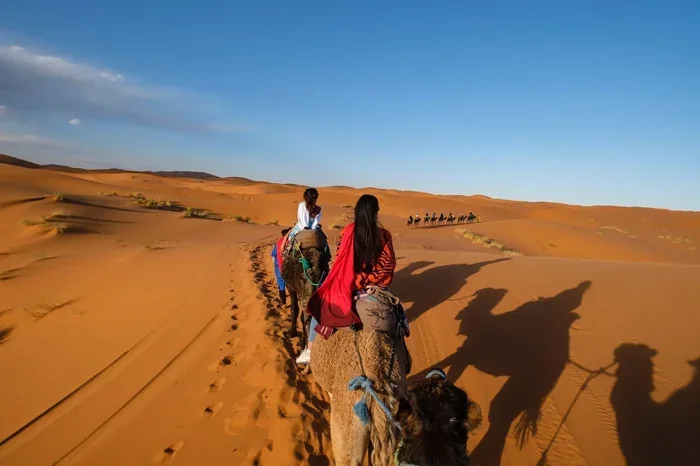
Featured image for Marrakech Sahara camel caravan
Image source: egypttoursplus.com
A 10 day tour from Marrakech to Erg Chebbi is the ultimate Moroccan adventure, blending imperial cities, Atlas Mountain passes, ancient kasbahs, and breathtaking Sahara Desert experiences. This comprehensive itinerary takes you from the vibrant souks of Marrakech to the towering golden dunes of Merzouga, with stops in Ait Benhaddou, Ouarzazate, the Todra Gorges, and traditional Berber villages along the way. Perfect for travelers seeking culture, nature, and authentic desert experiences in one unforgettable journey.
Imagine standing atop a sea of golden sand that stretches endlessly toward the horizon, the silence broken only by the whisper of desert wind. Picture yourself wandering through ancient medinas where centuries-old traditions still pulse through narrow alleyways. Envision sharing mint tea with Berber nomads whose families have called these lands home for generations. This is the promise of a 10 day tour from Marrakech to Erg Chebbi, and it is an experience that transforms the way you see the world.
Morocco captivates travelers because it offers something rare: a journey through time, geography, and culture all at once. In just ten days, you can transition from the imperial grandeur of Marrakech to the otherworldly landscapes of the Sahara Desert, passing through mountain passes, lush valleys, and forgotten kasbahs along the way. This isn’t just a vacation. It’s an adventure that engages every sense, challenges every assumption, and leaves you with stories you’ll tell for decades.
Whether you’re a solo traveler seeking connection, a couple chasing romance under desert stars, or a family hungry for authentic experiences, this guide will walk you through everything you need to know about the best 10 day tour from Marrakech to Erg Chebbi. We’ll cover the route, the highlights, the practical details, and the insider tips that turn a good trip into an unforgettable one.
Key Takeaways
- Comprehensive Coverage: A 10 day itinerary allows you to explore Morocco’s diverse landscapes, from bustling Marrakech to the serene Erg Chebbi dunes, without feeling rushed.
- Cultural Immersion: The route includes UNESCO World Heritage Sites, ancient kasbahs, and authentic Berber villages where you can experience traditional Moroccan culture firsthand.
- Adventure Highlights: Camel treks into Erg Chebbi, 4×4 desert excursions, and nights spent under the Sahara stars are unforgettable experiences included in most tours.
- Scenic Mountain Crossings: The journey crosses the High Atlas Mountains via the stunning Tizi n’Tichka pass, offering some of Morocco’s most spectacular views.
- Flexible Options: Tours range from budget shared group adventures to luxurious private experiences with premium desert camps and riad accommodations.
- Best Travel Season: October through April offers the most comfortable temperatures for desert exploration, with cooler nights and mild daytime weather.
- Practical Packing: Layered clothing, sun protection, and modest attire for village visits are essential for a comfortable journey through Morocco’s varied climates.
📑 Table of Contents
- What Makes a 10 Day Tour from Marrakech to Erg Chebbi the Ultimate Moroccan Adventure?
- Who Should Take This Tour and When Is the Best Time to Go?
- The Complete 10 Day Itinerary: What to Expect Each Day
- Where Will You Stay? Accommodation Options Explained
- How Much Does a 10 Day Marrakech to Erg Chebbi Tour Cost?
- Essential Tips for Making Your Tour Unforgettable
- Why This Journey Changes Travelers: The Deeper Value
- Choosing the Right Tour Operator: What to Look For
- Frequently Asked Questions: Common Concerns Addressed
What Makes a 10 Day Tour from Marrakech to Erg Chebbi the Ultimate Moroccan Adventure?
Think of this tour as a carefully crafted story, where each chapter reveals a new facet of Morocco’s incredible diversity. A 10 day itinerary strikes the perfect balance between exploration and relaxation, giving you enough time to truly absorb each destination without the exhausting pace of shorter tours.
The Perfect Balance of Duration and Discovery
Travel experts consistently recommend 8-12 days for comprehensive Morocco tours, and a 10 day journey sits right in that sweet spot. Shorter trips force you to skip treasures like the Todra Gorges or the Draa Valley, while longer journeys can feel repetitive. Ten days provides roughly 7-8 hours of travel time across the entire trip, with the remaining time dedicated to genuine exploration and cultural immersion.
Did You Know? Morocco receives over 13 million tourists annually, with desert tours to Erg Chebbi ranking among the top three most requested experiences. The Merzouga region alone attracts hundreds of thousands of adventure seekers each year, all chasing that iconic Sahara sunrise.
What You’ll See and Experience
This isn’t a trip where you simply check boxes. Along the way, you’ll encounter:
- Imperial cities with their magnificent palaces and bustling medinas
- Berber villages where traditional life continues largely unchanged
- Dramatic mountain passes crossing the High Atlas range
- UNESCO World Heritage Sites preserved across centuries
- The Sahara Desert at its most majestic, with dunes reaching 150 meters high
- Ancient kasbahs that once protected valuable trade caravans
Who Should Take This Tour and When Is the Best Time to Go?
The beauty of a Marrakech to Erg Chebbi adventure is its universal appeal. But certain profiles of travelers find this experience particularly rewarding, and timing your visit correctly can make the difference between a good trip and a great one.
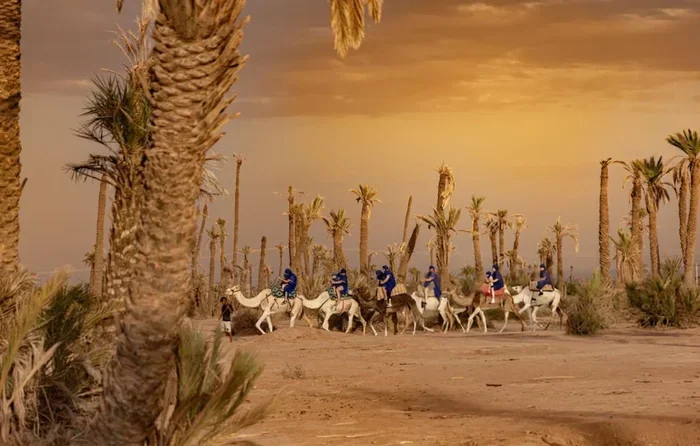
Visual guide about Marrakech Sahara camel caravan
Image source: excursionsinmarrakech.com
Ideal Travelers for This Adventure
This tour welcomes everyone from backpackers to luxury seekers, but it resonates especially deeply with:
- First-time Morocco visitors who want a comprehensive introduction
- Adventure enthusiasts drawn to camel trekking and desert camping
- Photographers seeking dramatic landscapes and authentic cultural scenes
- Cultural explorers eager to engage with Berber traditions and history
- Couples and honeymooners looking for romantic, once-in-a-lifetime experiences
- Families with older children who appreciate varied activities and learning opportunities
Understanding Morocco’s Travel Seasons
Morocco’s climate varies dramatically by region, making timing crucial. The desert can reach 45°C (113°F) in summer while mountain passes get snowy in deep winter.
Peak Season (October-April): This is when most travelers plan their visits, and for good reason. Daytime temperatures hover between 20-28°C (68-82°F) in the desert, while nights cool to a comfortable 10-15°C (50-59°F). The skies stay clear, and the lighting for photography is exceptional.
Shoulder Season (March-May and September-October): These transitional months offer excellent value with fewer crowds. Temperatures remain pleasant, and you’ll find better deals on accommodations and tours.
Summer Considerations (June-August): While summer brings the lowest prices, desert temperatures become extreme. If you travel during these months, expect early morning activities, afternoon rest periods, and late evening adventures.
Why Timing Matters for the Sahara Experience
The Sahara has its own rhythm. In winter, you’ll bundle up for sunrise camel treks but enjoy pleasantly warm afternoons. In autumn, the dunes seem to glow golden in the soft light. Spring brings occasional wildflowers to the desert edges, creating surreal scenes. Each season offers a different personality for your desert experience.
The Complete 10 Day Itinerary: What to Expect Each Day
Let’s walk through the journey day by day so you know exactly what awaits. Think of this as your roadmap, though every tour operator adds their own unique touches.
Days 1-2: Exploring Marrakech
Your adventure begins in Marrakech, a city that assaults the senses in the most wonderful way. The famous Jemaa el-Fnaa square comes alive each evening with storytellers, musicians, snake charmers, and food vendors creating a spectacle unlike anywhere else on Earth.
Most tours include guided visits to major attractions:
- The Bahia Palace, with its stunning courtyards and intricate tilework
- The Saadian Tombs, hidden for centuries before their rediscovery
- The Majorelle Garden, a peaceful oasis of blue and yellow
- The Koutoubia Mosque, Marrakech’s architectural landmark
Allow yourself time to get lost in the souks. The medina is a maze of over 18,000 shops selling everything from handwoven carpets to aromatic spices. Bargaining is expected, and it’s part of the fun. Start by offering roughly 40% of the asking price and negotiate from there.
Days 3-4: Crossing the Atlas Mountains
Day three brings the dramatic transition from city to mountains. The drive crosses the High Atlas via the Tizi n’Tichka pass, which reaches 2,260 meters (7,415 feet) above sea level. The road winds through stunning landscapes, and your guide will likely stop for photos at the most spectacular viewpoints.
Think of this drive like flipping through a nature documentary. You’ll see terraced fields, traditional Berber villages clinging to hillsides, and possibly even snow-capped peaks depending on the season. The journey itself becomes an experience.
Along the way, you’ll visit Ait Benhaddou, a UNESCO World Heritage Site that has served as a filming location for Hollywood productions including Gladiator, Lawrence of Arabia, and Game of Thrones. This ancient ksar (fortified village) demonstrates traditional Moroccan architecture at its finest.
Days 5-6: The Road Through Ouarzazate and the Draa Valley
Ouarzazate, known as the “Gateway to the Sahara,” offers fascinating detours including film studios where many famous movies were shot. The Taourirt Kasbah provides insight into how wealthy families lived in earlier centuries.
The route continues through the Draa Valley, a stunning palm-lined oasis that stretches for over 100 kilometers. This region feels worlds away from the cities, with ancient kasbahs rising from the palm groves and small villages maintaining traditional ways of life.
You’ll likely stop in towns like Zagora and Alnif, where the landscape transforms gradually from mountains to rocky desert to true sand dunes.
Days 7-8: Todra Gorges and the Journey to Merzouga
The Todra Gorges offer a breathtaking pause in the journey. Here, limestone cliffs rise over 400 meters (1,300 feet) on either side of a narrow canyon. Even if you’re not a climber, simply walking through these massive walls feels humbling.
As you continue east toward Merzouga, the landscape flattens and the sand begins to appear. Then, suddenly, there it is: Erg Chebbi, rising from the earth like a golden ocean frozen in time. These dunes, some reaching 150 meters (500 feet) high, mark the beginning of your Sahara experience.
Days 9-10: The Sahara Desert Experience and Return
This is where your adventure reaches its peak. Most tours include:
- Camel treks into the dunes, typically at sunset for maximum dramatic effect
- Overnight stays in Berber desert camps, either traditional or luxury depending on your package
- Traditional music around campfires under stars
- Sunrise viewing from atop the dunes, an experience that silences even the most talkative travelers
For those seeking more adventure, optional 4×4 excursions can take you deeper into the desert to visit nomadic families, explore seasonal lakes, and discover fossils in the rocky desert plains.
The return journey to Marrakech usually follows a slightly different route, often through the Dades Valley or via Errachidia, giving you new scenery to enjoy.
Where Will You Stay? Accommodation Options Explained
Your accommodation choices significantly shape your experience. Let’s break down what you can expect at different price points and what makes each option special.
Riads: Morocco’s Hidden Accommodation Gems
Throughout the cities and towns, you’ll stay in riads, traditional Moroccan homes built around interior courtyards. Think of them as boutique hotels with personality, each one uniquely decorated and often featuring rooftop terraces with stunning views. The word “riad” comes from the Arabic term for garden, and these spaces provide peaceful retreats from the bustling medinas outside.
Desert Camps: From Basic to Luxurious
The biggest variation in your trip comes from your desert camp choice:
Standard Berber Camps: These offer the authentic experience with communal tents, traditional meals, and campfires under the stars. You’ll sleep on mattresses with provided blankets, use shared facilities, and enjoy genuine Berber hospitality.
Luxury Desert Camps: These feature private en-suite tents with proper beds, electricity, and often surprisingly elegant décor. Some include private bathrooms with hot showers, gourmet meals served in tented dining areas, and even spa services in the middle of the Sahara.
Private Desert Experiences: For the ultimate splurge, some operators offer completely private setups with personal staff, custom menus, and exclusive locations away from other tourists.
How to Choose the Right Accommodation Level
Your choice depends on your priorities. Budget travelers find standard camps perfectly magical. Mid-range tours typically offer comfortable riads and upgraded desert tents. Luxury packages include the finest riads in each city and premium desert experiences. Consider what matters most: authentic simplicity or added comfort?
How Much Does a 10 Day Marrakech to Erg Chebbi Tour Cost?
Understanding pricing helps you set realistic expectations and find the right value for your budget. Like buying a car, the range varies based on what you’re looking for.
Breaking Down Tour Categories
Budget Tours (€500-800 per person): These typically include shared group transportation, basic riad accommodations, standard desert camping, and breakfast daily. They offer excellent value and are popular with backpackers and budget-conscious travelers.
Mid-Range Tours (€800-1,500 per person): Expect private or small-group transport, upgraded riads with character, better desert camps with private tents, and some included dinners. These tours balance comfort with authentic experience.
Luxury Tours (€1,500-3,000+ per person): Premium packages include private vehicles and drivers, the finest riads and hotels, luxury desert camps with full amenities, most meals included, and additional experiences like private guided tours and special activities.
What’s Typically Included vs. Extra
Most tours include transportation, accommodation, breakfast daily, camel trek, and one night in the desert. Often included but worth confirming:
- Local guides in major cities
- Some dinners, particularly in remote areas
- Entrance fees to major attractions
- Airport transfers
Usually not included:
- Lunches and most drinks
- Tips for guides and drivers
- Personal expenses and souvenirs
- Optional activities like quad biking or 4×4 excursions
Hidden Costs to Watch For
Budget an extra €150-300 for tips, personal shopping, optional activities, and meals not included in your tour. Some attractions charge separate photography fees, and certain guides may suggest additional experiences at extra cost. Clarify these details before booking to avoid surprises.
Essential Tips for Making Your Tour Unforgettable
Here’s where insider knowledge transforms good trips into legendary ones. These tips come from experienced travelers and tour operators who’ve learned what makes the difference.
Packing Smart for Morocco’s Climate Variety
Imagine packing for three different countries in one suitcase. That’s essentially what you’re doing on this tour.
Clothing essentials:
- Light, breathable fabrics for hot desert days
- Warm layers for cold desert nights (temperatures can drop significantly)
- A waterproof jacket for mountain weather
- Modest clothing for village visits (covering shoulders and knees shows respect)
- Comfortable walking shoes for medina exploration
- Sandals for desert evenings
Don’t forget: sunscreen (SPF 30+), sunglasses, a wide-brimmed hat, a scarf for sand and sun protection, a reusable water bottle, basic medications, and a sense of adventure.
Cultural Etiquette That Enhances Your Experience
Morocco is a Muslim country with conservative values, and showing cultural awareness opens doors to warmer interactions. Greet people with “Salam Alaikum” and respond to the greeting. Ask permission before photographing people. Remove shoes when entering homes or mosques. Use your right hand for eating and greeting. Dress modestly, especially in rural areas.
These small gestures signal respect and often result in invitations to tea, deeper conversations, and genuine connections that become trip highlights.
Health and Safety Considerations
Morocco is generally safe for tourists, with low violent crime rates. The main concerns are petty theft in crowded medinas and occasional scams targeting tourists. Common sense precautions suffice: keep valuables secure, don’t display expensive cameras carelessly, and be wary of unsolicited “guides” in tourist areas.
For health, drink bottled water, pack stomach medications just in case, and consider motion sickness remedies for mountain roads. The medical infrastructure is reasonable in cities but limited in remote areas, so travel insurance is essential.
Making the Most of Your Guide
A good guide transforms this trip from sightseeing to genuine understanding. Don’t treat them as just drivers. Ask questions about their lives, families, and perspectives. Request stops at places that interest you. Ask for restaurant recommendations for lunches. Learn a few Arabic or Berber phrases. These investments in human connection create memories that outlast any photograph.
Why This Journey Changes Travelers: The Deeper Value
Beyond the spectacular scenery and Instagram-worthy moments, a 10 day tour from Marrakech to Erg Chebbi offers something harder to quantify: perspective. Let me explain why this matters.
The Contrast That Awakens Senses
You begin in Marrakech’s sensory overload, surrounded by colors, sounds, and smells that demand attention. By journey’s end, you sit in desert silence so complete that you can hear your own heartbeat. This contrast strips away the constant stimulation of modern life and reminds you what peace actually feels like.
Meeting People Who Redefine “Enough”
Berber communities in the desert live with extraordinary simplicity. Their hospitality is legendary, their needs modest, and their contentment genuine. Spending time with families who measure wealth in goats and dates, not smartphones and cars, recalibrates your understanding of happiness. This isn’t poverty tourism. It’s learning from people who’ve preserved values that modern society often forgets.
Witnessing Landscapes That Rewire Imagination
The Sahara teaches humility. Standing at the base of a 150-meter dune, you realize how small you are. Climbing to the top and watching the sun set, you understand why ancient peoples worshipped this space. The desert doesn’t care about your job title, your deadlines, or your stress. It just exists, vast and patient, as it has for millions of years.
Coming Home Changed
Most travelers return from this journey with subtle shifts in perspective. They drink their tea more slowly. They notice sunsets. They value silence. They appreciate craftsmanship. These changes ripple outward, affecting relationships, work, and daily choices. That’s the real souvenir of this adventure, and it doesn’t fit in your luggage.
Choosing the Right Tour Operator: What to Look For
Your tour operator shapes everything about this experience. Choosing wisely means the difference between a memorable trip and a transformative one. Here’s what separates excellent operators from mediocre ones.
Questions That Reveal Quality
Before booking, ask these critical questions:
- How many travelers per vehicle? Smaller groups (4-8 people) offer more flexibility and comfort
- Who will be driving? Experienced local drivers know the roads and can navigate tricky mountain passes safely
- What’s the accommodation policy? Will you see exactly which riads and camps you’ll stay in?
- Is the desert camp private or shared? This dramatically affects your experience
- What’s the cancellation policy? Flexibility matters in uncertain times
- Do they employ local staff? This supports communities and ensures authentic experiences
Red Flags to Avoid
Be cautious of operators who are vague about accommodations, pressure you into quick bookings, offer prices significantly below market rates, lack proper licensing, or have poor reviews across multiple platforms. Trust your instincts. If something feels off, it usually is.
The Value of Local Knowledge
Moroccan-owned and operated tour companies often provide more authentic experiences than international brands. They know hidden viewpoints, family-run restaurants, and cultural nuances that outsiders miss. Supporting local operators also ensures your tourism dollars benefit the communities you visit.
Frequently Asked Questions: Common Concerns Addressed
Let’s tackle the questions that pop up most often from prospective travelers. These answers draw from real experiences and practical wisdom.
Is a 10 day tour from Marrakech to Erg Chebbi safe for solo travelers?
Absolutely. Morocco is one of the safest African countries for tourists, and group tours offer built-in social connections. Solo travelers consistently report feeling welcomed, especially by locals who appreciate the courage it takes to travel alone. Many lasting friendships form on these tours, and group dynamics are generally friendly and inclusive.
Do I need to speak Arabic or French to enjoy the tour?
No. Tour guides speak English fluently, and this is enough for navigating the entire journey. However, learning even basic phrases like “shukran” (thank you) and “la, shukran” (no, thank you) enriches your experience and earns smiles. French is useful in some areas but not essential. Most people in tourism-related businesses speak multiple languages.
What happens if it rains during the desert portion?
Rain in the Sahara is rare but occasionally happens, especially in winter. When it does, it creates spectacular scenes but can make dune climbing more challenging. Quality tour operators have contingency plans, including alternative activities or accommodations. The rain itself rarely lasts more than a day, and the post-rain desert has its own unique beauty with clear, washed skies.
Can children join this tour, and what’s the minimum age?
Most operators accept children aged 5 and up, though some prefer children to be at least 8-10 for the full desert experience. The tour involves long drives, so families should consider their children’s patience for road travel. Many operators offer family-friendly pacing with extra stops and adjustments. Camel rides are usually suitable for children over 5 with parental supervision.
What about dietary restrictions and food safety?
Moroccan cuisine naturally accommodates many dietary needs, with abundant vegetable tagines, fresh bread, and grilled meats. Vegetarians do well, though options become more limited in remote areas. Vegan travelers should communicate clearly with operators beforehand. Food safety is generally good, but drink only bottled water and avoid raw vegetables washed in tap water. Stick to cooked foods and fruits you peel yourself.
Is travel insurance necessary, and what should it cover?
Travel insurance isn’t just recommended; it’s essential. Make sure your policy covers medical evacuation (roads can be remote), trip cancellation, and emergency medical care. Some activities like quad biking may require specific coverage. Many standard policies exclude adventure activities, so verify your chosen activities are included. The cost is minimal compared to the protection it provides.
A 10 day tour from Marrakech to Erg Chebbi is more than a vacation. It’s an immersion into landscapes and cultures that most travelers only dream about. It challenges you, delights you, and ultimately rewards you with memories that last far longer than the journey itself. From the moment you enter Marrakech’s medina to your final camel trek across golden dunes, every day brings new discoveries and unexpected joys.
The beauty of this itinerary lies in its variety. One day you’re negotiating prices in a medieval souk; the next, you’re sipping mint tea with nomads who measure wealth in camels and contentment. You cross snow-capped mountains, walk through ancient kasbahs, and finally stand in the Sahara, that legendary place that has called to adventurers for millennia.
So pack your bags, bring your curiosity, and prepare for the trip of a lifetime. The best 10 day tour from Marrakech to Erg Chebbi awaits, promising experiences that will transform how you see Morocco, travel, and perhaps even yourself. Whether you choose a budget adventure or luxury expedition, whether you travel solo or with loved ones, this journey delivers on its promise of wonder, authenticity, and life-changing moments. The only question remaining is: when will you go?