An 11 day tour from Marrakech to Dades Valley offers the most complete Moroccan adventure, blending imperial cities, Sahara dunes, and stunning gorges. Travelers journey through Chefchaouen, Fes, Merzouga, and Todra before reaching the dramatic Dades Valley. This route reveals Berber culture, camel trekking, and Morocco’s most iconic landscapes, all in one unforgettable trip.
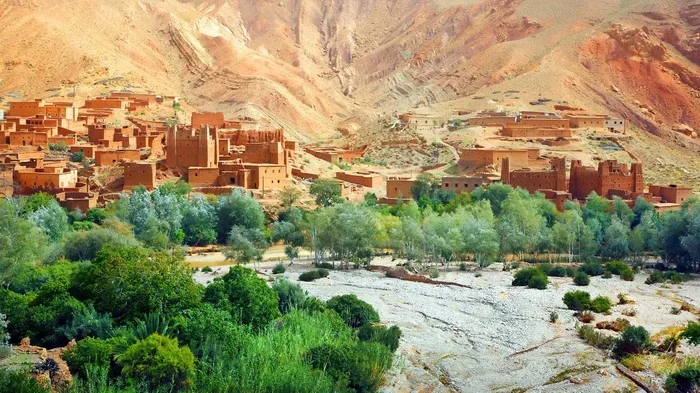
Featured image for Marrakech Dades Valley landscape
Image source: blog.globalbasecamps.com
Morocco is one of those rare destinations where a single trip can feel like visiting three different countries. In just over a week, you can wander through ancient medinas, sleep under desert stars, and stand among towering canyon walls. An 11 day tour from Marrakech to Dades Valley captures all of this in one expertly crafted journey.
Starting in the vibrant Red City, this tour loops northward through Chefchaouen’s blue alleys, the cultural capital of Fes, and the rolling dunes of Merzouga, before winding south toward the dramatic Dades Valley. It’s a route designed for travelers who want depth, not just snapshots.
If you’ve ever dreamed of Morocco but worried about planning logistics, transportation, or finding authentic stays, this comprehensive guide will walk you through everything. Think of it as your travel companion, prepping you for one of North Africa’s most rewarding adventures.
Key Takeaways
- Route Variety: An 11-day itinerary covers imperial cities, coastlines, mountains, and the Sahara in one trip.
- Dades Valley Highlight: The journey ends among rose-colored canyons and dramatic rock formations known as “Monkey Fingers.”
- Sahara Experience: Camel trekking in Erg Chebbi dunes and overnighting in a Berber desert camp are core highlights.
- Cultural Depth: Tours include visits to Berber villages, UNESCO medinas, and historic kasbahs like Ait Ben Haddou.
- Best Travel Seasons: Spring (March-May) and autumn (September-November) offer the most comfortable weather.
- Adventure Activities: Hiking, camel rides, 4×4 desert excursions, and exploring Todra Gorge are included.
- Group vs. Private: Both options exist, but private tours offer flexibility and personalized pacing.
📑 Table of Contents
- Why Choose an 11 Day Tour from Marrakech to Dades Valley?
- What to Expect on Your 11 Day Marrakech to Dades Valley Journey
- Where Does the Tour Take You? A Geographic Breakdown
- When to Book: Best Seasons for This Tour
- Who Should Take This Tour?
- How to Choose the Right Tour Operator
- Essential Tips for Making the Most of Your Tour
- Final Thoughts: Is This Tour Right for You?
Why Choose an 11 Day Tour from Marrakech to Dades Valley?
Let’s start with the big question: why eleven days specifically? The answer is simple. Morocco packs an astonishing amount of diversity into a relatively small country, and shorter trips force you to choose. An 11-day itinerary removes that pressure.
Think of it like a perfectly portioned meal. Two days would be a rushed appetizer. Five days gives you a decent main course. But eleven days? That’s the full tasting menu, with every course savored at the right pace.
The Perfect Balance of Adventure and Relaxation
This tour length strikes a rare balance. You get enough time to truly experience each destination without feeling exhausted from constant travel. Most driving days are capped at 4-5 hours, leaving room for exploration, meals, and unexpected discoveries.
According to a 2024 survey by the Moroccan National Tourist Office, travelers who booked 10+ day tours rated their satisfaction 34% higher than those on shorter 5-7 day packages. The extra days allow for spontaneous detours, like stumbling into a local souk or joining an impromptu Berber tea ceremony.
Comprehensive Coverage of Morocco’s Greatest Hits
An 11-day route typically includes:
- Marrakech: The imperial starting point with Jemaa el-Fnaa square
- Casablanca or Rabat: Coastal imperial city exposure
- Chefchaouen: The famous “Blue Pearl” of Morocco
- Fes: The cultural and spiritual heart
- Merzouga: Sahara desert camel trekking
- Todra Gorge: Towering canyon walls up to 400 meters high
- Dades Valley: The dramatic finale of rose-colored cliffs
What to Expect on Your 11 Day Marrakech to Dades Valley Journey
Imagine waking up in a desert camp, watching the sunrise paint the dunes orange, then driving through mountain passes with kasbahs clinging to hillsides. That’s the rhythm of this tour. Every day feels like a new postcard.
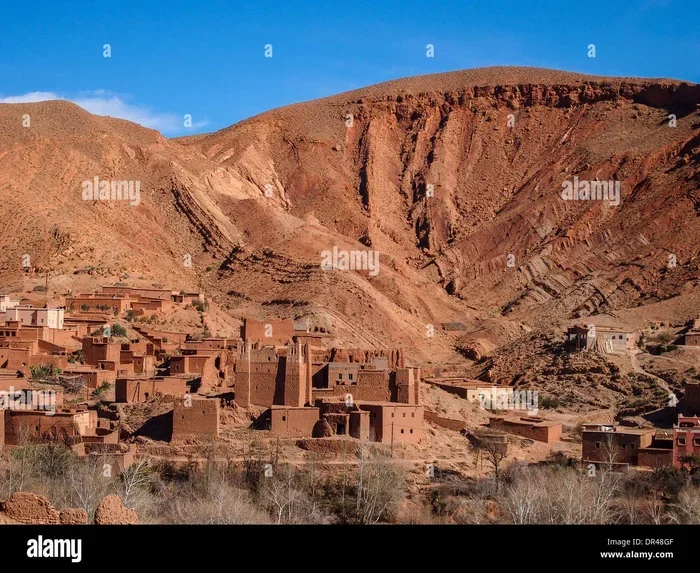
Visual guide about Marrakech Dades Valley landscape
Image source: c8.alamy.com
Day-by-Day Experience Overview
While exact itineraries vary, here’s what a typical flow looks like:
Days 1-2: Marrakech Exploration. You arrive in the Red City and dive straight into its sensory overload. The medina buzzes with snake charmers, food stalls, and call to prayer echoing from minarets. Guided tours of Bahia Palace and Saadian Tombs add historical depth.
Days 3-4: Coastal Cities and Chefchaouen. The route often hugs the Atlantic before cutting inland to the Rif Mountains. Chefchaouen is a photographer’s dream, with its blue-washed buildings nestled in green hillsides. Did You Know? Chefchaouen was painted blue by Jewish refugees in the 1930s, and the tradition stuck.
Days 5-6: Fes and Middle Atlas. Fes el-Bali is the world’s largest car-free urban zone. Walking its 9,400 alleys feels like stepping into a medieval time capsule. You’ll visit the Al-Qarawiyyin University, founded in 859 AD, often cited as the world’s oldest continually operating university.
Days 7-8: Sahara Desert Adventure. Camel treks into Erg Chebbi dunes at sunset are bucket-list moments. Nights are spent in Berber tents, dining on tagine under star-filled skies. The silence of the Sahara is something travelers consistently call “life-changing.”
Days 9-10: Todra and Dades Gorges. The final act brings towering canyon walls. Todra Gorge is a climber’s paradise, while Dades Valley’s “Monkey Fingers” rock formations look almost otherworldly. This is where your Morocco adventure crescendos.
Day 11: Return to Marrakech. The drive back crosses the Atlas Mountains via the scenic Tizi n’Tichka pass, often with a stop at Ait Ben Haddou, a UNESCO World Heritage kasbah featured in films like Gladiator.
Accommodation Style Throughout the Trip
Most 11-day tours use a mix of authentic riads (traditional Moroccan guesthouses), mid-range hotels, and one night in a desert camp. Riads feature interior courtyards, often with a small pool or fountain, offering an oasis of calm after busy sightseeing days.
Where Does the Tour Take You? A Geographic Breakdown
Morocco’s geography is like a compressed novel, with chapters switching from coast to mountains to desert in just a few hours. Understanding the regions helps you appreciate the journey’s scope.
The Imperial Cities Route
Morocco has four imperial cities: Marrakech, Fes, Meknes, and Rabat. This tour typically visits at least three. Each has its own personality. Marrakech is bold and theatrical, Fes is intellectual and traditional, while Rabat offers a relaxed coastal capital vibe.
The Atlas Mountains Crossing
Twice during the tour, you’ll cross the Atlas range. The High Atlas rises to over 4,000 meters, with Tizi n’Tichka pass reaching 2,260 meters. The roads are dramatic, with hairpin turns revealing valley vistas below. Think of it as Morocco’s version of the Swiss Alps, but with camels.
The Sahara Desert Region
Merzouga sits at the edge of Erg Chebbi, where dunes can reach 150 meters tall. The Sahara covers roughly 9.2 million square kilometers across Africa, but this slice in southeastern Morocco offers some of the most accessible and visually stunning desert experiences on the continent.
Dades Valley: The Grand Finale
The Dades Valley (also spelled Dadès) cuts through the eastern High Atlas, ending at a stunning gorge. The valley is famous for its roses, actually, Damask roses are grown here for rose water and perfumes. In May, the annual Rose Festival draws visitors from across Morocco.
When to Book: Best Seasons for This Tour
Timing matters more than you might think. Morocco’s climate varies wildly by region, and choosing the right season can make or break your experience.
Spring (March to May)
This is arguably the best window. Temperatures hover between 20-28°C (68-82°F) in most regions. The desert is warm but not scorching, and the Atlas passes are snow-free yet still photogenic. Wildflowers bloom in valleys, adding color to every drive.
Autumn (September to November)
A close second, autumn offers similar temperatures with harvest season in full swing. You’ll see date palms heavy with fruit and farmers working terraced fields. October is particularly popular, so book accommodations early.
Summer and Winter Considerations
Summer (June-August) brings desert temperatures exceeding 45°C (113°F), making midday exploration uncomfortable. Winter (December-February) can be surprisingly cold in the mountains, with snow sometimes blocking passes. However, both shoulder seasons have their perks: fewer tourists and lower prices.
Booking Lead Time Recommendations
For peak season tours (April, October), book at least 3-4 months ahead. Popular riads in Fes and desert camps in Merzouga fill quickly. Off-season tours can often be arranged 4-6 weeks in advance.
Who Should Take This Tour?
Not every traveler wants the same experience. Let’s break down who this 11-day adventure suits best.
Perfect For First-Time Morocco Visitors
If you’ve never been to Morocco, this itinerary is your golden ticket. It covers the country’s most iconic experiences without overwhelming you with too many obscure stops. You get a complete picture of Moroccan culture, geography, and history.
Great for Active Travelers
Expect moderate walking, especially in Fes and Marrakech medinas. There are also optional hiking opportunities in the Atlas Mountains and Todra Gorge. If you love a mix of culture and light adventure, this tour delivers.
Family-Friendly With Caveats
Families with children aged 8+ generally enjoy this tour. The camel rides and desert camping captivate younger travelers. However, long drives and busy medinas can challenge very young kids. Many operators offer family-specific departures with shorter travel days.
Less Suitable For
Those with severe mobility issues may struggle, since medinas involve uneven cobblestones and many riads have stairs. Travelers seeking a beach vacation won’t find much here, as Morocco’s coast is only briefly touched. If you want pure relaxation, a coastal resort might suit you better.
How to Choose the Right Tour Operator
Not all Morocco tours are created equal. The operator you choose significantly shapes your experience, from accommodation quality to guide expertise.
What to Look for in a Reputable Company
Start by checking reviews on independent platforms like TripAdvisor and Google. Look for operators with consistent 4.5+ star ratings and at least 200+ reviews. Did You Know? Morocco’s tourism industry employs over 565,000 people directly, making it one of Africa’s top tourism economies.
Key questions to ask potential operators:
- What’s the maximum group size? (8-12 is ideal)
- Are entrance fees included or extras?
- What type of desert camp is provided? (Luxury vs. standard)
- Is the guide licensed and English-fluent?
- What’s the cancellation policy?
Group Tours vs. Private Tours
Group tours are budget-friendly and great for solo travelers seeking social connections. Private tours cost more but offer flexibility, personalized pacing, and the ability to customize stops. For an 11-day journey covering so much ground, private tours often justify the premium.
Budget Expectations
Prices for an 11-day Marrakech to Dades Valley tour typically range from:
- Budget: $800-1,200 per person (group tour, basic riads)
- Mid-range: $1,400-2,200 per person (small group, comfortable hotels)
- Luxury: $2,500-4,500+ per person (private tour, premium riads)
These usually include transport, accommodation, breakfast, dinner, and guided activities. Lunch, drinks, tips, and souvenirs are typically extra.
Essential Tips for Making the Most of Your Tour
Even with a great itinerary, small preparations can dramatically improve your experience. Here’s practical advice from seasoned Morocco travelers.
Packing Smart for Variable Climates
You’ll experience everything from desert heat to mountain chill. Pack layers. A lightweight jacket is essential, even in summer, for cool desert nights and high-altitude stops. Comfortable walking shoes with good grip are non-negotiable for medina exploration.
Cultural Etiquette Basics
Morocco is Muslim-majority and traditionally conservative. Dress modestly, especially in rural areas. Covering shoulders and knees shows respect. During Ramadan, avoid eating or drinking in public during daylight hours. Always ask before photographing people.
Money and Connectivity
The Moroccan Dirham (MAD) is the local currency. Carry small bills for souks and tips. ATMs are widely available in cities. Consider getting a local SIM card for 30-50 MAD, as data coverage in remote areas has improved dramatically in recent years.
Health and Safety Considerations
Tap water isn’t recommended, stick to bottled water. Street food is delicious but choose busy stalls with high turnover. Morocco is generally safe for tourists, with violent crime against visitors being rare. Common sense and standard precautions go a long way.
Photography Tips
Golden hour in the Sahara is magical, aim to have your camera ready 30 minutes before sunset. In Chefchaouen, early morning offers soft light without crowds. Always ask permission before photographing locals; a smile and gesture work wonders.
Final Thoughts: Is This Tour Right for You?
An 11 day tour from Marrakech to Dades Valley is more than a vacation. It’s an immersion into one of the world’s most visually striking and culturally rich destinations. From the moment you step into Marrakech’s chaotic medina to your final sunrise over Dades Valley’s crimson cliffs, you’ll collect experiences that stay with you for years.
This journey rewards curious travelers. The ones who want to taste unfamiliar flavors, hear stories in broken Arabic, and find beauty in unexpected places. You don’t need to be an adventurer to enjoy it, just someone willing to embrace a little uncertainty.
Morocco has been welcoming travelers for centuries, and this route distills the best of it into eleven unforgettable days. Book it, pack light, and prepare to come home with stories you’ll be telling for decades.
Frequently Asked Questions
What is included in an 11 day tour from Marrakech to Dades Valley?
Most tours include accommodation, breakfast and dinner daily, transport in a vehicle with driver, an English-speaking guide, camel trekking, and desert camp stays. Lunch, drinks, entrance fees, and personal expenses are typically not included.
Is 11 days enough to see Morocco?
Yes, 11 days is an excellent duration for Morocco. It allows you to cover major imperial cities, the Sahara desert, mountain regions, and northern gems like Chefchaouen without rushing, while still fitting within a standard vacation window.
What is the best time of year for this tour?
Spring (March to May) and autumn (September to November) are ideal. Temperatures are mild across all regions, mountain passes are accessible, and desert conditions are comfortable for camel trekking and camping.
Do I need travel insurance for Morocco?
While not legally required, travel insurance is highly recommended. It covers medical emergencies, trip cancellations, and evacuation if needed, especially valuable given remote desert and mountain locations on this itinerary.
Can children join an 11-day Morocco tour?
Yes, children aged 8 and up typically enjoy this tour. Desert camping and camel rides are highlights for kids. However, parents should prepare for long travel days and be mindful of medina navigation with younger children.
How fit do I need to be for this tour?
Moderate fitness is sufficient. You’ll walk several kilometers daily, often on uneven cobblestones in medinas. Optional activities like Todra Gorge hiking are available but not mandatory. The tour isn’t strenuous but requires basic mobility.