
Featured image for Erg Chegaga desert dunes sunset
Image source: c8.alamy.com
An 8 days tour from Marrakech to Erg Chegaga is the ultimate way to experience Morocco’s wild desert. This journey takes you beyond the typical tourist trail, crossing the High Atlas Mountains, ancient kasbahs, and palm-filled oases before reaching the towering Erg Chegaga dunes. It’s perfect for travelers seeking authentic adventure, stunning landscapes, and rich Berber culture across eight unforgettable days.
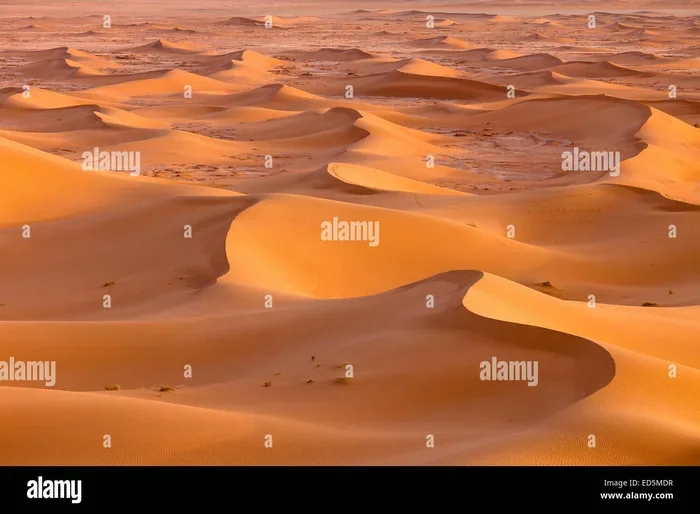
Imagine standing on top of a massive sand dune, with nothing but golden waves stretching in every direction. The sun dips low, painting the sky in shades of orange and pink. The only sound is the whisper of wind over sand. This is Erg Chegaga, and an 8 days tour from Marrakech to Erg Chegaga is your ticket to experiencing it.
Morocco is famous for its desert tours, but most travelers only see the well-trodden path to Erg Chebbi near Merzouga. The route to Erg Chegaga is different. It goes deeper. It feels wilder. Over eight days, you’ll cross mountains, visit ancient kasbahs, walk through palm oases, and finally reach dunes that rise like silent giants in the Sahara.
This guide will walk you through everything you need to know. From the route and highlights to practical tips and what to expect, consider this your complete roadmap for one of Morocco’s most rewarding adventures.
Key Takeaways
- Route Overview: The 8-day Marrakech to Erg Chegaga itinerary covers roughly 1,200 km through mountains, valleys, and desert.
- Why Erg Chegaga: These remote dunes reach 60 meters high and see far fewer visitors than Erg Chebbi.
- Camel Trekking: A camel ride at sunset is a signature experience of this desert tour.
- Cultural Encounters: You’ll visit Berber villages, ancient kasbahs, and traditional markets along the way.
- Best Travel Season: October to April offers the most comfortable temperatures for desert travel.
- What to Pack: Layered clothing, sun protection, and a sense of adventure are essential.
- Budget-Friendly: Multi-day tours often cost less than booking separate excursions.
📑 Table of Contents
- What Is the 8 Days Tour from Marrakech to Erg Chegaga?
- Why Choose Erg Chegaga Over Erg Chebbi?
- Day-by-Day Breakdown of the 8-Day Itinerary
- What Is Included in the 8-Day Tour?
- When Is the Best Time to Take This Tour?
- How to Prepare for Your 8-Day Desert Adventure
- The Cultural Side of Your Journey
- Common Questions About the 8-Day Marrakech to Erg Chegaga Tour
- Tips for Making the Most of Your 8 Days Tour
- Conclusion: Your Moroccan Desert Adventure Awaits
What Is the 8 Days Tour from Marrakech to Erg Chegaga?
The 8 days tour from Marrakech to Erg Chegaga is a guided overland journey through southern Morocco. It starts in the bustling imperial city of Marrakech and ends (or loops back) after exploring some of the country’s most spectacular landscapes. The star of the show is Erg Chegaga, a remote sand sea about 50 km from the village of M’Hamid El Ghizlane.
Unlike shorter trips that rush through the desert, this 8-day version lets you slow down. You’ll have time to hike, explore, and really absorb the culture. Think of it like reading a great book instead of just skimming the summary. The extra days mean deeper experiences, not just prettier photos.
Who Is This Tour For?
This trip is perfect for:
- Adventure seekers who want to escape the crowds.
- Culture lovers interested in Berber heritage and history.
- Photographers chasing dramatic desert light.
- Families and couples looking for a meaningful shared experience.
It’s not ideal if you have severe back problems (those camel rides can be bumpy!) or if you prefer air-conditioned resorts over tented camps. But if you’re open to simple comforts and big adventures, this tour is for you.
Where Exactly Is Erg Chegaga?
Erg Chegaga sits in the Sahara Desert, in the Zagora Province of Morocco. It’s about 560 km southeast of Marrakech. The dunes here cover roughly 40 km and reach heights of up to 60 meters (around 200 feet). Because it’s farther from main roads than Erg Chebbi, Erg Chegaga feels untouched. You can stand on a dune and see no buildings, no roads, just sand.
Did You Know? Erg Chegaga receives only about 5,000 visitors per year, while Erg Chebbi sees over 300,000. That means more peace, more stars, and more authentic desert experiences for you.
Why Choose Erg Chegaga Over Erg Chebbi?
This is a fair question. Both are stunning Saharan destinations, but they offer very different vibes.
Visual guide about Erg Chegaga desert dunes sunset
Image source: thumbs.dreamstime.com
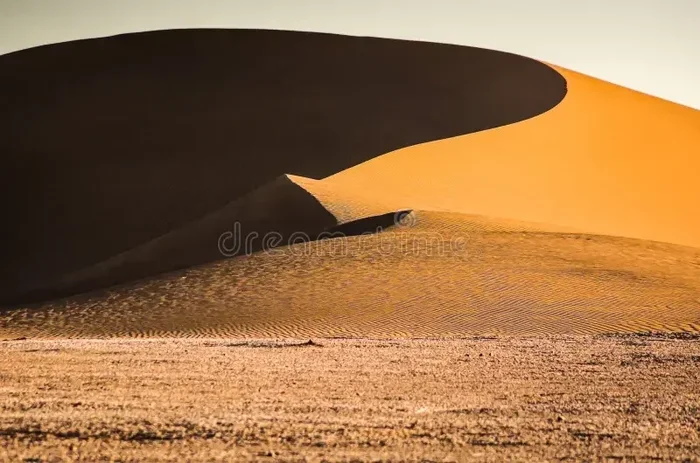
Think of it like choosing between a popular beach resort and a hidden cove. Erg Chebbi is closer to civilization, with luxury hotels literally at its base. It’s beautiful, but busy. Erg Chegaga, on the other hand, requires real effort to reach. The last 50 km are unpaved tracks through the desert. Once you arrive, you find basic Berber camps run by local nomadic families.
The Four Big Differences
1. Crowd Levels: Erg Chegaga feels empty in the best way. You might share a dune with only a handful of other travelers.
2. Authenticity: The camps here are simpler, the people more connected to traditional desert life.
3. Landscapes: The route to Erg Chegaga crosses more varied terrain, including the wild Draa Valley.
4. Adventure Factor: The unpaved access road adds an off-road thrill you won’t find at Erg Chebbi.
Did You Know? The word “erg” comes from the Arabic term for a large, flat area of sand in a desert. The Sahara has only a handful of true ergs, and Erg Chegaga is one of the largest in Morocco.
Day-by-Day Breakdown of the 8-Day Itinerary
While exact schedules vary by operator, here’s a typical 8 days tour from Marrakech to Erg Chegaga itinerary. I’ll break it down day by day so you know exactly what to expect.
Day 1: Marrakech to the High Atlas Mountains
Your adventure begins with an early morning departure from Marrakech. The first stop is the Tizi n’Tichka Pass, which climbs to 2,260 meters (7,400 feet) through the High Atlas Mountains. You’ll stop for photos at the top, where the winding road snakes through dramatic peaks.
Next, you’ll visit the UNESCO-listed Ait Benhaddou, a stunning fortified village that has appeared in films like Gladiator and Game of Thrones. After lunch in Ouarzazate (the “Hollywood of Africa”), the journey continues through the Skoura Oasis and the Rose Valley toward your first overnight stop in the Dadès or Todra Gorge area.
Day 2: Todra Gorge and the Road South
Morning brings a walk through Todra Gorge, where canyon walls rise 400 meters straight up. It’s one of Morocco’s most spectacular natural wonders. Rock climbers come from around the world to scale these cliffs.
From here, you head south toward the desert fringe. You’ll pass through Berber villages and stop in towns like Tinghir. The landscape slowly shifts from green oases to dry plains. Tonight’s accommodation is usually a simple hotel or riad in a desert gateway town.
Day 3: Entering the Draa Valley
Day three is all about the Draa Valley, Morocco’s longest river valley. It’s lined with millions of date palms, ancient kasbahs, and traditional villages. You’ll visit Zagora, a small desert town famous for its “Timbuktu 52 days” sign, a reminder of the historic caravan routes.
This is where the road starts to feel truly remote. Many travelers consider this the transition into the “real desert.” You’ll overnight in a kasbah-style hotel or guesthouse.
Day 4: Journey to M’Hamid and the Desert Edge
Today you reach M’Hamid El Ghizlane, the last village before the Sahara. It’s a tiny settlement of mud-brick buildings where paved roads end. From here, your 4×4 vehicle takes you off-road into the dunes.
The drive to Erg Chegaga takes about 2-3 hours, with stops at ancient caravan routes and small oasis settlements. By late afternoon, you’ll arrive at your desert camp, traditionally run by a local Berber family.
Day 5: Full Day in Erg Chegaga
This is the heart of your trip. Wake up to silence and sunrise over the dunes. After breakfast, many tours include a camel trek to explore the surrounding erg. You’ll visit small oases, climb dunes, and learn about nomadic life.
Evenings in Erg Chegaga are magical. After dinner, Berber musicians often play drums around a fire. The stars here are unreal, with no light pollution to dim them. You can see the Milky Way with your naked eye.
Did You Know? The Sahara Desert covers about 9.2 million square km, roughly the size of the United States. Yet only about 15% of it is sand. Erg Chegaga is part of that small sandy portion.
Day 6: Return to M’Hamid and the Draa Valley
After one last sunrise, you’ll travel back to M’Hamid by 4×4 or camel. From there, the journey retraces steps through the Draa Valley, with stops at villages and oases you might have missed on the way in.
Day 7: The Return Through the Mountains
The drive back to Marrakech is long but scenic. You’ll travel through the Anti-Atlas Mountains and the Draa Valley, stopping at traditional markets and ancient sites along the way. Many tours include a stop at a Berber market (if your dates align with market day) or a local women’s argan oil cooperative.
Day 8: Arrival Back in Marrakech
You arrive back in Marrakech by late afternoon, with plenty of time to explore the city’s famous medina, souks, and Jemaa el-Fnaa square. Many tours end with a transfer to your hotel or the airport.
What Is Included in the 8-Day Tour?
Understanding what’s included helps you budget and avoid surprises. Most reputable tour operators include:
Typical Inclusions
- Transportation: 4×4 vehicle or minivan with driver/guide for the entire trip.
- Accommodation: Mix of hotels, riads, kasbahs, and 1-2 nights in a desert camp.
- Meals: Breakfast and dinner daily (lunch is often on your own).
- Camel Trek: A camel ride to/from the desert camp.
- Activities: Guided walks, village visits, and cultural experiences.
- Pickup and Drop-off: From your Marrakech hotel or the airport.
What’s Usually Not Included
- Lunch: Budget around 10-15 euros per meal.
- Drinks: Especially alcohol, which is limited in Morocco.
- Tips: Tipping your driver/guide is customary (around 10-15 euros per day).
- Entrance Fees: Some monuments or kasbahs charge small fees.
- Personal Items: Souvenirs, snacks, and travel insurance.
When Is the Best Time to Take This Tour?
Timing matters a lot in the desert. Morocco’s desert climate swings from freezing winter nights to scorching summer days. Choosing the right season makes a huge difference in your comfort and enjoyment.
Best Months: October to April
These months offer the most pleasant weather. Daytime temperatures hover between 20-28°C (68-82°F), while nights cool down to a comfortable 5-10°C (41-50°F). This is the sweet spot for desert travel. You’ll avoid the extreme heat of summer and the freezing nights of midwinter.
Did You Know? In the Sahara, temperatures can vary by 30°C between day and night. Packing layers is not optional, it’s essential.
Shoulder Seasons: March-April and October-November
These months are ideal. Wildflowers sometimes bloom in the desert fringe in spring, and autumn brings clear skies and warm days. Book early if traveling in these months, as they’re popular.
Summer (May-September): Not Recommended
Summer temperatures in the Sahara regularly exceed 45°C (113°F). Sand can reach 60°C. Camel rides in this heat can be dangerous. Most operators don’t even offer tours during peak summer months.
Winter (December-February): Possible but Cold
Winter brings chilly nights, sometimes near freezing. But days are sunny and pleasant. Snow occasionally falls on the High Atlas passes, which can cause road closures.
How to Prepare for Your 8-Day Desert Adventure
Good preparation makes the difference between a great trip and a stressful one. Here’s what you need to know before you go.
What to Pack
Packing smart is crucial. You don’t need much, but you need the right things:
- Clothing: Light, long-sleeved shirts for sun protection, warm layers for cold desert nights, a windbreaker, and a scarf or shemagh for sand.
- Footwear: Closed-toe shoes for hiking and sandals for the camp.
- Sun Protection: High-SPF sunscreen, sunglasses, and a wide-brimmed hat.
- Health: Basic first aid kit, rehydration salts, and any personal medications.
- Tech: Camera, power bank (no electricity in the desert camp), and a flashlight.
- Extras: Wet wipes, hand sanitizer, and a reusable water bottle.
Health and Safety Tips
- Stay Hydrated: Drink water constantly, even if you don’t feel thirsty.
- Travel Insurance: Make sure it covers desert activities and medical evacuation.
- Respect Local Customs: Dress modestly in villages and ask before photographing people.
- Listen to Your Guide: They know the desert. Follow their advice on camel riding and dune climbing.
Choosing a Tour Operator
Not all tour companies are equal. Look for:
- Reviews: Check TripAdvisor and Google Reviews for honest feedback.
- Inclusion List: Make sure you know exactly what’s covered.
- Group Size: Smaller groups (4-8 people) offer a better experience.
- Local Ownership: Companies owned by Moroccans often give more authentic experiences.
- Flexibility: Good operators adapt to weather and group needs.
Did You Know? Marrakech’s medina is a UNESCO World Heritage Site and home to over 100,000 people living within its ancient walls. Most tours start by exploring this vibrant city before heading into the desert.
The Cultural Side of Your Journey
An 8 days tour from Marrakech to Erg Chegaga isn’t just about landscapes. It’s about people. The Berber (Amazigh) people have lived in these lands for thousands of years, long before Arab or French influences arrived. Their culture is woven into everything you’ll see.
Berber Villages and Daily Life
Along your route, you’ll stop in traditional villages where life moves at a different pace. You’ll see women weaving carpets, men working in oases, and children playing in dusty streets. If you’re lucky, you’ll be invited for mint tea, a symbol of Moroccan hospitality.
Music and Storytelling
Desert evenings often feature traditional Berber music, drums and songs passed down through generations. Storytelling is also huge here. Nomads have long shared tales around fires, and your guides may share stories of desert spirits, caravans, and ancient kings.
Food You’ll Encounter
Moroccan desert cuisine is simple but delicious:
- Tagine: Slow-cooked stews named after the clay pot they’re cooked in.
- Couscous: Especially on Fridays, Morocco’s traditional family meal day.
- Medfouna: A stuffed flatbread, sometimes called “Berber pizza.”
- Dates and Mint Tea: The classic desert welcome.
Common Questions About the 8-Day Marrakech to Erg Chegaga Tour
Even with all this information, you probably still have questions. Let me answer the most common ones.
Is the camel ride uncomfortable?
Honestly? A little. Camels are tall, and mounting them takes some effort. The ride itself is bumpy but not painful. Most people find it a fun, once-in-a-lifetime experience. If you have back problems, mention it to your guide. They can adjust the camel or offer a 4×4 alternative.
Are the desert camps safe?
Yes. Reputable camps are safe and well-organized. You’ll be with other travelers and guides. The biggest risks are sun exposure and dehydration, not security issues. Just use common sense and follow your guide’s instructions.
Can I do this tour solo?
Absolutely. Many operators run tours for solo travelers, often pairing you with other solo guests. Solo travelers often enjoy this trip even more, as it’s a chance to meet like-minded adventurers. Some operators charge a single supplement for private rooms, but shared options are usually available.
Do I need to speak Arabic or French?
Not necessarily. Your guide will speak English, and that’s usually enough. Learning a few Arabic or Berber phrases like “Salaam Alaikum” (hello) and “Shukran” (thank you) goes a long way in connecting with locals, though.
What if I’m afraid of camels?
No worries. You can usually skip the camel ride and travel by 4×4 to the camp. You’ll still get the desert experience, just with fewer camel photos.
How fit do I need to be?
Moderate fitness is enough. You don’t need to be an athlete, but you should be able to walk on sand and climb small dunes. If you have mobility issues, talk to your tour operator in advance. They can often adapt the experience.
Tips for Making the Most of Your 8 Days Tour
Here are some final tips to ensure your trip is everything you hope for.
Disconnect to Connect
Wi-Fi is rare in the desert. Embrace it. Use the chance to disconnect from social media and reconnect with the experience, your travel companions, and yourself.
Embrace the Unexpected
Sandstorms happen. Roads get bumpy. Plans change. The best travelers are the ones who roll with it. Some of the best memories come from unplanned moments, like a surprise invitation to a Berber wedding or a spontaneous drum circle.
Bring Small Gifts
If you visit remote villages, small gifts like pens, notebooks, or soccer balls are appreciated. Avoid giving money directly to children, as it encourages begging. Instead, support local businesses and guides.
Capture Memories, Not Just Photos
Take photos, but also take time to just look. The silence of the Sahara at night, the colors of a sunrise, the smile of a Berber elder, these are things no photo can fully capture.
Did You Know? Erg Chegaga was historically a stop for trans-Saharan caravans carrying gold, salt, and spices. The routes your tour follows have been used for over a thousand years.
Conclusion: Your Moroccan Desert Adventure Awaits
An 8 days tour from Marrakech to Erg Chegaga is more than a vacation. It’s a journey through time, culture, and some of the most stunning landscapes on Earth. From the snowy peaks of the Atlas Mountains to the silent sands of the Sahara, every day brings something new.
You’ll return home with sand still in your shoes, photos that don’t do justice to what you saw, and stories you’ll tell for years. The desert has a way of doing that to people. It strips away the noise and leaves you with what matters.
So, if you’re looking for a trip that’s equal parts adventure, culture, and natural beauty, look no further. Pack your bags, charge your camera, and get ready. The Sahara is calling, and Erg Chegaga is waiting.