
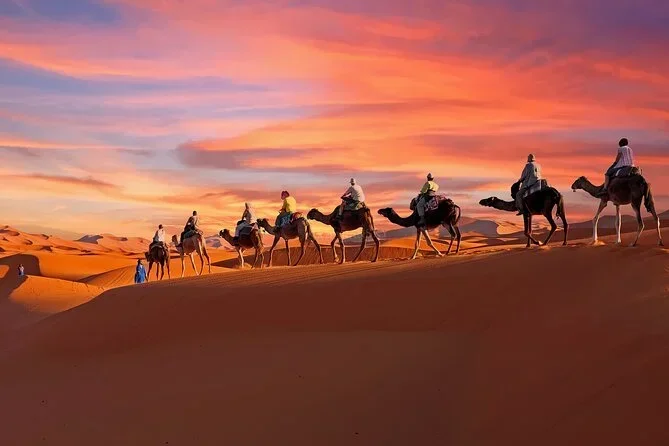
Featured image for Sahara desert camel sunset
Image source: media.tacdn.com
A 10 days tour from Marrakech to Zagora is the perfect way to experience Morocco’s diverse landscapes, from bustling souks to silent Sahara dunes. This extended itinerary allows travelers to journey through the Atlas Mountains, visit UNESCO World Heritage sites, explore Berber villages, and enjoy camel treks into the Erg Chigaga or Erg Chebbi dunes. With 10 days, you’ll have time to slow down, connect with local culture, and discover hidden gems most rushed tours miss.
Picture this: you’re sipping mint tea on a rooftop in Marrakech, the call to prayer echoing across the medina, and in ten days you’ll be sleeping under a blanket of stars in the Sahara Desert. Sounds magical, right? That’s exactly what a 10 days tour from Marrakech to Zagora promises.
Morocco is a country that feels like several countries in one. You’ve got snow-capped mountains, palm-lined valleys, ancient kasbahs, and endless dunes of orange sand. The challenge? Trying to see it all without spending your entire vacation in a tour van. That’s where the 10-day Marrakech to Zagora itinerary comes in. It gives you time to breathe, explore, and actually connect with the places you visit.
Did you know that Morocco welcomed over 17.4 million tourists in 2024, making it one of Africa’s top travel destinations? Many of these travelers follow similar routes through the south, and for good reason. The Marrakech-to-Zagora journey is often called “the classic southern loop” among experienced Morocco travelers. Let’s dive into everything you need to know to plan this adventure of a lifetime.
Key Takeaways
- 10 Days Is the Sweet Spot: Ten days gives you enough time to travel slowly from Marrakech to Zagora while exploring the Draa Valley, Sahara dunes, and mountain villages without feeling rushed.
- Zagora vs. Merzouga: While Merzouga is famous for its tall Erg Chebbi dunes, Zagora offers a quieter, more authentic desert experience with stunning Erg Chigaga dunes just two hours away.
- The Route Passes Through Five Distinct Regions: Your journey crosses the High Atlas, passes through Ouarzazate’s “Hollywood of Africa,” enters the Draa Valley, and reaches the Sahara.
- Best Travel Seasons Are Spring and Autumn: October through April offers pleasant temperatures, though summer nights in the desert can still be surprisingly cool.
- Budget Ranges From $800 to $2,500: Costs vary based on accommodation style, from basic riads to luxury desert camps with private bathrooms.
- Cultural Sensitivity Matters: Morocco is a Muslim country, so modest dress and respectful behavior in rural areas will earn you warm hospitality.
- This Route Is Highly Customizable: You can add Ait Ben Haddou, Todra Gorge, or even extend to the coast depending on your interests.
📑 Table of Contents
- What Exactly Is a 10 Days Tour from Marrakech to Zagora?
- The Classic Route Explained
- Who Should Take This Tour?
- When to Go: Timing Your Trip
- Where You Stay: Accommodation Breakdown
- How Much Does It Cost?
- What to Pack and Practical Tips
- Choosing the Right Tour Operator
- Why This Tour Is Worth Every Penny
What Exactly Is a 10 Days Tour from Marrakech to Zagora?
Think of this tour as a slow-motion slideshow of southern Morocco’s greatest hits. You start in the vibrant chaos of Marrakech and gradually make your way south through changing landscapes until you reach Zagora, a small desert town that serves as the gateway to the Sahara.
The 10-day format means you’re not just driving and snapping photos. You’ll have time for:
- Walking tours through ancient medinas
- Camel treks into the dunes at sunset
- Cooking classes with local Berber families
- Stargazing in the middle of the desert
- Swimming in hidden oases
- Browsing handwoven carpets in village cooperatives
Unlike shorter tours that rush from point A to point B, this extended version treats the journey itself as the destination. You’ll cover roughly 800 to 1,000 kilometers (about 500 to 620 miles) over the ten days, but the pace is gentle.
How This Differs From Shorter Tours
A typical 3-day tour from Marrakech to Zagora feels like a sprint. You spend most of your time driving and only get a quick taste of the desert. With 10 days, you’re savoring each region like a fine meal. The Atlas Mountains aren’t just a drive-through. The Draa Valley isn’t just a blur of palm trees. You actually get to experience them.
The Classic Route Explained
Most 10-day Marrakech to Zagora tours follow a similar path, though exact stops vary by operator. Here’s the general flow:
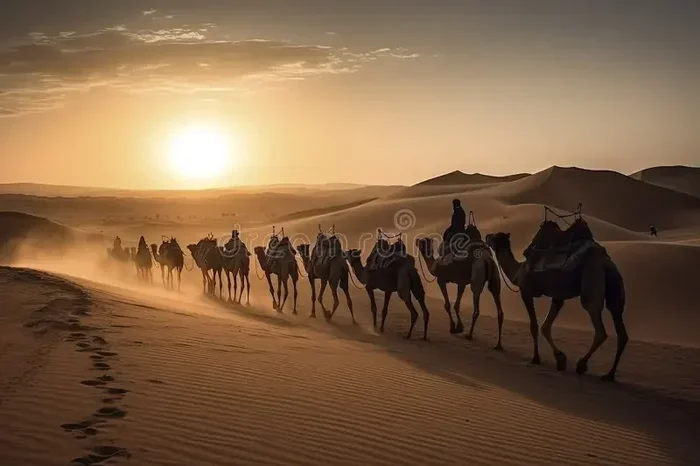
Visual guide about Sahara desert camel sunset
Image source: thumbs.dreamstime.com
Day 1-2: Exploring Marrakech
You arrive in the “Red City” and spend your first day or two getting oriented. Marrakech is overwhelming in the best way possible. The medina is a UNESCO World Heritage Site filled with snake charmers, spice vendors, and artisans who’ve practiced their crafts for generations.
Must-see spots include:
- Jemaa el-Fnaa: The famous main square that transforms into a food court and performance venue at night
- Koutoubia Mosque: Marrakech’s most iconic landmark with its 12th-century minaret
- Bahia Palace: A stunning 19th-century palace with intricate tilework
- Majorelle Garden: A peaceful blue garden created by French painter Jacques Majorelle
- Saadian Tombs: Hidden royal tombs from the 1500s
Pro tip: Get lost in the souks on purpose. The real magic happens in the narrow alleys where locals live and work.
Day 3: Crossing the High Atlas via Tizi n’Tichka Pass
This is where the adventure really begins. You’ll drive over the Tizi n’Tichka mountain pass, which sits at 2,260 meters (about 7,400 feet) above sea level. The road winds through stunning landscapes, and on clear days, you can see for miles.
Along the way, you’ll pass through Berber villages where life hasn’t changed much in centuries. Imagine it like driving through a postcard, except people actually live in those beautiful mud-brick houses.
Day 4: Ait Ben Haddou and Ouarzazate
Ait Ben Haddou is a fortified village (or ksar) that looks straight out of a movie set. In fact, it literally is a movie set. Films like “Gladiator,” “Lawrence of Arabia,” and the TV series “Game of Thrones” were all filmed here. It’s a UNESCO World Heritage Site and one of Morocco’s most photographed locations.
Nearby Ouarzazate is nicknamed the “Hollywood of Africa” because of its massive film studios. You can tour Atlas Studios, where scenes from countless blockbusters were shot.
Day 5-6: The Draa Valley
The Draa Valley is a 200-kilometer ribbon of palm trees, kasbahs, and small villages stretching toward the desert. It’s like the Nile Valley of Morocco. You’ll visit places like Agdz, Tamegroute, and various Berber villages where dates are grown and pottery is made.
This region is also home to the world’s largest concentration of date palms. Over 20 million of them line the valley.
Day 7-8: The Sahara Desert Experience
Here’s the highlight most travelers dream about. From Zagora, you’ll take a camel trek into the Erg Chigaga dunes, which rise up to 50 meters (about 165 feet) high. These dunes are less touristy than the famous Erg Chebbi near Merzouga, giving you a more authentic experience.
Your desert camp includes:
- A traditional Berber dinner under the stars
- Berber music around a campfire
- Overnight in a nomad-style tent
- Sunrise over the dunes (don’t sleep in for this!)
The silence in the desert is something you have to experience to understand. It’s not empty silence. It’s full silence, if that makes sense.
Day 9-10: Return Journey
You can either return to Marrakech via the same route or take a circular route through different landscapes. Some tours add stops at Todra Gorge (a massive canyon with 400-meter walls) or the Dades Valley (known for its “monkey fingers” rock formations).
Who Should Take This Tour?
The 10 days tour from Marrakech to Zagora appeals to a wide range of travelers, but it’s particularly perfect for certain types.
Slow Travelers and Culture Lovers
If you’re the kind of person who hates rushed itineraries and wants to actually understand a place, this tour is for you. Ten days gives you time to chat with shopkeepers, learn a few words of Arabic or Berber, and watch how locals live.
Photography Enthusiasts
Morocco’s southern regions are a photographer’s paradise. The light is incredible, especially during the golden hours. From the geometric patterns of zellige tiles to the endless curves of sand dunes, you’ll fill your camera roll in no time.
Adventure Seekers
Camel trekking, hiking through gorges, sandboarding down dunes, and 4×4 adventures through desert terrain make this trip ideal for active travelers.
Families With Older Children
Families with kids aged 8 and up often find this tour manageable and memorable. The variety keeps children engaged, and the camel trek is usually a highlight for younger travelers.
Not Ideal For
If you have serious mobility issues, some parts of this tour can be challenging. The medinas have uneven cobblestones, and getting on a camel requires some flexibility. Also, if you’re strictly limited to 5 days, this isn’t the right tour for you.
When to Go: Timing Your Trip
Timing matters a lot for this tour. Morocco’s southern desert regions can be brutally hot in summer and surprisingly cold at night in winter.
The Best Seasons
Spring (March to May) and Autumn (September to November) are considered the best times to visit. Temperatures are pleasant, ranging from 20 to 30°C (68 to 86°F) during the day.
Summer Considerations
Summer temperatures in Zagora can hit 45°C (113°F). While desert camps are cooler than the cities, daytime activities can be exhausting. If you must travel in summer, plan activities for early morning and late afternoon.
Winter Magic
Winter (December to February) brings cooler days (around 15-20°C or 59-68°F) and cold desert nights. Snow occasionally falls on the Atlas Mountains, creating stunning photo opportunities. Some desert camps provide extra blankets and heaters.
Ramadan Considerations
If your tour coincides with Ramadan, some restaurants and shops may have limited hours during the day. However, evenings come alive with special meals and celebrations. Just be respectful by avoiding eating or drinking in public during daylight hours.
Where You Stay: Accommodation Breakdown
One of the best parts of a 10-day tour is the variety of places you sleep. Here’s what to expect:
Riads in the Cities
Traditional Moroccan guesthouses called “riads” are everywhere. These beautiful old homes are built around interior courtyards, often featuring mosaic tilework, fountains, and rooftop terraces. Even budget riads offer charm, while luxury ones can rival five-star hotels.
Kasbah Hotels
In the Draa Valley and Ouarzazate region, you’ll stay in hotels built like traditional kasbahs (fortified houses). These often have pools, gardens, and stunning desert views.
Desert Camps
Your Sahara night can range from basic to luxurious:
- Standard Camps: Shared bathrooms, communal dining, basic tents with mattresses
- Mid-Range Camps: Private tent bathrooms, traditional music performances, better meals
- Luxury Camps: Private tents with en-suite bathrooms, plush beds, gourmet dining, and even private balconies
Did you know that luxury desert camps in Morocco have become so popular that some now offer private plunge pools and spa services in the middle of the Sahara? It’s glamping taken to a whole new level.
How Much Does It Cost?
Tour prices vary widely based on accommodation style, group size, and what’s included.
Budget Option ($800-$1,200 per person)
You get basic but clean riads, standard desert camp, shared transportation in a small group, and most meals included.
Mid-Range Option ($1,200-$1,800 per person)
This typically includes comfortable riads with pools, upgraded desert camp with private bathroom, smaller group sizes, and more inclusions like cooking classes.
Luxury Option ($1,800-$2,500+ per person)
Private tours with luxury accommodations, premium desert camps, private 4×4 vehicles, and personalized experiences throughout.
What’s Usually Included
- Transportation in air-conditioned vehicle
- English-speaking driver/guide
- Accommodation as per itinerary
- Daily breakfast and most dinners
- Camel trek
- Some entrance fees
What’s Not Usually Included
- International flights
- Travel insurance
- Lunches (usually $8-$15 per meal)
- Drinks and personal shopping
- Tips for guides and drivers (budget $5-$10 per day)
What to Pack and Practical Tips
Packing smart makes a huge difference on this tour. Here’s the practical advice most guides won’t tell you until you’re already sweating in the wrong shoes.
Clothing Essentials
- Modest, breathable clothing: Cover shoulders and knees, especially in rural areas
- Layers: Desert temperatures swing 20°C+ between day and night
- Comfortable walking shoes: For medina exploration
- Sandals or easy-off shoes: For mosques and carpet shopping
- Scarf or shemagh: Protects from sun and dust
- Warm jacket: Even in spring, desert nights get cold
Other Must-Haves
- Sunscreen (SPF 50+)
- Sunglasses
- Headlamp for the desert camp
- Power bank
- Universal adapter (Morocco uses Type C and E plugs)
- Reusable water bottle
- Hand sanitizer and wet wipes
- Basic first aid kit
Cultural Etiquette Tips
- Always ask before photographing people
- Use your right hand for greetings and eating
- Dress modestly, especially in smaller towns
- Remove shoes when entering homes or mosques
- Learn basic Arabic greetings like “Salam alaikum” (peace be upon you)
- Bargain politely in souks, but don’t haggle over a few dirhams
Health and Safety
Morocco is generally very safe for tourists. Petty crime exists but is uncommon in tour settings. The main health concerns are:
- Sunburn and dehydration (drink lots of water)
- Upset stomach from new foods (eat cooked dishes and bottled water)
- Sand irritation (bring eye drops)
Pharmacies are common in cities, and most medications are available without prescription.
Choosing the Right Tour Operator
Not all tour companies are created equal. Here’s how to spot a good one.
What to Look For
- Reviews: Check TripAdvisor, Google Reviews, and travel forums
- Transparency: Clear pricing with no hidden fees
- Customization: Willingness to adjust itinerary to your interests
- Licensed: Official Morocco tourism license
- Insurance: Properly insured vehicles and operations
- Local Knowledge: Guides born and raised in the region
Red Flags
- Prices that seem too good to be true
- Vague itineraries with few specifics
- No physical office or contact information
- Pressure to pay full amount upfront
- No reviews or only generic testimonials
Booking Tips
Book 2-3 months in advance for spring and autumn travel. Shoulder seasons allow more flexibility. Always get everything in writing, including cancellation policies. Consider purchasing travel insurance that covers trip cancellation.
Why This Tour Is Worth Every Penny
After ten days of crossing mountains, exploring valleys, and sleeping under desert stars, you’ll understand why Morocco captures hearts so completely. It’s not just the sights, though those are stunning. It’s the feeling of being somewhere truly different, where ancient traditions still pulse through daily life.
The 10 days tour from Marrakech to Zagora gives you something rare in modern travel: the luxury of time. Time to sit with a guide and hear stories about growing up in the Atlas Mountains. Time to learn how to pour mint tea from a height (it’s an art form). Time to watch the sunrise paint the dunes gold, knowing you have nowhere else to be.
You’ll leave Morocco with sand still in your shoes and memories that last forever. You’ll understand why travelers have been falling in love with this route for centuries, from ancient caravans crossing the Sahara to modern explorers like you.
So pack your bags, charge your camera, and get ready for the adventure of a lifetime. The Sahara is waiting.
Frequently Asked Questions
Is 10 days enough for the Marrakech to Zagora tour?
Yes, 10 days is actually the ideal length for this journey. It gives you enough time to explore Marrakech properly, cross the Atlas Mountains, visit Ait Ben Haddou, travel through the Draa Valley, and enjoy 1-2 nights in the Sahara without feeling rushed. Shorter tours miss many cultural experiences, while longer tours may include unnecessary stops.
What’s the difference between Zagora and Merzouga?
Zagora is a small desert town that serves as the gateway to Erg Chigaga, a stunning dune sea about 2 hours away. Merzouga is closer to the famous Erg Chebbi dunes, which are taller and more visited. Zagora offers a quieter, more off-the-beaten-path experience, while Merzouga has more infrastructure and tourist services. Both are spectacular in their own way.
Do I need to be fit for this tour?
Moderate fitness is helpful but not essential. The main physical challenges include walking on uneven cobblestones in medinas, climbing dunes, and mounting/dismounting camels. Most activities can be modified for different fitness levels. If you have serious mobility issues, discuss them with your tour operator in advance so they can accommodate your needs.
Is it safe to travel to Zagora and the Sahara?
Yes, the Marrakech to Zagora route is very safe for tourists. The Moroccan government has invested heavily in tourist security, and incidents involving visitors are rare. The main concerns are petty theft in crowded areas and typical travel issues like sunburn and dehydration. Traveling with a reputable tour operator adds an extra layer of safety and convenience.
What kind of meals can I expect on the tour?
Moroccan cuisine is delicious and varied. Typical meals include tagine (slow-cooked stew with meat and vegetables), couscous (especially on Fridays), harira (hearty tomato-based soup), fresh salads, and mint tea. Most tours include breakfast and dinner, while lunches are often at local restaurants along the route. Vegetarian options are widely available, and halal is the standard.
Can I customize the standard 10-day itinerary?
Absolutely. Most tour operators offer customizable itineraries based on your interests. Common additions include Todra Gorge, the Dades Valley, Essaouira on the coast, or extra nights in the desert. Private tours offer the most flexibility. Discuss your preferences with your operator before booking, and they’ll tailor the route to match your interests and pace.