Featured image for Sahara Desert Camel Sunset
Image source: static.vecteezy.com
An 11-day tour from Marrakech to the Sahara Desert is the ultimate way to experience Morocco’s diverse landscapes and rich culture. This extended journey takes you through the Atlas Mountains, ancient kasbahs, vibrant souks, and stunning desert dunes. You’ll ride camels into Erg Chebbi, sleep in a traditional Berber camp, and explore UNESCO World Heritage sites along the way. This comprehensive guide covers everything you need to know to plan your perfect Moroccan adventure.
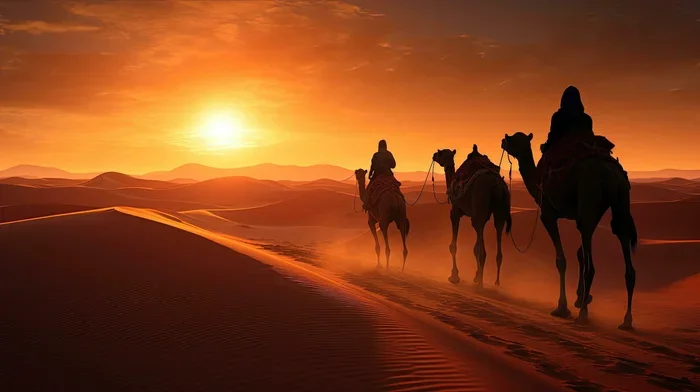
Picture this: you’re sitting atop a gentle camel, watching the sun set over endless golden dunes. The sky turns brilliant shades of orange and pink. Around you, nothing but silence and sand stretching to the horizon. This isn’t a dream. This is day eight of an unforgettable 11-day tour from Marrakech to the Sahara Desert.
Morocco is a country that captures hearts and imaginations. From the bustling medinas of Marrakech to the towering peaks of the Atlas Mountains, every day brings something new. But the real magic happens when you reach the Sahara. It’s a place that changes you. The vast emptiness, the star-filled skies, and the warm hospitality of the Berber people create memories that last a lifetime.
An 11-day tour gives you something shorter trips can’t: time. Time to wander through ancient medinas without rushing. Time to share mint tea with a local family in a remote village. Time to watch the desert light change from gold to crimson to deep purple. In this guide, we’ll walk you through everything you need to know about this incredible journey. We’ll cover the route, the highlights, what to pack, and how to choose the right tour operator. Let’s get started.
Key Takeaways
- Duration & Depth: An 11-day tour allows you to explore Morocco beyond just the desert, including imperial cities, mountain villages, and coastal areas.
- Sahara Highlights: The tour culminates in Erg Chebbi or Erg Chigaga, where you’ll ride camels and spend nights under the desert stars.
- Cultural Immersion: You’ll visit authentic Berber villages, explore UNESCO sites like Ait Ben Haddou, and experience traditional Moroccan hospitality.
- Best Time to Go: October through April offers the most comfortable temperatures for desert exploration.
- What to Pack: Layered clothing, sunscreen, and a sense of adventure are essential for this diverse climate journey.
- Budget Considerations: Tours range from $1,000-$2,500 per person depending on accommodation levels and inclusions.
- Physical Requirements: Moderate fitness is needed for camel rides and walking on uneven terrain, but no extreme hiking is required.
📑 Table of Contents
- What Is an 11-Day Marrakech to Sahara Desert Tour?
- Who Should Take This Tour and Why?
- When Is the Best Time to Go?
- Where Does the Tour Go? Day-by-Day Breakdown
- How to Choose the Right Tour Operator
- What to Pack and Practical Tips
- Budgeting for Your 11-Day Adventure
- Final Thoughts: Your Moroccan Adventure Awaits
What Is an 11-Day Marrakech to Sahara Desert Tour?
An 11-day tour from Marrakech to the Sahara Desert is a comprehensive overland journey through Morocco’s most spectacular regions. Think of it as a greatest hits album of Moroccan experiences. You start in the vibrant red city of Marrakech and travel through a series of landscapes that seem to belong to different planets entirely.
The Route Overview
The classic route follows a clockwise path from Marrakech. You cross the High Atlas Mountains via the stunning Tizi n’Tichka pass. Then you visit famous kasbahs like Ait Ben Haddou. The journey continues through the Rose Valley, Todra Gorge, and finally reaches the mighty Sahara dunes. After desert adventures, you often loop back through different terrain, including possibly the Draa Valley, anti-Atlas mountains, and the Atlantic coast before returning to Marrakech.
Here’s a simple way to think about it: imagine Morocco as a layer cake. The bottom layer is the bustling city culture of Marrakech. The middle layer is the green valleys and dramatic gorges. The top layer is the golden desert. An 11-day tour lets you taste every single layer.
What Makes It Different from Shorter Tours?
You might wonder why 11 days instead of 3 or 4. The answer is simple: depth. A shorter tour rushes you from highlight to highlight. You snap photos and move on. An 11-day tour, however, breathes. You have time for spontaneous detours. You can linger at a scenic viewpoint. You can spend an afternoon haggling in a medina without worrying about the bus leaving without you.
Did you know that the Sahara Desert covers approximately 3.6 million square miles across multiple African countries? The portion you’ll visit in Morocco is just a tiny slice, but it’s arguably the most beautiful part, with dunes reaching heights of 150 meters (nearly 500 feet) in places like Erg Chebbi.
Who Should Take This Tour and Why?
This tour isn’t just for one type of traveler. It’s designed to appeal to a wide range of people seeking authentic Moroccan experiences.
Visual guide about Sahara Desert Camel Sunset
Image source: thumbs.dreamstime.com
The Perfect Travelers for This Journey
- Culture enthusiasts who want to understand Berber traditions and Moroccan history beyond surface-level tourism
- Photography lovers seeking diverse landscapes from snow-capped mountains to rolling dunes
- Adventure seekers who want camel trekking, sandboarding, and off-the-beaten-path exploration
- Slow travel advocates who believe the journey matters as much as the destination
- Families with older children looking for an educational and memorable vacation
- Couples and honeymooners wanting romantic desert sunsets and starlit dinners
Why 11 Days Is the Sweet Spot
Three days is a sprint. Seven days is a jog. Eleven days is a thoughtful walk where you can actually enjoy the scenery. Industry experts and seasoned Morocco travelers consistently rate tours of 10-14 days as the ideal length. You get enough time to truly immerse yourself without the trip feeling repetitive or exhausting.
Think of it like reading a great novel versus skimming a summary. The novel takes longer, but you get to know the characters, understand the plot twists, and feel emotionally connected to the story. That’s what 11 days in Morocco offers: a full story, not just an outline.
When Is the Best Time to Go?
Timing can make or break your Sahara experience. Let’s break down the seasons so you can choose wisely.
Peak Season: October to April
The cooler months from October through April are widely considered the best time for desert travel. Daytime temperatures in the Sahara are pleasant, ranging from 20-25°C (68-77°F). Nights can be cold, dropping to near freezing in winter, but that’s part of the charm. You bundle up in blankets provided by your camp and gaze at stars that seem close enough to touch.
Spring (March-April) and autumn (October-November) are particularly magical. The weather is warm but not scorching. The skies are clear. The landscapes are at their most photogenic. However, these are also the busiest months, so book early.
Shoulder Season: May and September
May and September are transition months. Temperatures are rising or falling, and crowds are thinner. You might encounter some heat in the desert, but it’s manageable. These months offer a good balance of decent weather and fewer tourists.
Avoid: June to August
Summer in the Sahara is brutal. Temperatures regularly exceed 45°C (113°F). Sandstorms are more common. While some budget travelers come during this time for lower prices, most tour operators actually suspend their standard itineraries or shift departure times to avoid the worst heat. If you must travel in summer, stick to northern Morocco and the mountains.
Ramadan Considerations
If your travel dates overlap with Ramadan (dates vary yearly), don’t worry. Tours still operate. You’ll experience the unique atmosphere of cities after sunset when everyone breaks their fast. Just be respectful: avoid eating or drinking in public during daylight hours, and dress modestly.
Where Does the Tour Go? Day-by-Day Breakdown
While exact itineraries vary by operator, here’s a typical 11-day route that showcases Morocco’s best. This gives you a clear picture of what to expect.
Days 1-2: Discovering Marrakech
Your adventure begins in Marrakech, Morocco’s fourth-largest city and arguably its most captivating. You’ll explore the medina, a UNESCO World Heritage Site. The famous Jemaa el-Fnaa square comes alive at night with storytellers, musicians, and food stalls. Visit the stunning Bahia Palace, the Saadian Tombs, and the lush Majorelle Garden. Get lost in the souks where every alley offers something new: colorful spices, handwoven carpets, gleaming lanterns, and leather goods.
Day 3: Crossing the Atlas Mountains
Day three takes you over the High Atlas Mountains via the Tizi n’Tichka pass, which rises to 2,260 meters (7,415 feet). The winding road offers breathtaking views of Berber villages clinging to hillsides. You’ll stop at a local argan oil cooperative where women demonstrate how they process the nuts by hand. This is real Morocco, far from the tourist trail.
Day 4: Ait Ben Haddou and Ouarzazate
Today you visit Ksar Ait Ben Haddou, a magnificent fortified village that’s been the backdrop for movies like Gladiator and Game of Thrones. Then continue to Ouarzazate, known as the “Hollywood of Africa” for its film studios. You might also explore the Todra Gorge or Dades Valley, depending on your specific itinerary.
Days 5-6: Gorges and Valleys
The journey continues through dramatic landscapes. You’ll walk through Todra Gorge, where canyon walls rise 400 meters (1,300 feet) on either side. The Dades Valley offers surreal rock formations called “monkey fingers.” You’ll spend nights in charming riads and kasbahs along the way, enjoying traditional Moroccan cuisine.
Day 7: Arrival at the Sahara
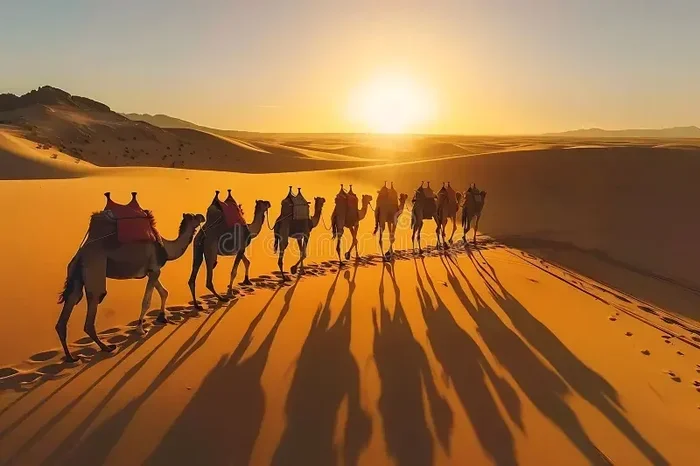
This is the day everything builds toward. You reach Merzouga or M’Hamid, the gateways to the Sahara. Here, you meet your camel caravan. The ride into Erg Chebbi or Erg Chigaga takes about 90 minutes. As you sway gently atop your camel, watching the dunes grow larger, excitement builds. You’ll arrive at your desert camp just in time for sunset, a spectacle that will leave you speechless.
Days 8-9: Deep Desert Experience
You have two full days to soak in the Sahara. Some tours include sandboarding down the dunes, quad biking adventures, or visits to nomadic families. Evenings feature Berber music around a campfire, traditional tagine dinners, and stargazing that’s impossible in city environments. The Milky Way stretches overhead like spilled diamonds. You sleep in traditional nomad tents or under the open sky.
Days 10-11: Return to Marrakech
The return journey often takes a different route, showing you new scenery. You might pass through the Draa Valley with its millions of date palms, or stop in the anti-Atlas town of Taroudant, often called “little Marrakech” without the crowds. Some itineraries include a visit to Essaouira, a breezy coastal town on the Atlantic, before returning to Marrakech.
How to Choose the Right Tour Operator
The operator you choose dramatically impacts your experience. Here’s how to separate the best from the rest.
Look for These Credentials
- Licensed and insured: Reputable companies are registered with Morocco’s tourism ministry. Don’t be shy about asking for license numbers.
- Local expertise: Companies based in Morocco with experienced guides know the terrain, weather patterns, and hidden gems.
- Small group sizes: Look for tours limited to 12-15 people maximum. Larger groups mean less flexibility and more time waiting.
- Transparent pricing: The quote should clearly state what’s included: accommodation, meals, transport, activities, and guide fees.
- Genuine reviews: Check independent review platforms like TripAdvisor and Trustpilot, not just testimonials on the company’s website.
Questions to Ask Before Booking
Before you commit, ask these important questions: What’s the exact itinerary? How many people are in the group? What type of vehicle is used? Are entrance fees to monuments included? What’s the cancellation policy? Can they accommodate dietary restrictions? Do they have insurance? The answers will tell you everything you need to know about a company’s professionalism.
Red Flags to Avoid
Be wary of prices that seem too good to be true. If a tour is significantly cheaper than competitors, something is being cut: maybe accommodation quality, meals, or vehicle comfort. Also avoid operators who pressure you to book immediately or who don’t have a physical office you can visit or call.
Did you know that Morocco’s tourism sector employs over 500,000 people directly? Choosing a reputable, locally-owned company ensures your money supports local families and communities rather than international corporations.
What to Pack and Practical Tips
Smart packing makes the difference between a good trip and a great one. Here’s your comprehensive checklist.
Clothing Essentials
- Layers are key: Mornings can be cold in the desert, afternoons hot. Pack t-shirts, a fleece or sweater, and a windproof jacket.
- Modest clothing: While Morocco is relatively liberal, covering shoulders and knees shows respect, especially in rural areas.
- Comfortable walking shoes: You’ll be on uneven terrain, cobblestone medinas, and soft sand.
- Scarf or shemagh: Protects from sun and sand during camel rides. Your guide can show you how to wrap it like a local.
- Swimwear: Some riads have pools, and Essaouira has beaches if your itinerary includes it.
Health and Safety Items
- Sunscreen (SPF 30+): The desert sun is intense even in winter.
- Lip balm and moisturizer: The dry air will chap your lips quickly.
- Basic first aid kit: Band-aids, pain relievers, anti-diarrheal medication, and any personal prescriptions.
- Hand sanitizer and wet wipes: You’ll appreciate these in remote areas.
- Reusable water bottle: Stay hydrated. Your guide will show you where to refill with safe water.
Tech and Documents
- Passport with 6+ months validity: Required for entry.
- Travel insurance: Non-negotiable. Ensure it covers adventure activities.
- Camera with extra batteries and memory cards: You’ll shoot hundreds of photos.
- Universal adapter: Morocco uses Type C and E plugs.
- Portable charger: Power outlets aren’t always available in remote areas.
Cultural Etiquette Tips
Morocco is a Muslim country with conservative values in rural areas. A few simple gestures go a long way: always ask before photographing people. Use your right hand for eating and greeting. Remove shoes when entering homes or mosques. Dress modestly, especially women. Learn a few Arabic or Berber phrases like “salaam alaikum” (peace be upon you). Locals appreciate the effort immensely.
Money Matters
The Moroccan currency is the dirham (MAD). Credit cards are accepted in cities and tourist areas but not in remote villages or small shops. Bring cash in small denominations. ATMs are available in cities. Tipping is customary: budget around 10-15% for guides and restaurant staff, and small amounts for hotel housekeeping.
Budgeting for Your 11-Day Adventure
Let’s talk numbers. Understanding costs helps you plan realistically and avoid surprises.
Tour Package Costs
Tour prices vary widely based on accommodation levels and what’s included. Budget tours start around $1,000 per person. Mid-range tours typically run $1,500-$2,000. Luxury experiences can exceed $2,500 per person. These prices usually include transportation, guide, accommodation, breakfast and dinner daily, and camel trek. They typically exclude flights, lunches, drinks, tips, entrance fees, and personal expenses.
Additional Expenses to Budget
Plan for roughly $200-$400 in extra spending money. This covers souvenirs (Morocco has amazing crafts), entrance fees (typically $1-3 per site), lunches (around $10-15 per meal), drinks, and tips. Shopping in the souks is part of the experience. Handmade carpets, leather bags, and spices make wonderful gifts and mementos.
Money-Saving Strategies
- Travel in shoulder season: Prices drop slightly in May and September.
- Book directly with local operators: Avoid international booking platforms that add commissions.
- Group tours: Sharing transport and guide costs with others saves money.
- Eat where locals eat: Small restaurants away from tourist areas offer authentic food at lower prices.
- Bargain respectfully: Haggling is expected in souks, but always with a smile.
Final Thoughts: Your Moroccan Adventure Awaits
An 11-day tour from Marrakech to the Sahara Desert is more than a vacation. It’s a journey through one of the world’s most fascinating countries. You’ll witness landscapes that seem impossible: snow on mountains, palm-filled valleys, and endless dunes. You’ll meet people whose warmth and hospitality will surprise you. You’ll taste tagines cooked slowly over coals, sip mint tea sweetened with conversation, and fall asleep under stars so bright they cast shadows.
Morocco has a way of staying with you long after you’ve returned home. The call to prayer echoing through medina alleys. The rhythmic sway of a camel. The silence of the desert at dawn. These moments become part of you.
Whether you’re a solo traveler seeking adventure, a couple looking for romance, or a family wanting to broaden your children’s horizons, this journey delivers. Book with a reputable operator. Pack thoughtfully. Come with an open heart. The Sahara is waiting.
Your camel is saddled. The dunes are calling. All you have to do is say yes to adventure.
Frequently Asked Questions
How much does an 11-day tour from Marrakech to the Sahara Desert cost?
Tour prices range from $1,000 to $2,500 per person depending on accommodation quality and inclusions. Budget tours use simpler hotels and shared transport, while luxury tours include premium riads and private guides. The price typically covers accommodation, breakfast and dinner daily, transportation, guide fees, and the camel trek to the desert camp.
Is the camel ride in the Sahara safe for beginners?
Yes, absolutely. Camels are gentle animals and well-trained for tourists. The ride into Erg Chebbi or Erg Chigaga is slow and scenic, taking about 90 minutes. Your guide will teach you how to mount and dismount safely. If you have back problems or are pregnant, mention this beforehand so alternatives can be arranged, such as 4×4 transfer to the camp.
What should I wear for the camel ride and desert camp?
Wear comfortable, loose-fitting clothes that cover your shoulders and knees for sun protection and cultural respect. Long pants and a long-sleeved shirt are ideal. Pack a warm layer for evenings, as desert temperatures drop significantly after sunset. A scarf or shemagh protects your face from sun and sand. Avoid white clothing that shows sand stains easily.
Can I do this tour with children or older family members?
Yes, this tour is family-friendly for children aged 8 and above. Older travelers also enjoy it, though they should be reasonably mobile for getting on and off camels and walking on uneven terrain. Inform your tour operator of any special needs in advance so they can adjust the pace. Many operators provide extra camels, comfortable vehicles, and accessible accommodations.
Do I need travel insurance for this tour?
Yes, travel insurance is strongly recommended. Your policy should cover medical emergencies, trip cancellation, and adventure activities like camel trekking. Ensure it includes emergency evacuation coverage, as some remote desert areas are far from major hospitals. Keep digital copies of your insurance documents and emergency contacts accessible during your trip.
Will I have phone signal and internet access in the desert?
Cell phone signal is available in most towns along the route, including Merzouga and M’Hamid. However, signal weakens or disappears in deep desert areas. Wi-Fi is available in riads and hotels but usually not in desert camps. Consider this a digital detox opportunity. If staying connected is essential, purchase a local SIM card with data upon arrival in Marrakech.