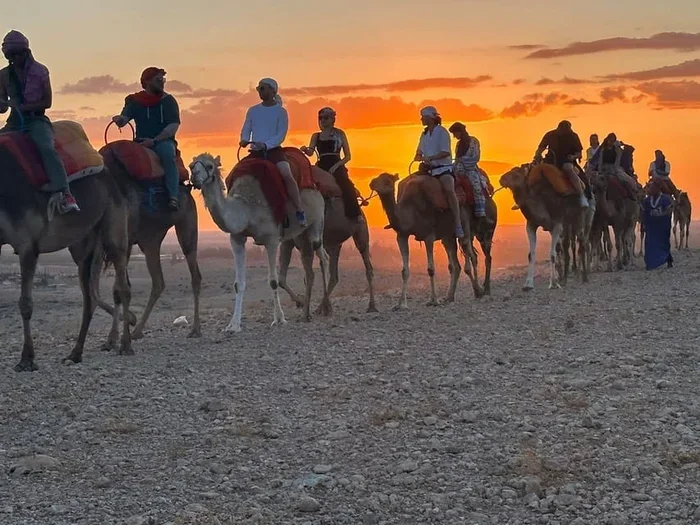
Featured image for Marrakech desert camel sunset
Image source: cdn.getyourguide.com
The Tour 8 Dias Desde Marrakech a Erg Chebbi is an unforgettable 8-day journey through Morocco’s most stunning landscapes, from the vibrant souks of Marrakech to the towering golden dunes of Erg Chebbi. Travelers experience the Atlas Mountains, ancient kasbahs, lush oases, and traditional Berber villages along the way. This tour blends culture, adventure, and authentic desert hospitality, making it the perfect choice for anyone seeking a complete Moroccan immersion.
Marrakech buzzes with life. Snake charmers, spice sellers, and motorbikes weave through Jemaa el-Fnaa square while the call to prayer echoes across the medina rooftops. But beyond the city’s chaos lies something far more ancient and breathtaking: the Sahara Desert.
An 8-day tour from Marrakech to Erg Chebbi is not just a trip. Think of it as a slow, soul-stirring journey through Morocco’s beating heart. You leave the imperial city’s red walls behind, climb over snow-capped Atlas passes, wander through cinematic kasbahs, and end up watching the sun melt into the Sahara dunes. Each day unfolds like a new chapter in a story you won’t want to put down.
Did you know? Erg Chebbi’s dunes can reach 150 meters high, nearly the height of the Washington Monument. Yet the Sahara covers only about 15% of Morocco’s land area, making this desert experience rare and concentrated. This tour packages the very best of southern Morocco into one epic route.
Key Takeaways
- Duration and Route: The 8-day Marrakech to Erg Chebbi tour covers roughly 1,200 km, crossing mountains, valleys, and desert terrain.
- Must-See Highlights: Key stops include Aït Benhaddou, Todra Gorge, Merzouga dunes, and the Draa Valley.
- Cultural Depth: Travelers stay in riads, kasbahs, and Berber desert camps, experiencing local life firsthand.
- Adventure Options: Camel treks, 4×4 desert excursions, and sandboarding add thrill to the journey.
- Best Travel Season: October to April offers the most comfortable temperatures for desert exploration.
- Who It’s For: Ideal for culture lovers, photographers, and adventure seekers with moderate fitness.
- Booking Tip: Reserve through licensed Moroccan operators for safety, fair pricing, and authentic experiences.
📑 Table of Contents
- What Exactly Is the 8-Day Marrakech to Erg Chebbi Tour?
- When to Go: Timing Your Desert Adventure
- Where You Will Go: The Complete Itinerary
- Why Choose This Tour Over Shorter Trips?
- How Much Does It Cost and What’s Included?
- Where You Sleep: Accommodation Highlights
- What to Pack for the Journey
- Safety, Etiquette, and Cultural Tips
- How to Book Your Tour: Choosing the Right Operator
- Conclusion: Why This Tour Stays With You
What Exactly Is the 8-Day Marrakech to Erg Chebbi Tour?
Let’s break it down simply. The “Tour 8 Dias Desde Marrakech a Erg Chebbi” is an organized guided journey that starts in Marrakech and ends, or loops back, after visiting Erg Chebbi, Morocco’s most iconic Saharan dune field near Merzouga.
The word “tour” means circuit, and “8 dias” means 8 days in Spanish, a common term because many Spanish-speaking travelers book this route. Don’t worry, though. You don’t need to speak Spanish. The route is universally offered in English, French, Arabic, and Spanish.
Who Should Take This Tour?
This tour is perfect for:
- First-time Morocco visitors who want a comprehensive overview.
- Adventure lovers craving camel rides, dune climbs, and starlit desert nights.
- Culture enthusiasts drawn to kasbahs, medinas, and Berber traditions.
- Photographers chasing dramatic landscapes from golden dunes to mud-brick fortresses.
- Slow travelers who prefer depth over rush, with 8 days to truly soak it in.
Think of it like a slow-cooked tagine. It needs time to develop rich flavors. Eight days is the sweet spot, long enough to feel transformed, short enough to fit most vacation windows.
When to Go: Timing Your Desert Adventure
The best time to take this tour is between October and April. Why? Simple. Summer temperatures in Merzouga regularly exceed 45°C (113°F). Winter nights, however, can dip below 5°C (41°F), especially in the desert camp.
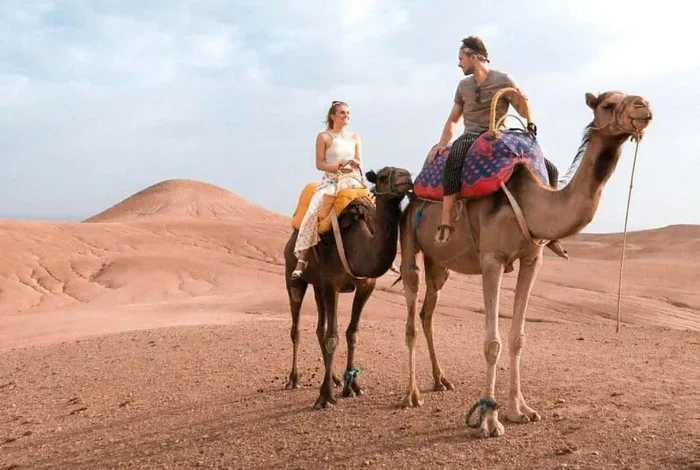
Visual guide about Marrakech desert camel sunset
Image source: camelridemarrakech.com
Season-by-Season Breakdown
October to November: Warm days (25-30°C), cool nights, and clear skies. Peak season begins.
December to February: Cooler temperatures (15-22°C), occasional Atlas snow. Cozy desert camp vibes.
March to April: Wildflowers bloom in the valleys. Comfortable temps and fewer crowds than autumn.
May to September: Hot to extreme. Not recommended unless you thrive in heat and want low-season prices.
Did you know? The Sahara shifts about 1 kilometer south every year due to wind patterns, making each visit slightly unique as the dunes reshape themselves.
Where You Will Go: The Complete Itinerary
Here’s a day-by-day look at how the journey typically unfolds. Exact stops may vary slightly between operators, but the core route is consistent.
Day 1: Marrakech Exploration
You arrive in Marrakech and meet your guide. The day covers the essentials: Koutoubia Mosque, the Saadian Tombs, the Bahia Palace, and the lively Jemaa el-Fnaa square. Mint tea on a rooftop overlooking the medina sets the tone. Think of Marrakech as the appetizer, colorful, spicy, and full of character.
Day 2: Crossing the High Atlas via Tizi n’Tichka
You leave the city early and climb into the High Atlas Mountains via the Tizi n’Tichka pass at 2,260 meters. The road twists dramatically, revealing Berber villages clinging to hillsides. On the other side lies the UNESCO World Heritage Site of Aït Benhaddou, a clay kasbah that’s stood in for Hollywood epics like Gladiator and Lawrence of Arabia.
Day 3: Ouarzazate, Skoura, and the Rose Valley
Ouarzazate is “the Hollywood of Africa,” home to Atlas Film Studios. You continue through the Skoura Palm Grove, a lush corridor of over 700,000 palms, then reach the Dadès or Todra Gorges, where canyon walls rise 300 meters straight up. Simple analogy: imagine nature’s cathedral carved by a river over millions of years.
Day 4: Todra Gorge to Merzouga
The road unfurls into desert terrain. Small oases punctuate the landscape like green pearls on a sandy string. You arrive in Merzouga by afternoon, where camels wait to carry you into Erg Chebbi. The trek into the dunes takes about 90 minutes. Watching the sunset from a 150-meter dune is a moment you’ll never forget. Imagine standing on a sea of gold as the sky turns pink.
Day 5: Erg Chebbi Exploration Day
This is a flexible day. You can ride 4x4s across the dunes, visit nomadic families, explore the seasonal lake of Dayet Srji (famous for flamingos), or simply sleep in and enjoy the desert silence. Most tours include a second night in the desert camp or return to a Merzouga hotel.
Day 6: Return via Alnif, N’kob, and the Draa Valley
Heading west through volcanic landscapes, you pass the ancient caravan town of Alnif, then the Draa Valley, lined with date palms and fortified villages. This is one of Morocco’s most photogenic regions. Think of it as a green ribbon threading through the desert.
Day 7: Zagora, Tamgroute, and Back North
You stop in Tamgroute, famous for its green-glazed pottery and Quranic library, one of Morocco’s oldest. The journey continues toward Ouarzazate or Agdz, depending on the loop route.
Day 8: Return to Marrakech
The final stretch takes you back over the Atlas Mountains, arriving in Marrakech by late afternoon. Tour operators usually drop you at the airport or your riad.
Why Choose This Tour Over Shorter Trips?
Three-day desert tours from Marrakech are popular but rushed. They pack long drives into short windows. The 8-day version changes everything.
The Benefits of Slow Travel
- Less Fatigue: Long drives are broken up by overnight stays.
- Deeper Culture: You meet families, share meals, and visit places tour buses skip.
- Better Photography: Golden hour at multiple stunning locations.
- Healthier Pace: Time to acclimatize to altitude, heat, and new foods.
Did you know? The longest straight road in Morocco runs from Merzouga toward Taouz, about 40 km of dead-straight asphalt through the desert. It’s a favorite for road-trip photos.
How Much Does It Cost and What’s Included?
Typical prices for the Tour 8 Dias Desde Marrakech a Erg Chebbi range from €600 to €1,200 per person, depending on accommodation style. Let’s unpack what you’re paying for.
Standard Inclusions
- Transport: Air-conditioned 4×4 or minivan with driver-guide.
- Accommodation: 6 nights in riads/hotels, 1-2 nights in a Berber desert camp.
- Meals: Breakfast daily and most dinners. Lunch is usually à la carte.
- Activities: Camel trek to Erg Chebbi, camp activities like drumming and stargazing.
- Guide Services: English/French/Spanish-speaking driver-guide.
What’s Usually Excluded
- International flights
- Lunches and drinks
- Entry fees to monuments (usually under €3 each)
- Tips for guides and drivers (€3-5 per day is customary)
- Travel insurance
Analogy time: think of the tour price as a meal deal. The main dish (transport and guiding) is covered, but drinks and extras are à la carte.
Where You Sleep: Accommodation Highlights
Your nights matter as much as your days. Here’s a taste of what to expect.
Riads and Kasbahs
Riads are traditional Moroccan homes built around interior courtyards. Staying in one is like sleeping inside a living museum, with zellige tiles, cedar ceilings, and rooftop terraces. Kasbahs are larger, fortified structures, often with thick earthen walls that keep interiors cool.
Desert Camps
Berber desert camps range from basic (shared bathrooms, simple tents) to luxury (private tents with en-suite bathrooms and full beds). The standard camp usually includes:
- Private or shared Berber tent with mattresses, blankets, and pillows
- Shared bathroom and shower facilities
- Dinner cooked over an open fire, typically tagine or couscous
- Live Amazigh (Berber) drumming around the campfire
- Stargazing in one of the world’s clearest night skies
Did you know? In 2017, Morocco’s Government banned plastic bags in desert regions to protect camel stomachs and the environment. Today, eco-friendly tours are increasingly common.
What to Pack for the Journey
Packing smart makes everything smoother. Here’s a practical list.
Clothing
- Layers: Mornings are cold, afternoons hot.
- Modest dress: Especially for rural areas. Cover shoulders and knees.
- Comfortable shoes: For medina walks and dune climbs.
- Scarf or shemagh: Doubles as sun protection, dust shield, and warm layer.
Essentials
- Sunscreen and sunglasses (the desert sun is intense)
- Reusable water bottle
- Headlamp for the camp
- Power bank (electricity can be limited)
- Basic first-aid kit
- Camera with extra memory cards
Safety, Etiquette, and Cultural Tips
Morocco is one of Africa’s safest countries for tourists. Still, a few tips go a long way.
Health and Safety
- Drink bottled water only.
- Carry hand sanitizer; bathrooms may lack soap.
- Keep valuables zipped and close in crowded souks.
- Trust your guide’s advice on photography. Some locals prefer not to be photographed.
Local Etiquette
- Greet with “Salam alaikum” (peace be upon you).
- Always use your right hand for eating and giving items.
- Ask before photographing people.
- Bargain politely in souks. It’s expected, but keep it friendly.
Simple analogy: interacting with Moroccan culture is like playing chess. Calm moves and respect always win over rushed ones.
How to Book Your Tour: Choosing the Right Operator
Not all tours are equal. Here’s what to look for.
Red Flags to Avoid
- Operators demanding full payment upfront via wire transfer.
- No reviews on TripAdvisor or Google.
- Vague itineraries with no specific accommodation names.
- Unusually low prices (below €400 for 8 days).
Green Flags
- Licensed by the Moroccan Ministry of Tourism.
- Transparent pricing with clear inclusions.
- Strong reviews mentioning guide knowledge and safety.
- Flexible payment options (deposit + balance on arrival).
Did you know? Morocco welcomed over 17.4 million tourists in 2024, a record high. The Marrakech-Merzouga route remains the country’s #1 desert circuit.
Conclusion: Why This Tour Stays With You
The Tour 8 Dias Desde Marrakech a Erg Chebbi isn’t just a vacation. It’s a story you’ll retell for years, full of golden dunes, smoky tagines, kasbah sunsets, and Berber drumming under infinite stars.
You’ll arrive in Marrakech as a visitor and leave feeling like you’ve glimpsed the soul of Morocco. The mountains will challenge you, the desert will humble you, and the people will welcome you with a warmth that has nothing to do with the temperature.
Whether you’re a solo traveler, a couple, or a family, this 8-day route strikes the perfect balance between adventure, comfort, and cultural depth. Pack your curiosity, leave your rush behind, and let Morocco do the rest.
One last tip: book early for October or November departures. Those months sell out fast, and once you’ve seen a Saharan sunrise, you’ll understand why everyone keeps coming back.
Frequently Asked Questions
How long is the drive from Marrakech to Erg Chebbi?
The direct drive from Marrakech to Erg Chebbi takes roughly 9-10 hours over 560 km of road. The 8-day tour breaks this journey into comfortable segments, so you never spend more than 5 hours in a vehicle per day.
Is the 8-day Marrakech to Erg Chebbi tour safe for solo female travelers?
Yes, this tour is considered very safe for solo female travelers, especially when booked through a licensed operator. You’ll have a private guide-driver and stay in well-reviewed accommodations. Common-sense precautions apply, just like in any country.
What’s the difference between Erg Chebbi and Erg Chigaga?
Erg Chebbi, near Merzouga, features taller, more dramatic dunes (up to 150m) and is the most popular Sahara destination. Erg Chigaga is more remote, farther from Marrakech, and requires a longer 4×4 drive. Chebbi is more accessible and touristic, while Chigaga feels wilder.
Can children join the Tour 8 Dias Desde Marrakech a Erg Chebbi?
Absolutely. Children aged 6 and up usually enjoy the camel rides and camp experience. However, parents should prepare for long drives and bring entertainment, snacks, and patience. Some operators offer family-friendly pricing.
What type of vehicle is used on the tour?
Most operators use air-conditioned Toyota Land Cruisers or deluxe minivans (7-15 seats). For the desert camp transfer, you may switch to camels or 4x4s depending on the package.
Do I need a visa to travel to Morocco for this tour?
Citizens of the US, EU, UK, Canada, and most Gulf countries do not need a visa for stays under 90 days. Always check with your local Moroccan consulate before booking, as rules can change.