
Featured image for Dades Valley Morocco landscape
Image source: thumbs.dreamstime.com
A 14-day Marrakech to Dades Valley tour is the ultimate Moroccan adventure, blending cultural immersion, breathtaking landscapes, and desert exploration. This epic journey takes you from vibrant Marrakech through the Atlas Mountains, across the Sahara Desert, and into the stunning Dades Valley, with stops at Berber villages, ancient kasbahs, and coastal Essaouira. Perfect for travelers seeking depth over speed, this two-week itinerary reveals Morocco’s heart and soul.
Picture this: you’re sipping sweet mint tea in a bustling Marrakech souk, and fourteen days later, you’re watching the sun set over the golden dunes of the Sahara. That’s the magic of a Marrakech to Dades Valley 14-day tour. It’s not just a trip. It’s a slow, deep dive into a country that feels like another world, yet welcomes you with open arms.
Morocco sits just 14 kilometers from Europe across the Strait of Gibraltar, but culturally, it’s a universe away. With over 12 million tourists visiting annually (a number that has tripled since 2000), this North African gem has become one of the world’s most sought-after destinations. Yet, most travelers only scratch the surface with a quick 3-day jaunt. A two-week journey? That’s where the real Morocco reveals itself.
Think of this tour as a curated playlist of Morocco’s greatest hits. The Atlas Mountains are the bass line, steady and grounding. The Sahara Desert is the soaring chorus. The Dades Valley is the gentle fade-out, leaving you changed forever. Ready to hit play? Let’s walk through everything you need to know.
Key Takeaways
- Duration & Scope: A 14-day tour from Marrakech to Dades Valley covers over 1,500 kilometers, showcasing Morocco’s diverse landscapes from cities to deserts to mountains.
- Best Travel Season: March-May and September-November offer ideal weather, with comfortable temperatures for desert and mountain exploration.
- Cultural Highlights: The tour includes authentic Berber village visits, traditional mint tea ceremonies, and stays in riads and desert camps.
- Bucket-List Experience: Camel trekking into the Sahara Desert and sleeping under the stars at Erg Chebbi is the journey’s unforgettable centerpiece.
- Physical Requirements: Moderate fitness is needed for walking in medinas, but the tour suits most travelers aged 12 and above.
- Budget Range: Expect to spend between $1,500-$3,500 per person for a mid-range tour, including accommodations, meals, and guided experiences.
- Practical Tip: Pack layers, as temperatures swing dramatically between snowy Atlas peaks and scorching desert dunes within the same day.
📑 Table of Contents
- Who Should Take This Tour and Why It Matters
- What to Expect: The Complete 14-Day Itinerary Breakdown
- When to Go: Timing Your Moroccan Adventure
- Where You’ll Stay: Accommodation Highlights
- Why This Route Works: The Magic of Slow Travel
- Practical Tips for Your Marrakech to Dades Valley Adventure
- Conclusion: Your Two-Week Moroccan Story Awaits
Who Should Take This Tour and Why It Matters
Let’s start with the big questions: Who is this tour for, and why choose a 14-day adventure over a shorter one?
Who it’s for: This Marrakech to Dades Valley tour is perfect for curious travelers who want more than a checklist vacation. If you’re the type of person who likes to linger in a medina until you find the perfect rug, or who wants to share bread with a Berber family, this is your trip. It suits solo adventurers, couples, families with older kids (ages 12 and up), and small groups of friends.
The Traveler Profile
Imagine someone who has visited Paris or Rome and loved them, but now craves something rawer. Someone who doesn’t mind a bumpy camel ride or a shower that runs cold. Someone who values stories over souvenirs. That’s your typical traveler on this route. According to the Moroccan National Tourist Office, around 35% of visitors to Morocco are repeat travelers, suggesting that once you go, you’re hooked.
Why Two Weeks?
Here’s an analogy: tasting one dish at a restaurant versus enjoying a seven-course tasting menu. A 3-day tour gives you the appetizer. A 14-day tour gives you the full feast. Morocco’s magic lies in its contrasts, and you need time to let them sink in. You’ll cross four major mountain ranges, visit UNESCO World Heritage Sites, and traverse three distinct climate zones. Rushing that? Impossible.
Did you know? The journey from Marrakech to the Sahara alone covers approximately 560 kilometers, crossing the High Atlas via the Tizi n’Tichka pass at 2,260 meters above sea level. That’s like driving from London to Edinburgh, but vertically.
What to Expect: The Complete 14-Day Itinerary Breakdown
Now, let’s get into the meat of it. What exactly happens on this two-week adventure?
Visual guide about Dades Valley Morocco landscape
Image source: static.vecteezy.com
Days 1-3: Marrakech Immersion
Your journey begins in Marrakech, the “Red City,” named for its distinctive pink sandstone buildings. The medina here is a UNESCO World Heritage Site and a sensory overload in the best way possible.
You’ll start with a guided tour of the Jemaa el-Fnaa, the famous main square that comes alive at night with storytellers, snake charmers, and food stalls. Did you know this square was once rated by the BBC as one of the top five public spaces in the world? It’s true. UNESCO recognized it as a Masterpiece of the Oral and Intangible Heritage of Humanity in 2001.
Over the next three days, you’ll explore the Bahia Palace, wander through the Saadian Tombs, and lose yourself in the Majorelle Garden, once owned by Yves Saint Laurent. You’ll also take a cooking class to learn how to make a proper Moroccan tagine, which is a slow-cooked stew named after the cone-shaped clay pot it’s cooked in.
Days 4-5: Crossing the Atlas Mountains
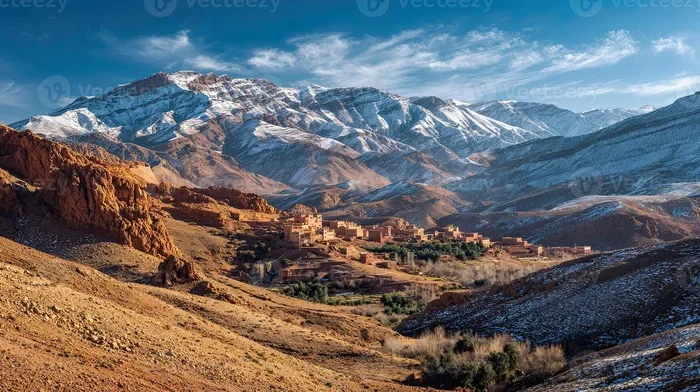
This is where the road gets exciting. You’ll leave Marrakech behind and head into the High Atlas Mountains, passing through Berber villages that cling to hillsides like swallows’ nests. The drive itself is breathtaking, with winding roads revealing valleys that look like they’re from another century.
You’ll stop at Ait Ben Haddou, a fortified village (ksar) that has served as a backdrop for Hollywood films like Gladiator and Lawrence of Arabia. Then it’s on to Ouarzazate, known as the “Gateway to the Sahara” and home to one of the world’s largest film studios.
Think of the Atlas crossing like opening a curtain. On one side: the chaos of the city. On the other: the silence of the mountains. The transition is almost spiritual.
Days 6-7: The Sahara Desert Experience
Here’s the moment you’ve been waiting for. You arrive at Merzouga, the gateway to the Erg Chebbi dunes, some of which rise over 150 meters tall. You’ll trade your vehicle for a camel (yes, an actual camel) and trek into the desert as the sun begins its descent.
The Sahara covers about 9.2 million square kilometers across multiple countries, but the Moroccan portion, particularly Erg Chebbi, is among the most accessible and stunning. You’ll spend the night in a Berber desert camp, where traditional drums will play under a sky so star-filled you’ll feel like you’ve discovered a new galaxy.
Did you know? The Sahara wasn’t always a desert. Fossilized remains show it was once a lush, green region with rivers and lakes. Talk about a plot twist from nature.
Days 8-10: Todra Gorge and Dades Valley
After the desert, you’ll head north to Todra Gorge, a dramatic canyon with walls that rise 400 meters on either side. It’s a rock climber’s paradise and a photographer’s dream. The gorge is just 10 meters wide at its narrowest point, making it feel like the earth is hugging itself.
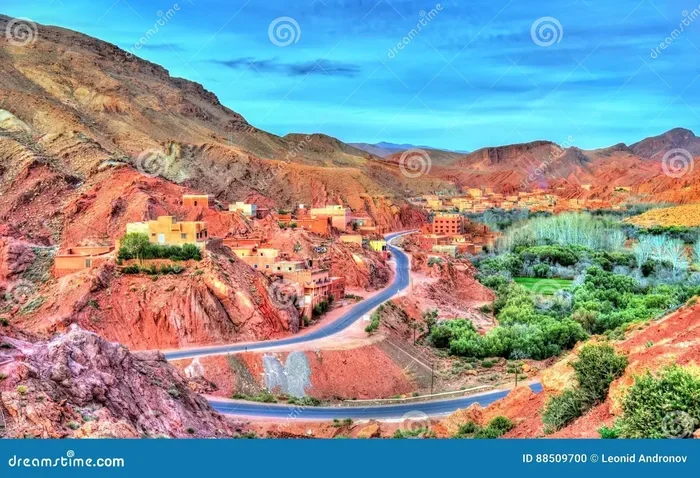
Then you arrive at the Dades Valley, the tour’s namesake and grand finale. This valley is famous for its “monkey fingers,” unique rock formations carved by erosion into bizarre shapes. You’ll stay in a traditional riad (a Moroccan house with an interior garden) and take leisurely hikes through rose gardens and walnut groves.
Think of the Dades Valley as Morocco’s secret garden. Fewer tourists come here, which means more authentic encounters with locals. You might be invited to a wedding, a circumcision ceremony, or simply a cup of tea. The pace is slow, and that’s the point.
Days 11-12: The Road to Essaouira
From the Dades Valley, you’ll wind back west toward the Atlantic coast, stopping at the Argan Tree forests. These trees are endemic to Morocco and produce argan oil, sometimes called “liquid gold.” You’ll see goats climbing the trees. Yes, really. It’s one of the most photographed oddities in the country.
Then you reach Essaouira, a laid-back coastal town with whitewashed buildings and blue accents. It was once a major trading port and still has a Portuguese fortress, the Skala de la Ville, dating back to the 18th century. The town has also been a favorite of musicians and artists, including the late Jimi Hendrix, who reportedly visited in the late 1960s.
Days 13-14: Return to Marrakech
You’ll wind your way back to Marrakech through the Haouz plains, with optional stops at wine estates (Morocco produces excellent wines, despite being a Muslim-majority country) and traditional pottery workshops. Your final night includes a farewell dinner with traditional music, and perhaps a final stroll through Jemaa el-Fnaa to soak it all in.
When to Go: Timing Your Moroccan Adventure
Timing is everything, and Morocco’s climate varies wildly by region.
The Best Seasons
The sweet spots are March to May and September to November. During these months, temperatures are mild across the board. The Atlas Mountains are accessible, the desert isn’t scorching, and the coastal areas are pleasantly breezy.
Did you know? In summer, temperatures in Merzouga can hit 45°C (113°F), while in winter, the same spot can drop to 5°C (41°F) at night. That’s a 40-degree swing. Pack layers, friends.
What About Ramadan?
Traveling during Ramadan can be a unique cultural experience, but it also means shorter business hours and many restaurants closed during the day. If you’re not Muslim, you should avoid eating or drinking in public during daylight hours out of respect.
Avoiding the Crowds
Morocco’s peak tourist season aligns with European school holidays (July-August) and Christmas/New Year. If you prefer fewer crowds, consider shoulder months like October or early November. You’ll find better prices and more authentic interactions with locals.
Where You’ll Stay: Accommodation Highlights
Let’s talk about where you’ll lay your head each night. This isn’t a hostel-hopping situation.
Riads and Kasbahs
Traditional Moroccan accommodations are called riads (urban houses with interior courtyards) or kasbahs (fortified houses, usually in rural areas). These are often centuries old and have been beautifully restored. Staying in one is like sleeping inside a living museum.
Many riads feature zellige tilework (intricate geometric mosaics), tadelakt walls (smooth, waterproof plaster), and central fountains. They are masterpieces of Islamic architecture.
Desert Camping
For one or two nights, you’ll swap the riad for a desert camp. These range from basic (shared tents, communal meals) to luxury (private tents with en-suite bathrooms). Either way, you’ll fall asleep to the sound of silence, which is louder than you’d think.
Modern Hotels
In larger cities like Marrakech and Essaouira, you might stay in international-standard hotels with pools and spas. After days of dusty roads and bumpy camels, a hot shower and a pool feel like absolute heaven.
Why This Route Works: The Magic of Slow Travel
Let’s talk about the philosophy behind a 14-day tour versus a quick sprint.
Cultural Immersion Over Checklists
Slow travel is the practice of immersing yourself deeply in one place rather than rushing through many. A study by the World Tourism Organization found that travelers who stay longer spend more per day on local goods and services, benefiting local economies more than day-trippers.
On this tour, you’ll have time to learn a few words of Darija (Moroccan Arabic), understand the symbolism in Islamic art, and even try your hand at haggling in the souks. By day seven, you’ll feel less like a tourist and more like a temporary local.
The Mental Health Benefit
Traveling slowly reduces stress and increases mindfulness. Multiple studies have linked travel to improved mental health, with longer trips correlating to greater psychological benefits. There’s something about watching a sunset over the Sahara that recalibrates your perspective.
Think of this tour as a mental reset button. You’ll come back not just with photos, but with stories, new friendships, and a different worldview.
Sustainability Considerations
Longer stays in fewer places also reduce your carbon footprint compared to multiple short trips. Plus, many tour operators on this route partner with local communities, ensuring your money stays in the region. Look for operators certified by the Travelife system or similar sustainability programs.
Practical Tips for Your Marrakech to Dades Valley Adventure
Now, let’s get practical. Here are tips to make your journey smooth.
What to Pack
Pack like you’re preparing for three seasons in one day, because you are. Essentials include:
- Layered clothing for temperature swings
- Modest attire for visiting religious sites (shoulders and knees covered)
- Sturdy walking shoes for cobblestone medinas
- A scarf or shemagh for desert dust and sun protection
- Sunscreen and sunglasses with UV protection
- A power adapter (Morocco uses Type C and E plugs, 220V)
- Reusable water bottle to stay hydrated and reduce plastic waste
Health and Safety
Morocco is generally safe for tourists, with low violent crime rates. Petty theft can occur in crowded souks, so keep your valuables secure. The CDC recommends being up-to-date on routine vaccines and considering Hepatitis A and Typhoid vaccinations before travel.
Did you know? Tap water in Morocco is not recommended for tourists. Stick to bottled or filtered water. Most riads provide complimentary bottled water.
Budgeting Wisely
A mid-range 14-day tour typically costs between $1,500 and $3,500 per person, including accommodations, most meals, transportation, and guide fees. Luxury tours can run $5,000 or more, while budget options start around $1,000. Tipping is customary in Morocco. Budget around 10-15% for guides, drivers, and restaurant staff.
Language Tips
Morocco’s official languages are Arabic and Berber (Amazigh), but French is widely spoken in cities. English is increasingly common in tourist areas. Learning basic greetings like “Salam alaikum” (peace be upon you) and “Shukran” (thank you) goes a long way.
Photography Etiquette
Always ask permission before photographing people, especially women and children. Some Berber communities consider photography intrusive. In markets, vendors may ask for a small fee to photograph their goods.
Connectivity
Morocco has good 4G coverage in cities and most tourist routes. Consider buying a local SIM card from operators like Maroc Telecom or Orange for affordable data. Wi-Fi is available in most riads and hotels.
Conclusion: Your Two-Week Moroccan Story Awaits
A 14-day Marrakech to Dades Valley tour isn’t merely a vacation. It’s a story you’ll tell for years. It’s the taste of tagine in a remote village, the rhythm of camel hooves on sand, the silence of the Sahara at midnight, and the warmth of Berber hospitality that makes strangers feel like family.
Morocco is a country that rewards patience. It doesn’t shout its beauty; it whispers it. You have to slow down to hear it. And a two-week journey gives you that luxury of time.
So, are you ready to trade your daily grind for mint tea in the mountains? Are you ready to trade your desk chair for a camel saddle? The Red City, the blue Atlantic, the golden Sahara, and the rose-colored Dades Valley are all waiting. All you have to do is show up.
Pack your curiosity. Leave your assumptions behind. Morocco will do the rest.
Frequently Asked Questions
Is 14 days enough to travel from Marrakech to Dades Valley and back?
Absolutely! 14 days is the perfect duration to comfortably explore Marrakech, cross the Atlas Mountains, experience the Sahara Desert, and visit the Dades Valley without feeling rushed. It allows time for cultural stops and rest days along the way.
What is the best time of year to take this Marrakech to Dades Valley tour?
The best times are spring (March-May) and autumn (September-November) when temperatures are mild across all regions. Summer can be extremely hot in the desert, while winter nights can be very cold, especially in the mountains and Sahara.
Do I need to be physically fit for this tour?
Moderate fitness is recommended but not essential. You’ll be walking on uneven surfaces in medinas and possibly hiking short trails in the Dades Valley and Todra Gorge. The camel trek is gentle and suitable for most ages, though those with back problems should consider alternatives.
What is included in a typical 14-day tour package?
Most packages include accommodation (riads, hotels, desert camp), daily breakfast and some dinners, air-conditioned transportation, an English-speaking driver/guide, camel trek in the Sahara, and entrance fees to major sites. International flights and travel insurance are usually separate.
Is it safe for solo travelers, especially women?
Morocco is generally safe for solo travelers, including women. Standard precautions apply, like dressing modestly in rural areas and avoiding walking alone at night in unfamiliar neighborhoods. Many female travelers report positive experiences, particularly on group tours.
Can I customize the itinerary to include other destinations like Fez?
Yes! Many tour operators offer customizable itineraries. You can extend to Fez (typically adding 2-3 days) or include Chefchaouen, the “Blue City.” However, extending the route may require more travel days or flights between cities to fit within your timeframe.