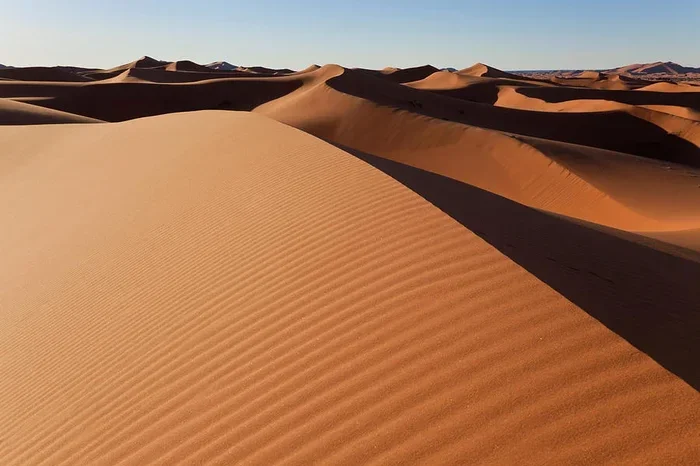
Featured image for Erg Chebbi desert dunes
Image source: images.fineartamerica.com
A 1 days tour from Marrakech to Erg Chebbi is one of the most ambitious adventure trips in Morocco, covering approximately 750 kilometers of dramatic scenery in just 24 hours. Travelers cross the Atlas Mountains, visit historic kasbahs, and reach the towering sand dunes of the Sahara before returning to Marrakech. While physically demanding, this expedition rewards visitors with iconic desert landscapes, camel trekking, and authentic Berber cultural encounters that define Morocco’s allure. It’s a bucket-list experience for adventure seekers with limited time.
Key Takeaways
- Epic Distance: The Marrakech to Erg Chebbi route spans roughly 750 kilometers one way, making it one of the longest single-day tours in Morocco.
- Scenic Crossroads: You’ll traverse the High Atlas Mountains via the stunning Tizi n’Tichka pass at 2,260 meters elevation.
- Cultural Stops: The journey includes UNESCO-listed Ait Ben Haddou and the dramatic Todra or Draa Valley oases.
- Sahara Highlight: Camel trekking to the Erg Chebbi dunes offers the chance to watch a legendary Saharan sunset.
- Realistic Timing: Expect 10-12 hours of driving plus several hours of desert activities before the overnight return.
- Best Season: October through April provides the most comfortable temperatures for this marathon journey.
- Physical Demands: This tour requires stamina, as sleep is minimal and travel time is substantial.
📑 Table of Contents
- Introduction: Chasing the Sahara in a Single Day
- Who, What, Where, When, and Why: The Basics Explained
- The Journey Itinerary: Hour by Hour
- What to Pack: Essential Gear for the Marathon Trip
- Choosing the Right Tour Operator
- Understanding the Culture Along the Route
- Health, Safety, and Practical Considerations
- Alternatives to Consider
- Conclusion: Is the 1-Day Marrakech to Erg Chebbi Tour Worth It?
Introduction: Chasing the Sahara in a Single Day
Imagine waking up in the bustling medina of Marrakech, the call to prayer echoing over red sandstone walls, and falling asleep under a blanket of stars above the Sahara Desert—all within 24 hours. That’s exactly what a 1 days tour from Marrakech to Erg Chebbi promises. It’s not for the faint of heart, but for travelers short on time and big on adventure, this journey delivers Morocco’s most iconic landscapes in one breathless sweep.
The Sahara has captivated explorers for centuries. Think of it like a giant ocean made of golden sand, where dunes rise higher than buildings and silence stretches farther than the eye can see. Erg Chebbi, located near the small town of Merzouga, features some of Morocco’s tallest dunes—some reaching 150 meters high, roughly the height of a 40-story building. Reaching this natural wonder from Marrakech in a single day is a logistical feat, but experienced tour operators have perfected the route, making it accessible to adventurous travelers worldwide.
This guide covers everything you need to know: what to expect on the road, the cultural highlights along the way, how to prepare physically, and whether this marathon trip deserves a spot on your Morocco itinerary.
Who, What, Where, When, and Why: The Basics Explained
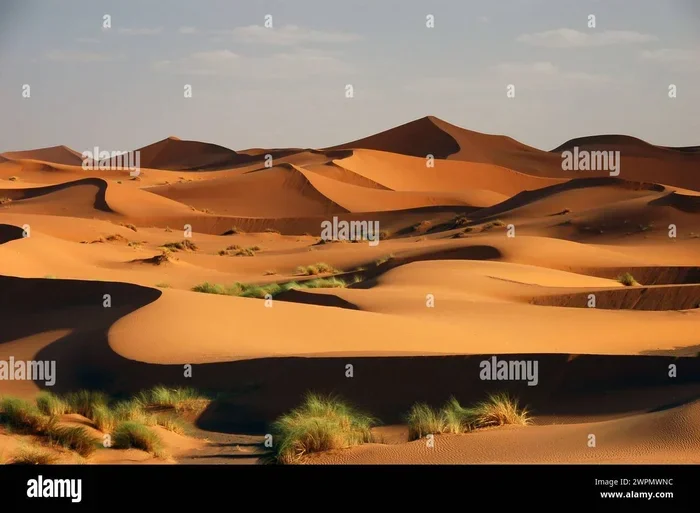
Visual guide about Erg Chebbi desert dunes
Image source: c8.alamy.com
Who Should Take This Tour?
This tour suits adventure travelers, photographers, and anyone fascinated by desert landscapes who has limited vacation time. It works well for solo travelers, couples, and small groups of friends. However, it isn’t ideal for families with young children, elderly travelers with mobility issues, or anyone uncomfortable with long car rides and minimal sleep.
What Exactly Is Erg Chebbi?
Erg Chebbi is a massive sand dune sea in the Sahara Desert, covering about 50 square kilometers near the Algerian border. An “erg” is the Arabic term for a large area of wind-blown sand dunes, essentially a sandy ocean. Erg Chebbi contrasts with Erg Chigaga (near Zagora), which is the other popular Sahara destination from Marrakech. Erg Chebbi is more remote, taller, and visually spectacular.
Where Does the Tour Start and End?
All tours begin and end in Marrakech, Morocco’s fourth-largest city and tourism capital. The route passes through Ouarzazate, often called the “Gateway to the Sahara,” then continues through the Draa Valley before reaching Merzouga at the edge of Erg Chebbi.
When Is the Best Time to Go?
The optimal window is October through April, when daytime temperatures range from 20-28°C (68-82°F). Summer months (June-August) can be brutal, with desert temperatures exceeding 45°C (113°F). Winter nights in the desert can drop below freezing, so pack layers regardless of season.
Why Choose This Specific Tour?
Most travelers visiting Morocco dream of seeing the Sahara. A 1 days tour from Marrakech to Erg Chebbi makes that dream possible for those on tight schedules, like cruise passengers, business travelers, or tourists on extended European trips who can only spare a few days for Morocco.
The Journey Itinerary: Hour by Hour
Pre-Dawn Departure: The Adventure Begins
Most tours start between 5:00 and 6:00 AM, with hotel pickup in Marrakech. The early start maximizes daylight hours and minimizes time spent in the desert after dark. Think of it like a marathon runner pacing themselves—you need every minute available.
Did You Know? Morocco’s road network has improved dramatically over the past 20 years. Modern highways now connect Marrakech to cities like Beni Mellal, reducing some travel times by up to 40%.
Crossing the High Atlas Mountains
The first major landmark is the Tizi n’Tichka pass, winding through the High Atlas Mountains at 2,260 meters (7,415 feet) above sea level. The road climbs through Berber villages, terraced farmland, and dramatic gorges. It’s similar to driving through the Swiss Alps, but with North African architecture and mud-brick kasbahs dotting the hillsides.
Mid-Morning: Ait Ben Haddou and Ouarzazate
Around three hours into the journey, you’ll reach the UNESCO World Heritage Site of Ait Ben Haddou. This ancient fortified village (ksar) has served as a backdrop for films like Gladiator, Lawrence of Arabia, and Game of Thrones. Tours typically allow 30-45 minutes for photos and exploration.
Just 30 minutes further lies Ouarzazate, nicknamed “Hollywood of Africa” for its film studios. A quick stop for lunch here is standard, with restaurants serving tagines, couscous, and fresh Moroccan salads.
Afternoon: The Draa Valley and Desert Approach
After lunch, the road descends into the Draa Valley, Morocco’s longest river valley and home to millions of date palms. The landscape transforms from mountainous to arid, with sandstone formations and ancient kasbahs appearing along the route. This is where many travelers first feel the vastness of the Sahara approaching.
Evening: Arrival at Merzouga and Camel Trekking
By late afternoon (typically 6:00-7:00 PM), you arrive at Merzouga, the small desert town at the edge of Erg Chebbi. Here, you’ll meet your camels and begin the trek into the dunes. The ride lasts about 60-90 minutes, timed perfectly for sunset.
Pro Tip: Wear long pants and closed-toe shoes for camel trekking. Sandals and shorts result in uncomfortable chafing.
Sunset at Erg Chebbi
Watching the sun set over Erg Chebbi is the tour’s highlight. The sky transforms from gold to deep orange to purple while shadows dance across the dunes. Many describe it as one of the most beautiful natural sights they’ve ever witnessed.
Did You Know? The color of Sahara sand comes from fine quartz grains, essentially the same mineral found in glass. The dunes shift position constantly, moving up to 30 meters per year in some areas due to wind patterns.
Night: Stars, Dinner, and the Long Return
After sunset, most tours include a traditional Berber dinner with mint tea in a desert camp, followed by the return journey to Marrakech. The drive back typically takes 8-9 hours, with arrival in the early morning hours (often 2:00-3:00 AM). Sleep happens in the vehicle or at rest stops.
What to Pack: Essential Gear for the Marathon Trip
Clothing Recommendations
- Light, breathable layers for daytime
- Warm jacket or fleece for evening desert temperatures
- Long pants and long-sleeved shirts for camel trekking and sun protection
- Comfortable closed-toe walking shoes
- Sunglasses with UV protection (desert glare is intense)
- A scarf or shemagh for sand and sun protection
Health and Comfort Essentials
- Reusable water bottle (at least 1.5-liter capacity)
- Sunscreen with high SPF
- Lip balm (desert air is extremely dry)
- Motion sickness medication if prone to car sickness
- Power bank for phone charging
- Camera with extra batteries
- Small pillow or neck pillow for the long drive
Optional but Recommended
- Headlamp or flashlight
- Wet wipes and hand sanitizer
- Snacks for the journey (lunch is provided, but extras help)
- Lightweight sleep mask for the return drive
- Cash in Moroccan dirhams for tips and souvenirs
Choosing the Right Tour Operator
What to Look For
Not all Marrakech to Erg Chebbi tours are created equal. Reputable operators share several characteristics:
- Licensed and insured with the Moroccan Ministry of Tourism
- Experienced, English-speaking drivers familiar with the route
- Modern, air-conditioned vehicles (4×4 preferred for desert access)
- Small group sizes (ideally 8-12 people maximum)
- Transparent pricing with no hidden fees
- Positive reviews on platforms like TripAdvisor, Viator, or GetYourGuide
Red Flags to Avoid
- Prices significantly lower than market average (usually around $120-180 USD)
- Lack of written confirmation or itinerary details
- Pressure to pay everything upfront in cash
- No reviews or overwhelmingly negative feedback online
- Unwillingness to answer questions about vehicle type or group size
Shared vs. Private Tours
Shared tours are budget-friendly and offer social interaction, but they follow strict schedules. Private tours cost more but allow flexibility for photo stops, pace adjustments, and personalized experiences. For this particular journey, many experienced travelers recommend private tours to maximize the limited time available.
Understanding the Culture Along the Route
Berber Heritage
The indigenous people of Morocco are the Berbers (Imazighen, meaning “free people”), who have inhabited North Africa for over 4,000 years. Throughout your journey, you’ll encounter Berber villages, traditional markets, and ancient customs that predate Arab influence in the region. Berber symbols and tattoos on women often indicate tribal affiliation, marital status, or protection symbols.
The Ait Ben Haddou Legacy
This earthen clay fortress represents centuries of trade route architecture. Caravans once carried gold, salt, and slaves across the Sahara, stopping at ksars like Ait Ben Haddou for protection. The site’s preservation reflects Morocco’s commitment to heritage conservation.
Desert Nomadic Traditions
Near Erg Chebbi, you may encounter Berber nomadic families who still live in traditional goat-hair tents and migrate seasonally with their livestock. Respecting their privacy and asking before photographing people demonstrates cultural sensitivity.
Did You Know? Morocco has three official languages: Arabic, Berber (Tamazight), and French, a legacy of French colonial influence from 1912 to 1956. English is increasingly common in tourist areas.
Health, Safety, and Practical Considerations
Physical Preparation
This tour requires moderate fitness. You don’t need athletic conditioning, but you should be comfortable sitting for long periods and walking on uneven sand. Camel riding is surprisingly comfortable but can cause soreness in the inner thighs for first-timers.
Safety Standards
Morocco is generally safe for tourists, with tourism being a vital economic sector. However, standard precautions apply: keep valuables secure, avoid displaying expensive cameras in crowded areas, and follow your guide’s instructions in the desert. The desert itself poses minimal danger when traveling with experienced operators, though cell service becomes limited near the Algerian border.
Budgeting Beyond the Tour Price
The advertised tour price typically covers transportation, driver/guide, camel trek, and dinner. Budget additionally for:
- Tips for driver and camel guide (around $15-25 total is standard)
- Lunch on the road (often included, but confirm)
- Drinks and snacks
- Souvenirs at stops along the route
- Optional activities like sandboarding ($10-20 extra)
Alternatives to Consider
The 2-Day or 3-Day Option
For travelers who can spare extra time, the 2-day or 3-day Marrakech to Erg Chebbi tour is significantly more enjoyable. You’ll have time for sunrise in the dunes, overnight camping under the stars in a traditional Berber camp, and a less rushed pace. The 1-day version is a compromise, not an ideal experience.
Erg Chigaga from Marrakech
Some operators offer a 1-day tour to Erg Chigaga, closer to Marrakech (about 560 km vs. 750 km to Erg Chebbi). While still demanding, it involves less driving. However, Erg Chigaga’s dunes are smaller and less dramatic than Erg Chebbi.
Starting from Fez Instead
If your Morocco itinerary includes Fez, consider a Sahara excursion from there instead. The Merzouga route from Fez is shorter (about 460 km), allowing for a more relaxed 2-day experience.
Conclusion: Is the 1-Day Marrakech to Erg Chebbi Tour Worth It?
A 1 days tour from Marrakech to Erg Chebbi is a challenging but achievable adventure for travelers determined to see the Sahara on a tight schedule. You’ll cover extraordinary ground, witness landscapes that transition from mountains to desert, and experience one of the world’s most iconic natural wonders. However, the pace is relentless, sleep is minimal, and the experience feels more like a checkmark on a bucket list than an immersive desert adventure.
If you have even two days available, strongly consider extending your trip. The magic of the Sahara really unfolds when you can watch the sunset, sleep under the stars, and greet the sunrise before returning to civilization. The 1-day version captures the Sahara’s beauty but sacrifices the serenity that makes it truly transformative.
For those committed to the single-day experience, prepare well, choose a reputable operator, pack wisely, and embrace the exhaustion. You’ll return to Marrakech with memories of towering dunes, Berber hospitality, and the kind of adventure stories that last a lifetime. The Sahara doesn’t reveal itself easily, but for the determined traveler, this tour delivers an unforgettable glimpse of Morocco’s greatest treasure.
Frequently Asked Questions
Is 1 day really enough for Marrakech to Erg Chebbi?
Yes, the tour is logistically possible with an early morning departure (around 5-6 AM) and late-night return. However, it involves 20+ hours of total activity with minimal sleep. Most travelers find it exhausting but manageable for the experience.
How far is Erg Chebbi from Marrakech?
The distance is approximately 750 kilometers (466 miles) one way. The journey typically takes 9-10 hours of driving each direction, depending on stops and traffic conditions along the route through the Atlas Mountains.
What is the best time of year for this 1-day tour?
October through April offers the most comfortable temperatures, with daytime highs between 20-28°C (68-82°F). Summer months can be dangerously hot in the desert, while winter nights can drop below freezing.
Can children or elderly travelers take this tour?
This tour isn’t recommended for young children, elderly travelers, or anyone with mobility issues. The long driving hours, minimal sleep, and camel trekking can be physically demanding. Consider a 2-day tour or alternative Sahara destinations instead.
What should I wear for camel trekking at Erg Chebbi?
Wear long pants (avoid shorts to prevent chafing), closed-toe shoes, and bring a scarf for sand protection. Layers are essential since desert temperatures drop significantly after sunset, even in warmer months.
How much does a 1-day Marrakech to Erg Chebbi tour cost?
Prices typically range from $120-180 USD per person for shared tours, or $250-500 for private tours. The price usually includes transportation, driver, camel trek, and dinner. Lunch, tips, and personal expenses are generally extra.