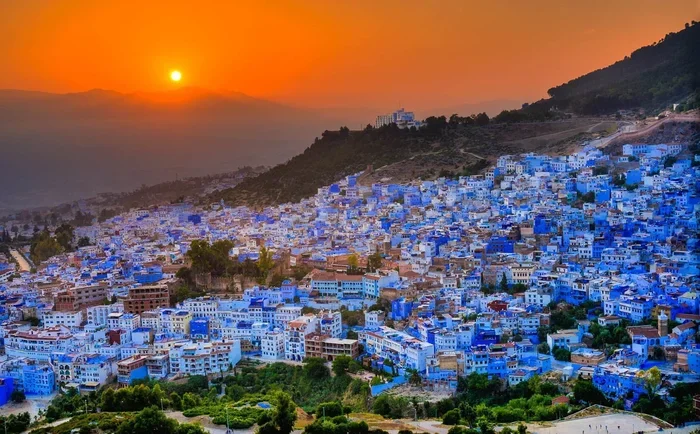
Featured image for Marrakech Chefchaouen Morocco tour
Image source: saharaluxurytours.com
A private 15 day tour from Marrakech to Chefchaouen is the ultimate way to experience Morocco’s full magic in comfort. From the bustling souks of Marrakech to the blue-washed streets of Chefchaouen, including the golden dunes of Merzouga, ancient medinas of Fez, and the coastal charm of Essaouira — this journey covers it all. With a personal driver-guide, every detail is handled for you. It is the perfect balance of adventure, culture, and relaxation.
Imagine waking up in a luxury desert camp, riding a camel across golden dunes at sunrise, and just two days later sipping mint tea in the blue-painted streets of Chefchaouen. That is exactly what a private 15 day tour from Marrakech to Chefchaouen delivers — and it does so without the stress of planning, navigating, or rushing.
Morocco is a country that rewards slow travel. The colors, smells, and sounds of its medinas are too rich to absorb in a one-week trip. By spreading the journey across 15 days, you give yourself space to actually feel each place — not just photograph it. From the vibrant chaos of Jemaa el-Fnaa in Marrakech to the calm blue alleys of Chefchaouen, this tour reads like a storybook of Morocco.
This guide explains exactly what a private 15 day tour from Marrakech to Chefchaouen includes, what makes it special, how to prepare, and why it remains the most popular comprehensive route in the country.
Key Takeaways
- Complete Coverage: The 15 day itinerary spans from Marrakech through the Sahara, imperial cities, Atlantic coast, and finishes in Chefchaouen.
- Private and Flexible: You travel in your own air-conditioned vehicle with a dedicated driver-guide, allowing you to set the pace and stop wherever you want.
- Desert Experience: A camel trek into the Erg Chebbi dunes with a night in a luxury desert camp is a core highlight.
- Cultural Depth: You will explore UNESCO World Heritage sites, ancient medinas, and visit Berber, Arab, and Jewish heritage locations.
- Scenic Diversity: The route crosses the Atlas Mountains, Todra Gorge, cedar forests, and the Rif Mountains — every day looks different.
- Comfortable Lodging: Carefully selected riads and hotels blend authentic charm with modern comfort across all 15 days.
- Best Travel Time: Spring (March to May) and autumn (September to November) offer the most pleasant weather for this route.
📑 Table of Contents
- What Is a Private 15 Day Tour from Marrakech to Chefchaouen?
- Why Choose a 15 Day Itinerary Instead of a Shorter Tour?
- What Does the 15 Day Marrakech to Chefchaouen Route Look Like?
- What Is Included in a Private 15 Day Tour?
- Where Does the Tour Start and End?
- When Is the Best Time to Take This Tour?
- How to Prepare for a 15 Day Tour of Morocco
- What Makes the Chefchaouen Ending So Special?
- Who Should Book This Tour?
- How Much Does a Private 15 Day Marrakech to Chefchaouen Tour Cost?
- Common Mistakes to Avoid on a 15 Day Morocco Tour
- Final Thoughts: Why This Tour Stands the Test of Time
What Is a Private 15 Day Tour from Marrakech to Chefchaouen?
A private 15 day tour from Marrakech to Chefchaouen is a fully escorted, customizable journey that crosses Morocco from south to north. It starts in the imperial city of Marrakech and ends in the famous blue city of Chefchaouen. Along the way, you visit desert landscapes, mountain passes, ancient capitals, coastal towns, and spiritual sites.
Who Is This Tour Designed For?
This tour is built for travelers who want the full Morocco experience without group tour schedules. Couples, families, solo travelers, photographers, and culture lovers all choose this route. Because it is private, your guide adjusts stops, meal times, and even overnight stays to fit your interests.
What Does “Private” Mean in Practice?
Private means you have your own vehicle and driver-guide for the entire 15 days. You are not sharing the van with strangers. You can ask to stop at a roadside pottery shop, skip a museum, or add a hike — and your guide will happily adjust. Think of it like having a local friend who also happens to know every road in the country.
For first-time visitors, this is the safest and most rewarding way to see Morocco. You avoid the taxi haggling in every new city and the worry of finding your riad in a confusing medina.
Why Choose a 15 Day Itinerary Instead of a Shorter Tour?
Many travelers ask: is 15 days really necessary? The honest answer is — Morocco deserves it.
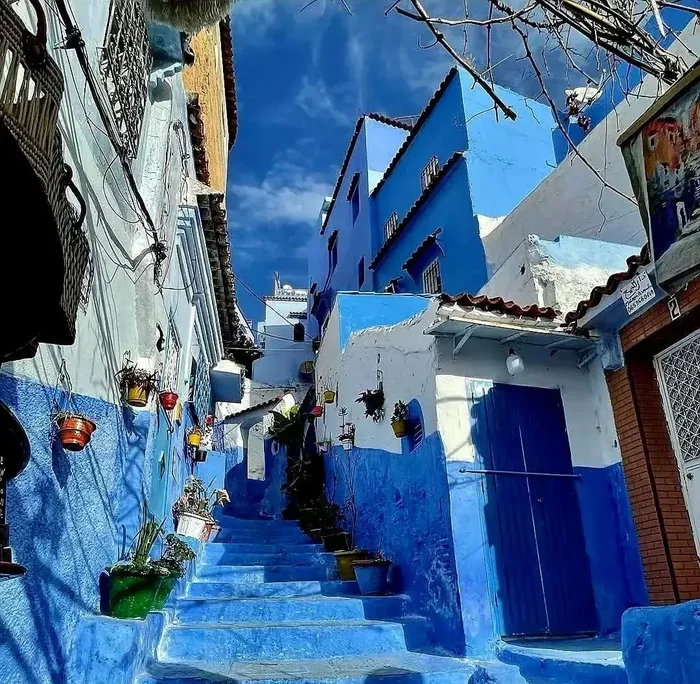
Visual guide about Marrakech Chefchaouen Morocco tour
Image source: moroccotoursgates.com
Did You Know?
Morocco has 9 UNESCO World Heritage Sites, four distinct mountain ranges, two coastlines, and the largest hot desert in the world. Trying to see all of this in 7 days is like trying to eat a five-course meal in two minutes.
The Geography Makes Sense for 15 Days
The route from Marrakech to Chefchaouen is roughly 1,400 kilometers by road. That is a long drive if rushed. By spreading it over 15 days, you average about 90 kilometers per travel day — a comfortable pace. You actually arrive at each destination rested and ready to explore.
You Get Desert, Mountains, Cities, and Coast
A short tour usually skips something — either the Sahara or the coast or Chefchaouen itself. A 15 day tour includes all of them. You get the variety that makes Morocco famous. Imagine comparing a hiking trip where you only see forests to one that includes forests, lakes, and mountains. That is the difference.
Better Value for Money
Surprisingly, 15 day tours are not always more expensive than 10 day tours per day. Many operators offer better rates for longer bookings. Plus, you save money by not needing to plan separate add-on trips.
What Does the 15 Day Marrakech to Chefchaouen Route Look Like?
Here is a day-by-day breakdown of how this tour typically flows. Of course, every operator tweaks it slightly, but the core stops remain the same.
Days 1-2: Exploring Marrakech
You start in the “Red City.” Your first day covers Jemaa el-Fnaa square, the Koutoubia Mosque, Bahia Palace, and the Saadian Tombs. Day two takes you to the Majorelle Garden and the Yves Saint Laurent Museum. A local guide explains the medina’s maze-like alleys — getting lost here is part of the charm.
Tip: Wear comfortable shoes. The medina cobblestones are beautiful but uneven.
Days 3-4: Crossing the Atlas to Ait Ben Haddou
You drive over the Tizi n’Tichka pass in the High Atlas Mountains. The road climbs to 2,260 meters above sea level. Snow is possible even in spring. You stop at a Berber village for tea and arrive at Ait Ben Haddou — a fortified village used in films like Gladiator and Game of Thrones.
Days 5-6: Todra Gorge and the Sahara
The desert is the emotional heart of the trip. You reach Merzouga by day six, where camels are waiting. You ride into Erg Chebbi at sunset, sleep in a luxury Berber tent, and wake to a silent sunrise. Some dunes here reach 150 meters tall — climbing one is harder than it looks but worth every step.
Days 7-8: The Road to Fez via the Middle Atlas
After the desert, you travel through the Ziz Valley, past the cedar forests of Ifrane (sometimes called “Little Switzerland”), and into Fez. The Fez medina is the world’s largest car-free urban zone — over 9,400 alleys. Your guide becomes essential here.
Days 9-10: Deep Dive in Fez
Day nine is for Fez’s famous tanneries, the Al-Qarawiyyin University (founded in 859 AD, often cited as the world’s oldest university), and artisan workshops. Day ten, you can choose between Meknes, Volubilis Roman ruins, and the holy city of Moulay Idriss.
Days 11-12: Rabat and Casablanca on the Atlantic Coast
You travel west to Rabat, Morocco’s capital. The Hassan Tower, Kasbah of the Udayas, and the Chellah Necropolis are highlights. Casablanca adds the stunning Hassan II Mosque — its minaret is the tallest religious structure in Africa at 210 meters.
Days 13-14: Essaouira and the Atlantic Coast
Essaouira is the laid-back artist town on the coast. The ramparts, blue boats, and seafood grills make it a favorite stop. You will likely smell grilled sardines before you even reach the port.
Day 15: Arrival in Chefchaouen
The final day takes you north through the Rif Mountains to Chefchaouen. Walking through the blue-washed medina for the first time feels like stepping into a painting. You have time for a relaxed farewell dinner before your tour ends.
What Is Included in a Private 15 Day Tour?
Understanding what is included helps you avoid surprise costs. Most reputable operators include the following.
Standard Inclusions
- Private air-conditioned transport for all 15 days
- English-speaking driver-guide (French, Spanish, Italian, and German often available)
- 14 nights of accommodation in riads, hotels, and one desert camp
- Daily breakfast and most dinners
- Camel trek to the desert camp
- Fuel, tolls, and parking fees
- Airport pickup and drop-off
Common Optional Extras
Lunches, entry fees to monuments, drinks, and tips are usually not included. Your guide will explain tipping etiquette on day one — Morocco runs on small tips, and a kind word goes a long way.
Accommodation Style
Most tours use a mix of traditional riads (old mansions with inner courtyards) and 3-4 star hotels. Upgrading to 5-star luxury is usually possible for an extra fee. The desert camp ranges from basic Berber tents to luxury “glamping” tents with private bathrooms.
Where Does the Tour Start and End?
This is one of the most common questions — and the answer depends on your flight plans.
Starting Point
The tour starts in Marrakech. Marrakech Menara Airport (RAK) has direct flights from most major European cities and many worldwide hubs. Your driver meets you at the airport and transfers you to your riad.
Ending Point
The tour ends in Chefchaouen. From here, you have two main options:
- Transfer to Tangier for an international flight (Tanger-Ibn Battouta Airport is about 2.5 hours away)
- Transfer to Fez for a flight home (about 4 hours by road)
- Return to Casablanca or Marrakech by train or plane for a flight home
Can I Reverse the Route?
Absolutely. Many operators offer the same tour starting in Casablanca or Tangier and ending in Marrakech. If your flights are cheaper into one city and out of another, this flexibility saves money.
When Is the Best Time to Take This Tour?
Morocco is a year-round destination, but timing matters for comfort, especially on a 15 day journey.
Spring (March to May) — The Sweet Spot
This is widely considered the best season. Temperatures range from 18 to 28°C (64 to 82°F) in most regions. The desert is warm but not extreme, and the Atlas passes are usually snow-free. Wildflowers bloom across the countryside in April.
Autumn (September to November) — Equally Great
Similar temperatures to spring but with the bonus of harvest season. Dates, pomegranates, and almonds are fresh. October in particular is excellent.
Summer (June to August) — Hot but Doable
The desert can hit 45°C (113°F) in July and August. Coastal and mountain stops become very pleasant. If summer is your only option, the operator can adjust to include more coast and less desert time.
Winter (December to February) — Quiet and Cool
Mornings can be cold in the desert (down to 5°C / 41°F), but days are sunny. Snow sometimes blocks mountain passes. Tours still run, but flexibility is reduced.
Did You Know?
Chefchaouen sits at 600 meters elevation in the Rif Mountains. In summer, it is one of the coolest cities in Morocco — a perfect escape after the desert heat.
How to Prepare for a 15 Day Tour of Morocco
Good preparation turns a great trip into an unforgettable one. Here are the essentials.
Packing the Right Way
Pack light. Your suitcase moves between cities every 1-2 nights. You really need:
- Comfortable walking shoes
- A warm layer for desert nights
- Modest clothing for religious sites (covered shoulders and knees)
- Sunscreen, sunglasses, and a hat
- A power adapter (Morocco uses Type C and E plugs)
- A small daypack for camera, water, and snacks
Money Matters
Carry cash in Moroccan dirhams. ATMs are common in cities but rare in the desert. Credit cards work in hotels and larger restaurants, but small riads, markets, and tipping often require cash. A rough budget of 30 to 50 EUR per day per person covers lunches, drinks, tips, and souvenirs comfortably.
Health and Safety
Morocco is one of the safest countries in Africa for tourists. Standard vaccinations are usually enough. Drink bottled water. Your guide will always have clean water in the vehicle. Travel insurance is highly recommended.
Language Tips
Arabic and Berber are official languages. French is widely spoken in cities. English is common in tourist areas but not universal. Learning a few Arabic phrases like salam alaikum (peace be upon you) and shukran (thank you) earns warm smiles.
Photography Etiquette
Always ask before photographing people. In markets, a polite request or a small tip is appreciated. Drone use requires a permit — leave yours at home unless pre-arranged.
What Makes the Chefchaouen Ending So Special?
The tour ends in Chefchaouen for good reason. After 14 days of busy travel, Chefchaouen offers the perfect calm finish.
The Blue Mystery
No one is entirely sure why Chefchaouen is painted blue. Theories range from keeping mosquitoes away to symbolizing the sky and heaven, to Jewish traditions from the 1930s. The result is the same — a city that feels like a dream.
Photography Heaven
The narrow alleys, painted steps, flower pots, and mountain backdrop make Chefchaouen one of the most photographed places in the world. Even non-photographers find themselves snapping every corner.
Slow Down Moment
You arrive with the luxury of time. There is no rushing to the next city. You can sit on a rooftop with mint tea, watch the light change on the blue walls, and reflect on the journey you just completed.
Did You Know?
Chefchaouen was closed to foreigners until 1920, when Spain took control of northern Morocco. Its isolation is part of why it retains such a unique character today.
Who Should Book This Tour?
This tour is not for everyone — and that is a good thing. It is best for:
First-Time Visitors Who Want It All
If this is your first trip to Morocco, the 15 day route guarantees you leave having seen the highlights without regret. No “I wish I had visited Fez” moments.
Travelers Who Value Comfort and Flexibility
You do not want to wrestle with train tickets, taxi drivers, or unfamiliar medinas. A private guide handles it all, leaving you free to enjoy.
Couples on a Special Trip
Honeymoons, anniversaries, and bucket-list trips often follow this route. The mix of romance (desert sunsets, riad dinners) and adventure (camel rides, mountain drives) is hard to beat.
Photographers and Creatives
The route offers incredible variety — souks, dunes, coastlines, blue cities, mountain villages — all in one trip.
Families with Older Children
The pace is relaxed enough for children aged 8 and up. Younger kids can manage but may find long drives tiring. The desert night is a memory they will keep forever.
How Much Does a Private 15 Day Marrakech to Chefchaouen Tour Cost?
Pricing depends on accommodation level, group size, and operator. Here are general ranges.
Standard Comfort (3-4 star riads and hotels)
Expect around 1,800 to 2,800 EUR per person for two travelers sharing. Solo travelers pay more due to single supplements.
Luxury Option (5-star riads and premium desert camp)
Ranges from 3,500 to 5,500 EUR per person. Includes high-end desert glamping, gourmet dinners, and upgraded vehicles.
What’s a Fair Price?
If a price looks suspiciously low (under 1,000 EUR for 15 days), something is missing — either the desert camp, the guide quality, or hidden fees. Always confirm exactly what is included before booking.
Common Mistakes to Avoid on a 15 Day Morocco Tour
Even experienced travelers make mistakes. Here are the most common ones and how to avoid them.
Overpacking
You will thank yourself for packing light. Hard floors and stairs in riads mean dragging suitcases gets old fast.
Underestimating Travel Days
Even private tours have driving days of 3-5 hours. Bring audiobooks, download music, and enjoy the changing scenery.
Skipping Travel Insurance
Medical care is good in cities but evacuation costs can be high. Insurance is essential, especially for desert travel.
Not Booking the Desert Camp Early
Luxury desert camps fill up months in advance during peak season. Book early.
Relying Only on Credit Cards
Always have cash. Some of the best experiences — buying bread from a village baker or tipping a camel handler — are cash-only.
Final Thoughts: Why This Tour Stands the Test of Time
The private 15 day tour from Marrakech to Chefchaouen has remained the most popular comprehensive Morocco route for years. It is not because of marketing — it is because it works. The route hits every major highlight, the pace is sustainable, and the variety keeps every day interesting.
You arrive as a visitor and leave feeling like you have lived a chapter of Moroccan life. You have tasted tagine in a Berber home, slept under desert stars, wandered blue alleys, and learned how Morocco weaves its history from Roman ruins to modern mosques.
If you are planning your trip, book with a reputable local operator, communicate your preferences clearly, and trust your guide. Morocco rewards the curious and the respectful. Bring an open mind, leave with a full heart.
This is not just a tour — it is a 15 day story you will tell for years.
Frequently Asked Questions
How many days do I need for a Marrakech to Chefchaouen tour?
A minimum of 10 days covers the highlights, but 15 days is ideal for including the Sahara desert, Essaouira, and a relaxed pace. Shorter tours usually skip the desert or the coast.
Is the desert camel ride safe for beginners?
Yes. Camels are calm, well-trained, and the ride is slow and steady. The trek covers about one hour each way. Drivers meet you at the camp with luggage if you prefer not to ride.
What is the best month for a 15 day Morocco tour?
April, May, October, and November offer the most pleasant weather across all regions. Avoid peak summer if desert heat concerns you, and avoid deep winter if you want to cross high mountain passes.
Can I customize the 15 day tour itinerary?
Yes. Private tours are fully customizable. You can add cooking classes, hiking, surfing in Essaouira, or extra nights in any city. Just tell your operator what you love.
Do I need a visa for Morocco?
Most Western travelers get a free 90-day visa on arrival. Always check current requirements for your passport country before booking flights.
What should I wear in Morocco?
Loose, modest clothing works best. Cover shoulders and knees in religious sites and small villages. Light layers for the desert and a warm jacket for mountain nights are essential.