
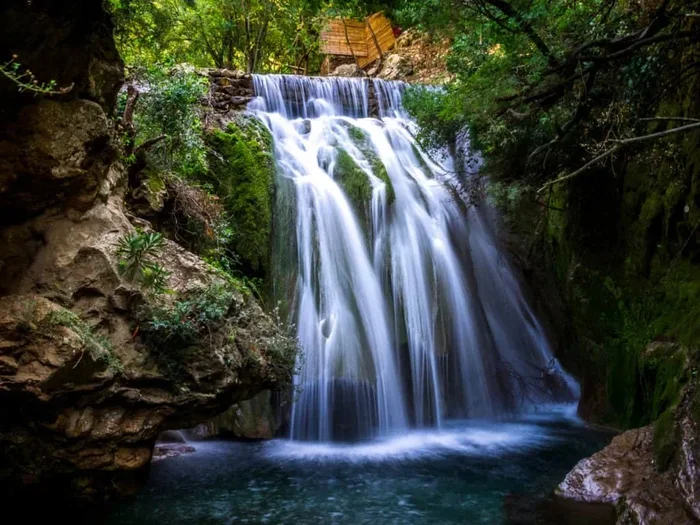
Featured image for Akchour Waterfalls Morocco
Image source: journalofnomads.com
A guided day trip from Tangier to Akchour Waterfalls offers one of Morocco’s most breathtaking natural escapes. Just a few hours from the bustling port city, travelers can hike through the stunning Rif Mountains, swim in turquoise pools, and explore authentic Berber villages. This adventure combines easy access with unforgettable scenery, making it perfect for nature lovers seeking a day away from the city.
Picture this: you wake up in Tangier, the salty breeze from the Strait of Gibraltar still in the air, and within hours you’re standing beside a thundering waterfall tumbling through a canyon of emerald green. That’s the magic of a guided day trip from Tangier to Akchour Waterfalls. It’s one of those rare experiences where nature, culture, and adventure collide in the most beautiful way.
Most travelers visiting northern Morocco focus on Tangier’s medina, the blue streets of Chefchaouen, or the coastal charm of Asilah. But tucked away in the Rif Mountains lies a natural wonder that many visitors miss. Akchour feels like a secret garden, complete with crystal-clear pools, moss-covered rocks, and dramatic cliffs. A guided tour makes the whole thing smooth and stress-free, especially if you’re short on time.
In this guide, we’ll walk you through everything you need to know. We’ll cover what the trip looks like, who it’s best for, when to go, and how to make the most of your day. Think of this as your friendly roadmap to one of Morocco’s most underrated day trips.
Key Takeaways
- Accessible Adventure: Akchour Waterfalls sits about 110 km from Tangier, making it doable as a full day trip.
- Two Main Falls: The “Little Cascade” and “God’s Bridge” are the two stunning natural attractions you will visit.
- Guided Tours Recommended: Local guides handle transportation, park fees, and provide cultural insight into the Rif region.
- Best Season: Spring (April-May) and autumn (September-October) offer the best water flow and comfortable hiking weather.
- Moderate Hiking: The trail requires roughly 2-3 hours of walking each way, suitable for most fitness levels.
- Cultural Bonus: You’ll pass through traditional Berber villages where mint tea and local hospitality await.
- Pack Smart: Bring swimwear, sturdy shoes, water, and a camera to capture the emerald waters and dramatic cliffs.
📑 Table of Contents
- What Makes Akchour Waterfalls So Special?
- Who Should Take This Day Trip?
- When Is the Best Time to Visit?
- What Does a Typical Guided Day Trip Look Like?
- How to Choose the Right Tour Guide
- What Should You Pack for the Trip?
- How Much Does the Trip Cost?
- What Cultural Experiences Can You Expect?
- Safety and Practical Tips
- Frequently Asked Questions
- Final Thoughts
What Makes Akchour Waterfalls So Special?
Akchour isn’t just one waterfall. It’s an entire natural playground carved by the Oued Laou river over thousands of years. The region sits within the Talassemtane National Park, a protected area known for its unique ecosystem and the famous Moroccan fir tree (Abies marocana), which grows almost nowhere else on Earth.
Did You Know? Talassemtane National Park covers around 60,000 hectares and is home to over 150 bird species, including the rare Bonelli’s eagle. It’s one of Morocco’s most biodiverse protected areas.
The Two Star Attractions
The main draws are two distinct waterfall experiences:
- The Little Cascade (Petite Cascade): A short, easy walk from the parking area leads you to a series of small, swimmable pools surrounded by lush greenery. Perfect for families or anyone who prefers a relaxed visit.
- God’s Bridge (Pont de Dieu): A natural rock arch spans the gorge, with a powerful waterfall plunging beneath it. Reaching it takes about an hour of hiking upstream, but the views are absolutely worth the effort.
Why Locals Love It
Moroccans from nearby cities flock to Akchour on weekends, especially during summer. Families picnic along the river, kids splash in the pools, and groups of friends grill meat by the water. It has a fun, community vibe that feels very authentic. You’re not just visiting a tourist spot; you’re joining a beloved local hangout.
Who Should Take This Day Trip?
The short answer? Almost anyone. But let’s break it down a bit more.
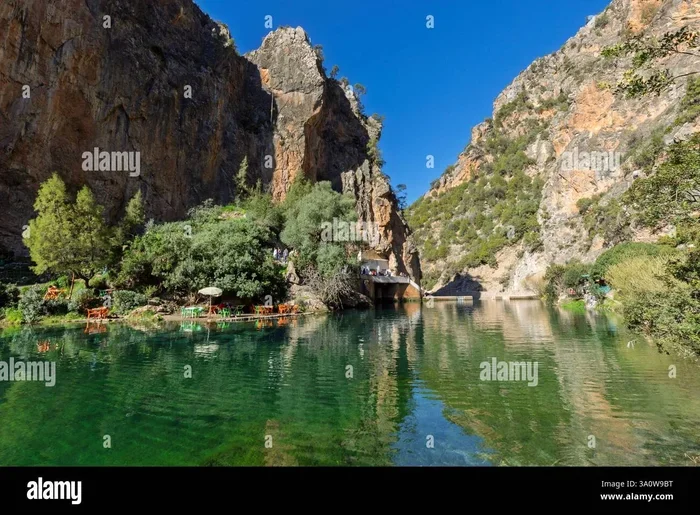
Visual guide about Akchour Waterfalls Morocco
Image source: c8.alamy.com
Perfect For:
- Nature lovers who want to escape the city without multi-day planning
- Hikers of all skill levels thanks to the flexible trail options
- Photography enthusiasts chasing waterfalls, dramatic cliffs, and golden light
- Families with kids who enjoy swimming and easy walks
- Cultural explorers interested in Berber traditions
- Solo travelers looking for a safe, social experience with a small group
Less Ideal For:
- Travelers with severe mobility issues, as the trail has uneven terrain and some steep sections
- Those seeking a luxurious resort experience; this is an active, outdoorsy day
- Visitors who dislike group tours, since most options are shared
If any of these “less ideal” points sound like you, don’t worry. Private guides can tailor the pace and route. The waterfalls can still be enjoyed from the lower pools without doing the full hike. It’s all about setting expectations.
When Is the Best Time to Visit?
Timing can make or break your Akchour experience. Here’s what to know about each season.
Spring (April to May): The Sweet Spot
This is arguably the best time. Water levels are high from snowmelt, the valleys are green, and wildflowers bloom along the trail. Temperatures sit comfortably between 18°C and 25°C (64°F to 77°F). You’ll get strong waterfalls and pleasant hiking weather.
Summer (June to August): Hot but Popular
Summer brings crowds and heat, with temperatures often climbing above 35°C (95°F). The good news? The pools are incredibly refreshing, and many Moroccans visit in July and August, giving the area a lively festival feel. Go early in the morning to beat both the heat and the crowds.
Autumn (September to October): A Close Second
Autumn rivals spring in terms of beauty. The summer crowds thin out, water levels remain decent from late-season rains, and the light is gorgeous for photos. Temperatures cool to a pleasant 20°C to 28°C (68°F to 82°F).
Winter (November to March): Quiet but Cold
Winter visits can be magical in their own way. Fewer tourists mean peaceful trails, and the falls run fuller after rains. However, temperatures drop to around 5°C to 15°C (41°F to 59°F), and some trail sections can get slippery. Swimming is not advisable.
Pro Tip: Aim for weekdays if possible. Weekends, especially in summer, can feel busy. Your guide will know the quieter times and can adjust departure accordingly.
What Does a Typical Guided Day Trip Look Like?
Let’s walk through a sample day, so you know exactly what to expect.
Morning: Departure and Drive
Most tours pick you up between 7:30 AM and 9:00 AM from your Tangier hotel or a central meeting point. The drive to Talassemtane National Park takes roughly 2 to 2.5 hours, winding through the scenic Rif Mountains. Along the way, you’ll pass small villages, terraced farms, and rolling hills. Many guides share stories about the region, so bring questions.
The roads are mostly paved but can be curvy. If you’re prone to motion sickness, sit in the front and bring some ginger candy. Trust me, your stomach will thank you.
Mid-Morning: Arrival and the Trail Begins
You’ll arrive at the small village of Akchour, where the hiking trail begins. Your guide will help with any park entry fees and give a quick overview of the route. From here, the paved footpath winds gently along the river for the first kilometer or so. It’s flat, scenic, and great for warming up.
Late Morning to Lunch: Hiking to the Waterfalls
This is the heart of the day. As you hike upstream, the canyon walls grow taller and the vegetation thicker. Your guide might point out local plants, explain Berber traditions, or share legends about the falls. Along the way, you’ll see small cafes selling fresh orange juice, mint tea, and tagines. Many travelers stop for a traditional Moroccan lunch here.
The hike to God’s Bridge takes about 1 to 1.5 hours one way, depending on your pace. The trail has some rocky steps and a few steep sections, but nothing technical. Think of it like climbing a long staircase, with a stunning view at every turn.
Afternoon: Swimming and Relaxing
Once you reach the falls, you’ll have time to swim, take photos, and simply soak up the beauty. The pools are deep and clear, with cool mountain water. After all that hiking, jumping in feels like being rewarded by nature itself.
Late Afternoon: Return to Tangier
Most groups begin heading back around 3:00 PM to 4:00 PM, arriving in Tangier by 6:00 PM or 7:00 PM. You’ll be tired, sun-kissed, and probably already planning your next Morocco adventure.
How to Choose the Right Tour Guide
A great guide can turn a good trip into an unforgettable one. Here’s what to consider.
Local Expertise Matters
Look for guides born in or based in the Rif region. They know the trails, the weather patterns, and the cultural nuances. They also tend to have relationships with local vendors, which means better food and friendlier encounters.
Small Groups vs. Large Buses
Smaller groups (usually 4 to 12 people) offer a more personal experience. You’ll move at your own pace, have time for questions, and enjoy a quieter hike. Larger tours may be cheaper but often cram the trail.
What’s Included?
Always check the inclusions before booking. A solid tour typically covers:
- Hotel pickup and drop-off in Tangier
- Air-conditioned transportation
- A licensed local guide
- Park entry fees
- Sometimes lunch or snacks
What’s usually not included? Personal items, gratuities, and extra snacks. Bring small bills for tips and souvenirs.
Reading Reviews
Check recent reviews on platforms like Viator, GetYourGuide, or TripAdvisor. Look for comments about guide knowledge, pace, and vehicle comfort. A few negative reviews are normal, but consistent complaints are red flags.
What Should You Pack for the Trip?
Packing smart keeps you comfortable and prepared. Here’s a quick checklist.
Must-Haves
- Sturdy hiking shoes or trail runners with good grip; the rocks can be slippery
- Swimwear and a quick-dry towel for the pools
- Sun protection: hat, sunglasses, and reef-safe sunscreen
- Reusable water bottle (at least 1.5 liters) to stay hydrated
- Light snacks like nuts or energy bars
- Phone or camera with a waterproof case or dry bag
- Light jacket or hoodie for cooler moments, especially in spring or autumn
Nice-to-Haves
- Trekking poles if you have knee issues
- Water shoes for rocky riverbeds
- A power bank for your phone
- A small backpack for daily essentials
What to Leave Behind
- Heavy backpacks (keep it light!)
- Expensive jewelry or flashy gear
- Single-use plastics (the park is protected)
Did You Know? Talassemtane National Park is part of a UNESCO Biosphere Reserve, which means visitors are encouraged to follow “leave no trace” principles. Pack out everything you pack in.
How Much Does the Trip Cost?
Prices vary depending on the operator, group size, and inclusions. As of 2024-2025, here’s a general range:
- Budget group tours: $40 to $70 per person
- Mid-range small group tours: $80 to $120 per person
- Private tours: $150 to $250+ per person (or per group)
Park entry fees are usually around 10 to 20 Moroccan dirhams (about $1 to $2). It’s a small price for such a big adventure.
Is It Worth the Price?
In my experience, yes. You get door-to-door convenience, a knowledgeable guide, and a day packed with experiences you simply couldn’t arrange alone, especially if you’re unfamiliar with the area. Think of it as paying for peace of mind and authentic local connection.
What Cultural Experiences Can You Expect?
Akchour isn’t just about waterfalls. It’s a window into Moroccan rural life.
Berber Hospitality
Along the trail, you’ll likely meet locals selling tea, honey, or handmade crafts. Berber culture is built on hospitality, and even a brief interaction can be memorable. If invited for tea, accept. It’s a sign of respect and friendship.
Traditional Food
Many cafes along the trail serve tagines cooked over open fires. Chicken with preserved lemons, lamb with prunes, and vegetarian options are common. Pair it with fresh bread and mint tea, and you’ve got a feast.
Language and Etiquette
Arabic and the local Amazigh (Berber) dialect are spoken here. French is also widely understood. A few words go a long way. Saying “Salam alaikum” (peace be upon you) or “Shukran” (thank you) will earn you warm smiles.
Safety and Practical Tips
Most visitors have a smooth, safe experience. But a few precautions help.
Stay Hydrated
The Rif sun can be stronger than it feels. Drink water constantly, even if you’re not thirsty. Dehydration sneaks up on you.
Watch Your Step
The rocks near the falls can be very slippery, especially when wet. Move slowly, especially if you’re going into the water. The pools are deep, so swim with care.
Travel Insurance
Make sure your travel insurance covers hiking and outdoor activities. It’s a small cost for big peace of mind.
Respect the Environment
Don’t litter, don’t pick plants, and don’t approach wildlife. The park is protected, and future visitors will thank you.
Frequently Asked Questions
How far is Akchour Waterfalls from Tangier?
Akchour Waterfalls is about 110 km (68 miles) from Tangier, taking roughly 2 to 2.5 hours by car. The drive winds through the scenic Rif Mountains, offering beautiful views along the way.
Do I need to be a strong hiker?
No. The lower pools are accessible with minimal walking, while the hike to God’s Bridge is moderate. The trail is uneven but not technical, and most people with average fitness can handle it. Take your time and bring water.
Can I visit Akchour without a guide?
Technically yes, but a guide is highly recommended. They handle logistics, share cultural insight, and help navigate the trail. Solo travelers especially benefit from guides for safety and social connection.
What is the best month to visit Akchour?
April, May, September, and October offer the best combination of water flow, weather, and fewer crowds. Spring is especially beautiful with wildflowers in bloom.
Are the pools safe for swimming?
Yes, the pools are generally safe for swimming, especially the lower ones. The water is cold but refreshing. Always check depth and current before jumping in, and avoid swimming alone.
What should I wear for the hike?
Wear comfortable, moisture-wicking clothing, sturdy shoes with grip, and bring layers. Modest swimwear is fine for the pools. A hat and sunglasses are essential for sun protection.
Final Thoughts
A guided day trip from Tangier to Akchour Waterfalls is more than just a sightseeing excursion. It’s a chance to step into a different side of Morocco, one shaped by rushing rivers, ancient traditions, and unforgettable natural beauty. Whether you’re a solo traveler, a couple, or a family, this trip has something for everyone.
From the moment you leave Tangier to the moment you dip your toes in the cool mountain water, every moment is a reminder of how much wonder Morocco holds beyond its famous cities. The Rif Mountains are calling. All you have to do is answer.
So go ahead. Book that tour, pack your bags, and get ready for one of the most rewarding days you’ll spend in northern Morocco. Trust me, your future self will thank you.