A 14-day tour from Marrakech to the Garganta de Todra offers one of the most comprehensive ways to experience Morocco’s diverse landscapes and historic treasures. This extended journey takes you from the vibrant souks of Marrakech through the Atlas Mountains, into the Sahara Desert, and across to some of the country’s most spectacular gorges. Perfect for travelers who want to see it all, this route combines cultural immersion, adventure, and authentic Berber hospitality.
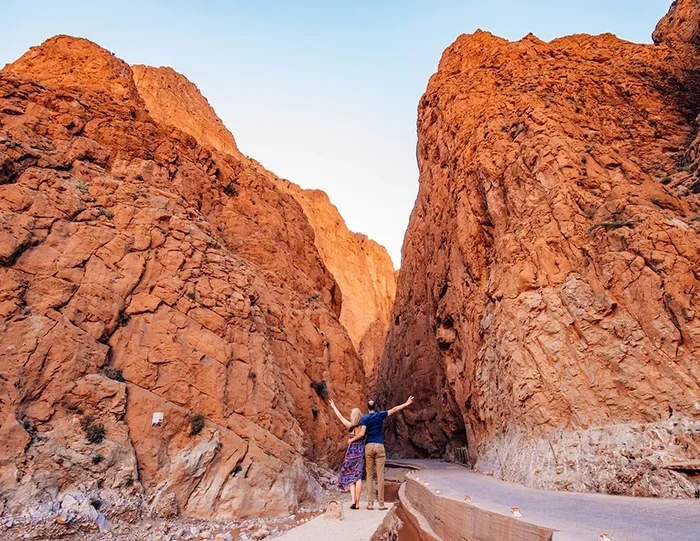
Featured image for Marrakech to Todra Gorge desert
Image source: theroad-islife.com
Imagine standing at the edge of a 400-meter-deep canyon, where towering red walls rise like cathedral pillars on either side of you. Picture yourself riding a camel across golden dunes as the sun sets over the Sahara. Now imagine having two full weeks to experience all of this and more. That is exactly what a 14-day tour from Marrakech to the Garganta de Todra delivers.
This extended itinerary is designed for travelers who refuse to rush. While many visitors cram Morocco’s highlights into seven or ten days, the 14-day version lets you breathe. You get time to wander without checking your watch. You can pause for mint tea with a Berber family. You can watch the light change over the Atlas Mountains without worrying about your tour bus leaving without you.
The route covers Morocco’s most spectacular contrasts. You start in the chaos of Marrakech’s medina, then journey through ancient kasbahs, across windswept plains, and into the silence of the desert. The grand finale is Todra Gorge, a natural wonder that leaves even experienced travelers speechless. This guide will walk you through everything you need to know to plan, book, and enjoy this unforgettable adventure.
Key Takeaways
- Duration and Scope: A 14-day tour covers roughly 2,000-2,500 kilometers, offering an in-depth look at Morocco’s geography and culture.
- Highlight Destinations: Key stops include Marrakech, Ait Benhaddou, Ouarzazate, the Sahara Desert, Todra Gorge, and Fes.
- Best Travel Season: October through April offers the most comfortable temperatures for desert and gorge exploration.
- Physical Requirements: Moderate fitness is needed for camel rides, short hikes, and walking on uneven terrain.
- Cultural Experiences: The tour includes opportunities to meet Berber families, explore UNESCO sites, and shop in traditional souks.
- Budget Range: Prices typically range from $1,500 to $3,500 per person depending on accommodation and tour style.
- Unique Feature: Few tours combine the imperial cities with the dramatic landscapes of southern Morocco in such depth.
📑 Table of Contents
What Is the 14-Day Marrakech to Todra Gorge Tour?
The 14-day Marrakech to Todra Gorge tour is a guided overland journey that traces a grand loop through southern and central Morocco. Think of it as a carefully curated road trip where every stop has been chosen to maximize your experience of the country’s natural beauty and historical depth.
The Basic Concept
The tour follows a roughly circular route. You begin in Marrakech, travel south through the Atlas Mountains, cross into the Sahara for desert experiences, then turn northward through dramatic gorges and oasis towns. The journey eventually reaches Fes before looping back to Marrakech or continuing onward.
Most tours include transportation in a comfortable air-conditioned vehicle, an English-speaking driver-guide, and accommodation ranging from riads to desert camps. Think of it as a moving hotel that follows you through some of the world’s most dramatic scenery.
What Makes It Different from Shorter Tours
Shorter tours of 7 to 10 days typically skip locations or rush through them. The 14-day version adds depth. You might spend two nights in the Sahara instead of one. You can explore Fes with a local guide rather than just driving through. Extra days allow for spontaneous detours, like visiting a local market day or stopping at a village festival.
Did You Know? Morocco has over 4,000 kasbahs scattered across its landscape, but only a handful are accessible to tourists. The longer tour format gives you access to several that shorter itineraries skip entirely.
Who Is This Tour Designed For?
Not every traveler needs 14 days in Morocco, but certain types of visitors benefit enormously from this extended format.
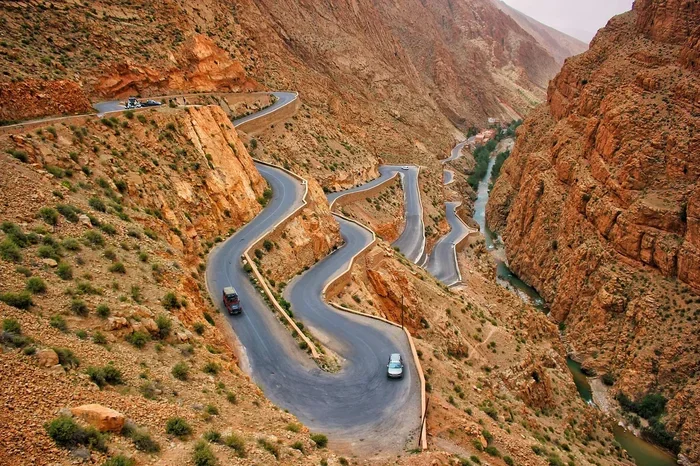
Visual guide about Marrakech to Todra Gorge desert
Image source: saharaluxurytours.com
First-Time Visitors to Morocco
If you have never been to Morocco before, this tour acts as a complete introduction. You will see the imperial cities, the desert, the mountains, and the coast-like gorges. Rather than wondering what you missed, you will have experienced the full spectrum of what makes Morocco unique.
Think of it like watching a full trilogy versus just the first movie. You understand the story so much better with the complete picture.
Photography Enthusiasts
Morocco is a photographer’s paradise, and this tour maximizes your time in photogenic locations. Sunrise over the dunes. Sunset on the kasbah walls. The blue streets of Chefchaouen. The dramatic shadows in Todra Gorge. With 14 days, you can wait for perfect light rather than snapping hurried shots from a moving vehicle.
Adventure Seekers and Nature Lovers
This tour includes moderate hiking in Todra Gorge, camel trekking in the Sahara, and optional activities like quad biking or hot air balloon rides. The extended timeline means you can attempt activities that require proper acclimatization to altitude and climate.
Slow Travel Advocates
A growing movement of travelers prefers deeper immersion over checklist sightseeing. This tour aligns perfectly with that philosophy. You eat home-cooked meals with local families. You learn a few words of Darija (Moroccan Arabic). You watch daily rhythms unfold in villages that tourists rarely visit.
Where Does the Tour Go? Route Overview
The 14-day itinerary covers a comprehensive circuit through Morocco’s most iconic regions. Here is the typical route, though exact stops vary by operator.
Days 1-3: Marrakech and the Atlas Crossing
Your journey begins in Marrakech, where you spend your first day acclimating and exploring. Highlights include Jemaa el-Fnaa square, the Koutoubia Mosque, and the Majorelle Garden. On day three, you cross the High Atlas Mountains via the Tizi n’Tichka pass, which sits at over 2,200 meters elevation.
Stop at a traditional Berber village for lunch. The mountain landscapes here look like something from a dream, with terraced fields clinging to hillsides and snow-capped peaks in the distance.
Days 4-6: Ait Benhaddou and the Road to the Sahara
You visit the UNESCO-listed Ait Benhaddou, a fortified village that has served as a backdrop for films like Gladiator and Lawrence of Arabia. Then continue through Ouarzazate, known as the “Hollywood of Africa,” before pushing deeper south toward the desert.
The landscape transforms dramatically here. The green mountains give way to arid plains, then to the first hints of dunes around Erfoud or Merzouga.
Days 7-8: The Sahara Desert Experience
These are often the most memorable days of the entire tour. You ride camels into the Erg Chebbi dunes at sunset, spend a night in a traditional Berber desert camp, and wake early to watch sunrise paint the sands in shades of pink and gold.
Did You Know? The dunes of Erg Chebbi can reach heights of 150 meters, roughly the height of a 40-story building. The Sahara contains some of the largest sand dunes on Earth.
Days 9-11: Todra Gorge and the Road North
The climax of the natural scenery comes at Todra Gorge, where canyon walls rise up to 400 meters on either side of a narrow river valley. This is where you understand why this tour exists. The gorge is a paradise for hikers and climbers, with easy walking paths along the river and more challenging routes up the cliff faces.
From Todra, you journey through the Dadès Valley, sometimes called the “Valley of a Thousand Kasbahs,” before reaching the Rose Valley and the palm groves of Skoura.
Days 12-14: Fes and Return
The final stretch takes you to Fes, Morocco’s spiritual and cultural capital. You spend two days exploring the medieval medina, visiting the famous tanneries, and absorbing the atmosphere of the world’s oldest continuously operating university, the University of al-Qarawiyyin, founded in 859 AD.
From Fes, you either return to Marrakech (about 5-6 hours drive) or transfer onward to Casablanca for departure.
When Is the Best Time to Take This Tour?
Timing can make or break your experience, especially when desert and gorge exploration is involved.
The Ideal Season: October to April
The months between October and April offer the most comfortable conditions. Daytime temperatures typically range from 18°C to 25°C (65°F to 77°F), making outdoor activities pleasant. Nights in the desert can be cold, sometimes dropping to 5°C (40°F) or below, but this is part of the magic of sleeping under Saharan stars.
Spring (March-May) and autumn (October-November) are particularly sweet spots. Wildflowers bloom across the Atlas foothills in spring, and autumn offers clear skies and harvest season festivities.
What to Avoid: Summer Heat
June through August brings extreme heat to the desert regions. Temperatures regularly exceed 45°C (113°F) in places like Merzouga and Zagora. While tours still operate, the experience is less enjoyable. Hiking in Todra Gorge becomes uncomfortable during midday, and desert sunsets, while beautiful, offer little relief from the heat.
Winter (December-February) is also viable but brings snow to the Atlas passes, occasionally causing road closures. The Sahara can be surprisingly cold at night, so pack warm layers.
Special Considerations
Ramadan dates shift each year based on the lunar calendar. During this month, many restaurants close during daylight hours, and the rhythm of daily life changes significantly. While traveling during Ramadan offers unique cultural insights, it also means reduced services and altered schedules. Check the calendar before booking.
Why Choose a 14-Day Tour Over Independent Travel?
You could absolutely travel Morocco independently, and many experienced travelers do. But there are specific reasons why a guided 14-day tour offers superior value for certain types of visitors.
The Logistics Advantage
Morocco’s transportation infrastructure is improving but still challenging for first-time visitors. Public buses connect major cities, but reaching remote gorges and desert entry points requires careful planning, language skills, and time. A guided tour eliminates this friction entirely.
Think of it like choosing between driving yourself through a foreign country versus having a local expert handle navigation while you enjoy the scenery. The destination is the same, but the experience differs dramatically.
Access to Authentic Experiences
Established tour operators have relationships with local families, artisans, and guides that independent travelers rarely access. This means home-cooked meals in Berber villages, private demonstrations by master craftsmen, and visits to locations that do not appear on Google Maps.
Did You Know? Morocco has approximately 17 million Berber-speaking people, primarily living in the Atlas Mountains and Sahara regions. Many tours include visits to their communities, providing cultural exchanges that go beyond typical sightseeing.
Safety and Support
For solo travelers, families, or anyone unfamiliar with Morocco, having a guide provides an invaluable layer of safety and cultural mediation. Your driver-guide handles language barriers, negotiates prices, and ensures you avoid common tourist pitfalls.
In remote areas like the Sahara, having experienced guides is essentially mandatory for both safety and logistics reasons.
Cost Efficiency
While the upfront cost of a tour seems higher than budget independent travel, the value proposition is strong when you factor in transportation, accommodation, most meals, guide fees, and activity costs. Solo travelers often find that tour pricing is comparable to or less than their own attempt to replicate the same experience.
How to Prepare for Your 14-Day Tour
Proper preparation transforms a good trip into a great one. Here is what you need to know before departure.
What to Pack
Morocco’s climate varies dramatically across regions and seasons. Pack layers. Even in spring, you might experience warm Marrakech afternoons and chilly desert nights. Essential items include:
- Comfortable walking shoes for medina exploration and gorge hikes
- A light jacket or fleece for evenings
- Sun protection: hat, sunglasses, high-SPF sunscreen
- Modest clothing for visiting religious sites (covered shoulders and knees)
- A scarf or shemagh, which serves multiple purposes from sun protection to warmth
- Reusable water bottle to stay hydrated
- Basic first aid kit including any personal medications
- Power adapter (Morocco uses Type C and E plugs)
Health and Safety Considerations
No vaccinations are required for entry to Morocco, but some travelers choose to get hepatitis A and typhoid vaccinations. Tap water is not safe to drink, so stick to bottled water. Most tour operators provide bottled water throughout the journey.
Travel insurance is strongly recommended. Ensure your policy covers adventure activities like camel trekking if you plan to participate.
Money Matters
The Moroccan Dirham (MAD) is the local currency. While major establishments accept credit cards, cash is king in medinas, souks, and rural areas. ATMs are widely available in cities, so withdraw as needed rather than exchanging large amounts at borders or airports where rates are less favorable.
Budget roughly 100-200 MAD per day for tips, snacks, and small purchases beyond what your tour includes.
Cultural Etiquette Tips
Morocco is a Muslim country with conservative social norms in many areas. Dress modestly, especially when visiting religious sites. Ask permission before photographing people. Use your right hand for greetings and eating. These small gestures earn significant goodwill.
Tipping is customary. Budget around 10-15% for restaurant service and small tips for guides, drivers, and hotel staff. Your tour operator will usually provide guidance on collective tipping at the end of the journey.
Conclusion: Your Two-Week Moroccan Adventure Awaits
A 14-day tour from Marrakech to the Garganta de Todra is more than a vacation. It is an immersion into one of the world’s most visually stunning and culturally rich countries. You will taste tagines cooked over open fires. You will sleep under stars brighter than you have ever seen. You will walk through canyons carved by millions of years of geology. You will meet people whose warmth and hospitality will surprise you.
The beauty of the two-week format lies in its pace. You are not racing from highlight to highlight. You are absorbing, learning, and connecting. By the end of your journey, Morocco will not feel like a country you visited. It will feel like a place you know, a place that left its mark on you.
Whether you are drawn by the call of the Sahara, the drama of Todra Gorge, or the allure of imperial cities, this tour delivers. Start planning now, pack your sense of adventure, and prepare for the trip of a lifetime.
Frequently Asked Questions
How much does a 14-day tour from Marrakech to Todra Gorge typically cost?
Prices range from $1,500 to $3,500 per person, depending on accommodation standards, whether you choose shared or private tours, and the inclusions. Budget tours use basic riads and shared transport, while premium options include luxury desert camps and private guides.
Is the 14-day Marrakech to Todra Gorge tour suitable for families with children?
Yes, this tour works well for families with children aged 8 and above. The pace is moderate, and the variety of activities keeps younger travelers engaged. Camel rides, desert sunsets, and exploring kasbahs are highlights that appeal to all ages. Ensure children can handle moderate walking.
Do I need to speak Arabic or French to enjoy this tour?
No prior language skills are required. Most guides speak excellent English, and many also speak Spanish, French, and German. Learning a few Arabic phrases like “salaam alaikum” (peace be upon you) and “shukran” (thank you) is appreciated but not necessary.
What level of physical fitness is required for this tour?
Moderate fitness is recommended. Activities include walking on uneven surfaces in medinas, optional short hikes in Todra Gorge, and camel riding. Travelers with mobility issues should inform their tour operator in advance, as some locations have limited accessibility.
What type of accommodation should I expect during the tour?
Accommodation varies from traditional riads (Moroccan guesthouses with interior courtyards) to desert camps with shared or private tents. Most tours offer a mix, including one or two nights in authentic Berber desert camps where amenities are simpler but experiences are memorable.
Can I customize the 14-day itinerary to include specific interests?
Many tour operators offer customizable private tours. You can add cooking classes, extended hiking, photography workshops, or visits to specific sites like the blue city of Chefchaouen. Discuss your interests with operators before booking to tailor the journey to your preferences.