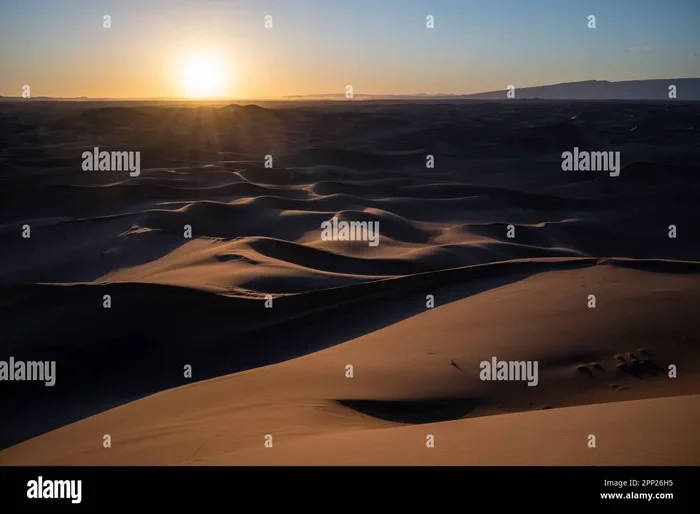
Featured image for Erg Chegaga desert dunes sunset
Image source: c8.alamy.com
A 9-day excursion from Marrakech to Erg Chegaga is the most immersive way to experience southern Morocco, blending imperial cities, Atlas Mountain passes, ancient kasbahs, and the remote Sahara dunes that mass tourism rarely touches. Unlike shorter tours that only skim Erg Chebbi, this extended journey ventures deep into the wild Erg Chegaga, where towering dunes meet silence and star-filled skies. This guide covers everything you need: the route, highlights, packing tips, costs, and cultural insights to plan a perfect desert adventure.
Imagine standing on the edge of the Sahara, fifty kilometers from the nearest paved road, watching the sun sink behind a wall of golden dunes that seem to stretch forever. Now imagine doing this without rushing back to a tour bus. A 9-day excursion from Marrakech to Erg Chegaga gives you exactly that freedom: time to absorb Morocco’s most dramatic landscapes, time to share mint tea with Berber families, and time to let the silence of the desert change something inside you. This comprehensive guide explains everything about one of Morocco’s most rewarding adventure routes.
Erg Chegaga remains Morocco’s best-kept desert secret. While thousands of travelers flock annually to Erg Chebbi near Merzouga, fewer than 10% of Sahara visitors ever reach Chegaga’s remote dunes. Located roughly 350 kilometers from Marrakech by the most scenic route, this dune sea covers about 40 kilometers in length and rises to heights exceeding 90 meters in places. The journey to reach it becomes the destination itself.
Whether you are a solo traveler seeking solitude, a couple chasing romance under star-filled skies, or a small group of friends wanting adventure, this guide will help you plan the perfect 9-day desert expedition. We’ll cover the full itinerary, cultural insights, practical logistics, and insider tips drawn from years of desert guiding experience.
Key Takeaways
- Extended Duration Advantage: 9 days allows slow travel through the Draa Valley, which shorter tours skip entirely.
- Erg Chegaga vs. Erg Chebbi: Chegaga is the largest undisturbed dune sea in Morocco, far less crowded than its famous cousin.
- Cultural Immersion: The route passes through Berber villages, ancient kasbahs, and sacred oases rarely visited by tourists.
- Scenic Variety: Expect four distinct landscapes: High Atlas, desert plateaus, palm valleys, and Saharan erg.
- Best Travel Season: October through April offers the most comfortable temperatures for desert camping.
- Authenticity Over Luxury: Expect simple comforts, nomadic hospitality, and starlit nights rather than resort-style amenities.
- Logistical Freedom: A private 9-day tour provides flexibility for photography stops and spontaneous detours.
📑 Table of Contents
- What Is the Marrakech to Erg Chegaga Excursion?
- Why Choose Erg Chegaga Over Erg Chebbi?
- When Is the Best Time to Take This Excursion?
- The Classic 9-Day Itinerary: Day by Day
- Where Does the Excursion Actually Go? Geographic Breakdown
- How Much Does the Excursion Cost and What’s Included?
- What to Pack: Practical Preparation Tips
- Choosing the Right Tour Operator
- Frequently Asked Questions
What Is the Marrakech to Erg Chegaga Excursion?
The 9-day Marrakech to Erg Chegaga excursion is an overland adventure route that crosses southern Morocco from the imperial city of Marrakech deep into the Sahara’s largest undisturbed erg. Think of it as a slow-motion movie of Morocco, where each day reveals a new chapter rather than rushing past highlights. The journey typically begins in Marrakech and ends either back in Marrakech or continues to Fes, depending on your preference.
Unlike standard 3 or 4-day desert tours that focus exclusively on camel trekking and dune sunsets, this extended route incorporates historical kasbahs, UNESCO World Heritage sites, palm-lined valleys, and authentic encounters with Berber and nomadic communities. The 9-day format gives travelers breathing room. Instead of driving six hours daily, most days involve three to five hours of scenic driving with ample stops for photography, exploration, and cultural exchange.
Who Is This Excursion Designed For?
This adventure suits travelers who want depth over speed. It appeals to:
- Slow travel enthusiasts who prefer immersive experiences over checklist tourism
- Photographers seeking dramatic light in varied landscapes
- Cultural curious travelers wanting genuine contact with rural Moroccan life
- Adventure seekers comfortable with basic desert camping
- Hikers and nature lovers drawn to oases, gorges, and remote valleys
The route is family-friendly for children aged 6 and above, though parents should prepare for long drives and rustic accommodations.
Why Choose Erg Chegaga Over Erg Chebbi?
Many first-time visitors to Morocco’s Sahara hear only about Erg Chebbi, the famous dunes near Merzouga. Yet Erg Chegaga offers something increasingly rare in modern travel: genuine solitude. Picture a beach that stretches for miles with no hotels, no vendors, and no crowds. That is exactly what Chegaga feels like.
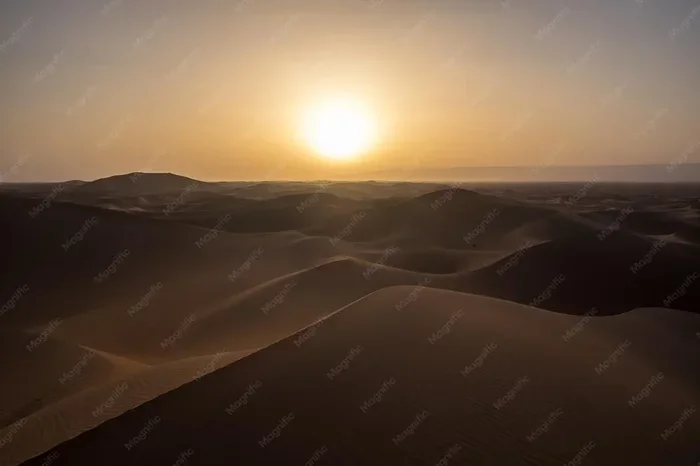
Visual guide about Erg Chegaga desert dunes sunset
Image source: img.freepik.com
Located about 350 kilometers west of Erg Chebbi, Chegaga remained largely inaccessible until the early 2000s due to lack of paved roads. Even today, only 4×4 vehicles can comfortably reach the main dune areas during certain seasons. This relative isolation has preserved an authenticity that mass tourism has eroded elsewhere.
Comparing the Two Dunes
Height and Size: Erg Chebbi rises to about 150 meters and covers roughly 30 square kilometers. Erg Chegaga reaches approximately 90 meters but spreads across more than 200 square kilometers of pristine sand. While Chebbi is taller, Chegaga is wilder.
Accessibility: Chebbi sits just 50 kilometers off the main paved road. Chegaga requires crossing Lake Iriqui (when dry) or a long piste through the Drâa-Tafagagast plateau.
Tourism Impact: Chebbi hosts dozens of luxury desert camps and sees hundreds of daily visitors in peak season. Chegaga has fewer than 20 permanent camp structures spread across its vast expanse.
The Feeling: Travelers consistently describe Chegaga as more “spiritual” and “timeless,” while Chebbi feels more “photogenic” and “developed.”
Did You Know?
The Sahara Desert covers approximately 9.2 million square kilometers, making it the largest hot desert in the world. Morocco’s portion of this vast sea, including both Erg Chebbi and Erg Chegaga, represents less than 1% of the total area, yet contains some of the most varied dune formations on Earth.
When Is the Best Time to Take This Excursion?
Timing dramatically affects the desert experience. Morocco’s Sahara region has three practical travel seasons, each offering distinct advantages.
Peak Season: October to April
The months between October and April provide the most comfortable daytime temperatures, typically ranging from 18°C to 28°C during the day and dropping to 5°C to 12°C at night. Winter nights can occasionally approach freezing, particularly in December and January. This period offers:
- Crystal-clear skies perfect for stargazing
- Mild hiking conditions in gorges and valleys
- Wildflowers blooming in the desert plateaus during March and April
- Fewer dust storms than summer months
Shoulder Season: May and September
These months offer warm but manageable conditions. Daytime temperatures climb to 32°C to 38°C, but nights remain pleasant. Tourist numbers thin slightly, giving more authentic village encounters.
Summer: June to August
Summer in the Sahara is extreme. Daytime temperatures regularly exceed 45°C in the dunes, and sand can reach surface temperatures of 60°C or more. Most experienced operators strongly discourage summer travel to the deep desert. However, the route’s northern portions (Atlas Mountains, Zagora region) remain tolerable.
Avoiding Common Pitfalls
Travelers often underestimate two factors: wind and Ramadan. Spring months (March-April) can bring the rare but dramatic Saharan wind events that reduce visibility to near zero. Ramadan dates shift yearly, and while travel remains possible, many restaurants close during daylight hours and village life slows considerably.
The Classic 9-Day Itinerary: Day by Day
Below is the most popular route variation, balancing iconic highlights with off-the-beaten-path discoveries. Total driving distance ranges from 1,400 to 1,600 kilometers depending on chosen detours.
Day 1: Marrakech to the High Atlas and Ait Benhaddou
The adventure begins with a scenic drive across the Tizi n’Tichka Pass (2,260 meters), where the road winds through Berber villages clinging to terraced hillsides. After approximately four hours, you arrive at Ait Benhaddou, a UNESCO World Heritage ksar that has served as a filming location for productions including Gladiator and Game of Thrones. An afternoon exploration reveals the mud-brick architecture that has remained largely unchanged since the 17th century. Overnight in Ouarzazate or Ait Benhaddou.
Day 2: Ouarzazate to the Draa Valley via Agdz
Morning visits to the Taourirt Kasbah and Atlas Film Studios precede the journey south toward the palm-lined Draa Valley. The drive through Agdz follows the ancient caravan route, with the volcanic Jbel Kissane mountain dominating the horizon. The valley contains over 700,000 date palms across nearly 200 kilometers. Overnight in a traditional kasbah hotel near Zagora.
Day 3: Zagora Region and Desert Preparation
This day serves as a transition into deeper desert territory. Activities might include visits to local cooperatives producing argan oil, henna, or traditional textiles. The afternoon provides time for final preparations before entering the deep Sahara. Some itineraries include a short camel trek or 4×4 excursion into the nearby dunes of Tinfou or Nizwa as a warm-up experience.
Day 4: Into the Wild – Approaching Erg Chegaga
The real adventure begins as paved roads end and piste tracks begin. The route crosses the sacred Lake Iriqui (playa), a vast dried lakebed that fills with mirror-like water only in rare rainy years. This barren landscape, dotted with fossilized stromatolites, feels almost otherworldly. By late afternoon, the first massive dunes of Erg Chegaga appear on the horizon. Overnight in a Berber-style desert camp with traditional music and cuisine.
Day 5: Full Day at Erg Chegaga
This day belongs entirely to the Sahara. Sunrise camel treks to higher dunes reveal panoramic views extending over 50 kilometers. Midday brings rest in the shade of traditional nomadic tents. Afternoon activities include sandboarding on gentle dune slopes, exploration of oasis vegetation, or simply absorbing the silence. Evenings around the campfire feature traditional drumming under skies unobstructed by light pollution.
Day 6: Exploring the Chegaga Region
Beyond the main dune sea lie several hidden treasures. Day 6 might include visits to the Oum Laalag oasis, sacred to nomadic tribes, or excursions to the remote seasonal salt mines at Tghiit. Some routes add a visit to the abandoned settlement of Tisserdmine, where echoes of pre-Saharan trade routes remain visible in crumbling stone structures.
Day 7: Return via Foum Zguid and Tata
Leaving the dunes behind, the journey north follows the historic trans-Saharan route through Foum Zguid, a small oasis town that served as a vital caravan stop. The landscape transitions from Saharan sand to semi-arid plateaus dotted with acacia trees. Some itineraries include stops at painted rock sites featuring prehistoric imagery. Overnight in a desert auberge.
Day 8: Anti-Atlas and Traditional Berber Villages
The Anti-Atlas Mountains, older than the High Atlas, reveal a different Morocco. Villages here maintain stronger traditions, with women often wearing distinctive face tattoos and elaborate silver jewelry. Stops might include painted granaries, the oasis of Taliouine (Morocco’s saffron capital), or traditional argan cooperatives. Overnight near Taroudant or Tafraout.
Day 9: Return to Marrakech
The final day winds through increasingly green landscapes as the route returns toward Marrakech. Stops often include a visit to a traditional souk for final shopping, or a relaxing pause at a mountain swimming spot during warmer months. Evening arrival in Marrakech allows for farewell dinner experiences.
Where Does the Excursion Actually Go? Geographic Breakdown
Understanding the geography helps travelers appreciate what makes this route special. The journey crosses four distinct geographical regions, each with unique characteristics.
High Atlas Crossing
The first major landscape feature is the High Atlas mountain range, with the Tizi n’Tichka pass reaching 2,260 meters. This section provides dramatic mountain scenery and Berber village encounters.
Pre-Saharan Valleys
The Draa and Ouarzazate regions form a transitional zone where mountains meet desert. Oasis agriculture has flourished here for centuries using sophisticated irrigation systems called “khettaras.”
Saharan Erg
The desert proper begins south of Zagora. The landscape includes reg (gravel plains), hamada (rocky plateaus), and finally erg (sand dunes). Erg Chegaga represents the climax of this geographical progression.
Anti-Atlas and Souss Plain
The return route traverses the Anti-Atlas, a geologically ancient range predating the dinosaurs, before descending into the fertile Souss Valley approaching Marrakech.
How Much Does the Excursion Cost and What’s Included?
Price ranges for 9-day Marrakech to Erg Chegaga excursions vary significantly based on accommodation standards, group size, and operator reputation. Understanding what’s included prevents unpleasant surprises.
Typical Price Ranges (2024-2025)
Budget operators charge from €600 to €900 per person for groups of 4 or more, typically staying in standard hotels and basic desert camps. Mid-range operators charge €900 to €1,400 per person, offering superior hotels with pools and upgraded desert tents with private bathrooms. Luxury private tours range from €1,500 to €2,500+ per person, featuring premium riads, private 4×4 vehicles, and exclusive desert camps with en-suite facilities.
Standard Inclusions
- Private 4×4 vehicle with driver/guide for the entire journey
- Fuel and all transportation
- Accommodation in hotels, riads, and desert camps
- Breakfast and dinner daily (half-board basis)
- Camel trekking at Erg Chegaga
- Airport transfers in Marrakech
What’s Typically Not Included
- Lunches (budget €10-15 daily)
- Drinks and personal expenses
- Entry fees to certain kasbahs or monuments
- Tips for drivers and camp staff
- Travel insurance
What to Pack: Practical Preparation Tips
Smart packing makes the difference between a comfortable journey and a frustrating one. Morocco’s desert climate requires specific preparation that surprises many first-time visitors.
Clothing Essentials
The key principle is layering. Desert temperatures can swing 20°C or more between day and night. Pack:
- Lightweight, loose-fitting long-sleeved shirts for sun protection
- A warm fleece or jacket for cool desert nights
- Comfortable walking shoes plus sandals for camp relaxation
- A scarf or shemagh for sand and sun
- Modest clothing for village visits (covering shoulders and knees)
Health and Safety Items
The desert environment demands respect. Essential items include high-SPF sunscreen, lip balm, a basic first-aid kit, rehydration salts, and any personal medications. The dry air dehydrates quickly, so a reusable water bottle becomes essential.
Cultural Considerations
Morocco is a Muslim country with conservative values in rural areas. Travelers should dress modestly when visiting villages, ask permission before photographing people, and respect prayer times. Small gifts like pens or school supplies are appreciated in remote communities but should never be given directly to children.
Did You Know?
The Berber people have inhabited North Africa for over 4,000 years, predating Arab arrival by millennia. They developed distinctive agricultural terrace systems, traditional irrigation methods, and a unique cultural identity that persists despite centuries of outside influence. Today, Berber languages (Tamazight) are officially recognized alongside Arabic in Morocco’s constitution.
Choosing the Right Tour Operator
Not all desert excursions are created equal. The difference between a transformative experience and a disappointing one often comes down to your choice of operator.
What to Look For
Reputable operators share several characteristics. They provide clearly written contracts, employ licensed guides with deep regional knowledge, maintain well-serviced 4×4 vehicles, and offer transparent pricing. They should also have established relationships with desert camps that treat staff ethically and follow sustainable tourism practices.
Red Flags to Avoid
Be cautious of operators who quote prices significantly below market rates, refuse to provide written confirmations, substitute vehicles at the last minute, or pressure you into “optional” activities once the tour begins. Genuine desert operations cannot sustain business at unrealistically low prices.
Questions to Ask Before Booking
- How many travelers typically share each vehicle?
- What is the guide’s experience level and language proficiency?
- Can dietary restrictions be accommodated?
- What happens in case of vehicle breakdown or sandstorm?
- Are desert camps permanent structures or tent-based?
- What is the cancellation policy?
Frequently Asked Questions
Question?
Answers will be provided in the FAQ section below.