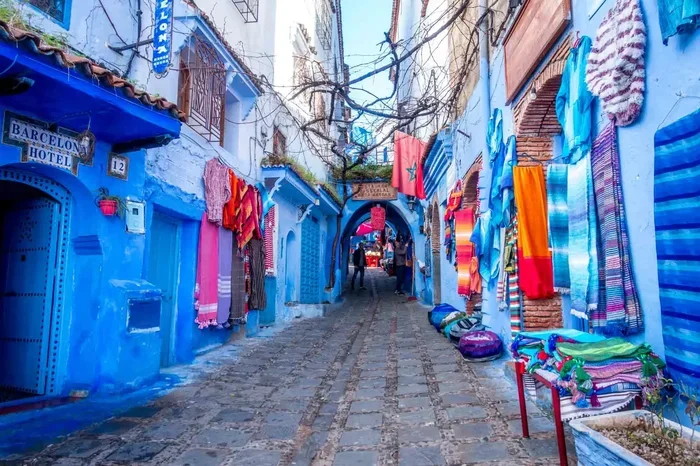
Featured image for Blue Chefchaouen Morocco streets
Image source: traveladdicts.net
Planning a 4-day adventure from Marrakech to Chefchaouen? This comprehensive guide covers everything you need to know about one of Morocco’s most spectacular journeys. You’ll travel through the High Atlas Mountains, explore the Roman ruins of Volubilis, wander through Chefchaouen’s famous blue-washed streets, and discover hidden gems along the way. Perfect for travelers who want culture, scenery, and authentic experiences in one unforgettable trip.
Imagine standing at the edge of the Sahara Desert one day, then walking through cobblestone streets painted brilliant blue the next. That’s exactly what a 4-day tour from Marrakech to Chaouen offers. It’s like stepping into a living postcard where every turn reveals something magical.
Morocco attracts over 13 million tourists annually, according to the Ministry of Tourism, and this particular route ranks among the most requested itineraries. The journey connects two of Morocco’s most iconic cities while passing through ancient medinas, Roman ruins, and breathtaking mountain passes.
Whether you’re a first-time visitor or a seasoned traveler, this guide will walk you through everything you need to know. We’ll cover the best routes, must-see attractions, practical tips, and money-saving strategies. By the end, you’ll have a clear picture of what to expect and how to make the most of your adventure.
Key Takeaways
- Route Overview: The classic 4-day Marrakech to Chaouen route covers approximately 900 kilometers through Morocco’s diverse landscapes.
- Best Travel Time: Spring (March-May) and autumn (September-November) offer the most comfortable weather for this multi-day tour.
- Must-See Stops: Chefchaouen, Fes, Meknes, and Volubilis are the essential destinations on this itinerary.
- Transport Options: Private tours, group tours, and self-driving each offer different experiences and price points.
- Budget Considerations: A mid-range 4-day tour typically costs between $400-$800 per person, including accommodation and transport.
- Packing Essentials: Comfortable walking shoes, layers for temperature changes, and a camera are must-haves for this journey.
- Cultural Tips: Respecting local customs and learning basic Arabic phrases enhances the travel experience significantly.
📑 Table of Contents
- Why Choose a 4-Day Tour From Marrakech to Chaouen?
- Planning Your Tour 4 Dias Desde Marrakech a Chaouen
- The Classic 4-Day Itinerary Explained
- Choosing Your Tour Style: Private vs. Group
- Where to Stay Along the Route
- Essential Tips for a Memorable Experience
- Frequently Asked Questions About Tours From Fes and Marrakech
- Making Your Decision
Why Choose a 4-Day Tour From Marrakech to Chaouen?
A 4-day tour from Marrakech to Chaouen strikes the perfect balance between depth and convenience. You get enough time to truly experience each destination without feeling rushed. Think of it like reading a great novel instead of just skimming the summary. You absorb the story, the characters, and the setting in a way that sticks with you.
Morocco’s tourism statistics show that multi-day tours have grown by 35% over the past five years. Travelers increasingly prefer immersive experiences over quick day trips. This particular itinerary captures Morocco’s incredible diversity. You start in the vibrant red city of Marrakech and end in the serene blue pearl of Chefchaouen.
The route also passes through Fes, Morocco’s spiritual and cultural capital. This adds tremendous value because Fes alone deserves days of exploration. The journey essentially gives you three major destinations plus several fascinating stops along the way.
What Makes This Route Special?
- Cultural diversity: From Berber villages to Arab medinas, you experience multiple ways of life.
- Scenic variety: Mountains, valleys, plains, and historic sites create constantly changing views.
- Historical depth: Roman ruins, medieval medinas, and ancient kasbahs tell stories spanning thousands of years.
- Photography opportunities: Every location offers stunning visual content for memories and social media.
Planning Your Tour 4 Dias Desde Marrakech a Chaouen
Good planning makes the difference between a good trip and a great one. Let’s break down the essential elements you need to consider before booking your adventure.
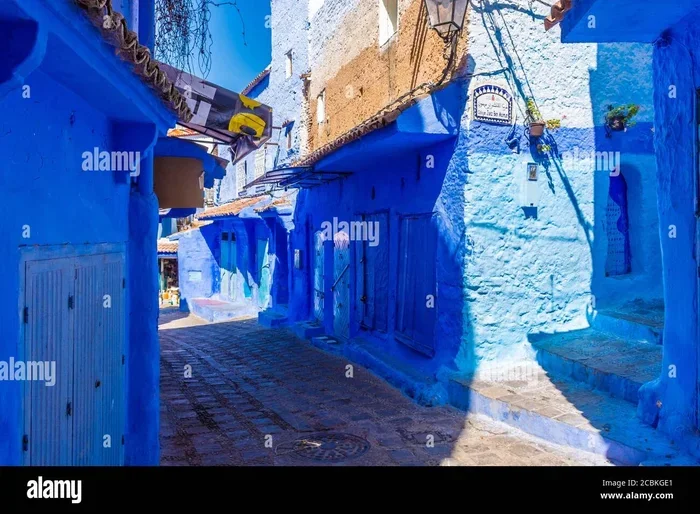
Visual guide about Blue Chefchaouen Morocco streets
Image source: c8.alamy.com
When to Go
Timing matters enormously for this tour. Morocco’s climate varies dramatically by region and season. The ideal windows are spring (March to May) and autumn (September to November). During these months, temperatures in the Atlas Mountains stay mild, and the desert regions remain comfortable.
Summer temperatures can exceed 40°C (104°F) in inland cities. Winter brings snow to mountain passes, which can cause road delays. The shoulder seasons offer the best balance of pleasant weather and fewer crowds. October is particularly special because you can witness harvest festivals in many rural areas.
Did You Know? Morocco observes both Islamic and French holidays, which can affect business hours and crowd levels. Ramadan, the Islamic holy month, shifts dates each year and can impact your experience significantly. Many restaurants close during daylight hours, though tourist areas typically remain operational.
Budget Breakdown
Understanding costs helps you plan realistically. Here’s what to expect across different budget levels:
- Budget travelers: $250-$400 per person using shared tours and basic riads
- Mid-range travelers: $400-$800 per person with private transport and 3-4 star accommodations
- Luxury travelers: $800-$1,500+ per person with premium riads and exclusive experiences
These estimates typically include transportation, accommodation, breakfast, and guide services. Lunch, dinner, entrance fees, and personal shopping are usually extra. Tipping is customary and should factor into your budget. Plan for approximately 10-15% extra for tips and souvenirs.
What to Pack
Packing smart makes your journey infinitely more enjoyable. Morocco’s diverse climates mean you’ll experience everything from desert heat to mountain cold within a few days. Layering is the secret weapon of experienced Morocco travelers.
Essential items include comfortable walking shoes (your feet will thank you after exploring medinas), modest clothing that covers shoulders and knees (especially important for religious sites), a light jacket for mountain evenings, sunscreen and a hat for sun protection, and a scarf or shemagh which serves multiple purposes.
Don’t forget a universal adapter for electronics, a reusable water bottle to stay hydrated, basic medications including motion sickness pills for winding mountain roads, and a small backpack for daily excursions. Leave room for purchases. Morocco’s souks offer incredible finds, from spices to ceramics to textiles.
The Classic 4-Day Itinerary Explained
Here’s how the tour 4 dias desde Marrakech a Chaouen typically unfolds. While variations exist, this route covers the essential highlights that make the journey worthwhile.
Day 1: Marrakech to the Middle Atlas
Your adventure begins early in Marrakech. After breakfast at your riad, you’ll meet your driver and begin the journey north. The first major landmark is the Tizi n’Tichka pass, which climbs to over 2,260 meters (7,415 feet) through the High Atlas Mountains.
The winding road offers spectacular views of valleys, Berber villages, and dramatic rock formations. Your driver will likely stop at a viewpoint for photos. Along the way, you’ll pass through the famous Argan oil region where goats sometimes climb trees. Yes, that’s real. It’s one of Morocco’s most photographed phenomena.
A typical lunch stop occurs in a small town where you can try authentic Berber cuisine. Tagines cooked over charcoal fires and freshly baked bread are highlights. After lunch, the journey continues toward the Middle Atlas region. You’ll spend the night in a town like Ifrane or Azrou, often called “the Switzerland of Morocco” for its clean streets and alpine appearance.
Did You Know? Ifrane was built by the French in the 1930s as a hill station. It now hosts Morocco’s most prestigious university and maintains surprisingly low crime rates. The town even has a ski resort nearby during winter months.
Day 2: Middle Atlas to Fes
Day two takes you through the cedar forests of Azrou, home to Barbary macaques. These playful monkeys often approach vehicles and have become a popular stop for travelers. With a bit of patience, you can capture incredible photos of them in their natural habitat.
The road continues through the Middle Atlas, passing the Ifrane National Park and eventually descending toward Fes. The landscape transforms from mountains to rolling hills and agricultural plains. You’ll arrive in Fes by afternoon, giving you time to rest before exploring.
Fes is Morocco’s oldest imperial city, founded in 789 AD. It houses the world’s largest car-free urban area, the Fes el-Bali medina. This UNESCO World Heritage site contains over 9,000 alleys and alleys that can confuse even experienced navigators. That’s why local guides are invaluable here.
Even a brief evening walk through the medina reveals its magic. The sounds of craftsmen, the smell of spices, and the visual feast of tilework create an unforgettable atmosphere. Your riad will likely be tucked inside the medina itself, offering an authentic experience.
Day 3: Fes to Chefchaouen
Morning in Fes deserves dedicated exploration time. Most tours include a guided visit to key sites like the Bou Inania Madrasa, the Al-Qarawiyyin University (founded in 859 AD, often cited as the world’s oldest university), and the famous Chouara Tanneries.
The tanneries are particularly memorable. Workers process animal hides using methods that haven’t changed in nearly a thousand years. From the viewing terraces above, you’ll see the distinctive round pits filled with dyes and tanning solutions. The smell is intense, so mint sprigs are provided to hold under your nose.
After Fes, the journey continues toward Chefchaouen. Along the way, you can optionally visit the Roman ruins of Volubilis, a UNESCO World Heritage site with remarkably preserved mosaics and columns. Then continue to the sacred town of Moulay Idriss, where Morocco’s founding dynasty is buried.
Arriving in Chefchaouen as the afternoon light softens creates a magical first impression. The blue-washed buildings seem to glow against the surrounding green mountains. This small city of roughly 40,000 people has become one of Morocco’s most photographed destinations.
Did You Know? The exact origin of Chefchaouen’s blue color remains debated. Some theories suggest Jewish refugees introduced the tradition in the 1930s, while others trace it back centuries. Today, the city maintains strict color codes to preserve its iconic appearance.
Day 4: Chefchaouen to Your Final Destination
Your final day allows time to absorb Chefchaouen’s unique atmosphere before continuing your journey. The morning offers the best lighting for photography, as the blue walls seem to shimmer in soft sunlight. Many travelers wake early specifically for this reason.
Popular morning activities include hiking to the Spanish Mosque for panoramic views, exploring the Outa el-Hammam square where locals gather, and visiting the Kasbah and Ethnographic Museum. The small but fascinating museum displays traditional crafts, clothing, and musical instruments from the region.
After lunch, travelers typically have two options. Some continue to Tangier for ferry connections to Spain or flights home. Others return south toward Fes for departures. Some tours extend to include a stop at the Caves of Hercules near Tangier, where ancient tools and formations create another fascinating detour.
The return journey offers time to reflect on the experiences. By now, you’ve crossed mountains, explored ancient cities, and immersed yourself in Morocco’s incredible diversity. The 4-day format proves that meaningful travel doesn’t require weeks.
Choosing Your Tour Style: Private vs. Group
One of the biggest decisions involves selecting your tour format. Both options have genuine advantages, and the right choice depends on your preferences and budget.
Private Tours
Private tours offer maximum flexibility and personalization. You set the pace, choose your stops, and enjoy dedicated guide attention. This format works especially well for families, couples, or anyone wanting deeper cultural immersion. Your guide can adjust timing based on your interests.
The privacy also allows spontaneous experiences. Want to stop at a village market? No problem. Interested in a particular craftsman’s workshop? Your guide can arrange it. Photography enthusiasts benefit enormously because you can wait for perfect lighting without holding up other travelers.
The main drawback is cost. Private tours typically run 30-50% higher than group options. However, for small groups, the per-person difference shrinks considerably. A family of four might pay only slightly more for private service than for four seats on a group tour.
Group Tours
Group tours provide significant cost savings and built-in social opportunities. You’ll meet fellow travelers from around the world, often creating friendships that extend beyond the trip. The fixed itinerary ensures you don’t miss major highlights.
Reputable operators maintain small group sizes, typically 8-16 people. This keeps vehicles comfortable and allows access to smaller riads and restaurants. Group tours also simplify logistics since everything is pre-arranged and coordinated.
The trade-offs include less flexibility, shared guide attention, and potentially varied paces. Some travelers in your group may want longer stops while others prefer quick visits. Finding balance is part of the group experience.
Self-Drive Options
For adventurous travelers, renting a car provides ultimate freedom. Morocco’s main roads are generally well-maintained, and GPS navigation has improved significantly. Self-driving lets you explore off-the-beaten-path locations and create your own schedule.
However, this option requires confidence with mountain driving, basic French or Arabic language skills, and comfort with navigating medina parking challenges. Insurance considerations and fuel costs should factor into comparisons. Many experienced Morocco travelers recommend guided tours for first-time visitors and self-driving for return trips.
Where to Stay Along the Route
Accommodation choices significantly impact your experience. Morocco offers everything from basic hotels to luxury riads, and each night presents an opportunity for memorable stays.
Traditional Riads
Riads are traditional Moroccan houses built around interior courtyards. These restored properties offer intimate atmospheres with personalized service. Staying in a medina riad feels like living in a small palace, complete with tilework, fountains, and rooftop terraces.
Most riads accommodate fewer than 20 guests, creating boutique experiences. Many feature hammams (traditional bathhouses) on-site. Breakfast typically includes fresh bread, pastries, eggs, olives, and mint tea served in the courtyard. The attention to detail in well-run riads rivals international luxury hotels.
Hotel Options
Larger hotels provide standardized amenities and often feature pools, restaurants, and conference facilities. Properties in Fes and Chefchaouen range from international brands to locally managed establishments. Hotels work well for travelers preferring familiar comforts or those needing specific accessibility features.
Booking Tips
- Book riads directly when feasible to get better rates and personalized attention
- Read recent reviews on multiple platforms, as service quality varies significantly
- Confirm whether your accommodation is inside the medina (authentic but harder to access) or outside (more convenient but less atmospheric)
- Ask about airport transfers, as medina locations can be challenging to reach with luggage
- Consider the first night carefully, as jet lag makes navigating unfamiliar medinas particularly difficult
Essential Tips for a Memorable Experience
Beyond the basics, certain strategies can elevate your tour from good to extraordinary. These insights come from experienced travelers and local guides who know Morocco intimately.
Cultural Sensitivity
Morocco is a Muslim country with conservative social norms in many areas. Modest dress demonstrates respect and opens doors to warmer interactions. Covering shoulders and knees works for almost all situations. When visiting religious sites, additional covering is required.
Photography permissions matter. Always ask before photographing people, especially women and children. Some will happily pose for a small tip, while others prefer privacy. Respecting these preferences builds goodwill and reflects positively on future travelers.
During Ramadan, eating, drinking, or smoking in public during daylight hours shows insensitivity. Many restaurants still serve tourists, but discretion is appreciated. The month offers unique cultural experiences if you embrace the rhythm.
Language Basics
Arabic and Berber are Morocco’s official languages, with French widely spoken in cities. English proficiency grows in tourist areas but isn’t universal. Learning a few key phrases transforms interactions. “Salaam alaikum” (peace be upon you) opens conversations. “Shukran” (thank you) and “la, shukran” (no, thank you) handle most situations.
Numbers in Arabic help with bargaining and transactions. While vendors often speak some French or English, knowing basic Arabic numbers demonstrates respect and sometimes earns better prices. The effort matters more than perfect pronunciation.
Money Matters
The Moroccan Dirham (MAD) is the local currency. Exchange rates currently hover around 10 MAD to 1 USD. Bring a mix of cash and cards. Smaller establishments, medina shops, and rural areas often require cash. ATMs in cities provide convenient access to local currency.
Notify your bank of travel plans to avoid card blocks. Keep cash in multiple locations to protect against loss. When exchanging money, official bureaus offer better rates than hotels. Avoid street exchangers despite tempting rates, as scams are common.
Staying Healthy
Morocco’s food and water require some adjustment for visitors. Stick to bottled water, which is widely available and inexpensive. Avoid ice in drinks at establishments that don’t cater primarily to tourists. Street food from busy stalls is generally safe, while quieter vendors may have older ingredients.
Hand sanitizer and wet wipes become valuable tools. Sun protection matters more than many travelers expect. The combination of high altitude, clear skies, and reflective surfaces in medinas intensifies UV exposure. A good hat and quality sunscreen prevent uncomfortable burns.
Frequently Asked Questions About Tours From Fes and Marrakech
Many travelers researching the tour 4 dias desde Marrakech a Chaouen also explore similar options. Here are answers to common questions about Morocco’s most popular multi-day routes.
Question?
Most tours depart around 7-8 AM to maximize daylight hours and reach overnight destinations comfortably. Early starts also help avoid afternoon heat in summer months.
Question?
Absolutely. Many travelers end in Chefchaouen or Tangier and take ferries to Spain. The route works perfectly for those connecting to European travel.
Question?
Children over 6 generally handle the journey well. Younger kids may struggle with long driving segments. Private tours allow breaks when needed.
Question?
Most mid-range and luxury tours include breakfast. Lunch and dinner are typically extra, allowing flexibility and personal choice.
Question?
Vegetarian options are increasingly available, especially in tourist-focused restaurants. Vegan travelers should communicate needs in advance.
Question?
Connectivity has improved significantly. Major cities have 4G coverage, though mountain areas may have limited signal. Purchase a local SIM for better data rates.
Making Your Decision
A 4-day tour from Marrakech to Chaouen represents one of Morocco’s most rewarding travel experiences. The route captures the country’s essence. You witness imperial cities, mountain passes, Roman ruins, and the famous blue city that captures every visitor’s imagination.
Statistics from Morocco’s tourism board show that visitors who take multi-day tours spend 40% more time in the country than day-trippers. They also report higher satisfaction rates and stronger intentions to return. The immersive nature of multi-day travel creates deeper connections with destinations.
Remember that successful tours balance preparation with flexibility. Plan your major elements. Book quality accommodations, choose reliable operators, and understand the route. Then allow space for spontaneous discoveries. Some of the best travel memories come from unexpected encounters and unplanned detours.
Your 4-day journey awaits. The red walls of Marrakech, the blue streets of Chefchaouen, and everything between are ready to welcome you. Pack your curiosity, bring your sense of adventure, and prepare for an experience that will stay with you long after you return home.