
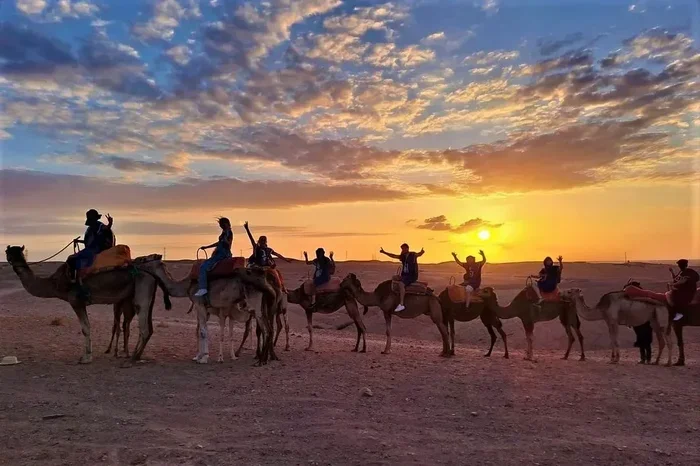
Featured image for Agafay desert sunset camel
Image source: moroccoculturaltours.com
A 9-day tour from Marrakech to the Agafay Desert offers the perfect blend of culture, adventure, and relaxation. This immersive journey takes you through ancient medinas, snow-capped Atlas Mountain passes, and the surreal lunar landscape of Agafay. Ideal for travelers seeking an authentic Moroccan experience, this itinerary balances guided exploration with free time to soak in the magic. From camel rides at sunset to traditional tagine dinners under the stars, every moment is crafted for unforgettable memories.
Marrakech is a city that hits your senses like a wave—spicy air, bright colors, and the constant hum of life. But beyond its red walls lies a Morocco few travelers fully experience. A 9-day tour from Marrakech to the Agafay Desert is your ticket to seeing the country’s full spectrum, from snow-dusted mountains to desert silence, in one well-paced journey.
Think of this trip like a nine-course meal. Each day brings a new flavor: bustling medinas today, cool mountain air tomorrow, and finally, the quiet magic of a desert sunset. Unlike rushed three-day tours, nine days let you actually breathe in each place. You’ll chat with a Berber nomad over mint tea, watch artisans hammer copper in ancient squares, and fall asleep under stars so bright they feel close enough to touch.
What makes the Agafay Desert special? It’s not the Sahara’s massive dunes, but something rarer—a stark, rocky landscape just 45 minutes from Marrakech that feels like another planet. Locals call it the “desert of Marrakech,” and standing there at golden hour, with the Atlas Mountains glowing pink behind you, you’ll understand why.
Key Takeaways
- Duration & Pace: A 9-day itinerary allows deep exploration without rushing, covering Marrakech, the Atlas Mountains, and Agafay Desert at a comfortable pace.
- Cultural Immersion: You’ll visit UNESCO-listed sites like Ait Ben Haddou and experience Berber traditions through homestays and local guides.
- Scenic Diversity: The route shifts from bustling souks to mountain valleys and finally to the stark, beautiful Agafay Desert—a “mini-Sahara” just outside Marrakech.
- Adventure Options: Camel treks, 4×4 desert excursions, and optional hot air balloon rides provide varied ways to engage with the landscape.
- Practical Timing: The best seasons are spring (March-May) and autumn (September-November) when temperatures are mild and skies are clear.
- Authentic Stays: Accommodations range from traditional riads to luxury desert camps, offering comfort while preserving local character.
- Who It’s For: Perfect for first-time visitors, culture lovers, and photographers wanting a comprehensive yet relaxed Moroccan adventure.
📑 Table of Contents
- What Exactly Is This Tour and Who Is It For?
- Why Choose a 9-Day Itinerary Instead of Shorter Options?
- Where Does This Tour Take You? A Day-by-Day Journey
- When Is the Best Time to Take This Tour?
- How Much Does This Tour Cost and What’s Included?
- What Should You Pack and Prepare?
- What Are the Most Common Concerns and Solutions?
- How Does This Tour Compare to Alternatives?
- What Unique Experiences Make This Tour Special?
- Conclusion: Is This Tour Right for Your Travel Style?
- Frequently Asked Questions
What Exactly Is This Tour and Who Is It For?
A 9-day tour from Marrakech to the Agafay Desert is a guided journey that loops through Morocco’s most iconic landscapes, starting and ending in Marrakech. It typically covers imperial cities, mountain passes, and concludes with a unique desert experience in Agafay—a rocky, dune-free desert that offers a different vibe from the famous Sahara.
This trip is designed for travelers who want depth, not just snapshots. It’s perfect if you’re a first-time visitor to Morocco who wants a comprehensive overview, a photographer chasing diverse landscapes, or a culture enthusiast eager to understand Berber heritage. Unlike extreme adventure treks or luxury-only retreats, this tour balances guided experiences with personal exploration time.
Who Typically Books This Tour?
- Couples and honeymooners seeking romantic desert sunsets and boutique riads
- Solo travelers (many tours offer single rooms) wanting safe, structured travel
- Small groups of 4-12 people who enjoy shared experiences without massive crowds
- Families with older children (usually 12+) ready for moderate adventure
- Photography enthusiasts drawn to light, color, and varied scenery
Did you know? Agafay is one of only two “deserts” in the world located near a major city and a mountain range. This unique geography creates surreal micro-climates where you can be in snowy mountains at dawn and desert-like terrain by afternoon.
Why Choose a 9-Day Itinerary Instead of Shorter Options?
You might wonder: why nine days? Morocco packs an incredible amount of diversity into a small area. In nine days, you can transition smoothly from the chaos of Marrakech to the calm of the Atlas Mountains, then to the stark beauty of Agafay, without feeling like you’re speed-dating landscapes.
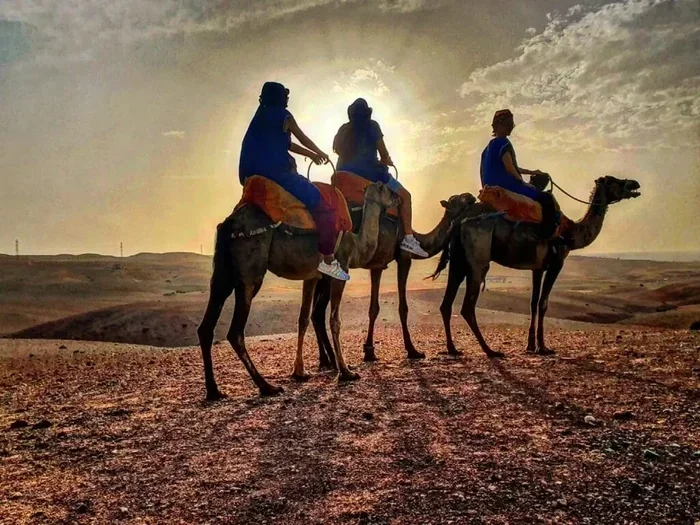
Visual guide about Agafay desert sunset camel
Image source: camelridemarrakech.com
Shorter tours (3-4 days) often force you to choose between the Sahara’s giant dunes or mountain exploration. Nine days lets you have both experiences, plus add cultural depth through cooking classes, medina tours, and visits to villages where time moves differently. It’s the difference between reading a book’s summary and actually reading the book.
The Benefits of a Slower Pace
Traveling slower isn’t just comfortable—it’s transformative. With nine days, you avoid “tourist burnout,” that exhausted feeling from constant hotel changes and rushed bus rides. You get evenings free to wander souks at your own pace, mornings to journal on riad rooftops, and the mental space to actually connect with the places you visit.
- Better cultural understanding: Longer stays in each region mean deeper conversations with locals
- Healthier travel: Less stress, more sleep, better digestion of new foods
- Photography advantages: Time to revisit locations during golden hour
- Spontaneity: Room to follow unexpected interests, like a local festival or market day
Where Does This Tour Take You? A Day-by-Day Journey
While exact routes vary by operator, a classic 9-day Marrakech to Agafay tour follows a southern loop. Here’s a typical breakdown of what you’ll see and experience:
Days 1-2: Marrakech and Surroundings
Your adventure begins in the “Red City.” Most tours include airport pickup and a welcome dinner where you’ll meet your guide and fellow travelers. Day two often features a guided medina tour—think of it as a treasure hunt through twisting alleys. You’ll visit the buzzing Jemaa el-Fnaa square, the soul of the city, where storytellers, snake charmers, and food stalls create nightly theater.
Many tours include visits to the stunning Bahia Palace and the Saadian Tombs, then a walk through the Majorelle Garden—a blue oasis that feels like stepping into a painting. The day often ends with rooftop dinner overlooking the medina lights.
Days 3-4: Atlas Mountains and Berber Villages
Heading south, you’ll cross the High Atlas via the Tizi n’Tichka pass. At over 7,400 feet, this mountain road offers views that feel like flying. Some tours stop at a women’s argan cooperative where Berber women extract oil using traditional methods—it’s like watching history happen in real-time.
Day four typically includes a guided hike through the Ourika Valley or Ait Souka village. These green oases contrast beautifully with the dry plains ahead. You’ll likely enjoy a home-cooked Berber lunch in a village house, learning how to prepare tagine or mint tea.
Days 5-6: Ait Ben Haddou and Ouarzazate
Now you’re in “Hollywood Morocco.” The UNESCO-listed Ait Ben Haddou is a clay fortress that’s appeared in Gladiator, Lawrence of Arabia, and Game of Thrones. Walking through it feels like stepping onto a movie set—because it literally is one.
Ouarzazate, the next stop, is nicknamed the “Door of the Desert.” Its film studios (Atlas Studios and CLA Studios) offer fascinating tours showing how desert scenes are created. This region marks your transition from mountain landscapes to arid plains.
Days 7-8: Draa Valley and Agafay Approach
Many itineraries include a visit to the Draa Valley, Morocco’s longest river valley, lined with ancient kasbahs and palm groves. It’s a photographer’s dream, especially at sunrise when mist rises from the river.
By day eight, you’ll be heading back toward Marrakech but stopping in the Agafay Desert. Unlike the Sahara’s towering dunes, Agafay is a rocky, lunar landscape with rolling hills of grey and beige. It’s often called the “Marrakech Desert” because it’s so accessible—just 45 minutes from the city center.
Day 9: Agafay Desert Experience
Your final day is reserved for Agafay’s magic. Activities typically include:
- Camel rides at sunset across the rocky terrain
- Quad biking or 4×4 excursions through the desert hills
- Traditional Berber dinner around a campfire under the stars
- Live Gnaoua music performances in many luxury camps
- Stargazing—Agafay has minimal light pollution, making the Milky Way spectacular
Most tours end with a transfer back to Marrakech airport or hotel, usually by late afternoon on day nine.
When Is the Best Time to Take This Tour?
Timing can make or break your Moroccan adventure. The country has two main comfortable seasons and two challenging ones.
Spring (March to May)
This is arguably the best time. Temperatures hover around 70-80°F (21-27°C) in Marrakech and are slightly cooler in the mountains. The Atlas valleys bloom with wildflowers, and the desert, while warm, isn’t scorching. It’s also when many local festivals occur.
Autumn (September to November)
Very similar to spring, with the added bonus of harvest season. You’ll see almonds being processed, dates being harvested in oasis towns, and the light has a golden quality photographers adore. Temperatures are slightly warmer than spring but still pleasant.
Summer (June to August)
Summer is the challenging season. Marrakech regularly hits 104°F (40°C), and while Agafay is slightly cooler, midday desert heat can be intense. However, mountain sections remain comfortable. If you must travel in summer, prioritize early morning activities and afternoon pool time.
Winter (December to February)
Winter brings snow to the Atlas Mountains (which can occasionally close mountain passes temporarily) and cool nights in the desert (sometimes near freezing). Daytime temperatures are still mild—perfect for active touring, but pack warm layers for desert evenings.
Did You Know? The Agafay Desert stays 5-10°F cooler than Marrakech in summer and 5-10°F warmer in winter because of its altitude and open terrain. This makes it a year-round destination, unlike the deep Sahara which becomes extremely harsh in summer.
How Much Does This Tour Cost and What’s Included?
Tour prices vary widely based on accommodation level, group size, and inclusions. Understanding what you’re paying for helps you choose wisely.
Typical Price Ranges (2024-2025 estimates)
- Budget tours: $800-$1,200 per person (3-star riads, shared rooms, group transport)
- Mid-range tours: $1,500-$2,500 per person (4-star riads, mixed accommodation, small groups)
- Luxury tours: $3,000-$5,000+ per person (5-star riads, private tents, private guides)
What’s Usually Included
Most reputable tours include:
- Airport transfers
- 8 nights’ accommodation
- Daily breakfast and most dinners
- Air-conditioned transport (usually minivan or 4×4)
- English-speaking driver/guide
- Camel ride in Agafay
- Medina guided tours
- All entrance fees to monuments
What’s Usually Not Included
- International flights
- Travel insurance
- Lunches (allowing you to explore local eateries)
- Drinks and personal shopping
- Tips for guides/drivers (customary but discretionary)
- Optional activities like hot air balloon rides ($200-300)
What Should You Pack and Prepare?
Packing smart is the difference between a good trip and a great one. Morocco’s climate varies dramatically by region and season, so layering is key—think of it like an onion, with removable layers.
Essential Clothing
- Modest, lightweight clothing: Covers shoulders and knees for visiting religious sites
- A warm fleece or jacket: Essential for mountain passes and desert nights
- Comfortable walking shoes: Medinas have uneven cobblestones
- Sandals or easy-off shoes: Useful for entering mosques or homes
- Sun hat and sunglasses: The Moroccan sun is intense
Practical Items
- Reusable water bottle: Tap water isn’t drinkable, but bottled water is widely available
- Power adapter: Morocco uses Type C and E plugs (European style)
- Headlamp or flashlight: Useful for desert camps and power outages
- Small backpack: For day trips and camel rides
- Basic first-aid kit: Including rehydration salts and stomach remedies
Cultural Considerations
Morocco is a Muslim country, and respecting local customs enhances your experience. Dress modestly, especially in rural areas. During Ramadan, eating in public during daylight hours is frowned upon—many tours adjust meal times, but awareness is key. Always ask before photographing people, and use your right hand for greetings and eating.
What Are the Most Common Concerns and Solutions?
Even seasoned travelers have questions before a trip like this. Here are practical answers to frequent worries:
Is Morocco Safe for Tourists?
Morocco is one of Africa’s safest countries for tourists. Violent crime against visitors is rare. The main concerns are petty theft in crowded souks (watch your pockets) and aggressive touts in tourist areas. Traveling with a guide eliminates most of these issues. The tourist police are visible and helpful in major areas.
Will I Get Sick?
Traveler’s diarrhea affects some visitors, usually from bacteria in food. To minimize risk: stick to bottled water, avoid raw vegetables in cheap restaurants, eat fruits you can peel, and try the cooked street food rather than raw items. Most accommodations provide safe bottled water. If you have a sensitive stomach, bring probiotics and anti-diarrheal medicine.
How Strenuous Is the Tour?
Most 9-day tours are moderate in difficulty. You’ll walk 3-5 miles daily on uneven surfaces, but high-altitude hiking is optional. The camel rides are gentle, and 4×4 transfers handle rough roads. If you have mobility issues, inform your tour operator in advance—many can accommodate with modified vehicles and accessible riads.
Can I Customize the Itinerary?
Many operators offer “private tour” upgrades where you can adjust the pace, add activities (cooking classes, balloon rides, extra nights), or skip certain stops. Group tours are usually fixed, but guides often accommodate reasonable requests, like extra photo stops or visiting a specific market.
How Does This Tour Compare to Alternatives?
You might be considering a shorter tour or one that goes to the Sahara instead. Here’s how the 9-day Marrakech-Agafay route stacks up:
Versus 3-4 Day Tours
Shorter tours usually focus on either the Sahara (Merzouga) or the Atlas Mountains. They’re perfect if you’re short on time, but they feel rushed. You won’t see Marrakech in depth, and you’ll miss the cultural context that makes desert experiences meaningful.
Versus Sahara-Focused Tours (Merzouga)
Tours going to Merzouga see the famous Erg Chebbi dunes—massive, orange sand mountains. These tours are spectacular but require 3 days just for round-trip travel to the deep desert. Agafay offers a different beauty: stark, rocky, and more intimate, with better sunset views of the Atlas Mountains.
Versus Independent Travel
You can absolutely travel Morocco independently—many people do. However, a guided tour removes the stress of navigating medinas, haggling for taxis, and finding reliable accommodation. For first-time visitors, the convenience and local insight are worth the cost.
What Unique Experiences Make This Tour Special?
Beyond the famous sights, certain moments make this journey unforgettable. These are the “bucket list” memories travelers talk about for years:
Spending a Night Under Agafay’s Stars
The Agafay Desert has minimal light pollution. On clear nights, the Milky Way is so visible it looks 3D. Many luxury camps provide telescopes and astronomy guides. There’s something deeply moving about realizing the same stars lit this desert when nomads first crossed it centuries ago.
Learning to Make Traditional Moroccan Dishes
Many tours include a cooking class in a riad or village home. You’ll prepare tagine (slow-cooked stew), couscous, or pastilla (sweet-savory pie). Learning the spice combinations and cooking techniques connects you to centuries of culinary tradition—it’s like taking home a living souvenir.
Haggling in the Souks (With Guidance)
Souks are overwhelming without context. With a guide, you learn that the first price quoted is usually 40-50% too high, that smiling and walking away works, and that buying tea with your purchase often gets a better deal. It becomes a game rather than a stress.
Meeting Berber Nomads
In remote valleys, you’ll sometimes encounter semi-nomadic Berber families. Sharing mint tea with them (always accept when offered!) provides insights into a lifestyle that has remained largely unchanged for millennia. They often share stories about seasonal migration patterns and traditional medicine.
Did You Know? The word “Morocco” in Arabic, “Al-Maghrib,” means “the West” or “where the sun sets.” This poetic name reflects how ancient Arabs viewed the country—at the edge of the known world.
Conclusion: Is This Tour Right for Your Travel Style?
A 9-day tour from Marrakech to the Agafay Desert isn’t just a vacation—it’s a journey through time, culture, and some of Earth’s most diverse landscapes. From the sensory overload of Marrakech’s medinas to the contemplative silence of the Agafay dunes, this itinerary offers a complete Moroccan experience without the exhaustion of faster trips.
Who should book this tour? Anyone who wants to truly understand Morocco, not just photograph it. Travelers who appreciate both structured guidance and free time. People who want to taste, touch, and breathe in a different world. If that sounds like you, this 9-day adventure will reward you with memories that outlast any souvenir.
The beauty of Morocco lies in its contrasts—modern cities and ancient traditions, snowy mountains and sandy deserts, bustling souks and silent stars. This tour captures all of it. Pack your curiosity, leave your expectations at home, and prepare for a journey that will change how you see the world.
Frequently Asked Questions
How far is the Agafay Desert from Marrakech?
The Agafay Desert is approximately 45 minutes to 1 hour by car from central Marrakech, covering about 30-40 kilometers southwest of the city. This proximity makes it ideal for travelers who want a desert experience without the long journey to the Sahara. Many tours include Agafay on the final day before returning to Marrakech.
Is the Agafay Desert a real desert?
Yes and no. Agafay is classified as a “semi-arid desert” or rocky desert, characterized by stone plains and minimal vegetation. While it lacks the massive sand dunes of the Sahara, it offers a genuine desert experience with stark landscapes, traditional Berber camps, and the same sense of vast, open space. It’s often called the “Marrakech Desert” because of its accessibility.
What is the best month to visit Agafay Desert?
April, May, September, and October offer the most comfortable temperatures, typically between 70-85°F (21-29°C) during the day and 50-60°F (10-16°C) at night. These months also feature clear skies, perfect for stargazing and photography. Avoid July and August if heat sensitivity is a concern, as temperatures regularly exceed 100°F (38°C).
Can children join this 9-day tour?
Most tour operators welcome children aged 10 and above. The itinerary involves moderate walking, long drives between locations, and early mornings, which can be challenging for younger kids. Families with teenagers often find it ideal. Some operators offer family-specific guides and modified activities, like shorter camel rides and interactive cultural workshops.
Do I need a visa for Morocco?
Citizens of most Western countries (USA, UK, EU, Canada, Australia) can enter Morocco visa-free for stays up to 90 days. Your passport must be valid for at least 6 months beyond your entry date. Always check current requirements with your local Moroccan consulate, as regulations can change. No special tourist visa is needed for standard tour packages.
Is tipping expected on Moroccan tours?
Tipping is customary but not mandatory in Morocco. For guides and drivers, $5-10 per person per day is standard. Riad staff, restaurant servers, and camel handlers typically receive small tips ($2-5). Many tour operators provide tipping guidelines. While not obligatory, tipping acknowledges good service and is an important part of the local economy.