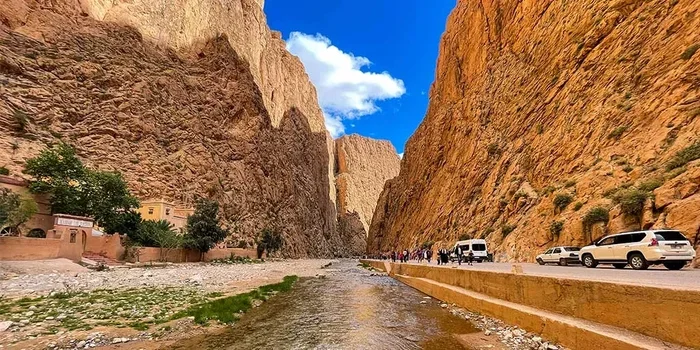
Featured image for Todra Gorge Morocco landscape
Image source: wanderingwagars.com
A 2 day tour from Marrakech to Todra Gorge is one of Morocco’s most rewarding short adventures, packing dramatic mountain scenery, ancient kasbahs, and Berber village life into just 48 hours. You’ll cross the stunning Atlas Mountains, wander through UNESCO-listed Ait Ben Haddou, and stand in awe before the 300-meter limestone cliffs of Todra Gorge. Perfect for travelers short on time but big on wanderlust, this itinerary delivers the real Morocco without needing a week off.
Picture this: you wake up in the chaos and color of Marrakech, and just 48 hours later, you’re standing at the bottom of a canyon so tall it makes skyscrapers look small. That’s the magic of a 2 day tour from Marrakech to Todra Gorge. It’s like swapping your office cubicle for a scene from Jurassic Park in just one weekend.
Morocco’s geography is wonderfully weird. You can have tea in a bustling medina one morning and hike through silent desert mountains the next. The Todra Gorge sits at the meeting point of the High Atlas and the Sahara’s edge, creating a landscape that looks painted by a very imaginative artist. This tour takes you there via the legendary Tizi n’Tichka mountain pass, through Hollywood-famous film locations, and into the heart of Berber country.
Whether you’re a solo traveler, a couple seeking adventure, or a family looking for something beyond the beach resort, this journey delivers. In this guide, we’ll walk you through everything you need to know: what you’ll see, how to prepare, what to pack, and how to make every moment count. Let’s hit the road.
Key Takeaways
- The route is time-efficient: A 2 day tour from Marrakech to Todra Gorge covers roughly 600 kilometers round trip, hitting the desert gateway of Ouarzazate and the famous Ait Ben Haddou along the way.
- Todra Gorge is the dramatic finale: The canyon walls rise 300 meters high and narrow to just 10 meters wide in places, making it one of the world’s most spectacular natural rock formations.
- Best seasons are spring and fall: March to May and September to November offer mild temperatures, perfect for hiking the gorge without summer heat or winter snow.
- You don’t need to be a hiker: The trails range from easy riverside walks to moderate cliffside scrambles, so all fitness levels can participate.
- Budget options start around €80: Shared group tours are wallet-friendly, while private tours offer flexibility and personalization for €150-€250 per person.
- Berber culture is the heart of the journey: You’ll visit traditional villages, see mud-brick architecture, and share mint tea with locals who have called these mountains home for centuries.
- Pack smart, not heavy: Comfortable shoes, layers for temperature swings, sunscreen, and a sense of adventure are the only essentials you truly need.
📑 Table of Contents
What Is the Todra Gorge and Why Does It Matter?
The Todra Gorge is a massive canyon carved by the Todra River over millions of years, tucked into the eastern slopes of the High Atlas Mountains in Morocco. Think of it like nature’s own cathedral, except the walls reach up to 300 meters (almost 1,000 feet) high, and the choir is replaced by the sound of rushing water and wind echoing off stone.
Here’s what makes it special: the gorge narrows dramatically in sections, squeezing down to just 10 meters wide while the cliffs tower overhead. You can literally touch both walls at once in the tightest spots. This geological wonder has made it a favorite spot for rock climbers from around the world, with routes ranging from beginner-friendly to genuinely terrifying.
The Geological Story
Picture a giant knife slicing through a stack of pancakes, but instead of pancakes, it’s limestone, and instead of a knife, it’s a river that has been working for about 200 million years. That’s roughly how Todra Gorge was formed. The reddish and beige rock walls show off millions of years of Earth’s history in visible layers.
Did you know? The gorge is part of a larger system that includes the nearby Dadès Gorge. Together, they form a natural corridor through the Atlas Mountains that has been used by traders, nomads, and invaders for thousands of years. Ancient caravans carrying gold, salt, and slaves once passed through these very cliffs.
Why Travelers Fall in Love With It
There’s something about Todra that hits different. Maybe it’s the contrast between the warm, sun-baked rocks and the cool, clear river. Maybe it’s the tiny green palm groves tucked against the cliffs like secret gardens. Or maybe it’s the fact that Berber families still live in mud-brick homes right at the canyon’s mouth, living much as their great-grandparents did.
The Moroccan Tourism Board reports that the Todra region welcomes over 100,000 visitors annually, and that number grows each year. It ranks as one of the top natural attractions in the country, alongside the Sahara dunes and the Atlas peaks.
What Does a Typical 2-Day Itinerary Look Like?
Most Marrakech to Todra Gorge 2 day tours follow a similar pattern, though each operator adds their own flavor. Here’s a realistic breakdown of how your 48 hours will unfold, like a movie with two acts.
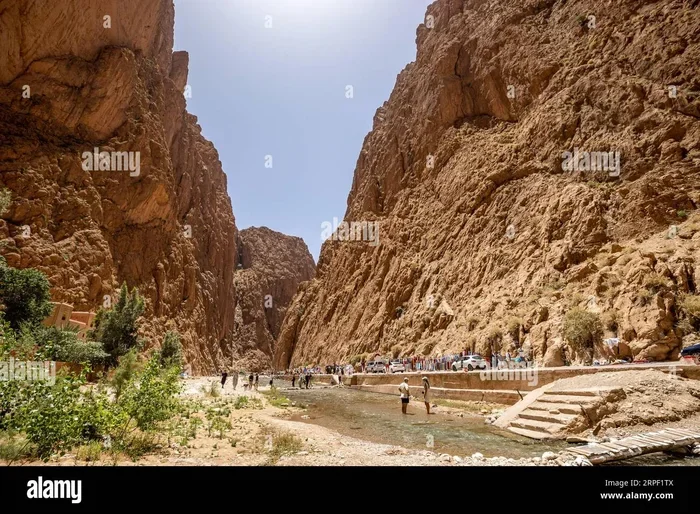
Visual guide about Todra Gorge Morocco landscape
Image source: c8.alamy.com
Day One: The Journey East
Your adventure begins early, usually around 7 or 8 AM, when your guide picks you up from your Marrakech hotel or a central meeting point. The minibus (or 4×4 if you’ve upgraded) heads southeast toward the Atlas Mountains.
The first stop is Tizi n’Tichka Pass. At 2,260 meters above sea level, this is the highest paved mountain pass in Morocco. The road winds up in tight switchbacks, and on clear days, you can see all the way to the plains beyond. Your guide will likely pull over for photos and to let your stomach settle.
Next comes Ait Ben Haddou. This UNESCO World Heritage Site is a fortified village (ksar) made entirely of mud-brick, and it’s been featured in movies like Gladiator, Lawrence of Arabia, and Game of Thrones. Walking through it feels like stepping onto a film set, because it essentially is one. You’ll have time to explore the narrow alleys, climb to the top for panoramic views, and visit artisan workshops.
Lunch typically happens in Ouarzazate, often called the “Gateway to the Sahara.” This small city is home to film studios and kasbahs. A traditional Moroccan lunch of tagine (slow-cooked stew) or couscous is usually on the menu.
The afternoon drive continues through the Valley of the Roses and the Skoura palm oasis, where you might spot kasbahs rising from date groves like sand castles.
By evening, you arrive in the Todra Gorge area, usually in Tinghir or a nearby village. You’ll check into a simple but comfortable hotel or riad, enjoy dinner together, and rest up for the next day’s adventures.
Day Two: The Gorge and the Return
Morning comes with a traditional Moroccan breakfast: fresh bread, olive oil, honey, jam, mint tea, and sometimes eggs. Then it’s time to explore Todra Gorge itself.
You’ll start with a guided walk into the canyon. The first section is wide and easy, with a paved path running alongside the river. As you go deeper, the walls close in, and the temperature drops noticeably. The light filtering down through the narrow opening above creates dramatic shadows and that golden glow photographers love.
After the gorge walk, many tours include a visit to a nearby Berber village. You’ll meet local families, see how bread is baked in clay ovens, and learn about traditional weaving. Mint tea is almost always offered, and accepting it is a sign of respect.
Lunch happens mid-day, then the journey back to Marrakech begins. The return route sometimes takes you through different scenery, perhaps including a stop at a local market or a viewpoint overlooking a valley.
You’ll arrive back in Marrakech around 7 or 8 PM, tired but loaded with stories, photos, and a deeper understanding of Morocco’s diverse landscapes and cultures.
Who Should Take This Tour and What Will You Need?
The beauty of this trip is its accessibility. You don’t need to be an athlete, a mountain goat, or a geography professor to enjoy it. But certain types of travelers will love it more than others.
Who It’s Perfect For
- Time-pressed travelers: If you have just a weekend in Morocco, this tour packs maximum wow into minimum time.
- Nature lovers: The scenery is genuinely breathtaking, from mountain passes to canyon walls to palm oases.
- Culture enthusiasts: Berber villages, ancient kasbahs, and traditional crafts offer deep cultural immersion.
- Photography fans: Every turn offers a postcard-worthy shot, especially in the golden morning and late-afternoon light.
- Families with older kids: Children aged 8 and up generally handle the trip well, especially if they’re used to road trips.
What You’ll Need to Bring
Packing for this tour is refreshingly simple. Here’s your checklist:
- Comfortable walking shoes: Hiking sneakers or light boots work great. The gorge path is rocky in places.
- Layered clothing: Mornings can be chilly in the mountains (5-15°C), while afternoons warm up nicely (20-25°C).
- Sun protection: A hat, sunglasses, and SPF 30+ sunscreen are essential. The Moroccan sun is no joke.
- Reusable water bottle: Stay hydrated, especially during the gorge walk. Most vehicles carry drinking water.
- Camera or phone with storage: You’ll take more photos than you think. Bring extra memory or a power bank.
- Small daypack: For carrying water, snacks, sunscreen, and your camera during the hikes.
- Modest scarf or layer: Useful for sun protection or for visiting religious sites in villages.
- Cash in small bills: For tipping guides, buying crafts, or market purchases. Moroccan dirhams are preferred, but euros are often accepted.
Pro tip: Leave the fancy jewelry and expensive watches at home. You’ll be in casual, dusty, outdoor environments. Comfort beats style on this trip.
Fitness Level Required
The walks in Todra Gorge are rated easy to moderate. The main gorge path is flat and well-maintained for the first kilometer or two. If you want to venture deeper or climb the side trails, you’ll need reasonable balance and stamina, but nothing extreme. Most people aged 10 to 70 can enjoy the basic gorge walk without issues.
When Is the Best Time to Take This Tour?
Timing matters more than you might think. Morocco’s climate varies wildly by season, and the right month can make your trip amazing while the wrong one can leave you sweating buckets or shivering in a snowstorm.
Spring (March to May)
This is arguably the sweet spot. Temperatures in the gorge hover between 15°C and 25°C, wildflowers bloom in the valleys, and the landscape turns impossibly green. You’ll see almond trees blossoming in February and March, with roses appearing later in spring. The skies are usually clear, and the light is perfect for photography.
Autumn (September to November)
The second-best window offers similar benefits to spring but with harvest season vibes. Dates are being picked in the oases, and the markets are bursting with pomegranates, figs, and walnuts. Temperatures are slightly warmer than spring but still comfortable, and tourist crowds thin out after October.
Summer (June to August)
Summer works, but with caveats. While Marrakech bakes at 40°C+, the mountains and gorge offer some relief, with Todra often 10-15 degrees cooler than the city. However, midday temperatures in the gorge can still hit 35°C+, making the hike uncomfortable. Early morning tours fare better. If summer is your only option, start the gorge walk at sunrise.
Winter (December to February)
Winter brings snow to the Atlas passes, which is beautiful but can occasionally cause road closures or delays. The gorge itself stays relatively mild (5-15°C during the day), but nights are cold, especially in mountain guesthouses. This season offers fewer tourists and lower prices, but expect some flexibility in your itinerary.
Ramadan Considerations
During the Islamic month of Ramadan, many restaurants close during the day, and the rhythm of life changes. Some travelers find this fascinating; others find it inconvenient. Tours still operate, but meal options may be limited to pre-dawn breakfasts and sunset feasts. Check the Islamic calendar for current dates before booking.
How to Book Your Tour and What to Expect Price-Wise
Booking a 2 day tour from Marrakech to Todra Gorge is straightforward, with several options depending on your budget and travel style.
Booking Channels
You can book through several reliable channels:
- Online platforms: GetYourGuide, Viator, and Booking.com offer pre-packaged tours with verified reviews and easy cancellation policies.
- Local agencies: Once in Marrakech, you’ll find dozens of agencies in the medina offering these tours. Prices are often negotiable, but quality varies wildly.
- Hotel recommendations: Your riad or hotel can usually arrange a tour, often with vetted guides they’ve worked with for years.
- Direct operators: Companies like Marrakech Desert Trips, Todra Gorge Tours, and Sahara Discovery specialize in this exact route.
Price Ranges
Here’s what you can realistically expect to pay per person:
- Shared group tours: €80 to €150 per person, usually including transport, guide, one night’s accommodation, breakfast, and dinner.
- Private tours (2 people): €250 to €400 total, offering flexibility in timing and stops.
- Private tours (4+ people): €150 to €250 per person, great value for families or friend groups.
- Luxury upgrades: €300+ per person for tours featuring 4×4 Land Cruisers, high-end riads, and gourmet meals.
Watch out for hidden costs: some tours quote low prices but charge extra for Ait Ben Haddou entrance fees, lunches, or tips. Always confirm what’s included before booking. As a rule of thumb, tipping your driver and guide €5-€10 each per day is appreciated but not mandatory.
What Makes a Good Tour Operator
Not all tours are created equal. Look for these markers of quality:
- Licensed guides: Official Moroccan tourism guides carry ID cards. Don’t be shy about asking.
- Small group sizes: Tours with 12-15 people or fewer offer better experiences than 30-person bus trips.
- Recent reviews: Check TripAdvisor, Google, or booking platforms for reviews from the past 6-12 months.
- Clear itineraries: Reputable operators spell out exactly what’s included and what isn’t.
- English-speaking guides: Confirm your guide speaks your language fluently, especially if you don’t speak French or Arabic.
Where Else to Go and What to Add to Your Trip
The Todra Gorge is amazing, but if you have flexibility, consider extending your adventure. The region is packed with treasures within a few hours’ drive.
Nearby Extensions Worth Considering
Merzouga and the Sahara Dunes: Adding 2-3 more days takes you to the famous Erg Chebbi dunes, where you can ride camels, sleep in a desert camp, and watch the sunrise over sand seas. Many operators offer combined 3 or 4 day Marrakech to Todra to Merzouga tours.
The Dadès Gorge: Often called the “Valley of a Thousand Kabs,” this neighboring gorge has its own dramatic scenery, including the famous “monkey fingers” rock formations. It’s only 40 kilometers from Todra and often included in extended tours.
Skoura and the Rose Valley: Between Ouarzazate and Todra lies a chain of oases and kasbahs. The Valley of the Roses blooms in April and May, when rose petals are harvested for rosewater and cosmetics.
Fez or Chefchaouen: If you’re starting from Fes instead of Marrakech (as this article’s category suggests), reverse routes are available. Many travelers combine both cities with a desert loop, creating a 5-7 day circuit.
If You’re Short on Time
For travelers truly limited to two days, the standard Todra itinerary is your best bet. You can, however, request small adjustments like spending sunset in the gorge (golden hour is magical there) or adding a stop at a specific kasbah your guide recommends.
Conclusion
A 2 day tour from Marrakech to Todra Gorge is the kind of trip that resets your sense of what’s possible in a weekend. In just 48 hours, you cross towering mountain passes, walk through ancient fortified villages, meet Berber families who have lived in these mountains for centuries, and stand at the bottom of one of the world’s most spectacular natural canyons.
It’s a journey that engages every sense: the smell of tagine cooking over open fires, the sound of the Todra River echoing off limestone walls, the feel of ancient mud-brick under your fingers at Ait Ben Haddou, the sight of palm oases glowing green against red desert cliffs, and the taste of fresh mint tea shared with new friends.
Morocco has a way of surprising you. You think you’re signing up for a quick getaway, and you come home with stories you’ll tell for years. Whether you’re a first-time visitor or a seasoned traveler, this tour offers something rare: genuine transformation compressed into a short time frame.
So pack that daypack, charge your camera, and get ready. The Atlas Mountains are calling, and Todra Gorge is waiting. Your adventure starts the moment you step outside your Marrakech hotel and into the waiting minibus.
Have questions about planning your Moroccan adventure? Drop them in the comments below or reach out to local tour operators for personalized advice. Safe travels, and enjoy the journey of a lifetime.
Frequently Asked Questions
How long does the drive from Marrakech to Todra Gorge take?
The drive takes roughly 6-7 hours each way, but it’s broken up with scenic stops at Tizi n’Tichka Pass, Ait Ben Haddou, and Ouarzazate, so it never feels tedious. Most of the road is well-paved and offers stunning views, though the mountain switchbacks can be slow going.
Is the Todra Gorge walk suitable for children?
Yes, the main path through the gorge is suitable for children aged 6 and up. The walk is flat and easy for the first 1-2 kilometers, with paved sections. Younger kids might need carrying for parts, but most families find it very manageable. Older children often love spotting rock climbers on the cliff faces.
What should I wear for the tour?
Wear comfortable, breathable layers that you can add or remove as temperatures change. Modest clothing is respectful, especially in villages, so avoid very short shorts or sleeveless tops in rural areas. Sturdy walking shoes are essential, and a light jacket or fleece is useful for cool mornings and evenings in the mountains.
Are meals included in the tour price?
Most standard tours include breakfast and dinner, but lunches are often not included or are optional add-ons costing around €10-€15. Dinners typically feature traditional Moroccan dishes like tagine or couscous. If you have dietary restrictions, inform your tour operator in advance so they can accommodate you.
Can I do this tour if I’m traveling solo?
Absolutely. Solo travelers often join shared group tours, which is a great way to meet other adventurers while keeping costs down. Single supplements may apply for private rooms, but many operators will pair solo travelers with same-gender roommates to avoid extra fees. Just confirm the policy when booking.
What happens if it rains or snows during the tour?
Light rain rarely disrupts tours, as the gorge is beautiful in misty conditions. Heavy snow on the Atlas Pass can occasionally cause delays or route changes, but operators usually have backup plans. Tours run year-round in nearly all weather, and your guide will adjust the itinerary to keep everyone safe and comfortable.