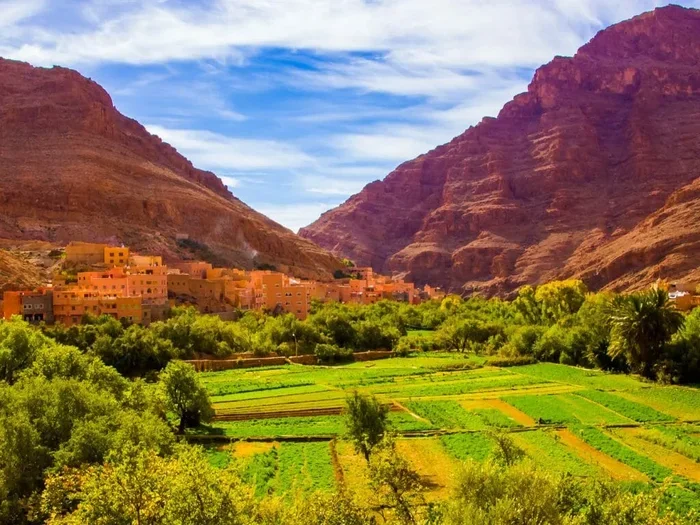
Featured image for Marrakech Dades Valley landscape
Image source: steppestravel.com
A 13 day tour from Marrakech to Dades Valley is the perfect way to experience Morocco’s most iconic landscapes and cultural treasures in one unforgettable journey. This extended itinerary combines imperial cities, sweeping desert dunes, and breathtaking mountain gorges, giving travelers time to truly absorb the rhythm of Moroccan life. From camel treks in Merzouga to exploring ancient kasbahs in Ait Ben Haddou, every day brings a new adventure and lasting memory.
Imagine waking up to the call to prayer echoing over a red sandstone city, riding a camel into the heart of the Sahara as the sun sets behind golden dunes, and winding through rose-scented valleys where ancient kasbahs still stand watch over their sleepy villages. This is exactly what a 13 day tour from Marrakech to Dades Valley promises, and honestly, it’s one of the most rewarding travel experiences you can have in North Africa.
Morocco is a country that rewards travelers who slow down. With only a week, you might race through the highlights and leave feeling like you barely scratched the surface. With two full weeks, though, the country opens up. You get to chat with Berber shopkeepers over mint tea, watch the light shift across the Todra Gorge cliffs, and learn the difference between a medina and a kasbah by actually living it. A 13 day tour strikes the perfect balance between seeing everything and savoring it.
This guide will walk you through everything you need to know: what each day looks like, where you’ll sleep, what you’ll eat, how much it costs, and how to prepare. Think of this as your friendly travel handbook, written by someone who wishes they had this exact guide before their own trip.
Key Takeaways
- Duration and Scope: A 13 day tour covers over 2,000 kilometers, linking Marrakech, the Sahara, Fes, Chefchaouen, and Dades Valley.
- Best Travel Seasons: Spring (March-May) and autumn (September-November) offer the most comfortable temperatures for desert and mountain exploration.
- Cultural Depth: Two weeks allows genuine immersion in Berber villages, medina souks, and traditional riad stays.
- Desert Experience: A night in Merzouga’s Sahara Desert under the stars is a defining highlight of this itinerary.
- Scenic Variety: Expect dramatic shifts from the Atlas Mountains to Todra Gorge, rose-filled Dadès Valley, and coastal Essaouira.
- Practical Pacing: Two weeks prevents the rushed feel of shorter tours, with built-in rest days in Fes and Marrakech.
- Value: Multi-day tours typically cost €800-€1,500 per person, including transport, guides, and most meals.
📑 Table of Contents
- Why Choose a 13 Day Tour from Marrakech to Dades Valley?
- What Does the 13 Day Itinerary Look Like?
- Who Is This Tour Best Suited For?
- Where Will You Stay Along the Way?
- How Much Does a 13 Day Tour Cost?
- When Is the Best Time to Take This Tour?
- What Should You Pack?
- Frequently Asked Questions About the 13 Day Marrakech to Dades Valley Tour
- Final Thoughts: Is This Tour Right for You?
Why Choose a 13 Day Tour from Marrakech to Dades Valley?
You might be wondering, why 13 days specifically? Why not 7, or 10, or 21? The answer lies in Morocco’s geography. The country stretches from the Atlantic coast to the Algerian border, and the most iconic sights are scattered across vast distances. A week feels too rushed. Three weeks feels excessive for most travelers. Thirteen days hits the sweet spot.
Here’s the practical breakdown: Morocco spans roughly 446,550 square kilometers (about the size of California), but the main tourist circuit loops through several distinct regions. The Marrakech-to-Dades route covers the imperial cities, the High Atlas, the Sahara, and the stunning Todra and Dadès gorges. Trying to squeeze that into a week means spending 4-5 hours a day in a vehicle. With 13 days, you can break up the driving, add rest stops, and even include a coastal detour to Essaouira or the blue city of Chefchaouen.
Did You Know? Morocco welcomed over 14.5 million tourists in 2023, marking a strong recovery post-pandemic. Tour circuits that include the Sahara Desert remain the most popular, accounting for nearly 40% of all guided tours in the country.
The Inverted Pyramid of Moroccan Travel
Think of a 13 day tour like a layered cake. The top layer is the headline experience: the Sahara Desert and Dades Valley. That’s what most people come for. The middle layers are the supporting cast: Ait Ben Haddou, Ouarzazate, the Todra Gorge. The bottom layer is the foundation: Marrakech, Fes, and the cultural immersion that makes the whole trip meaningful. A well-designed 13 day itinerary reveals each layer at the right pace.
What Does the 13 Day Itinerary Look Like?
Let’s walk through a typical 13 day tour from Marrakech to Dades Valley. While exact routes vary by operator, the structure below reflects what most reputable tour companies offer. I’ll break it into phases so you can visualize the journey.
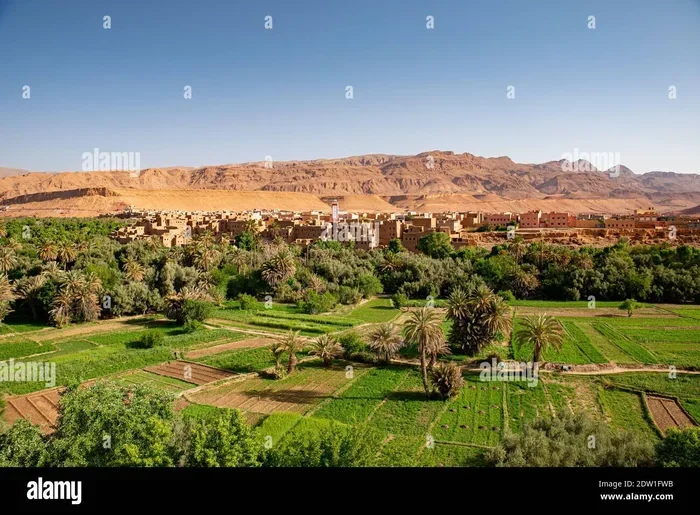
Visual guide about Marrakech Dades Valley landscape
Image source: c8.alamy.com
Phase 1: Marrakech and the Atlas Crossing (Days 1-3)
Your adventure begins in Marrakech, the “Red City” famous for its terracotta walls and bustling Jemaa el-Fnaa square. Day 1 is usually an arrival day, giving you time to settle into your riad (a traditional Moroccan guesthouse with an interior courtyard). On Day 2, you’ll explore the medina, the Koutoubia Mosque, the Saadian Tombs, and the vibrant souks where spices, lanterns, and leather goods compete for your attention.
Day 3 is when the wheels start turning. You’ll cross the High Atlas Mountains via the Tizi n’Tichka pass, which sits at 2,260 meters above sea level. The road winds through Berber villages clinging to hillsides, with snow-capped peaks in the distance. Lunch is often in a small mountain town, where you might try tagine for the first time. By evening, you’ll reach Ait Ben Haddou, a UNESCO World Heritage Site that has served as a backdrop for Gladiator, Game of Thrones, and Lawrence of Arabia.
Travel Tip: Pack layers for the Atlas crossing. Temperatures can drop 15°C between Marrakech and the mountain passes, even in summer.
Phase 2: The Road to the Sahara (Days 4-6)
After Ait Ben Haddou, the route continues to Ouarzazate, known as the “Hollywood of Africa” for its film studios. From there, you’ll skirt the edge of the Draa Valley, a stunning palm-lined oasis that stretches for kilometers. Day 5 typically ends in the desert gateway town of Merzouga or the nearby village of Erfoud.
Day 6 is the crown jewel: a camel trek into the Erg Chebbi dunes. These towering sand mountains can reach 150 meters high, and watching the sunset from atop a dune is something you’ll remember for decades. Most tours include an overnight in a Berber desert camp, where you’ll sleep in a traditional nomadic tent under more stars than you’ve ever seen.
Did You Know? The Sahara Desert covers 9.2 million square kilometers across 11 countries, but the Erg Chebbi dunes in Morocco are among the most accessible, located just 50 kilometers from the Algerian border.
Phase 3: Gorges, Valleys, and the Dadès (Days 7-9)
Leaving the desert, the landscape transforms dramatically. You’ll pass through Todra Gorge, where limestone cliffs rise 400 meters on either side of a narrow river canyon. It’s a favorite spot for rock climbers and photographers alike. Just an hour away lies the Dadès Valley, often called the “Valley of a Thousand Kasbahs” for its concentration of ancient fortified homes.
This is where your 13 day tour from Marrakech to Dades Valley gets its name. The Dadès region is famous for its rose gardens (especially in May during the Rose Festival), its dramatic rock formations known as “monkey toes,” and its welcoming Berber communities. Most tours spend at least two nights here, allowing time for hiking, visiting local cooperatives, and simply enjoying the slower pace of mountain life.
Travel Tip: The Dadès Valley is famous for its petrified fossils and ancient cave paintings. Ask your guide about the “Valley of the Roses” if you visit in late April or early May.
Phase 4: The Middle Atlas and Fes (Days 10-11)
From the Dadès Valley, the route climbs north through the Middle Atlas Mountains, passing through cedar forests where Barbary macaques roam freely. The town of Ifrane, often called “Little Switzerland of Morocco,” is a surprising stop with its clean streets and alpine-style architecture.
By Day 10 or 11, you’ll arrive in Fes, Morocco’s spiritual and cultural capital. Fes el-Bali, the old medina, is a UNESCO World Heritage Site and one of the world’s largest car-free urban zones. Getting lost here is part of the fun, but a local guide is highly recommended. Highlights include the Al-Qarawiyyin University (founded in 859 AD and often cited as the world’s oldest university), the Chouara Tanneries, and the beautifully tiled Bou Inania Medersa.
Phase 5: Chefchaouen and the Return (Days 12-13)
The final phase often includes a detour to Chefchaouen, the famous “Blue City” nestled in the Rif Mountains. Its washed-blue walls, cobblestone alleys, and mountain backdrop make it one of the most photographed places in Morocco. Many tours add this stop either on the way back from Fes or as an extension before returning to Marrakech or Casablanca for departure.
Day 13 is typically your departure day, with a transfer to the airport or a final night in Marrakech depending on your operator. Some tours end in Fes, others loop back to Marrakech. The choice often depends on your flight arrangements.
Who Is This Tour Best Suited For?
Not every traveler wants the same kind of trip. So who exactly thrives on a 13 day tour from Marrakech to Dades Valley? Let’s break it down.
First-Time Visitors to Morocco
If this is your first visit to North Africa, a 13 day tour is ideal. You get enough time to adjust to the culture, the food, and the pace without feeling overwhelmed. First-timers often appreciate the structure of a guided tour, especially in cities like Fes where the medina can feel chaotic.
Photographers and Nature Lovers
The route covers an incredible range of landscapes: red medina walls, snow-capped mountains, golden dunes, dramatic gorges, and lush valleys. If your camera roll fills up fast, this is your tour. Sunrise at Erg Chebbi and sunset over the Dadès are bucket-list moments.
Couples and Honeymooners
Many couples choose this exact itinerary for honeymoons or anniversary trips. The combination of luxury riads, private desert camps, and romantic landscapes ticks every box. Some operators offer upgrades to “glamping” tents with private bathrooms and even air conditioning in the desert.
Families with Older Children
Teenagers tend to love the camel ride and the desert camping. Younger kids may struggle with the long driving days, so age 10+ is the sweet spot for most families.
Where Will You Stay Along the Way?
Accommodation is one of the most delightful surprises of a Moroccan tour. Forget the idea of bland hotel chains. Most tours use a mix of traditional riads, kasbah-style hotels, and desert camps.
Riads: Morocco’s Hidden Gems
A riad is a traditional Moroccan house built around an interior courtyard, often with a fountain or small pool at the center. Rooms typically face inward, giving the home a peaceful, private feel despite being in the middle of a busy medina. Riads range from simple family-run guesthouses to boutique luxury properties with rooftop terraces overlooking the city.
Desert Camps: Sleeping Under the Stars
In Merzouga, you’ll trade the riad for a Berber-style tent camp. Standard tents include shared bathroom facilities, while premium options offer en-suite bathrooms, proper beds, and even solar-powered lighting. The real show, though, is the sky: with virtually no light pollution, the Milky Way stretches overhead in ways most city dwellers have never seen.
Mountain Hotels and Kasbahs
Along the Dadès Valley and in Ait Ben Haddou, you’ll often stay in converted kasbahs, fortified mansions that once protected wealthy families. These stone buildings have thick walls, cool interiors, and terraces with sweeping views of the surrounding valleys.
Travel Tip: Always check whether your tour includes “half board” (breakfast and dinner) or “full board” (all meals). Dinner is usually included in riads, but lunches are often on your own.
How Much Does a 13 Day Tour Cost?
Pricing varies widely based on accommodation level, group size, and what’s included. Here’s a realistic breakdown for 2024-2025.
Budget Options (€700-€1,000 per person)
You’ll share a minivan with other travelers, stay in 3-star riads and standard desert tents, and eat at local restaurants. Guides are typically English-speaking but not specialists. This is a solid option for backpackers and budget-conscious travelers.
Mid-Range Options (€1,000-€1,500 per person)
Most 13 day tours fall into this range. You’ll stay in 4-star riads, upgrade to premium desert camps with private bathrooms, and enjoy a mix of local and set-menu dining. Group sizes are usually 6-12 people.
Luxury Options (€1,800-€3,500+ per person)
Private tours with luxury riads, 4WD transport, exclusive desert camps with king-size beds and en-suite facilities, and dedicated guides. Some high-end operators even include hot air balloon rides over the Atlas Mountains or private cooking classes.
Did You Know? The Moroccan tourism industry employs over 500,000 people directly and contributes roughly 7% of the country’s GDP. Booking through licensed local operators ensures your money supports the communities you visit.
When Is the Best Time to Take This Tour?
Morocco’s climate varies dramatically by region, so timing matters. Here’s a month-by-month guide.
Spring (March-May): The Sweet Spot
This is peak season for good reason. Temperatures are mild across the country: 20-28°C in Marrakech, 25-35°C in the desert, and 15-22°C in the mountains. The Dadès Valley blooms with roses in May, and the desert is warm but not scorching. Book early, as spring fills up fast.
Summer (June-August): Hot but Doable
Desert temperatures can exceed 45°C in July and August, which makes midday travel uncomfortable. Coastal areas like Essaouira are popular escapes during this period. If you travel in summer, expect early morning departures and air-conditioned vehicles.
Autumn (September-November): The Second Peak
September and October offer similar conditions to spring but with fewer crowds. The desert cools down, the mountains are clear, and harvest season brings fresh produce to every meal. This is arguably the best time of year for a 13 day tour.
Winter (December-February): Quiet and Cool
Winter brings snow to the Atlas passes and chilly nights in the desert. Daytime temperatures are pleasant (15-22°C), but nights can drop below freezing in the mountains. Some remote desert camps close during this period. The trade-off? Lower prices and almost no tourists.
What Should You Pack?
Packing for a 13 day tour through multiple climate zones can be tricky. Here’s a streamlined list.
Clothing
Pack layers. You’ll want t-shirts and light pants for daytime, a fleece or warm jacket for the mountains, and a windbreaker for the desert evenings. Modest clothing is respectful, especially in rural areas: long pants and shirts that cover shoulders for both men and women.
Footwear
Comfortable walking shoes are essential for medina exploration. Sandals work for riads and desert camps, but sturdy soles are a must for the Todra Gorge hikes.
Health and Comfort
Sunscreen, sunglasses, and a hat are non-negotiable. A reusable water bottle helps you stay hydrated. Hand sanitizer and wet wipes are handy for roadside stops. If you take medication, bring a personal supply, as pharmacies in remote areas may not stock your specific brand.
Electronics
Morocco uses Type C and E plugs (European-style). Bring an adapter. A portable charger is useful for long driving days. Camera with extra batteries is recommended, especially for the desert nights.
Frequently Asked Questions About the 13 Day Marrakech to Dades Valley Tour
Is 13 days enough to see Morocco?
Yes, 13 days is one of the most popular durations for first-time visitors. It allows you to cover the imperial cities, the Sahara Desert, and the mountain gorges without feeling rushed. You won’t see everything, but you’ll experience the highlights at a comfortable pace.
Do I need a visa for Morocco?
Most Western travelers, including those from the US, EU, UK, Canada, and Australia, can enter Morocco visa-free for stays up to 90 days. Just make sure your passport is valid for at least six months beyond your travel dates.
Is the camel ride safe?
Yes, camel rides in Merzouga are very safe. The camels are well-trained, and guides lead them at a slow, steady pace. Even travelers with no riding experience usually find the experience comfortable. If you have back problems, mention it to your guide in advance.
What is the food like on the tour?
Expect a delicious mix of Moroccan staples. Tagine (slow-cooked stew with meat and vegetables), couscous (especially on Fridays), harira (a hearty tomato-based soup), fresh bread, and plenty of mint tea. Most tours include breakfast and dinner, with lunches on your own at local restaurants.
Can I customize the itinerary?
Many operators offer private tours that can be customized to your interests. Want to add Essaouira? Skip Chefchaouen? Spend an extra day in the desert? Just ask. Group tours are usually fixed, but private tours offer full flexibility.
Is Morocco safe for tourists?
Morocco is generally considered one of the safer countries in North Africa. Violent crime against tourists is rare. As in any country, watch out for pickpockets in crowded medinas, and be cautious when accepting unsolicited “help” from strangers, who may expect a tip. Overall, travelers consistently report feeling welcome and safe.
Final Thoughts: Is This Tour Right for You?
A 13 day tour from Marrakech to Dades Valley isn’t just a vacation; it’s a deep dive into one of the most diverse and welcoming countries on Earth. You’ll ride camels into the Sahara, walk through medinas that haven’t changed in centuries, share mint tea with Berber families, and sleep under skies so full of stars you’ll lose track of constellations.
Whether you’re a first-time visitor or a returning traveler looking for a deeper experience, 13 days strikes the perfect balance. Long enough to immerse, short enough to fit into a typical vacation allowance. Just remember to pack your sense of adventure, leave room in your suitcase for souvenirs, and prepare yourself for the kind of trip you’ll talk about for years to come.
Morocco is waiting. The desert, the mountains, the gorges, the cities, the people. All you have to do is say yes.