
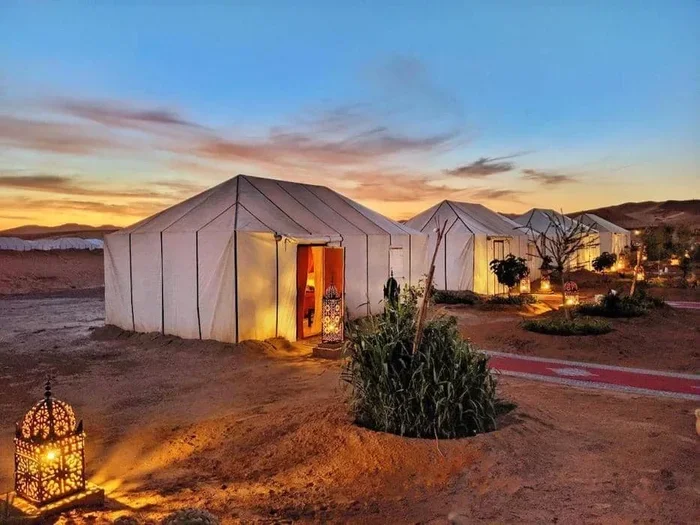
Featured image for Agafay Desert Sunset Camp
Image source: theevolista.com
A 5-day tour from Marrakech to the Agafay Desert offers an unforgettable adventure through Morocco’s stunning landscapes, from bustling souks to starlit dunes. This comprehensive journey combines cultural immersion, breathtaking scenery, and authentic Berber experiences just outside the imperial city. Perfect for travelers seeking a shorter desert escape, the Agafay Desert provides all the magic of the Sahara without the long drive. Get ready for camel rides, traditional meals, and memories that last a lifetime.
Picture this: you’re standing on golden sands as the sun melts into the horizon, painting the sky in shades of orange and purple. Behind you, a camel chews contentedly. Ahead, a cozy desert camp awaits with traditional music and mint tea. This is what awaits you on a 5-day tour from Marrakech to the Agafay Desert.
Morocco has long captured the imagination of travelers worldwide. The country welcomed over 14.5 million tourists in 2023, according to Morocco’s Ministry of Tourism. And among all the experiences Morocco offers, a desert adventure ranks at the top of most bucket lists. But here’s something many travelers don’t realize: you don’t need to journey deep into the Sahara to have an authentic desert experience. The Agafay Desert, located just outside Marrakech, offers all the magic with far less travel time.
This guide will walk you through everything you need to know about a 5-day Marrakech to Agafay Desert tour. We’ll cover the itinerary, what to expect, how to prepare, and tips to make your journey unforgettable. Whether you’re a solo traveler, a couple, or a family, this adventure promises memories that will last a lifetime.
Key Takeaways
- Agafay vs. Sahara: The Agafay Desert is a rocky desert just 45 minutes from Marrakech, offering a quicker alternative to the distant Sahara.
- 5-Day Itinerary: Most tours combine Agafay with Atlas Mountain visits, Berber village hikes, and stops at iconic sites like Ait Benhaddou.
- Best Time to Visit: Spring (March-May) and autumn (September-November) provide the most comfortable temperatures for desert exploration.
- What to Pack: Light layers, sun protection, comfortable walking shoes, and a camera are essential for this multi-day adventure.
- Cultural Experiences: Expect traditional Berber meals, camel rides, gnawa music performances, and overnight stays in luxury or authentic desert camps.
- Budget Considerations: Prices range from $400 to $1,500 per person depending on accommodation level, from standard tents to luxury glamping.
- Who This Tour Is For: Ideal for travelers with limited time who want a mix of culture, nature, and adventure in one package.
📑 Table of Contents
- What Makes the Agafay Desert Special?
- Your 5-Day Marrakech to Agafay Desert Itinerary
- Where to Stay: Accommodation Options
- What to Pack for Your Desert Adventure
- When to Go: Best Times for Your Desert Tour
- How to Choose the Right Tour Operator
- Budgeting for Your 5-Day Desert Tour
- Essential Cultural Tips for Travelers
- Why This Tour Stands Out
- Frequently Asked Questions
- Final Thoughts on Your Desert Adventure
What Makes the Agafay Desert Special?
The Agafay Desert is often called the “Desert of Marrakech” for good reason. Unlike the sandy dunes of the Sahara, Agafay is a rocky, lunar-like landscape that stretches across approximately 600 square kilometers. Think of it as nature’s own amphitheater, with rolling hills, sparse vegetation, and breathtaking views of the Atlas Mountains in the distance.
The Unique Landscape
Imagine standing on the surface of the moon, but with snow-capped mountains in the background. That’s Agafay in a nutshell. The desert features a mix of sandy patches, rocky plateaus, and dry riverbeds called “wadis.” During certain times of the year, these wadis fill with water, creating unexpected oases that attract birds and wildlife.
What makes Agafay truly special is its proximity to Marrakech. While the Sahara requires an 8-10 hour drive each way, Agafay sits just 30-45 minutes south of the city. This means less time on the road and more time enjoying the experience.
The Cultural Connection
The Agafay region has been home to Berber communities for centuries. These indigenous people of North Africa have maintained their traditions, language, and way of life despite modernization. When you visit Agafay, you’re not just seeing a desert; you’re entering a living cultural landscape.
The Berbers, also known as Amazigh (meaning “free people”), have a rich heritage that includes distinctive music, art, and cuisine. A visit to Agafay offers authentic encounters with this culture, from sharing meals in traditional tents to listening to stories passed down through generations.
Did You Know?
The word “Agafay” comes from the Berber language and refers to the rocky desert terrain. According to local legend, the area was once covered by a vast lake that dried up thousands of years ago, leaving behind the unique rocky landscape we see today. Some geologists actually support this theory, noting that the flat plateau structure resembles an ancient lakebed.
Your 5-Day Marrakech to Agafay Desert Itinerary
A well-planned 5-day itinerary balances adventure with relaxation, cultural immersion with natural beauty. Here’s a detailed breakdown of what most tours include, though specific stops may vary by operator.
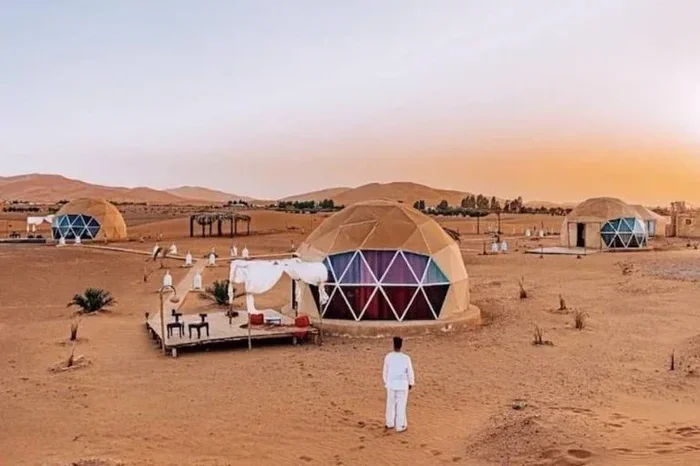
Visual guide about Agafay Desert Sunset Camp
Image source: theevolista.com
Day 1: Marrakech Exploration and Transfer to Agafay
Your adventure begins in Marrakech, Morocco’s fourth-largest city and a UNESCO World Heritage site since 1985. After breakfast, you’ll typically explore the medina (old city) with a local guide. Key highlights include:
- Jemaa el-Fnaa Square: The beating heart of Marrakech, filled with storytellers, musicians, snake charmers, and food stalls
- Koutoubia Mosque: The city’s iconic 12th-century landmark with its 77-meter minaret
- Bahia Palace: A stunning example of Moroccan architecture with intricate tilework
- Saadian Tombs: Hidden for centuries, these royal tombs date back to the 1500s
After exploring, you’ll travel south to the Agafay Desert. The journey takes about 45 minutes by 4×4 vehicle. Upon arrival, settle into your desert camp and enjoy a traditional Berber welcome with mint tea. As the sun sets, you’ll experience your first camel ride across the rocky landscape, followed by dinner under the stars.
Day 2: Atlas Mountains and Berber Villages
Day two takes you into the majestic High Atlas Mountains, home to North Africa’s highest peak, Mount Toubkal, which stands at 4,167 meters (13,671 feet). The mountains are home to numerous Berber villages that have preserved their traditional way of life for centuries.
Your day typically includes visits to:
- Imlil Village: A picturesque mountain town that serves as the gateway to Mount Toubkal
- Aroumd Village: A remote settlement accessible only by foot or mule
- Traditional Berber Homes: Many tours include visits to local families for mint tea
The mountain air is crisp and clean, a stark contrast to the desert heat. Lunch is usually a home-cooked Berber meal featuring tagine (a slow-cooked stew named after the clay pot it’s cooked in), fresh bread, and seasonal vegetables. The afternoon includes a guided hike through terraced fields and walnut groves before returning to your desert camp for the evening.
Day 3: Ait Benhaddou and Ouarzazate
Day three is often considered the highlight of the journey. You’ll travel through the stunning Tizi n’Tichka mountain pass, which reaches elevations of 2,260 meters (7,415 feet). Along the way, stops include:
Ait Benhaddou: This UNESCO World Heritage site is a fortified village (ksar) that has served as a filming location for Hollywood blockbusters like “Gladiator,” “Lawrence of Arabia,” and “Game of Thrones.” Walking through its ancient clay buildings feels like stepping back in time. The village has been used in over 20 major films, making it one of the most recognizable locations in cinema.
Ouarzazate: Known as the “Gateway to the Sahara,” this city is home to the famous Atlas Film Studios, where movies like “The Mummy” and “Kingdom of Heaven” were filmed. The city also features the impressive Taourirt Kasbah, once home to the Glaoui family who controlled the region in the early 1900s.
After exploring, you’ll return to the Agafay Desert for another night under the stars. Many camps offer additional activities like quad biking, stargazing, or traditional henna painting.
Day 4: Ourika Valley and Cultural Immersion
Day four offers a blend of nature and culture. The Ourika Valley, located in the Atlas Mountains, is famous for its seven waterfalls and lush greenery, a refreshing contrast to the desert landscapes.
Morning activities typically include:
- A guided walk to one or more of the valley’s waterfalls
- Visits to local markets where Berber women sell handmade goods
- A traditional argan oil demonstration (argan trees grow only in southwestern Morocco)
Did You Know? Morocco produces about 70% of the world’s argan oil. The extraction process is so labor-intensive that it takes approximately 30 hours to produce just one liter. Berber women have been performing this task for generations, often cracking the nuts by hand.
The afternoon is usually reserved for relaxation at your camp or optional activities. Many tours include a cooking class where you learn to prepare traditional Moroccan dishes like couscous or pastilla (a sweet and savory pie). The evening features a traditional music performance by a local gnawa band. Gnawa music, recognized by UNESCO as part of Morocco’s intangible cultural heritage, combines African rhythms with Islamic spiritual traditions.
Day 5: Return to Marrakech
Your final day begins with a peaceful morning in the desert. After breakfast, take one last walk through the landscape or enjoy a sunrise yoga session if your camp offers it. The return journey to Marrakech includes stops at:
- An argan oil cooperative: Learn how this “liquid gold” is produced
- A pottery village: Watch artisans craft traditional Moroccan ceramics
- Majorelle Garden: This iconic garden in Marrakech was once owned by fashion designer Yves Saint Laurent
Your tour typically concludes with drop-off at your hotel or the airport, leaving you with memories that will last a lifetime.
Where to Stay: Accommodation Options
The Agafay Desert offers a range of accommodation options to suit different budgets and preferences. Understanding your choices helps you pick the right experience for your travel style.
Luxury Desert Camps
Luxury camps in Agafay have gained international recognition, with features that rival five-star hotels. These include:
- Private tents with en-suite bathrooms and hot showers
- Plush bedding and traditional Moroccan décor
- Fine dining experiences with multiple course meals
- Swimming pools overlooking the desert
- Spa services and yoga platforms
Notable luxury options include Scarabeo Camp, La Pause, and Inara Camp. Prices typically range from $300 to $800 per night.
Standard Berber Camps
For travelers seeking authenticity without sacrificing comfort, standard Berber camps offer a balanced experience. These camps feature:
- Shared bathroom facilities (though some offer private options)
- Communal dining areas with traditional meals
- Bonfire gatherings with music and storytelling
- Basic but comfortable bedding
Prices for standard camps range from $80 to $200 per night. This option provides genuine cultural immersion while keeping costs reasonable.
Budget Options
Budget travelers can find basic desert camps and guesthouses in nearby villages. While amenities are simpler, the experience remains authentic. Prices start around $40 per night, often including meals and basic activities.
What to Pack for Your Desert Adventure
Packing smart makes the difference between a good trip and a great one. The desert environment presents unique challenges, from temperature swings to sun exposure. Here’s your essential packing list:
Clothing Essentials
- Light layers: Desert temperatures can swing 20+ degrees between day and night
- Sun hat: Essential for protection during midday activities
- Scarf or shemagh: Useful for sun protection and dust
- Comfortable walking shoes: For hikes and village exploration
- Sandals: For relaxing at camp
- Warm jacket: Winter nights can get surprisingly cold (near freezing)
Health and Safety Items
- Sunscreen (SPF 30+): The desert sun is intense
- Sunglasses: Protect your eyes from glare and dust
- Lip balm: The dry air can chap lips quickly
- Hand sanitizer: Useful during outdoor meals
- Basic first aid kit: Band-aids, pain relievers, and personal medications
- Reusable water bottle: Staying hydrated is critical
Other Useful Items
- Camera and extra batteries: You’ll want to capture everything
- Power bank: Electricity can be limited in remote camps
- Flashlight or headlamp: Helpful for walking around camp at night
- Notebook: For jotting down experiences and reflections
- Small gifts: If visiting Berber families, small items from your home country are appreciated
When to Go: Best Times for Your Desert Tour
Timing your visit correctly ensures comfortable weather and the best experience. Morocco’s climate varies significantly by season, and the desert amplifies these differences.
Peak Season (March-May and September-November)
These shoulder seasons offer the most pleasant conditions. Daytime temperatures hover around 75-85°F (24-29°C), while nights are cool but not cold. This is when most tours operate at full capacity, so booking in advance is recommended.
Summer (June-August)
Summer temperatures can soar above 100°F (38°C) in the desert. While some travelers don’t mind the heat, it can make activities like camel riding and hiking uncomfortable. If you must travel in summer, early morning and evening activities are preferable.
Winter (December-February)
Winter brings cool days and cold nights, with temperatures sometimes dropping below freezing. Snow occasionally falls on nearby Atlas Mountain peaks, creating dramatic backdrops. Winter travelers should pack warm clothing and be prepared for shorter days.
Did You Know?
The Agafay Desert experiences about 300 sunny days per year, making it one of the most reliable destinations for clear skies and stunning sunsets. This also makes it excellent for stargazing, with the Milky Way often visible to the naked eye on moonless nights.
How to Choose the Right Tour Operator
The quality of your experience largely depends on your tour operator. With dozens of companies offering similar itineraries, making the right choice requires research.
What to Look For
- Reputation and reviews: Check platforms like TripAdvisor, Google Reviews, and GetYourGuide
- Inclusion details: Ensure meals, transfers, and activities are clearly listed
- Group size: Smaller groups (6-12 people) offer more personalized experiences
- Guide quality: Look for licensed guides with good English or your preferred language
- Safety standards: Confirm vehicles are maintained and drivers are experienced
- Cancellation policies: Flexible options protect you from unexpected changes
Questions to Ask Before Booking
- What type of accommodation is included?
- Are entrance fees to attractions covered?
- What meals are included?
- Is travel insurance included?
- What is the maximum group size?
- Can dietary restrictions be accommodated?
Red Flags to Avoid
- Prices that seem too good to be true (often they are)
- Operators without proper licensing
- Companies with consistently poor reviews
- Unclear cancellation or refund policies
- Lack of written confirmation for bookings
Budgeting for Your 5-Day Desert Tour
Understanding the costs involved helps you plan effectively. Here’s a breakdown of what to expect.
Tour Package Costs
- Budget tours: $400-600 per person (shared accommodation, basic camps)
- Mid-range tours: $700-1,000 per person (private tents, quality camps)
- Luxury tours: $1,200-1,800+ per person (luxury camps, private guides)
What’s Typically Included
Most packages include transportation, accommodation, meals (breakfast and dinner typically; sometimes lunch), guided tours, and listed activities. International flights, travel insurance, tips, and personal expenses are usually extra.
Tipping Etiquette
Tipping is customary in Morocco. Budget approximately:
- 10-15% for tour guides
- $5-10 per day for drivers
- $2-5 for restaurant staff
- $2-3 for hotel/camp staff
Did You Know? Morocco’s tourism industry employs approximately 565,000 people directly, according to the Moroccan Ministry of Tourism. Your visit supports local communities and helps preserve cultural traditions.
Essential Cultural Tips for Travelers
Understanding local customs enriches your experience and shows respect for your hosts. Morocco is a moderate Muslim country, and while it’s very welcoming to tourists, being aware of cultural norms helps.
Dress Code
Morocco is relatively liberal compared to some neighboring countries, but modest dress is appreciated, especially in rural areas. Cover shoulders and knees in villages and religious sites. In the desert camps, casual comfortable clothing is fine.
Photography Etiquette
Always ask permission before photographing people, especially Berber women. Some villages charge a small fee for photos. In cities, be cautious about photographing government buildings or military personnel.
Language Basics
While Arabic and Berber are official languages, French is widely spoken in cities, and many guides speak English. Learning a few Arabic phrases enhances your experience:
- Salam alaikum: Hello (peace be upon you)
- Shukran: Thank you
- Inshallah: God willing
- La: No
- Na’am: Yes
Food and Dining Customs
Moroccan cuisine is among the world’s most distinctive. Meals are often communal, eaten from a shared plate using bread as a utensil. Try traditional dishes like:
- Tagine: Slow-cooked stew named after the conical clay pot
- Couscous: Friday’s traditional dish, served with vegetables and meat
- Pastilla: A unique sweet and savory pie
- Harrira: A hearty tomato-based soup
- Mint tea: Called “Moroccan whiskey,” it’s a symbol of hospitality
Why This Tour Stands Out
A 5-day Marrakech to Agafay Desert tour stands out because it offers the perfect balance of adventure, culture, and comfort in a compact timeframe. Unlike longer Sahara expeditions that eat up travel time, this itinerary maximizes experience while minimizing logistics stress.
The proximity to Marrakech means you don’t lose days to transportation. The diversity of activities appeals to different interests: history lovers enjoy Ait Benhaddou, nature enthusiasts appreciate the Atlas Mountains, and those seeking cultural immersion connect with Berber communities. Perhaps most importantly, the desert experience itself, watching stars from your tent, riding camels at sunset, sharing meals with travelers from around the world, creates memories that no luxury hotel or fancy restaurant can replicate.
Statistics show that desert tours consistently rank among the top-rated experiences in Morocco, with satisfaction rates above 90% on major travel platforms. This speaks to the universal appeal of the desert landscape and the warmth of Moroccan hospitality.
Frequently Asked Questions
Below are answers to the most common questions travelers ask about this desert adventure.
Final Thoughts on Your Desert Adventure
A 5-day tour from Marrakech to the Agafay Desert represents one of Morocco’s most rewarding experiences. It offers the perfect introduction to the country’s diverse landscapes, from bustling medinas to serene mountain valleys to the otherworldly beauty of the desert. The journey combines adventure with comfort, cultural immersion with natural wonder, and creates space for both excitement and reflection.
As you plan your trip, remember that flexibility is key. Weather, road conditions, and local events can shift schedules slightly. Embrace these moments as part of the adventure. Talk to your guides, ask questions, try new things, and step outside your comfort zone. These are the moments that transform a vacation into a life-changing experience.
The Agafay Desert has welcomed travelers for centuries, from ancient caravans crossing the Sahara to modern tourists seeking authentic experiences. When you visit, you become part of this ongoing story. The memories you create, the people you meet, and the landscapes you witness will stay with you long after you’ve returned home.
So pack your bags, charge your camera, and prepare for an adventure that promises to be everything you’ve dreamed of and more. The Agafay Desert awaits, ready to share its secrets with those willing to venture beyond the familiar.