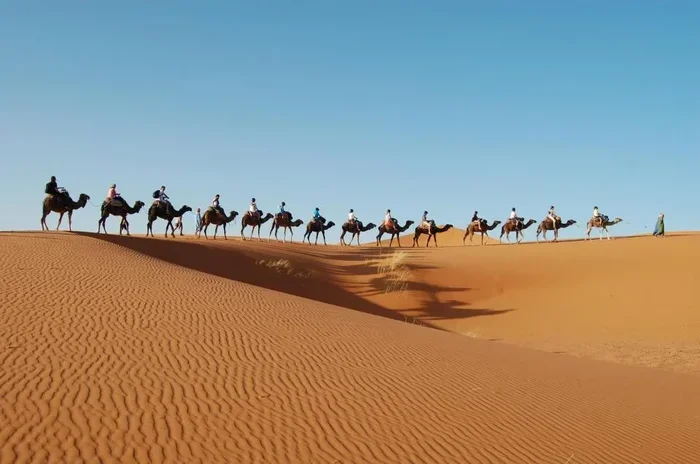
Featured image for Marrakech to Erg Chebbi dunes
Image source: salmatransportmarrakech.com
An 8-day tour from Marrakech to Erg Chebbi is the ultimate Moroccan desert adventure, combining imperial cities, ancient kasbahs, lush valleys, and the towering Sahara dunes. This journey offers a perfect blend of culture, nature, and authentic Berber experiences, including camel treks, luxury desert camps, and starlit nights in the Erg Chebbi dunes. Ideal for travelers seeking depth over speed, this itinerary covers everything from the High Atlas Mountains to the edge of the Algerian border, creating memories that last a lifetime.
Imagine waking up in a bustling medina, spending the afternoon winding through mountain passes, and ending your day watching the sun melt into golden sand dunes that seem to touch the sky. That is exactly what an 8-day tour from Marrakech to Erg Chebbi offers.
Many travelers dream of the Sahara but underestimate how far it stretches across Morocco. The distance from Marrakech to the towering dunes of Erg Chebbi is roughly 560 kilometers, and while some tours try to cover this in just a few days, the real magic happens when you slow down. Eight days gives you the breathing room to enjoy ancient kasbahs, walk through palm-lined oases, and share mint tea with Berber families in their mountain homes.
This guide walks you through everything you need to know about the tour: where you will go, what you will see, when to travel, why this route stands out, and how to make the most of every single day. Think of it as your personal roadmap to one of the world’s most unforgettable journeys.
Key Takeaways
- Best Route Choice: An 8-day itinerary is ideal for reaching Erg Chebbi comfortably from Marrakech, avoiding rushed travel while maximizing scenic stops.
- Diverse Landscapes: The tour passes through the Atlas Mountains, Todra Gorges, Draa Valley, and the Sahara Desert, offering dramatic scenery changes daily.
- Cultural Immersion: Travelers experience Berber villages, kasbahs, and UNESCO-listed sites like Ait Ben Haddou along the way.
- Desert Experience: Erg Chebbi’s dunes rise up to 150 meters, making them among the tallest in Morocco and a highlight of the trip.
- Adventure Activities: Camel rides, sandboarding, 4×4 excursions, and starlit desert dinners are core experiences.
- Practical Duration: Eight days allows for relaxed pacing, avoiding the exhaustion of faster 3-4 day desert tours.
- Year-Round Travel: The tour operates in all seasons, though autumn and spring offer the most comfortable desert temperatures.
📑 Table of Contents
- What Is the Tour From Marrakech to Erg Chebbi?
- The Detailed 8-Day Itinerary Explained
- Why Choose an 8-Day Tour Instead of a Shorter One?
- Best Time of Year to Take This Tour
- What to Pack for an 8-Day Marrakech to Erg Chebbi Tour
- Where to Stay During the Tour
- How Much Does the Tour Cost?
- Tips for Making the Most of Your Journey
- Conclusion: Is the 8-Day Marrakech to Erg Chebbi Tour Worth It?
What Is the Tour From Marrakech to Erg Chebbi?
The 8-day Marrakech to Erg Chebbi tour is a guided overland journey that crosses southern Morocco from the imperial city of Marrakech to the remote Saharan dunes of Erg Chebbi, near the village of Merzouga. It combines cultural sightseeing with natural wonders, taking travelers through the High Atlas Mountains, UNESCO World Heritage kasbahs, lush river valleys, dramatic gorges, and finally, the golden Erg Chebbi dunes.
Think of it as a cross-section of Morocco, like flipping through a living storybook. Each day reveals a new chapter: bustling souks, silent deserts, mud-brick fortresses, and star-filled skies. The tour is typically conducted in a comfortable 4×4 vehicle or minivan with an English-speaking driver-guide, though private and group options are widely available.
Unlike shorter trips that simply “touch” the desert and rush back, this 8-day version allows you to settle into each location. You will spend one or two nights in key places like the Dades Valley, Todra Gorges, and the desert itself, which transforms the trip from a checklist into a deep, immersive experience.
Who Is This Tour For?
This journey is perfect for travelers who want more than a quick photo at the dunes. It suits couples, families with older children, solo adventurers, photographers, culture enthusiasts, and even small groups of friends. If you have eight days to spare and a curiosity for authentic experiences, this tour fits.
What Makes Erg Chebbi Special?
Erg Chebbi is one of the world’s most iconic dune fields, featuring some of the tallest sand dunes in Morocco. Its most famous dune, known as “Big Dune,” rises approximately 150 meters (about 500 feet) high. The area covers around 22 kilometers in length and 5 kilometers in width, creating a mesmerizing landscape that has inspired travelers for centuries.
Did You Know? Erg Chebbi is actually a mistake of nature. Millions of years ago, a lake once covered this region. When the lake dried up, fine sand was carried by wind from the Sahara and Algeria, gradually forming these massive dunes. They are essentially a geological time capsule you can climb.
The Detailed 8-Day Itinerary Explained
An 8-day tour is more than just a list of places. It is a carefully choreographed flow that prevents fatigue while maximizing discovery. Here is a clear breakdown of what each day typically looks like.
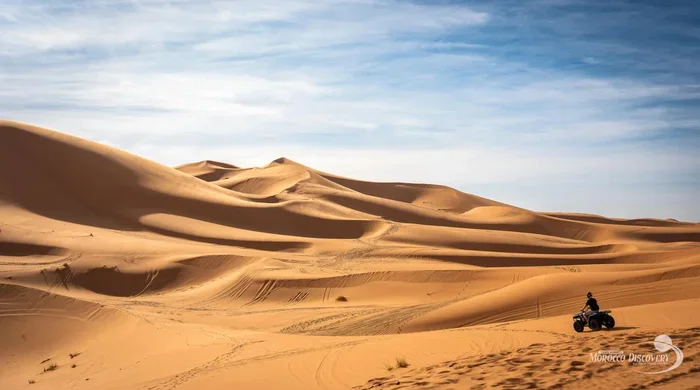
Visual guide about Marrakech to Erg Chebbi dunes
Image source: morocco-discovery.com
Day 1: Marrakech to the High Atlas and Ait Ben Haddou
Your adventure begins with an early morning departure from your hotel or riad in Marrakech. The first stop is the Tizi n’Tichka pass, a winding mountain road that climbs to over 2,260 meters above sea level. Think of it like a roller coaster track with panoramic windows, except the views include snow-capped peaks, terraced farms, and Berber villages clinging to cliffsides.
After descending the Atlas Mountains, you will visit the famous Ait Ben Haddou, a fortified village (ksar) recognized as a UNESCO World Heritage Site. Did You Know? Ait Ben Haddou has been the filming location for blockbuster movies such as Gladiator, Lawrence of Arabia, and Game of Thrones. You can almost imagine yourself walking into a historical epic.
From Ait Ben Haddou, the journey continues to Ouarzazate, known as the “Hollywood of Africa” due to its film studios. You will then drive through the Valley of the Roses and reach the Dades Valley by evening, where you will spend the night in a traditional hotel or kasbah-style accommodation.
Day 2: Dades Valley to Todra Gorges and Merzouga
Day two begins with a scenic drive through the Dades Valley, famous for its surreal rock formations sometimes called “monkey fingers.” Imagine giant stone sculptures shaped by wind over millions of years, with a river threading through the bottom like a silver ribbon.
Next, you will visit Todra Gorges, a spectacular canyon with cliffs rising up to 400 meters high. This is a paradise for rock climbers, but even if you have no climbing experience, simply walking between the towering walls is breathtaking.
Continuing south, the landscape gradually shifts from dramatic gorges to flat, arid plains, eventually giving way to the first sight of golden dunes on the horizon. By late afternoon, you will arrive in Merzouga, the gateway to Erg Chebbi. Here, you will mount your camel and ride into the desert as the sun begins its descent. The dunes glow in shades of orange, pink, and gold, making this one of the most photographed sunsets in the world.
You will spend the night in a Berber desert camp, either traditional or luxury, where drums, singing, and starlit skies create an unforgettable atmosphere.
Day 3: Sunrise in the Sahara and Return to Merzouga
Early risers are rewarded with a Sahara sunrise that looks like the sky is on fire. Climbing a nearby dune to watch the sun emerge is an optional but highly recommended experience. After breakfast at the camp, you can choose to explore the area by camel, 4×4, or even sandboard down the dunes.
Did You Know? The Sahara Desert is roughly the same size as the United States. When you stand on top of Erg Chebbi, you are standing on the edge of the largest hot desert on Earth. The sand beneath your feet may have traveled from Algeria or even further.
You will return to Merzouga or a nearby village for lunch and relaxation. Many tours use this day to visit local Nomad families, Lake Tisserdmine (a seasonal lake that attracts flamingos), and the village of Khamlia, famous for its Gnawa music performances. The night is spent in a desert hotel or riad.
Day 4: Merzouga to Alnif, N’kob, and the Draa Valley
Leaving Merzouga, the route heads west through the town of Alnif and continues toward N’kob, a charming Berber village known for its mud-brick kasbahs. The landscape here is dotted with acacia trees and rocky plains, giving you a different perspective of southern Morocco.
You will then enter the Draa Valley, Morocco’s longest river valley, lined with millions of date palms. Think of it as a green ribbon stretching through the desert, providing life and shade to ancient villages and kasbahs. You will spend the night in a traditional kasbah hotel surrounded by palm groves.
Day 5: Draa Valley to Zagora, Agdz, and Ouarzazate
Today you will explore the heart of the Draa Valley, stopping at Zagora, a town famous for its desert excursions. The famous “Timbuktu 52 days” signpost is a popular photo spot, reminding travelers of the historic caravan routes that once linked Morocco to sub-Saharan Africa.
From Zagora, the road winds through Agdz and back toward Ouarzazate, passing stunning landscapes and traditional villages. By evening, you will arrive back in Ouarzazate, where you can visit the Taourirt Kasbah and the Atlas Film Studios if time permits.
Day 6: Ouarzazate to Ait Ben Haddou, Telouet, and the High Atlas
This day offers a deeper dive into kasbah culture. You will cross the Tizi n’Tinififft pass and visit the Telouet Kasbah, once a powerful mountain fortress. Did You Know? Telouet was the stronghold of the Glaoui family, who controlled much of southern Morocco until the mid-20th century. The kasbah’s interior features intricate zellige tilework and painted ceilings that rival any palace.
After lunch, you will cross the High Atlas Mountains once more, this time via the scenic Tizi n’Tichka pass, returning to Marrakech by evening. You will have free time to relax or explore the famous Jemaa el-Fnaa square, where storytellers, musicians, and food stalls come alive at night.
Day 7 and 8: Optional Extensions or Return to Marrakech
Some itineraries include additional days for excursions to Essaouira, the Atlas Mountains, or the Ourika Valley. Others end the tour on day 6 or 7 and offer optional add-ons like cooking classes, hammam spa experiences, or guided medina tours in Marrakech.
If you have exactly eight days, the final day is usually reserved for transfer to the airport, shopping in the souks, or a leisurely morning before departure.
Why Choose an 8-Day Tour Instead of a Shorter One?
Shorter tours, such as 3-day or 4-day Marrakech to Merzouga trips, are popular but come with trade-offs. The drive from Marrakech to Erg Chebbi takes roughly 9 to 10 hours one way, which means shorter tours spend significant time on the road and skip many attractions. With eight days, you avoid the “drive all day, sleep, drive all day back” feeling.
Think of it like cooking a slow-simmered tagine versus a rushed microwave meal. Both will fill you up, but one gives you depth of flavor, and the other just gets the job done. An 8-day tour gives you that depth.
More Cultural Interaction
Longer tours allow you to visit Berber cooperatives, share meals with local families, and experience music performances. These moments rarely fit into rushed itineraries, but they are often the memories travelers cherish most.
Better Photography Opportunities
Photographers love slower tours. Sunrise over the dunes, golden hour in the gorges, and blue-hour light on kasbahs are easier to capture when you are not racing to the next stop. With eight days, you have time to wait for the perfect light.
Reduced Travel Fatigue
Sitting in a vehicle for long stretches can be exhausting, especially on winding mountain roads. Spreading the journey over more days reduces stress and lets you actually enjoy the scenery rather than watching it blur past the window.
Best Time of Year to Take This Tour
Morocco’s climate varies dramatically depending on region and season. The Sahara can be scorching in summer and surprisingly cold in winter, especially at night. Choosing the right time of year can make or break your experience.
Spring (March to May)
Spring is arguably the best time. Temperatures in the desert range from 20 to 30 degrees Celsius during the day and drop to a comfortable 10 to 15 degrees at night. Wildflowers bloom in the valleys, and the skies are clear for stargazing.
Autumn (September to November)
Autumn offers similar advantages to spring, with mild temperatures and fewer crowds than peak summer months. October is especially popular for desert tours.
Winter (December to February)
Winter tours are possible, but nights in the desert can drop below 5 degrees Celsius. Snow occasionally dusts the Atlas Mountains, creating stunning photo opportunities, but be prepared for cold desert nights.
Summer (June to August)
Summer is the least recommended time due to extreme desert heat, which can exceed 45 degrees Celsius. However, mountain stops and kasbahs remain comfortable.
Did You Know? Despite being one of the hottest places on Earth, the Sahara Desert can freeze at night in winter. Temperatures can swing by more than 30 degrees Celsius in a single 24-hour period.
What to Pack for an 8-Day Marrakech to Erg Chebbi Tour
Packing smart is essential for an enjoyable desert journey. Here is a simple checklist to help you prepare.
- Clothing: Light layers for daytime, warm jacket for desert nights, scarf or shemagh for sand and sun protection.
- Footwear: Comfortable walking shoes for gorges and villages, sandals for the desert camp.
- Sun Protection: Sunglasses, sunscreen, and a wide-brimmed hat.
- Camera: Extra batteries and memory cards, as charging options are limited in remote areas.
- Health: Personal medications, hand sanitizer, lip balm, and a reusable water bottle.
- Documents: Passport, travel insurance details, and photocopies of important papers.
Tip for Tech Lovers
Power outlets can be unreliable in desert camps. Consider bringing a portable power bank to keep your phone charged for those incredible night sky photos.
Where to Stay During the Tour
Accommodations vary from basic but charming to luxurious, depending on your budget. Most tours offer three main tiers.
Standard Accommodation
This includes family-run riads, small hotels, and traditional kasbah guesthouses. Rooms are clean and comfortable, often featuring Moroccan décor like tadelakt walls and handwoven rugs. Bathrooms are usually private, though some desert camps may have shared facilities.
Mid-Range Comfort
This option upgrades you to nicer hotels with pools, air conditioning, and on-site restaurants. Desert camps at this level feature private tents with ensuite bathrooms, proper beds, and even Wi-Fi in some cases.
Luxury Desert Experience
For a once-in-a-lifetime experience, luxury desert camps offer spacious tents with king-sized beds, private terraces, gourmet dinners, and traditional music performances around the fire. Did You Know? Some luxury desert camps in Erg Chebbi feature private plunge pools and even air conditioning, despite being in the middle of the Sahara.
How Much Does the Tour Cost?
Prices vary based on group size, accommodation level, and inclusions. As a general guide:
- Budget Tours: Around 600 to 900 euros per person for shared group tours with standard accommodation.
- Mid-Range Private Tours: Around 1,200 to 1,800 euros per person for private vehicles and upgraded hotels.
- Luxury Tours: From 2,500 euros upward per person, including luxury desert camps and personalized experiences.
Most tours include transportation, driver-guide, accommodation, breakfast, and some dinners. They typically exclude lunches, drinks, entrance fees, and tips.
How to Choose a Reputable Operator
Look for companies with strong online reviews, clear itineraries, and transparent pricing. Avoid operators who pressure you to upgrade once the tour begins, and always confirm what is included in writing. Reputable Moroccan tour companies often have TURS licenses issued by the Moroccan Ministry of Tourism.
Tips for Making the Most of Your Journey
Here are a few insider tips that can transform a good tour into a great one.
- Stay Flexible: Weather, road conditions, and group dynamics can change. Embrace the unexpected.
- Engage with Locals: Learning a few words of Arabic or Berber (like “salam alaikum”) goes a long way.
- Try Local Food: Don’t stick to familiar dishes. Try tagine, couscous, and Berber pizza (medfouna).
- Protect the Environment: Avoid single-use plastics and respect the desert’s fragile ecosystem.
- Disconnect: Mobile signal is limited in the desert. Use this as a chance to truly unplug and enjoy the moment.
Photography Tip
Golden hour in the dunes lasts only about 20 minutes, so plan ahead. Position yourself on a high dune at least 30 minutes before sunset to get the perfect shot.
Conclusion: Is the 8-Day Marrakech to Erg Chebbi Tour Worth It?
Absolutely. If you want to experience Morocco beyond its surface, this tour is one of the best ways to do it. You will not just see the Sahara; you will feel the sand beneath your feet, hear the silence of the desert at night, and walk through history in kasbahs and medinas. The 8-day pace allows for genuine immersion, making it ideal for travelers who value depth, culture, and unforgettable landscapes.
From the chaos of Marrakech to the calm of the dunes, every day on this tour tells a new story. Whether you are a first-time visitor or a seasoned Morocco traveler, the journey to Erg Chebbi is one that stays with you long after you leave.
Book with a trusted operator, pack your sense of adventure, and get ready for the trip of a lifetime.
Frequently Asked Questions
How far is Erg Chebbi from Marrakech?
Erg Chebbi is approximately 560 kilometers from Marrakech. The drive takes around 9 to 10 hours one way, which is why an 8-day tour is ideal for a relaxed pace with multiple scenic stops along the route.
Is an 8-day tour from Marrakech to Erg Chebbi suitable for families?
Yes, families with children over the age of 6 typically enjoy this tour. The slow pace, cultural experiences, and camel rides are highlights for kids. Just be mindful of long drives and prepare for desert climate conditions.
What is the best month to visit Erg Chebbi?
March, April, October, and November are the best months. Temperatures are mild, skies are clear, and the desert is comfortable for both daytime exploration and nighttime camping.
Do I need travel insurance for this tour?
Travel insurance is strongly recommended. It should cover medical emergencies, trip cancellations, and any adventure activities like camel trekking or sandboarding, which are common parts of the tour.
Can I customize the itinerary?
Yes, most tour operators offer customizable itineraries. You can add or remove stops, upgrade accommodations, or include special activities like hot air balloon rides or private music performances.
What should I wear in the desert?
Light, breathable fabrics are best for daytime, along with a scarf for sun and sand protection. At night, temperatures drop, so bring a warm jacket, especially in winter. Modest clothing is also respectful when visiting villages and religious sites.