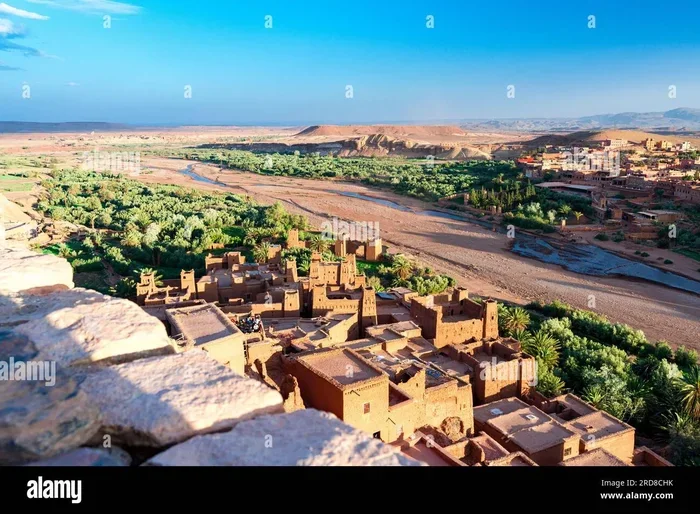
Featured image for Ait Ben Haddou Morocco landscape
Image source: c8.alamy.com
This comprehensive 15-day excursion from Marrakech to Ait Ben Haddou takes you through Morocco’s most spectacular landscapes, from bustling medinas to towering sand dunes. The journey blends cultural immersion, desert adventures, and historical discoveries across imperial cities, mountain passes, and UNESCO World Heritage Sites. Perfect for travelers seeking an authentic Moroccan experience, this itinerary balances guided exploration with free time for personal discovery.
Imagine standing at the edge of the Sahara Desert as the sun paints the sand dunes in shades of gold and orange. Picture yourself wandering through ancient kasbahs where Hollywood blockbusters were filmed, or sipping mint tea in a medina that’s over a thousand years old. This is what awaits you on a 15-day excursion from Marrakech to Ait Ben Haddou, one of Morocco’s most comprehensive travel experiences.
Morocco sits at the crossroads of Africa, Europe, and the Middle East. This unique position has shaped its culture, architecture, and traditions for centuries. A 15-day journey gives you enough time to truly absorb this fascinating blend. Unlike shorter trips that rush through highlights, this extended adventure lets you connect with locals, savor regional cuisines, and discover hidden gems off the typical tourist path.
The route from Marrakech to Ait Ben Haddou traces ancient caravan trails that merchants used for thousands of years. These same paths connected sub-Saharan Africa with the Mediterranean world. Today, modern travelers follow in their footsteps, creating memories that last a lifetime. Whether you’re a solo adventurer, a couple seeking romance, or a family looking for cultural enrichment, this journey offers something special for everyone.
Key Takeaways
- Duration and Scope: A 15-day excursion covers approximately 2,500 kilometers, allowing deep exploration of Morocco’s diverse regions.
- Cultural Highlights: The route includes four UNESCO Sites, including Ait Ben Haddou, and visits to four imperial cities.
- Desert Experience: Travelers spend at least one night in the Sahara Desert, typically at Merzouga or Erg Chebbi.
- Best Travel Season: October through April offers the most comfortable temperatures for this extended journey.
- Physical Requirements: Moderate fitness is needed, especially for camel trekking and walking in medinas.
- Budget Considerations: Prices range from $1,200 to $3,500 per person, depending on accommodation and tour type.
- Cultural Etiquette: Understanding local customs enhances the experience and shows respect for Moroccan traditions.
📑 Table of Contents
Why Choose a 15-Day Excursion from Marrakech to Ait Ben Haddou
A 15-day excursion from Marrakech to Ait Ben Haddou stands out as the gold standard for exploring Morocco’s heartland. Did you know that Morocco has nine UNESCO World Heritage Sites, and this route covers four of them? From the bustling souks of Marrakech to the silent majesty of the Sahara, every day brings new wonders.
The Advantage of Time
Think of this journey like reading a great novel rather than watching a movie summary. With 15 days, you get to know the characters, understand the plot twists, and appreciate the subtle details. Rushing through Morocco in three or four days feels like flipping through a coffee table book. You see pretty pictures, but you miss the story.
Travel experts consistently recommend longer stays in Morocco. The country’s diverse geography means dramatic changes in landscape and culture within short distances. One day you might be in snow-capped mountains, and the next in scorching desert. Having time to adjust and absorb these transitions makes the experience richer and more meaningful.
What Makes Ait Ben Haddou Special
Ait Ben Haddou is not just a stop on your itinerary. It’s a living museum that has stood for over 800 years. This earthen clay village along the former caravan route between the Sahara and Marrakech is a masterpiece of traditional Moroccan architecture. The kasbah’s distinctive towers and walls have served as filming locations for famous productions.
Did you know that scenes from “Gladiator,” “Lawrence of Arabia,” and “Game of Thrones” were filmed at Ait Ben Haddou? Hollywood discovered this location decades ago, and its otherworldly appearance continues to attract filmmakers today. Beyond the movies, the site represents authentic Berber culture and building techniques passed down through generations.
Detailed Day-by-Day Itinerary Overview
Planning a 15-day excursion requires careful attention to logistics, distances, and seasonal considerations. Let’s break down what a well-structured itinerary looks like.
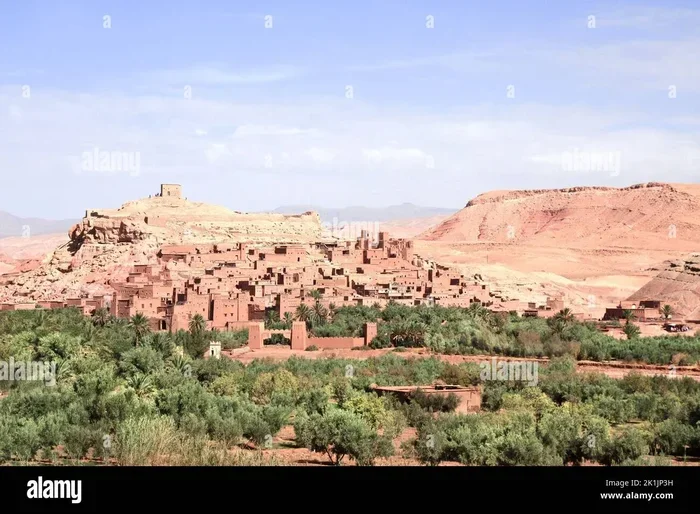
Visual guide about Ait Ben Haddou Morocco landscape
Image source: c8.alamy.com
Days 1-3: Discovering Marrakech
Your adventure begins in Marrakech, known as the “Red City” due to its distinctive rose-colored buildings. The first day is perfect for acclimating to Morocco’s pace and culture. Spend time in Jemaa el-Fnaa, the famous square that comes alive at night with storytellers, musicians, and food vendors.
On day two, explore the Bahia Palace, the Saadian Tombs, and the Koutoubia Mosque. These sites reveal the sophistication of Moroccan Islamic architecture. The Majorelle Garden offers a peaceful contrast with its vibrant blue structures and exotic plants. Day three can include a cooking class or a visit to the peaceful Menara Gardens.
Days 4-5: Crossing the Atlas Mountains
The journey east begins with a dramatic drive over the High Atlas Mountains. The Tizi n’Tichka pass reaches 2,260 meters (7,415 feet), offering breathtaking views. Along the way, you’ll pass through Berber villages where life hasn’t changed much in centuries.
Did you know that the Atlas Mountains form a barrier that influences Morocco’s climate, creating distinct zones? This geographical feature means you experience multiple ecosystems on a single trip. Stop at a local argan oil cooperative to see how this “liquid gold” is traditionally extracted.
Days 6-8: Ait Ben Haddou and Ouarzazate
Ait Ben Haddou deserves at least a full day of exploration. Cross the river on foot and climb through the narrow passages of the old kasbah. The panoramic view from the top reveals why this location was chosen for defensive purposes centuries ago. Local guides share stories about family histories connected to these walls.
Ouarzazate, just 30 minutes away, calls itself the “Gateway to the Sahara.” Visit the Atlas Film Studios to understand why so many productions choose this region. The Taourirt Kasbah provides another glimpse into traditional Moroccan architecture and noble life.
Days 9-11: Desert Adventures
The road to the Sahara passes through dramatic landscapes including the Draa Valley with its endless palm groves and ancient kasbahs. Tinghir and the Todra Gorges offer spectacular rock formations where cliffs rise 400 meters on either side of a narrow canyon.
Arriving at Merzouga or Erg Chebbi feels like reaching another planet. The dunes here reach heights of 150 meters. Your camel trek into the desert at sunset creates memories that photos cannot capture. Spend at least one night in a traditional Berber camp, where you can stargaze, listen to drums, and share mint tea with nomadic families.
Days 12-15: Return Through Diverse Landscapes
The return journey can take a different route through the Middle Atlas, allowing you to see Morocco’s cedar forests and possibly encounter Barbary macaques in the wild. Ifrane, known as “Little Switzerland of Morocco,” provides a surprising Alpine atmosphere.
Fes, Morocco’s spiritual and cultural capital, deserves two full days. Its medina is the world’s largest car-free urban zone, with over 9,000 alleys to explore. The tanneries, madrasas, and traditional crafts workshops demonstrate centuries of preserved knowledge. From Fes, you can return to Marrakech by train or continue to Casablanca for your departure flight.
Practical Tips for Your 15-Day Journey
Successful travel requires preparation beyond just booking flights. Here are essential tips to make your Moroccan adventure smooth and enjoyable.
What to Pack
Think of packing layers, like an onion. Desert days can be hot while desert nights become surprisingly cold. Bring a light jacket or fleece for evenings, especially in the Sahara where temperatures drop significantly after sunset. Modest clothing is respectful and practical, particularly when visiting religious sites.
Comfortable walking shoes are non-negotiable. You’ll traverse cobblestone medinas, sandy paths, and rocky terrain. A good pair of broken-in shoes prevents blisters from ruining your experience. Don’t forget sunscreen, sunglasses, and a wide-brimmed hat for sun protection.
Health and Safety
Morocco is generally safe for tourists, with low crime rates and welcoming locals. However, standard precautions apply. Drink bottled water to avoid stomach issues, and carry basic medications for headaches or digestion. Travel insurance covering medical evacuation is wise, especially for remote desert excursions.
The sun in the Sahara is intense. The dry air can cause dehydration faster than you might notice. Always carry water and apply sunscreen regularly. Most desert excursions include safety briefings, but staying with your group and following guide instructions ensures everyone has a great time.
Budgeting Your Trip
A 15-day excursion from Marrakech to Ait Ben Haddou typically costs between $1,200 and $3,500 per person. Budget tours using riads and standard desert camps fall at the lower end, while luxury experiences with private guides and premium accommodations reach the higher range.
Did you know that tipping is an important part of Moroccan culture? Budget approximately 10-15% for restaurants and small tips for guides, drivers, and hotel staff. Your guide can advise on appropriate amounts for specific services. This small gesture of appreciation supports local workers who make your journey possible.
When to Travel
Spring (March-May) and autumn (September-November) offer ideal conditions. Temperatures are moderate, landscapes are green or blooming, and tourist crowds haven’t peaked. Summer brings intense heat, especially in desert regions, while winter nights can be very cold in mountain and desert areas.
Ramadan dates change each year based on the lunar calendar. Traveling during this Islamic holy month offers unique cultural insights but means some restaurants may close during daytime hours. Plan accordingly if you have specific dining preferences or limited time.
Cultural Experiences to Embrace
Morocco’s greatest treasure is its people and traditions. Engaging respectfully with local culture transforms a vacation into a life-changing experience.
Language and Communication
Arabic and Berber are Morocco’s official languages, but French serves as the common business language. English is widely spoken in tourist areas, though learning a few Arabic phrases delights locals. “Salaam alaikum” (peace be upon you) and “shukran” (thank you) open doors and hearts.
Moroccans often invite travelers for mint tea, considered the national drink and a symbol of hospitality. Accepting this invitation honors the host and creates genuine connections. The tea ceremony itself, poured from a height to create foam, is a performance worth watching.
Respecting Local Customs
Morocco is a Muslim country with conservative social norms in many areas. Dressing modestly, especially for women, shows respect. Covering shoulders and knees is appropriate in most situations. During Ramadan, eating in public during daytime hours is considered disrespectful.
Ask permission before photographing people. Many Moroccans appreciate having their picture taken, but some prefer not to. A simple gesture and smile work better than assuming consent. Markets and public spaces often have signs restricting photography, particularly of military or government buildings.
Culinary Adventures
Moroccan cuisine reflects its history and geography. Tagine dishes, named after the cone-shaped clay pot they cook in, combine meats, vegetables, and spices in remarkable harmony. Couscous, traditionally served on Fridays, represents the agricultural heritage of the region.
Street food offers authentic flavors but requires some caution. Stick to busy stalls where food is prepared fresh and consumed quickly. Try msemen (Moroccan pancakes), harira (hearty soup), and fresh juices at Jemaa el-Fnaa. Your taste buds will thank you for the adventure.
Choosing the Right Tour Operator
Selecting a reputable tour company makes the difference between a good trip and an unforgettable one. Here’s what to consider.
What to Look For
Licensed operators registered with Morocco’s Ministry of Tourism offer legal protections and quality standards. Check reviews on independent platforms like TripAdvisor, and ask for references from previous clients. Companies with years of experience typically have refined their itineraries and relationships with local providers.
Group size matters. Smaller groups (8-12 people) allow more flexibility and personal attention. Private tours cost more but offer complete customization. Shared tours are budget-friendly and provide built-in socializing opportunities for solo travelers.
Questions to Ask
Before booking, clarify what’s included and excluded. Meals, entrance fees, transportation, and accommodation standards vary significantly. Some tours include all meals while others cover only breakfast. Understanding these details prevents surprises and helps you budget accurately.
Inquire about guide qualifications and language abilities. Official guides undergo training and certification. Their knowledge of history, culture, and practical logistics enhances every aspect of your journey. Multilingual guides are valuable for diverse groups.
Sustainable Tourism
Responsible travel benefits local communities and preserves cultural heritage. Choose operators who employ local guides, stay in family-run riads, and support community projects. Avoid companies that exploit animals or pressure tourists into unnecessary purchases.
Did you know that tourism provides employment for approximately 15% of Morocco’s workforce? Your choice of tour operator directly impacts local families and businesses. Sustainable practices ensure these benefits continue for future travelers.
Conclusion: Your Moroccan Adventure Awaits
A 15-day excursion from Marrakech to Ait Ben Haddou represents more than a vacation. It’s an immersion into one of Africa’s most captivating countries, where ancient traditions meet modern life, and dramatic landscapes unfold around every bend in the road. From the moment you step into Marrakech’s vibrant medina until you watch your final sunset over the Sahara, every experience builds upon the last to create a journey of discovery.
The memories you make on this adventure will stay with you long after you return home. The taste of mint tea shared with strangers who become friends, the silence of the desert under a canopy of stars, the intricate tilework of a centuries-old madrasa—these moments define what travel is truly about. Morocco doesn’t just show you new places; it shows you new ways of seeing the world.
Whether you’re drawn by history, adventure, culture, or simply the call of the unknown, this 15-day journey delivers on every front. The careful planning required for such an extensive excursion pays dividends in experiences that shorter trips simply cannot match. Your Moroccan story begins the moment you decide to go. The kasbahs are waiting, the desert is calling, and the adventure of a lifetime is ready to unfold.
Book your excursion with confidence, pack your sense of wonder, and prepare for the journey of a lifetime. Morocco’s magic has captivated travelers for centuries, and now it’s your turn to discover why.
Frequently Asked Questions
What is the best time of year for a 15-day excursion from Marrakech to Ait Ben Haddou?
The ideal periods are spring (March to May) and autumn (September to November). During these months, temperatures are mild and comfortable across all regions you’ll visit. Summer can be extremely hot, especially in desert areas, while winter nights in the Sahara and mountains can drop below freezing.
How much does a 15-day excursion from Marrakech to Ait Ben Haddou typically cost?
Costs range from $1,200 to $3,500 per person, depending on accommodation standards, group size, and included services. Budget tours using mid-range riads and shared transport fall at the lower end, while luxury private tours with premium desert camps reach the higher range. Always verify what’s included in the price.
Is the excursion suitable for families with children?
Yes, this excursion works well for families with children aged 8 and above. The camel trek and desert camping particularly delight younger travelers. However, parents should consider the driving distances between locations and ensure children can handle moderate walking. Many operators offer family-friendly pacing and activities.
What should I wear during the excursion?
Pack modest, comfortable clothing suitable for various climates. Long pants and sleeves that cover shoulders are respectful for visiting religious sites and conservative areas. Layers are essential because temperatures vary significantly between day and night, especially in the desert. Comfortable walking shoes are crucial for navigating medinas and uneven terrain.
Do I need a visa for Morocco?
Citizens of many countries, including the United States, Canada, the European Union, and Australia, can enter Morocco visa-free for stays up to 90 days. However, requirements change, so verify current regulations with your local Moroccan embassy or consulate before traveling. Your passport should be valid for at least six months beyond your travel dates.
What currency should I bring to Morocco?
The Moroccan Dirham (MAD) is the local currency. While credit cards are accepted in hotels and larger restaurants, cash is essential for markets, small shops, tips, and rural areas. ATMs are widely available in cities. Exchange currency at banks or official exchange offices for the best rates, and inform your bank of travel plans to avoid card issues.