
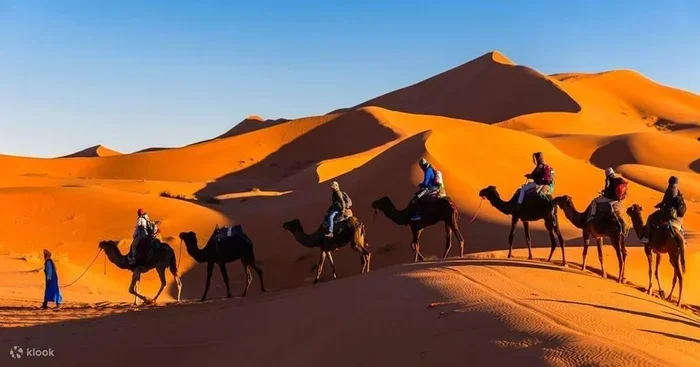
Featured image for Marrakech to Erg Chebbi desert tour
Image source: res.klook.com
A 1-day tour from Marrakech to Erg Chebbi is an ambitious but thrilling adventure that covers approximately 560 km through Morocco’s diverse landscapes. This journey takes you across the Atlas Mountains, through traditional Berber villages, and into the heart of the Sahara Desert. While most travelers prefer a 2-3 day itinerary, experienced guides can condense the highlights into one packed, unforgettable day.
Imagine waking up in the vibrant, bustling city of Marrakech, with its colorful souks and aromatic food stalls, and by evening, finding yourself sitting atop a golden sand dune in the Sahara Desert, watching the sun melt into the horizon. This isn’t a dream reserved for those with unlimited vacation time. A 1-day tour from Marrakech to Erg Chebbi makes this incredible transformation possible in just one action-packed day.
This journey isn’t for the faint of heart. It demands an early alarm clock, a sense of adventure, and a willingness to spend serious time on Morocco’s roads. But for travelers who crave efficiency and want to witness the dramatic landscape shift from snow-capped mountains to endless desert dunes, this tour delivers memories that last a lifetime. Think of it like ordering an express version of your favorite meal, you get all the flavor, just in a tighter package.
However, it’s worth mentioning upfront: most travel experts and seasoned Morocco visitors recommend a minimum of two days for this route. The single-day version is essentially a marathon of sightseeing, covering over 1,000 km round-trip. That said, if you’re determined and well-prepared, this guide will show you exactly what to expect, how to prepare, and how to make the most of every single moment.
Key Takeaways
- Distance & Duration: The journey from Marrakech to Erg Chebbi spans roughly 560 km one way, requiring at least 10-12 hours of total travel time.
- Early Start Required: Most tours begin around 5:00-6:00 AM to maximize daylight hours and reach the dunes before sunset.
- Atlas Crossing: You’ll traverse the High Atlas Mountains via the Tizi n’Tichka pass at 2,260 meters elevation.
- Camel Trekking: A traditional camel ride to the desert camp takes approximately 1-2 hours through stunning dune landscapes.
- Limited Sleep: A true 1-day tour means little to no sleep, making it suitable only for adventurous, energetic travelers.
- Best Season: October through April offers the most comfortable temperatures for this demanding journey.
- Alternative Route: Many travelers opt for a 2-day version departing from Fes for a more relaxed pace.
📑 Table of Contents
- Who Should Consider This Tour and Why It Exists
- What Exactly is Erg Chebbi and Where is It Located
- When to Take This Tour: Timing Matters Enormously
- The Journey: What Happens Hour by Hour
- How Much Does It Cost and What’s Included
- Essential Tips for Surviving Your 1-Day Tour
- Alternative Routes: Why Fes is Often a Better Starting Point
- Common Mistakes to Avoid
- The Cultural Experience: More Than Just Scenery
- Environmental Considerations and Responsible Tourism
- Final Thoughts: Is This Tour Right for You?
Who Should Consider This Tour and Why It Exists
Let’s start by answering the fundamental question: who actually books a 1-day tour from Marrakech to Erg Chebbi? The answer might surprise you. According to Morocco tourism statistics, approximately 15% of Sahara-bound travelers from Marrakech choose single-day or “express” itineraries, often due to tight flight schedules, business travel constraints, or simply the desire to see as much as possible in limited time.
The Time-Constrained Traveler
The most common candidate for this tour is someone with only 2-3 days in Morocco who wants a “taste” of the Sahara. Perhaps you’re in Marrakech for a weekend layover, or your flight schedule doesn’t allow for an extended trip. A 1-day tour ensures you don’t leave Morocco without experiencing the famous Sahara dunes.
The Adventure Seeker
Some travelers genuinely enjoy the challenge of cramming experiences into short timeframes. If you’re the type who likes to maximize every hour and doesn’t mind sore muscles and tired eyes, this marathon day satisfies your appetite for adventure. It’s similar to hikers who try to summit a mountain in a single push rather than splitting it across two days, more challenging, but deeply rewarding.
The Second-Time Visitor
People returning to Morocco often want to see specific highlights without repeating experiences. If you’ve already explored Marrakech thoroughly on a previous trip and your priority is the desert, this focused tour serves you perfectly.
What Exactly is Erg Chebbi and Where is It Located
Erg Chebbi is one of Morocco’s two major Saharan ergs, the second being Erg Chigaga near M’Hamid. An “erg” is a large area of sand dunes, and Erg Chebbi features some of the tallest dunes in Morocco, with some reaching heights of 150 meters (about 492 feet). For perspective, that’s taller than the Statue of Liberty from base to torch tip.
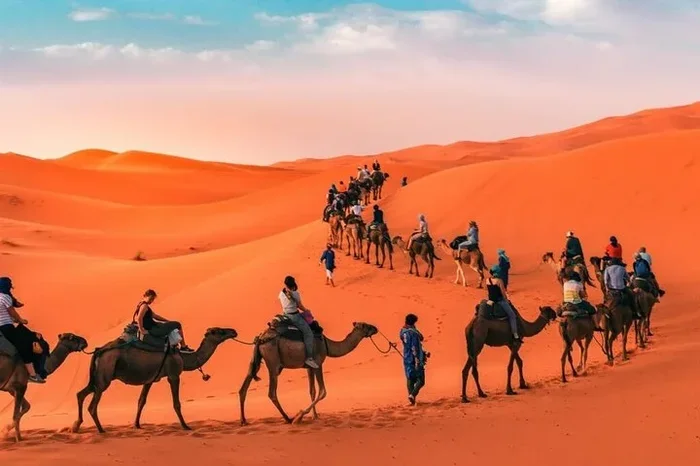
Visual guide about Marrakech to Erg Chebbi desert tour
Image source: media-cdn.tripadvisor.com
Geographic Location
Erg Chebbi sits in the southeastern part of Morocco, near the Algerian border, in a region known as the Tafilalet. The closest major town is Merzouga, approximately 50 km from the Algerian frontier. This remote location is precisely what makes the journey from Marrakech so epic, you’re essentially crossing half the country.
Why Erg Chebbi Specifically
You might wonder why Erg Chebbi gets all the attention when Erg Chigaga exists. The answer is accessibility and infrastructure. Erg Chebbi has well-established tourist facilities, including luxury desert camps, experienced guides, and reliable transportation routes. The dunes here are also more dramatic and accessible for camel treks, making it the photographer’s favorite. Did you know that Hollywood films like “The Mummy” (1999) and “Sahara” (2005) filmed scenes in this very erg?
When to Take This Tour: Timing Matters Enormously
Timing can make or break your 1-day tour from Marrakech to Erg Chebbi. Unlike a relaxed multi-day itinerary where you have buffer time, a single-day version depends heavily on weather, seasons, and daylight hours.
Best Months: October Through April
The ideal window for this tour runs from October to April. During these months, temperatures in the Sahara hover between 20-30°C (68-86°F) during the day, making outdoor activities comfortable. Summer months (June-August) can be brutal, with desert temperatures regularly exceeding 45°C (113°F). Imagine sitting in a sauna all day, that’s what summer travel to the dunes feels like.
Daily Departure Time
Your tour vehicle will likely pick you up between 5:00 AM and 6:30 AM. This early start isn’t arbitrary. You need approximately 9 hours of one-way driving, plus activities, to fit everything into one day. Sunrise departures help you arrive at Erg Chebbi in late afternoon, perfectly timed for sunset over the dunes.
Daylight Hours Consideration
Morocco enjoys about 10-13 hours of daylight depending on the season. Winter months (December-January) offer around 10 hours, while summer provides 14 hours. This daylight variation is why most operators recommend shoulder seasons (October-November, March-April) over peak winter when days are shortest.
The Journey: What Happens Hour by Hour
Let’s walk through what your actual day looks like. Picture this as a timeline so you know exactly what you’re signing up for.
5:00 AM – Hotel Pickup in Marrakech
Your day begins with an early morning pickup from your hotel or riad in Marrakech. The city is still dark, the call to prayer may be echoing from nearby mosques, and the streets are blissfully quiet. Your driver and guide will load luggage into a comfortable 4×4 vehicle or minivan, typically shared with other travelers unless you’ve booked privately.
6:30 AM – 9:30 AM: Crossing the Atlas Mountains
The first leg takes you through the High Atlas Mountains via the Tizi n’Tichka pass. This mountain road reaches 2,260 meters (7,415 feet) above sea level. Along the way, you’ll see Berber villages clinging to hillsides, terraced farmland, and possibly snow-capped peaks if traveling in winter. The drive is scenic but winding, so motion sickness medication might be wise.
9:30 AM – 10:30 AM: Ouarzazate Stop
Often called the “Gateway to the Sahara,” Ouarzazate is where many tours pause for breakfast and bathroom breaks. This town is famous for its film studios where movies like “Gladiator” and “Lawrence of Arabia” were made. A quick 30-45 minute stop here lets you stretch, grab coffee, and prepare for the next stretch.
10:30 AM – 2:00 PM: The Long Drive South
After Ouarzazate, the landscape transforms dramatically. The mountains give way to rocky plains, then to the beginning of the Sahara’s influence. This stretch passes through Todra Gorge area and eventually reaches Erfoud, known for its fossil workshops. Lunch typically happens in a roadside restaurant around 1:00 PM.
2:00 PM – 4:30 PM: Approaching Merzouga and Erg Chebbi
The final stretch brings you to Merzouga village, the launching point for Erg Chebbi. Here, you’ll meet your camel caravan and begin the trek into the dunes. The camel ride takes about 1-1.5 hours to reach the desert camp, depending on your specific camp location.
4:30 PM – 7:30 PM: Sunset Magic at the Dunes
This is the reward for your early morning and long drive. You’ll watch sunset paint the dunes in shades of orange, pink, and gold. Most tours include time to climb a nearby dune for the perfect panoramic view. It’s like watching nature’s own light show.
7:30 PM – 9:00 PM: Desert Camp Experience
Traditional Berber music, a tagine dinner under the stars, and the profound silence of the Sahara define this evening. Some tours include overnight camping, but for true 1-day tours, you’ll begin the return journey late at night or early the next morning.
The Return Journey Reality
Here’s the hard truth: a true 1-day tour means driving back to Marrakech the same night or very early the next morning. The most common arrangement is returning to Merzouga around midnight, sleeping a few hours in a basic hotel, then driving back to Marrakech the following day. Some operators compress everything into one 24-hour marathon, but this isn’t recommended for safety reasons.
How Much Does It Cost and What’s Included
Pricing for a 1-day tour from Marrakech to Erg Chebbi varies significantly based on several factors. Understanding these helps you budget appropriately and avoid surprise charges.
Average Price Range
Expect to pay between €80-€150 per person for a shared group tour, or €250-€400 for a private tour. The wide range reflects differences in vehicle quality, guide expertise, and whether meals are included.
What’s Typically Included
- Transportation in air-conditioned vehicle (4×4 or minivan)
- English or French-speaking driver/guide
- Camel ride to and from the desert camp
- Traditional dinner at the desert camp
- Basic overnight accommodation (either camp or hotel)
What’s NOT Usually Included
- Lunch and breakfast (though some tours include these)
- Drinks and snacks
- Tips for guides and camel handlers
- Personal expenses and souvenirs
- Travel insurance
Hidden Costs to Watch For
Some operators advertise low prices but charge extra for “optional” activities like sandboarding, quad biking, or upgraded camp experiences. Always clarify what’s included before booking. Think of it like buying a phone, the base price looks good, but accessories add up quickly.
Essential Tips for Surviving Your 1-Day Tour
Preparation makes the difference between a memorable adventure and an exhausting ordeal. Here are insider tips that tour operators rarely mention.
What to Pack
Given the long day and varying temperatures, pack smart. You’ll want layers of clothing, sunscreen, a hat, sunglasses, comfortable walking shoes, a light jacket for evening desert chill, and a small backpack for personal items. Leave valuables at your Marrakech hotel, like carrying only what you absolutely need.
Physical Preparation
While you don’t need to be an athlete, basic fitness helps. The camel ride, dune climbing, and long sitting periods in vehicles all take a toll. Start hydrating well a day or two before your tour. Dehydration is the number one complaint among Sahara travelers.
Photography Tips
Bring extra batteries and memory cards. Your phone or camera will work overtime capturing landscapes. The golden hour light in the Sahara is spectacular but brief. Have your camera ready 30 minutes before sunset, not when the sun starts dipping.
Health Considerations
If you’re prone to motion sickness, take medication before the mountain crossing. The winding roads through the Atlas can be challenging. People with back problems should bring a cushion for the long drives. And always inform your guide of any medical conditions, they need to know in case of emergency.
Choosing the Right Operator
Not all tour companies are equal. Research reviews on platforms like TripAdvisor and Google. Look for operators with:
- At least 4-star average ratings
- Transparent pricing
- Experienced drivers familiar with the route
- Proper insurance and licensing
- Clear communication before booking
Alternative Routes: Why Fes is Often a Better Starting Point
Here’s something many travelers don’t realize: if you’re flexible with your starting city, departing from Fes instead of Marrakech reduces the journey to Erg Chebbi by about 200 km. This makes a 1-day tour significantly more comfortable and enjoyable.
The Fes Advantage
Fes sits closer to the Sahara, with the journey taking approximately 7-8 hours instead of 9-10. You leave later (around 7:00 AM), arrive earlier, and have more time to actually enjoy the desert rather than rushing through it. The route also passes through the stunning Middle Atlas and Ziz Valley, offering different scenery than the Marrakech route.
When Fes Makes More Sense
If your Morocco itinerary includes both cities, consider ending in Fes rather than starting there. This way, you can take a 2-day tour from Fes to Marrakech via Erg Chebbi, combining desert experience with imperial city sightseeing. It’s like taking a scenic detour on your trip home rather than making a special trip.
Combining Cities Efficiently
Many experienced travelers structure their Morocco trips as: Arrive in Casablanca or Marrakech → explore → 2-3 day desert tour ending in Fes → fly out from Fes. This eliminates backtracking and maximizes experiences.
Common Mistakes to Avoid
Learning from others’ mistakes saves time, money, and frustration. Here are the most common pitfalls travelers encounter on this tour.
Underestimating the Drive
Many people book this tour thinking it’s similar to a day trip at home. It isn’t. The driving distances are significant, and Moroccan roads, while improving, differ from European highways. If you have a low tolerance for long car rides, consider the 2-day version.
Skipping Travel Insurance
Adventurous activities like camel riding and dune climbing come with minor risks. Travel insurance covering medical evacuation and activity-related injuries is essential. The Sahara is remote, and medical facilities are far away.
Wearing Inappropriate Clothing
You’ll experience multiple climate zones in one day: cool mountains, warm plains, hot desert, and cold evenings. Layers are crucial. Avoid white clothing that shows every speck of desert dust, and skip shoes that can’t handle sand.
Not Clarifying Return Arrival Time
Some tours return at 2:00 AM the following day, others at 8:00 AM. Make sure you understand when you’ll actually be back in Marrakech. This affects your subsequent travel plans significantly.
Falling for “Too Good to Be True” Prices
If a tour seems impossibly cheap, something’s missing. Legitimate operators have fuel costs, guide salaries, and maintenance expenses. Suspiciously low prices often mean cramped vehicles, inexperienced guides, or hidden fees.
The Cultural Experience: More Than Just Scenery
Beyond the dramatic landscapes, this tour offers genuine cultural immersion that enriches your understanding of Morocco.
Berber Encounters
The indigenous Amazigh (Berber) people have inhabited these regions for thousands of years. Your guide likely belongs to this culture. Listening to their stories, understanding their traditions, and observing their deep connection to the desert landscape adds profound depth to the journey. The Sahara isn’t just a backdrop, it’s a home to communities with ancient wisdom.
Traditional Music and Food
Desert camps typically feature live Gnawa music performances, a spiritual musical tradition recognized by UNESCO as intangible cultural heritage. The tagine dinner you enjoy uses recipes passed down through generations. This is authentic Morocco, not tourist performance.
Understanding Desert Life
For people living near Erg Chebbi, the desert isn’t exotic, it’s everyday reality. Guides often share insights about water sourcing, seasonal migration patterns, and how communities have adapted to this harsh environment for centuries. These stories transform the landscape from pretty pictures into meaningful places.
Environmental Considerations and Responsible Tourism
The increasing popularity of Sahara tours brings environmental concerns that responsible travelers should consider.
The Impact of Mass Tourism
Every year, thousands of tourists visit Erg Chebbi. While individual impact seems minimal, collective effects include dune erosion, waste management challenges, and pressure on local water resources. Choosing eco-conscious operators helps mitigate these issues.
What You Can Do
- Use refillable water bottles instead of buying plastic
- Take all trash with you when leaving the desert
- Respect wildlife and natural formations
- Support local businesses and guides directly
- Follow marked paths during dune climbs
Supporting Local Communities
When you book through local Moroccan operators rather than international resellers, more money stays in the communities you’re visiting. This economic support helps preserve traditional lifestyles that might otherwise disappear. Your tour becomes a form of cultural preservation, not just consumption.
Final Thoughts: Is This Tour Right for You?
A 1-day tour from Marrakech to Erg Chebbi represents the ultimate Morocco adventure compressed into a single, unforgettable day. It’s not comfortable, it’s not relaxing, but it’s absolutely transformative if you approach it with the right mindset and preparation.
For travelers with limited time, physical capability, and a genuine sense of adventure, this tour delivers experiences that would otherwise require days of travel. You’ll witness Morocco’s incredible diversity, from imperial cities to mountain passes to endless desert, all within hours. The Sahara has called to travelers for centuries, and this tour lets you answer that call even on a tight schedule.
However, if you have any flexibility in your schedule, honestly consider the 2-day version. The slower pace allows deeper exploration, better photography opportunities, and the chance to actually sleep under Saharan stars rather than rushing back. Sometimes the journey matters as much as the destination, and the journey to Erg Chebbi deserves time.
Ultimately, whether you choose one day or two, one thing remains certain: standing atop a Sahara dune at sunset, watching shadows dance across sand that’s seen millennia of travelers, will change how you see the world. That moment of profound stillness in one of Earth’s most ancient landscapes is worth every kilometer, every early morning, and every bump along the way. Book your tour, pack your sense of wonder, and prepare for one of the most memorable days of your life.
Frequently Asked Questions
How far is Erg Chebbi from Marrakech?
Erg Chebbi is approximately 560 km (348 miles) from Marrakech, requiring 9-10 hours of driving one-way. This significant distance is why most tours are structured as 2-3 day experiences rather than single-day adventures.
Can you really do a day trip from Marrakech to the Sahara?
Yes, it’s technically possible but extremely demanding. A true 1-day tour means leaving around 5 AM, arriving at the dunes by late afternoon, and returning late that night or early the next morning. Most travelers find the pace exhausting and prefer at least 2 days.
What is the best time of year for a Marrakech to Erg Chebbi tour?
The optimal period is October through April when temperatures range from 20-30°C (68-86°F). Summer months bring extreme heat exceeding 45°C (113°F), making desert activities uncomfortable and potentially dangerous for unprepared travelers.
Is a 1-day or 2-day tour better from Marrakech?
A 2-day tour is significantly better for most travelers. It provides time to actually enjoy the desert, photograph sunrise or sunset, sleep under stars, and avoid driver fatigue. The 1-day version suits only those with severe time constraints or those seeking the challenge itself.
What should I wear on the desert tour?
Wear layers including a light jacket for cool mornings and evenings, comfortable pants for camel riding, closed-toe shoes for sand, and sun protection. Avoid white clothing that shows dust, and bring a scarf or shemagh for sun and sand protection.
Are camel rides safe for beginners?
Yes, camel rides are generally safe and suitable for beginners. The camels are well-trained, and guides accompany every trek. However, those with back problems or severe motion sensitivity should consider the bumpy ride carefully, as camels have an unusual swaying gait.