
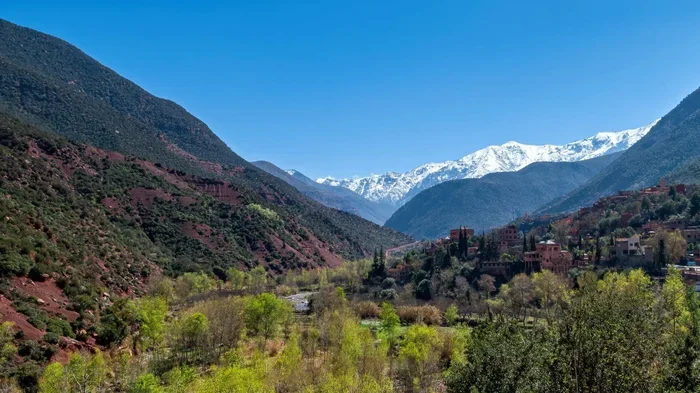
Featured image for Agadir to Imlil landscape
Image source: sahara-feeling.com
A day trip from Agadir to Imlil offers one of Morocco’s most striking contrasts: golden Atlantic beaches in the morning and snow-capped Atlas Mountain peaks by afternoon. In just a few hours of driving, you leave palm-lined coastlines for terraced valleys, mud-brick Berber villages, and crisp mountain air. This guide covers everything you need: routes, costs, stops, what to pack, and whether Imlil deserves a full day or even an overnight stay.
Picture this. You wake up to the salty Atlantic breeze in Agadir, the sound of waves crashing against the city’s wide, sandy beach. After breakfast, you climb into a car. By lunchtime, you’re sipping mint tea in a stone house built into a mountainside. By late afternoon, snowflakes drift past your jacket sleeve as you gaze at the highest peak in the entire Arab world. That contrast is exactly what makes a day trip from Agadir to Imlil one of the most rewarding experiences you can have in Morocco.
Most travelers come to Agadir for the sun, the surf, and the souks. Few realize that just a few hours inland lies a completely different Morocco, one of terraced walnut groves, donkey trails, and welcoming Berber villages clinging to cliffs. Imlil sits in the High Atlas Mountains and serves as the main starting village for treks up Mount Toubkal, which stands at 4,167 meters. But you don’t have to be a hardcore hiker to enjoy it. A day trip works beautifully, even for casual visitors.
This guide will walk you through everything. We’ll cover how to get there, what to see, what to pack, how much it costs, and a few insider tips that will save you money and headaches. Whether you travel solo, as a couple, or with family, you’ll find practical advice tailored to your style. Let’s dive in.
Key Takeaways
- Distance and Drive Time: Imlil sits about 230 km from Agadir, taking roughly 4 to 5 hours of round-trip driving through stunning landscapes.
- Best Season: Spring (March to May) and autumn (September to November) offer the most comfortable weather and clearest mountain views.
- Top Attractions: Highlights include Imlil village, the Mizane Valley, the shrine of Sidi Chamharouch, and views of Mount Toubkal, North Africa’s highest peak.
- Local Culture: The region is home to the indigenous Berber people, offering authentic cultural experiences, traditional food, and handcrafts.
- Trip Style: You can join an organized tour, hire a private driver, or rent a car; each option suits different budgets and travel styles.
- Physical Activity: Light hiking to waterfalls or to Sidi Chamharouch is doable for most fitness levels and adds great value to the trip.
- Cost Range: Expect to spend between 600 and 1,500 MAD ($60-$150) per person, depending on your choices for transport, food, and guides.
📑 Table of Contents
Why Take a Day Trip from Agadir to Imlil?
You might wonder why anyone would leave a beach paradise for a long drive into the mountains. The answer is simple: variety. Morocco packs surprising geographic diversity into a small area, and this route showcases two of its best faces.
The Coastal-to-Mountain Contrast
Agadir sits at sea level, with year-round warm weather and 300 days of sunshine. Imlil sits at 1,740 meters above sea level, surrounded by peaks that sometimes stay snowy until late spring. In a single day, you move from a Mediterranean climate to an alpine one. The shift is so sudden that your senses almost don’t believe it.
Think of it like driving from San Diego to a mountain town in Colorado in just five hours. Except instead of deserts, you pass through argan forests, desert plains, and terraced valleys. The landscapes change almost every 30 minutes.
Authentic Berber Culture
The drive passes through the heartland of the Amazigh (Berber) people, Morocco’s original inhabitants. Villages along the way still speak Tashelhit, a Berber dialect, and live much as their ancestors did centuries ago. You’ll see women washing clothes in rivers, shepherds guiding flocks through valleys, and craftsmen shaping tools by hand. It’s a window into a culture that thrives outside the tourist bubble.
Did You Know? The word “Berber” comes from the Greek word “barbaros,” meaning foreigner. Amazigh people prefer their own name, which means “free people” in their language. Morocco officially recognized Amazigh as a national language alongside Arabic in 2011.
Gateway to Mount Toubkal
Imlil is the official jumping-off point for climbs up Mount Toubkal. Even if you don’t plan to summit, just being in Imlil puts you at the foot of North Africa’s tallest mountain. The views alone are worth the trip, with rocky peaks, deep gorges, and skies so clear you can see for miles.
A Break from Resort Life
If you’re staying in one of Agadir’s all-inclusive resorts, a day in Imlil reminds you that Morocco offers far more than pools and buffets. It recharges your trip with adventure, scenery, and human connection. Many travelers say their day in the Atlas was the moment Morocco truly clicked for them.
How to Get from Agadir to Imlil
You have three main ways to make this trip: organized day tour, private driver, or self-drive rental. Each has pros and cons depending on your budget, comfort level, and sense of adventure.
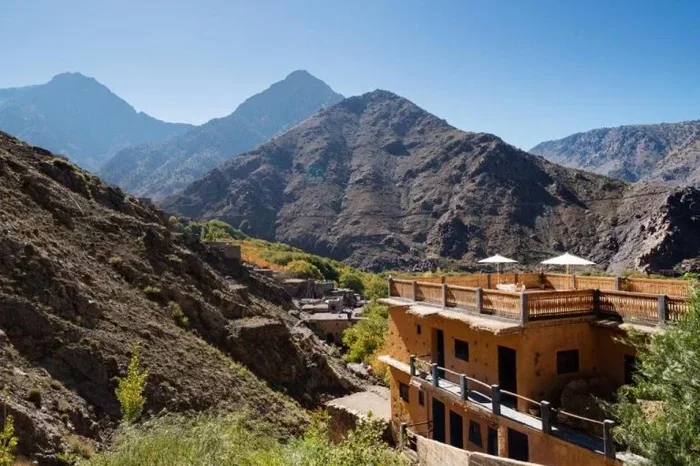
Visual guide about Agadir to Imlil landscape
Image source: blog.sinaitaxi.com
Option 1: Join an Organized Day Tour
This is the easiest choice for most visitors. Local operators in Agadir offer full-day excursions to Imlil, usually including transport, a guide, lunch, and sometimes a mule ride or short hike.
Pros:
- Hassle-free logistics and no navigation worries
- Guides share local history, language, and culture
- Often includes stops at hidden viewpoints
- Fixed pricing, usually 600 to 1,200 MAD per person ($60-$120)
Cons:
- Fixed schedule means less flexibility
- Group sizes can be large (sometimes 15+ people)
- Some tours rush the experience
Tip: Book through your hotel or a reputable agency like GetYourGuide. Read the cancellation policy and reviews before paying. Smaller group tours (under 8 people) almost always offer a better experience.
Option 2: Hire a Private Driver
If you want flexibility and comfort without driving yourself, hiring a private driver is a sweet spot. Most drivers in Agadir speak basic English and French, know the best photo stops, and will adjust the pace to your liking.
Typical cost: 2,500 to 3,500 MAD ($250-$350) for the day, including fuel and the driver’s fee. Split between four people, it’s competitive with a group tour.
How to arrange it: Ask your hotel concierge, check local listings on social media, or use platforms like Viator. Always confirm the price, the route, and what’s included (lunch, entry fees, etc.) before booking.
Option 3: Rent a Car and Drive Yourself
For independent travelers, renting a car offers full freedom. The drive is scenic and well-marked for the most part. Roads are generally good, though some mountain sections have tight curves and slow trucks.
Rental cost: Around 300 to 500 MAD per day ($30-$50), plus fuel (about 250 MAD round-trip). You’ll need an international driver’s license.
Route overview:
- Agadir to Taroudant: 1 hour 30 minutes on a fast highway
- Taroudant to Ouled Berhil: 45 minutes
- Ouled Berhil to Asni: 2 hours through increasingly mountainous terrain
- Asni to Imlil: 30 minutes on a winding mountain road
Important tips for self-driving:
- Drive during daylight only; mountain roads are unlit at night
- Watch for pedestrians, donkeys, and shepherds on the road
- Carry cash; small villages rarely accept cards
- Fill up fuel before leaving Taroudant; stations get sparse afterward
What to See and Do in Imlil
Once you arrive in Imlil, a small village squeezed into a steep valley, the real adventure begins. Here’s how to make the most of your time.
Explore Imlil Village
Imlil itself is tiny, just a cluster of stone houses, a few guesthouses, shops selling hiking gear, and a central square where taxis drop off trekkers. Take a slow walk through the village. You’ll notice satellite dishes on old stone homes, kids kicking soccer balls in dirt alleys, and old women weaving rugs on doorsteps. It’s a working village, not a tourist trap.
Stop at one of the cafes in the main square for mint tea. The traditional preparation involves fresh mint, hot water, sugar, and green tea, brewed together and poured from a height to create that signature foam on top. It’s a small ritual that connects you to the place.
Walk Through the Mizane Valley
The Mizane Valley stretches from Imlil deeper into the mountains. Even a short walk into the valley gives you a taste of the trekking experience without committing to a full hike. You’ll pass walnut trees, waterfalls, terraced farms, and small hamlets built right against cliffsides.
The valley floor is mostly easy walking. Wear sturdy shoes, as the path can be rocky. Bring water and sunscreen, even on cool days, because the sun feels stronger at altitude.
Visit the Shrine of Sidi Chamharouch
About 1.5 hours’ walk up the Mizane Valley sits Sidi Chamharouch, a small whitewashed shrine marking a sacred spot. According to local legend, a wise man named Sidi Chamharouch lived here in the 14th century and performed miracles. The shrine is now a pilgrimage site for Muslims and a popular rest stop for trekkers.
Non-Muslims can’t enter the shrine itself, but the surrounding area is open to all. The walk to reach it is one of the most scenic in the region, with views of Mount Toubkal dominating the skyline.
Did You Know? Mount Toubkal’s name comes from the Berber word “Tubyqal.” It was first summited by Europeans in 1923 by the Marquis de Segonzac, though local Berbers had clearly been climbing it for centuries.
Hike to a Waterfall
Several small waterfalls lie within an hour’s walk of Imlil. The most popular is near the village of Aremd, just 30 minutes from Imlil. The trail winds through orchards and crosses small wooden bridges. In spring, the waterfalls thunder with snowmelt. By autumn, they slow to a trickle but remain photogenic.
Enjoy a Traditional Lunch
Most Imlil guesthouses and a few restaurants serve traditional Berber lunches. Expect dishes like:
- Tagine: Slow-cooked stew of meat, vegetables, and spices, cooked in a clay pot
- Couscous: Especially on Fridays, served with vegetables and often lamb or chicken
- Berber omelet: A simple, hearty dish with tomatoes, peppers, herbs, and sometimes preserved meat
- Fresh bread: Baked in communal village ovens and served warm
A full lunch with tea usually runs 80-150 MAD ($8-$15). The portions are generous and the flavors are unforgettable.
Shop for Local Crafts
Imlil has a handful of small shops selling handmade crafts. Look for:
- Handwoven Berber rugs and carpets
- Carved wooden items
- Traditional silver jewelry
- Argan oil products (a Moroccan specialty)
- Handmade soap bars
Bargaining is expected. Start at about 50% of the asking price and work toward a fair deal. Buying directly from craftspeople supports the local economy far more than souvenir shops in bigger cities.
Best Time of Year to Visit Imlil
The best season depends on what you want from your trip. Each season offers a different flavor.
Spring (March to May)
Spring is widely considered the best time. Temperatures are mild (15-25°C in the valleys), wildflowers bloom across the hillsides, and the snow on Toubkal is still visible. Trails are dry, and waterfalls are at full flow from melting snow. Crowds are reasonable but not overwhelming.
Summer (June to August)
Summer brings hot temperatures at lower elevations but pleasantly warm weather in the mountains (25-30°C). It’s high season for trekkers heading up Toubkal, so Imlil gets busy. Mornings and evenings are cooler and perfect for hiking. Avoid midday sun if you’re walking far.
Autumn (September to November)
Autumn rivals spring for the best-season crown. Temperatures cool, crowds thin out, and the light turns golden, perfect for photography. Early autumn still feels like summer, while late autumn brings crisp air and the first dustings of snow on the peaks.
Winter (December to February)
Winter transforms Imlil into a different world. Temperatures drop below freezing at night, and snow can block some higher trails. But the scenery is dramatic, the villages feel cozy, and the low season means fewer tourists and better prices. Some roads may close briefly during heavy snow, so check conditions in advance.
Quick Tip: If you have flexibility, plan around the lunar calendar. Local Berber festivals often feature music, dancing, and feasts. Ask locally for festival dates during your visit.
Practical Tips and What to Pack
A little preparation makes the day far more enjoyable. Here’s a packing list and practical advice.
What to Wear
Mountain weather changes fast. Even on sunny days, temperatures can drop sharply by late afternoon.
- Layers: A light jacket plus a warm sweater handles most conditions
- Comfortable shoes: Hiking shoes or sturdy sneakers with grip
- Sun protection: Hat, sunglasses, and sunscreen (SPF 30 or higher)
- Modest clothing: Respectful covering of shoulders and knees is appreciated in villages
What to Bring
- Reusable water bottle (at least 1 liter)
- Camera or phone with extra battery
- Cash in small denominations (dirhams)
- Snacks for the drive (fruit, energy bars)
- Small backpack for day-use hiking
- Hand sanitizer
- Basic first-aid items
- Toilet paper (some restrooms lack it)
Health and Safety
Imlil is generally safe. Petty crime is rare, and locals are welcoming. Still, take basic precautions:
- Keep an eye on your belongings in busy spots
- Don’t drink tap water; stick to bottled or filtered water
- Be cautious with altitude if you feel dizzy or short of breath
- Inform your guide of any medical conditions
- Carry your phone fully charged for navigation
Money Matters
Most places in Imlil accept cash only. ATMs are available in Asni, the town before Imlil, so withdraw before heading up. Bring small bills for tips, small purchases, and parking. Tipping your guide or driver 50-100 MAD is appreciated but not required.
Connectivity
Mobile coverage in Imlil is decent; most Moroccan networks work in the village. Wi-Fi is available in many cafes and guesthouses, though it’s often slow. Download offline maps before you leave, just in case.
Should You Stay Overnight Instead?
A day trip is amazing, but spending a night in Imlil offers a deeper experience. Here’s how to decide.
Why Stay Overnight
An overnight stay lets you experience Imlil after the day-trippers leave. Sunset and sunrise over the Atlas Mountains are breathtaking. The stars at altitude are incredible. You’ll also hear the village wake up, a sound of roosters, mules, and children that grounds you in the place.
Many Imlil guesthouses offer simple, clean rooms with shared bathrooms for as little as 250-400 MAD per night ($25-$40), often including dinner and breakfast. Some have rooftop terraces with mountain views.
Why Stick with a Day Trip
If you’re short on time, on a tight budget, or based in Agadir for a beach holiday, a day trip delivers the highlights without disrupting your plans. It’s also lower commitment; if you don’t love the area, you won’t feel you’ve wasted time.
Hybrid Option
Some travelers do both. Spend a day trip from Agadir to see if you enjoy Imlil. If it clicks, return for a longer stay on a future visit. Or combine the day trip with an overnight in nearby Asni, a quieter village at the foot of the valley.
Making the Most of Your Day Trip
A successful day trip comes down to good planning and the right mindset. Here are a few ways to elevate your experience.
Start Early
Leave Agadir by 7:00 or 8:00 AM. Early starts mean cooler driving conditions, quieter villages, and more time in Imlil. Plus, you avoid afternoon traffic returning to Agadir.
Slow Down
Resist the urge to rush. Take time to chat with locals, sip tea slowly, and absorb the views. Some of the best moments on these trips happen in unplanned pauses.
Engage with Locals
Berber hospitality is legendary. If someone invites you for tea, accept. You’ll learn more in 30 minutes of conversation than in any guidebook. A few words in Tashelhit or Arabic go a long way. Try “Azul” (hello) or “Tanemirt” (thank you).
Respect the Environment
The Atlas is fragile. Take all trash with you, stick to marked trails, and avoid picking plants or disturbing wildlife. Leave the mountains as beautiful as you found them.
Capture Memories but Stay Present
Take photos, of course, but put the phone down sometimes. The smell of cedar forests, the sound of rushing streams, the chill of mountain air, these are the memories that stay with you.
Final Thoughts: Is a Day Trip from Agadir to Imlil Worth It?
In a word: absolutely. Few experiences in Morocco offer so much in so little time. You trade beach lounging for breathtaking peaks, swap resort buffets for home-cooked tagine, and replace poolside naps for hikes through ancient valleys. You don’t have to climb Mount Toubkal or even walk for hours. Just showing up is enough to feel the shift.
The drive itself is part of the adventure. You pass through landscapes that look like movie sets, palm-lined rivers, dusty market squares, terraced farms, and finally, the dramatic peaks of the High Atlas. By the time you reach Imlil, you’ve already seen half of Morocco’s beauty.
So if you’re in Agadir and wondering what to do beyond the beach, take this trip. Book the tour or hire the driver. Pack a small bag. Bring your sense of curiosity. By the time you return to Agadir that evening, you’ll carry a piece of the mountains with you, a memory that doesn’t fade.
Frequently Asked Questions
How long does a day trip from Agadir to Imlil take?
A full day trip takes about 10 to 12 hours total, including 4 to 5 hours of driving round-trip, plus stops along the way and several hours to explore Imlil. Starting early around 7 or 8 AM is the best way to make the most of the day.
Is the drive from Agadir to Imlil safe?
Yes, the drive is generally safe for tourists. Roads are in good condition for most of the route, and traffic is moderate. Drive during daylight hours, watch for slow trucks and animals on the road, and avoid driving at night on the mountain sections.
Do I need a guide for Imlil if I’m not trekking?
For a casual visit to Imlil village, you don’t strictly need a guide. However, having a guide adds cultural context, helps you meet locals, and makes navigation easier if you want to hike to Sidi Chamharouch or a waterfall. Many day tours include a guide for this reason.
What should I wear for a day trip from Agadir to Imlil?
Wear comfortable, layered clothing. Mornings and evenings in the mountains can be cool, while midday is often warm. Sturdy walking shoes are important, as is sun protection. Modest clothing that covers shoulders and knees is respectful in rural villages.
Can I visit Imlil year-round?
Yes, Imlil is accessible year-round, though winter can bring snow that occasionally blocks some roads or trails. The best months are March through May and September through November, when weather is mild and views are clear. Summer is busier but also pleasant.
Is Imlil suitable for families with children?
Absolutely. Imlil works well for families. Short hikes to waterfalls are manageable for kids, and the village itself is engaging with animals, friendly locals, and open spaces. Just keep an eye on little ones near streams and steep paths, and bring snacks and water.