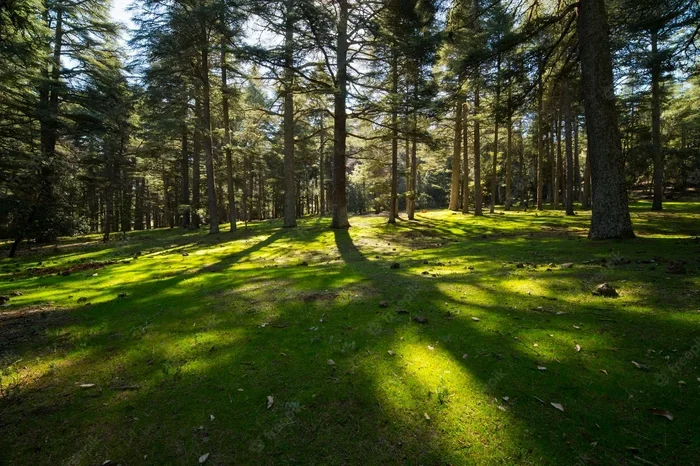
Featured image for Fes to Azrou cedar forest tour
Image source: moroccotravelexplorer.com
A 13 day tour from Fes to Azrou Cedar Forest is the ultimate Moroccan adventure, blending cultural immersion, ancient medinas, and breathtaking landscapes. This extended itinerary takes you from the spiritual capital of Fes through the Middle Atlas Mountains, the towering cedar trees of Azrou, into the Sahara Desert, and across to vibrant imperial cities. Perfect for travelers seeking depth over speed, this tour offers authentic experiences most visitors miss.
Morocco is a country that hits all your senses at once. Imagine walking through alleys that smell like fresh mint and spices. Picture yourself riding a camel as the sun sets over golden sand dunes. Think about standing beneath ancient cedar trees where monkeys play in the branches.
A 13 day tour from Fes to Azrou Cedar Forest is your ticket to experiencing all of this and more. This isn’t a rushed weekend getaway. It’s a slow, deep dive into one of North Africa’s most fascinating countries. You’ll have time to chat with locals, taste home-cooked tagines, and watch landscapes change from city streets to mountain passes to endless desert horizons.
What makes this specific route special? It starts in Fes, Morocco’s oldest imperial city and spiritual heart. Then it winds through the Middle Atlas Mountains, stopping at the famous Azrou Cedar Forest. From there, it continues south toward the Sahara, loops through kasbahs and oases, and often ends in Marrakech. Think of it like a movie that builds scene by scene, each day revealing a new chapter of Morocco’s story.
Key Takeaways
- Duration and Scope: A 13 day tour from Fes to Azrou Cedar Forest provides ample time to explore Morocco’s diverse landscapes, from medinas to deserts.
- Cultural Highlights: The journey includes visits to Berber villages, ancient kasbahs, and UNESCO World Heritage Sites like the Fes medina.
- Nature Focus: Azrou’s Cedar Forest is home to the endangered Barbary macaques and some of North Africa’s tallest trees.
- Adventure Activities: Camel treks, 4×4 desert excursions, and hiking opportunities are core elements of this route.
- Best Travel Season: Spring (March-May) and autumn (September-November) offer the most comfortable weather for this circuit.
- Route Direction: Most tours follow a Fes-to-Marrakech loop, though reverse itineraries are equally rewarding.
- Value Proposition: Multi-day tours provide better value and deeper cultural exchange than independent short trips.
📑 Table of Contents
Understanding the 13 Day Fes to Azrou Cedar Forest Tour Route
What Exactly Is This Tour?
A 13 day tour from Fes to Azrou Cedar Forest is a guided or semi-guided journey that covers roughly 2,000 kilometers of Moroccan terrain. The route typically begins in Fes, moves south through the Middle Atlas region, dips into the Sahara Desert near Merzouga, explores the Dadès and Todra valleys, visits Ouarzazate and the Atlas Mountains, and finishes in Marrakech.
The “Fes to Azrou” portion is just the opening act. The real adventure unfolds as you travel deeper into Morocco’s interior. Most travelers book this tour through local operators who handle transportation, accommodation, and guide services. Some tours are private, others join small groups of 8-15 people.
Did You Know? Morocco has over 4,000 kilometers of paved roads connecting its major tourist destinations, making multi-day circuits like this both practical and scenic. The Fes-Marrakech route via the desert is one of the most popular circuits in all of North Africa.
Who Is This Tour For?
This itinerary suits travelers who want more than a surface-level vacation. It’s perfect for:
- Culture enthusiasts who want to understand Moroccan history beyond guidebooks
- Nature lovers drawn to mountains, forests, and desert ecosystems
- Photography fans seeking diverse landscapes and authentic people
- Slow travelers who prefer fewer hotels and deeper experiences
- Small groups and families comfortable with shared vehicles and new friends
It’s not ideal for travelers who hate long drives. Some days involve 4-6 hours on the road. But those who embrace the journey find the changing scenery mesmerizing. One moment you’re in a snowy mountain pass. The next, you’re in a palm-fringed oasis. An hour later, you’re surrounded by red sand.
When Is the Best Time to Travel?
Timing matters enormously for this tour. The best windows are:
- March to May: Wildflowers bloom in the Atlas Mountains. Temperatures stay mild, between 18-25°C. Cedar forests are lush and green.
- September to November: Autumn brings clear skies and comfortable temperatures. The summer tourist rush has died down, and desert nights are cool but not freezing.
Summer (June-August) can be brutally hot in the desert, with temperatures exceeding 45°C in Merzouga. Winter (December-February) brings snow to the mountains and freezing nights in the Sahara. If you travel in winter, pack layers and prepare for cancellations or delays.
Spring and autumn also coincide with local festivals. The famous Rose Festival in Kelaa M’Gouna happens in May. Date harvest celebrations fill the desert oases in October. Timing your trip to overlap with these events adds extra magic.
The Journey Itinerary: Day-by-Day Breakdown
Days 1-2: Exploring Fes
Your tour begins in Fes, often called the cultural capital of Morocco. This city has been a center of learning since the 9th century. Its medina, Fes el-Bali, is a UNESCO World Heritage Site and one of the world’s largest car-free urban zones.
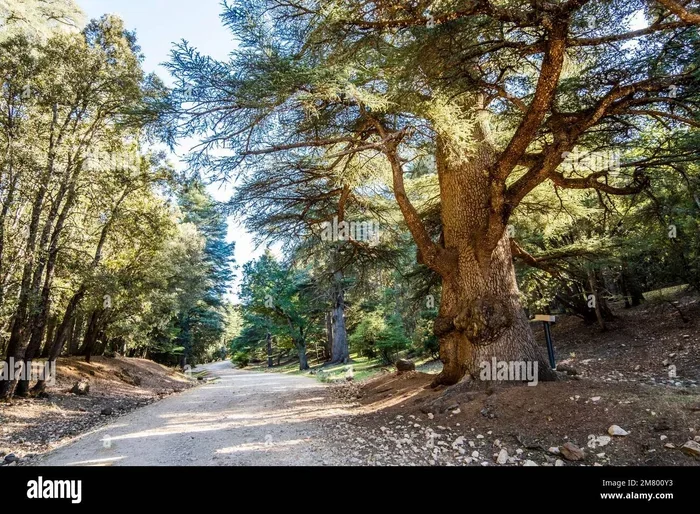
Visual guide about Fes to Azrou cedar forest tour
Image source: c8.alamy.com
Day 1 is usually reserved for guided medina tours. You’ll wander through 9,400 narrow alleys. You’ll see the famous Al-Qarawiyyin University, founded in 859 AD, which some historians consider the oldest continuously operating university on Earth. Did You Know? Al-Qarawiyyin predates Europe’s oldest universities by centuries. The University of Bologna, founded in 1088, came 229 years later.
Day 2 might include a visit to the Chouara Tannery, where leather has been processed the same way for almost 1,000 years. Workers still dye cow, sheep, goat, and camel hides in stone vats using natural pigments like poppy (red), indigo (blue), and saffron (yellow). The smell is intense. Travelers are given sprigs of mint to hold under their noses.
Days 3-4: Fes to Azrou and the Cedar Forest
On day 3, you leave the city and head south into the Middle Atlas Mountains. The drive takes about 3-4 hours, climbing steadily from Fes’s elevation of 580 meters to Azrou’s 1,280 meters.
Azrou means “rock” or “stone” in the Berber language. It’s a small town surrounded by one of Morocco’s most important ecosystems: the Cedar Forest of Azrou, part of the larger Ifrane National Park. The forest spans roughly 540 square kilometers and contains some of North Africa’s oldest and tallest trees.
Think of the cedar forest like an ancient cathedral. The trees, some over 800 years old, tower 30-40 meters high. Their trunks are massive, often 2-3 meters in diameter. The air smells clean and piney. In spring, wildflowers carpet the forest floor.
The most famous residents are the Barbary macaques, also called Barbary apes. These are the only primate species native to North Africa, and they’re endangered. Estimates suggest only 5,000-6,000 remain in the wild. Your guide will help you spot them, but remember to keep your distance and never feed them.
Day 4 might include a guided forest walk, a visit to a Berber village, or a stop at Ifrane, sometimes called “the Switzerland of Morocco” for its alpine-style architecture and clean streets.
Days 5-6: Midelt, Ziz Valley, and the Sahara
The journey continues south toward the desert. You’ll pass through Midelt, known for its apple orchards, and cross the Tizi n’Talghemt pass at 1,907 meters. The landscape transforms from green mountains to semi-arid plateaus.
By day 6, you arrive at the edge of the Sahara, usually staying in Merzouga or nearby Hassi Labied. This is where Erg Chebbi, the famous sand dune sea, awaits. Some dunes here reach 150 meters high.
The classic Sahara experience includes a camel trek into the dunes at sunset. You ride for about 90 minutes as the sky turns orange, pink, and purple. Then you arrive at a Berber desert camp, where you’ll sleep under the stars. Think of it as glamping with a 5,000-year-old twist.
Days 7-8: Sahara Exploration and Todra Gorge
Day 7 often starts before dawn. You climb a nearby dune to watch the sunrise over the Sahara. The silence here is profound. You hear nothing but wind shifting sand. Then you return to camp, have breakfast, and continue your journey.
The route now heads west toward the Todra Gorge, a massive canyon where limestone cliffs rise 300 meters on either side of a narrow river. Rock climbers come here from around the world. Even if you don’t climb, walking through the gorge is breathtaking.
Days 9-10: Dadès Valley and Rose City
The Dadès Valley is famous for its “monkey fingers,” bizarre rock formations shaped by millions of years of erosion. Local Berber communities still live in fortified kasbahs along the valley.
You’ll also visit Kelaa M’Gouna, the “Rose City.” In May, the surrounding valleys bloom with Damascus roses. Locals harvest them and distill them into rose water, which is exported worldwide for perfumes and cosmetics.
Days 11-12: Ouarzazate and the Atlas Mountains
Ouarzazate is called the “Hollywood of Africa.” It’s where films like Gladiator, Lawrence of Arabia, and The Mummy were shot. You’ll tour the Atlas Film Studios and visit the UNESCO-listed Ait Benhaddou, a stunning mud-brick kasbah that’s been a movie set for decades.
Then you cross the High Atlas Mountains via the Tizi n’Tichka pass at 2,260 meters. The road winds dramatically, with switchbacks revealing valleys far below. On clear days, you can see Mount Toubkal, North Africa’s highest peak at 4,167 meters.
Day 13: Marrakech
Your tour ends in Marrakech, the “Red City” named for its distinctive rose-colored buildings. You’ll have time to explore Jemaa el-Fnaa, the famous main square where snake charmers, musicians, and food stalls create a daily carnival. Did You Know? UNESCO declared Jemaa el-Fnaa a Masterpiece of the Oral and Intangible Heritage of Humanity in 2001.
Practical Tips for Your 13 Day Fes to Azrou Tour
What to Pack
Morocco’s climate varies dramatically along this route. You’ll need layers. Here’s what experienced travelers bring:
- Clothing: Light cotton for daytime, warm layers for desert nights, a waterproof jacket, and modest attire for religious sites
- Footwear: Comfortable walking shoes plus sandals for the desert
- Accessories: Sunglasses, sunscreen, a hat or scarf, and a power adapter (Morocco uses type C and E plugs)
- Health items: Hand sanitizer, basic medications, and a reusable water bottle
Money and Budgeting
Morocco’s currency is the Moroccan Dirham (MAD). As of 2024, 1 USD equals roughly 10 MAD. Most of your tour is prepaid, but you’ll want spending money for souvenirs, tips, and personal items. Budget around 200-300 MAD per day for extras, depending on your style.
Tipping is customary. Plan to tip your main guide and driver at the end of the tour. Standard practice is around 100-150 MAD per day for guides and 50-80 MAD per day for drivers. Local guides in cities also expect tips.
Health and Safety Considerations
Morocco is generally safe for tourists. Violent crime against visitors is rare. The main concerns are petty theft in crowded areas and traffic. Keep your valuables secure, especially in medinas.
Regarding health, drink only bottled water. Most tour operators provide safe drinking water in vehicles. Avoid ice in drinks unless you’re sure it’s made from purified water. Pack a small first aid kit with anti-diarrheal medication, as stomach issues can happen when adjusting to new foods.
Travel insurance is strongly recommended. Make sure your policy covers desert activities, hiking, and emergency evacuation.
Cultural Insights and Etiquette
Understanding Moroccan Culture
Morocco is a Muslim country, but it’s also progressive compared to many of its neighbors. You’ll hear the call to prayer five times daily. You’ll see women in both modern dress and traditional hijab. Religion is present but not imposed on visitors.
Hospitality is central to Moroccan culture. When someone offers you tea, accept it. When you enter a home, remove your shoes. When greeting someone, wait for them to extend their hand first, especially if they’re of the opposite gender.
Language Tips
Arabic and Amazigh (Berber) are the official languages. French is widely spoken in cities, especially in business and government. English is increasingly common in tourist areas, but learning a few basic Arabic phrases goes a long way:
- Hello: Salaam alaikum (peace be upon you)
- Thank you: Shukran
- Please: Afak
- Yes/No: Naam/La
Photography Etiquette
Always ask permission before photographing people. In Berber villages, especially women, photography can be sensitive. Your guide will help navigate these situations. Generally, photographing landscapes, architecture, and markets is fine.
Choosing the Right Tour Operator
What to Look For
Not all tour operators are equal. Here’s how to spot a good one:
- Licensing: Verify they’re registered with Morocco’s Ministry of Tourism
- Reviews: Check TripAdvisor, Google Reviews, and travel forums for recent feedback
- Inclusions: Confirm what’s covered: meals, entrance fees, activities, and accommodation type
- Group size: Smaller groups (under 12) offer better experiences
- Guide quality: Licensed guides make a huge difference in your understanding of sites
Red Flags to Avoid
Be cautious of operators who quote prices that seem too low. Rock-bottom prices often mean hidden costs, poor vehicles, or unqualified guides. Also, avoid operators who pressure you to book immediately or refuse to provide detailed itineraries in writing.
Reputable companies will happily answer questions, provide references, and customize itineraries to your interests. They should also have clear cancellation policies.
Tour Styles Compared
Tours come in several flavors:
- Budget camping tours: Shared groups, basic riads, and desert camping. Affordable but less comfortable.
- Mid-range tours: Small groups, 3-4 star hotels, comfortable desert camps. Best balance for most travelers.
- Luxury private tours: Your own vehicle, guide, and premium accommodations. Most expensive but most flexible.
For first-time visitors to Morocco, mid-range tours offer the best combination of comfort, authenticity, and value. Private tours are excellent for families or travelers with specific needs.
Why a 13 Day Tour from Fes to Azrou Is Worth It
Let’s be honest. You could see Morocco in a week or even less. Many travelers do. But a 13 day tour from Fes to Azrou Cedar Forest offers something most rushed itineraries miss: time.
Time to sit in a village square and watch life unfold. Time to learn a few words of Amazigh from a local. Time to climb a dune at sunrise without rushing back for a bus. Time to understand why Moroccans say “Bismillah” before every journey, meal, and task.
This tour isn’t just about checking off landmarks. It’s about building a relationship with a country. You arrive in Fes as a tourist. You leave Marrakech as someone who has a small piece of Morocco in your heart.
The cedar forest at Azrou, with its 800-year-old trees and playful macaques, becomes a metaphor for the whole journey. Things that seem permanent take time to grow. Connections that seem casual deepen with patience. And the best experiences, like the tallest cedars, stand the test of time.
So if you’re considering Morocco, consider this: don’t just visit it. Live it for 13 days. The Fes to Azrou to Sahara to Marrakech route is waiting, and it promises to be one of the most rewarding adventures of your life.
Frequently Asked Questions
How much does a 13 day tour from Fes to Azrou Cedar Forest typically cost?
Prices vary widely based on tour style and group size. Budget camping tours start around $800-1,200 per person, mid-range tours range from $1,500-2,500, and luxury private tours can exceed $4,000. Most tours include accommodation, transport, guide services, and some meals.
Is the Azrou Cedar Forest safe to visit?
Yes, the Azrou Cedar Forest is very safe for visitors. The main concern is the Barbary macaques, which are wild animals. Keep your distance, don’t feed them, and secure your belongings. The area is patrolled and well-maintained for tourism.
What should I wear on a Morocco desert tour?
Pack loose, lightweight cotton clothing for daytime and warm layers for cold desert nights. A scarf or shemagh is essential for sun and sand protection. Modest attire is recommended for visiting religious sites and rural communities. Comfortable closed-toe shoes work best for most activities.
Can I customize a 13 day Fes to Azrou tour itinerary?
Most operators offer customizable itineraries, especially for private tours. You can add activities like cooking classes, hot air balloon rides, or extended stays in specific locations. Discuss your preferences with the operator before booking to ensure they can accommodate your requests.
Do I need a visa for Morocco?
Citizens of many countries, including the US, UK, Canada, EU nations, and Australia, can enter Morocco visa-free for stays up to 90 days. Check with your local Moroccan embassy or consulate for specific requirements based on your nationality. Your passport should be valid for at least 6 months beyond your travel dates.
Is camel riding safe for beginners?
Yes, camel riding is generally safe and suitable for beginners. The camels are well-trained and handled by experienced Berber guides. The ride is slow and steady. However, if you have back problems or are pregnant, consult your doctor before participating. Some tours offer 4×4 alternatives to camel trekking.