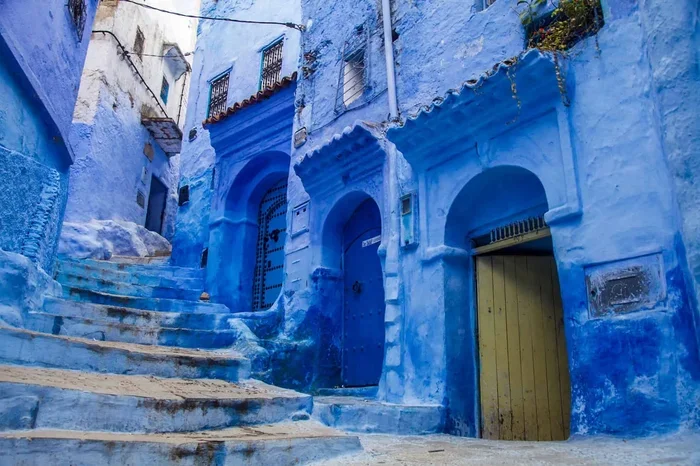
Featured image for Chefchaouen blue city Morocco
Image source: theworldpursuit.com
A Tour 3 Dias Desde Fez a Chaouen is the perfect way to explore northern Morocco’s most enchanting destinations in just three days. This carefully planned journey takes you through the cultural capital of Fez, the breathtaking Rif Mountains, and the famous blue-washed streets of Chefchaouen. Whether you’re a first-time visitor or a seasoned traveler, this 3-day adventure offers an unforgettable mix of history, nature, and authentic Moroccan charm.
Imagine standing in the middle of a maze of sapphire-blue streets, surrounded by colorful flower pots, with the smell of fresh bread drifting from a nearby bakery. This is Chefchaouen, Morocco’s famous “Blue Pearl,” and it’s just one stop on an incredible three-day adventure that begins in the ancient city of Fez. If you’ve been dreaming about exploring northern Morocco but aren’t sure how to fit it all into your travel plans, you’re in the right place.
A Tour 3 Dias Desde Fez a Chaouen is hands-down one of the most rewarding travel experiences you can have in Morocco. Think of it like a greatest hits album of northern Moroccan culture, history, and natural beauty, all packed into one perfectly balanced itinerary. You’ll journey from one of the world’s oldest medieval cities through winding mountain roads to a town that looks like it was painted by an artist with an unlimited supply of blue paint.
Did you know that Chefchaouen was actually painted blue by Jewish refugees in the 1930s? The tradition stuck, and today the entire city center is a living canvas of every shade of blue you can imagine. This kind of fascinating backstory is what makes the three-day tour so special. You’re not just sightseeing; you’re stepping into living history.
Key Takeaways
- Optimal Duration: Three days is the ideal timeframe to comfortably travel from Fez to Chefchaouen without feeling rushed.
- Route Highlights: The journey covers approximately 400 km through stunning landscapes including the Rif Mountains.
- Cultural Immersion: You’ll experience traditional Moroccan culture in both imperial cities and mountain villages.
- Photography Paradise: Chefchaouen’s blue streets offer some of Morocco’s most Instagram-worthy photo opportunities.
- Best Season: Spring (March-May) and fall (September-November) provide the most pleasant weather for this tour.
- Budget Friendly: The tour can be customized to fit various budgets, from backpacker to luxury preferences.
- Cultural Etiquette: Understanding local customs enhances your experience and shows respect for Moroccan traditions.
📑 Table of Contents
- Why Choose a 3-Day Tour from Fez to Chefchaouen?
- Planning Your Tour 3 Dias Desde Fez a Chaouen
- Day-by-Day Itinerary: Your Perfect Fez to Chefchaouen Adventure
- Must-See Attractions on Your Fez to Chefchaouen Route
- Budgeting for Your Tour 3 Dias Desde Fez a Chaouen
- Cultural Tips and Etiquette for Your Morocco Adventure
- Making the Most of Your Moroccan Adventure
Why Choose a 3-Day Tour from Fez to Chefchaouen?
Let’s be real for a moment. Morocco is packed with incredible destinations, and trying to see everything in one trip is like trying to eat an entire buffet in one sitting. You’re going to miss out on the good stuff. That’s exactly why a focused three-day tour from Fez to Chefchaouen makes so much sense. It’s like choosing a perfectly curated tasting menu over an overwhelming all-you-can-eat experience.
The route from Fez to Chefchaouen has been a favorite among travelers for generations, and for good reason. In just three days, you get to experience two completely different sides of Morocco. Fez represents the imperial, medieval heart of the country, with its ancient medina that’s been UNESCO-listed since 1981. Chefchaouen, on the other hand, offers a relaxed, artistic vibe in the heart of the Rif Mountains.
The Perfect Balance of Culture and Nature
One of the biggest reasons this tour works so well is the perfect balance it strikes. You’re not just visiting cities; you’re traveling through some of Morocco’s most stunning landscapes. The drive between Fez and Chefchaouen takes you through the Middle Atlas Mountains and into the Rif range, offering views that will have you reaching for your phone every few minutes.
Think of it this way: if Morocco were a sandwich, Fez would be the rich, historical filling, and Chefchaouen would be the fresh, colorful garnish that makes everything come together beautifully. You need both elements to truly understand what northern Morocco is all about.
Time Efficiency Without Sacrificing Depth
Here’s a fun fact: the average tourist spends only 2.3 days in northern Morocco, according to recent tourism statistics. That often means rushing through destinations and missing the magic that makes this region special. A three-day tour gives you enough time to actually soak in the atmosphere rather than just checking off landmarks from a list.
With 72 hours at your disposal, you can wake up early to watch the sunrise over the medina, spend a full afternoon getting lost in Chefchaouen’s blue streets, and still have time to enjoy a traditional hammam experience. That’s the kind of depth you simply can’t achieve on a rushed day trip.
Planning Your Tour 3 Dias Desde Fez a Chaouen
Alright, let’s get into the nitty-gritty of planning your adventure. Like preparing for a road trip with friends, a little planning goes a long way toward making sure everyone has an amazing time. The good news is that this route is well-trodden by travelers, so there are plenty of resources and options available.
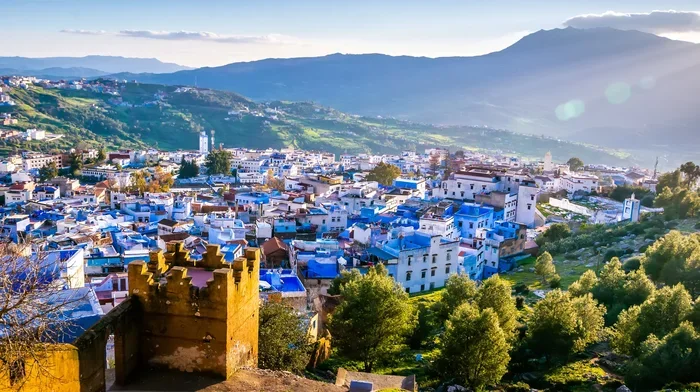
Visual guide about Chefchaouen blue city Morocco
Image source: explore.com
Best Time to Visit
Timing can make or break your trip. Morocco’s climate varies dramatically by season, and choosing the right time means the difference between a perfect vacation and a sweaty, uncomfortable experience. Here’s the breakdown:
- Spring (March to May): This is arguably the best time for a Tour 3 Dias Desde Fez a Chaouen. Temperatures are mild, ranging from 15°C to 25°C (59°F to 77°F), and the countryside is green and blooming. Wildflowers cover the hillsides, making your drive through the mountains even more spectacular.
- Fall (September to November): Almost equally perfect as spring. The summer crowds have thinned out, temperatures are comfortable, and you get those gorgeous golden light conditions that photographers dream about.
- Summer (June to August): It’s doable, but be prepared for heat, especially in Fez where temperatures can hit 40°C (104°F). Chefchaouen is cooler due to its mountain location, but the drive can be uncomfortable.
- Winter (December to February): The Rif Mountains can get quite cold, and snow is possible at higher elevations. However, this also means fewer tourists and lower prices.
Transportation Options
You have several ways to tackle this journey, each with its own pros and cons. Think of it like choosing between driving yourself, taking a bus, or hiring a private guide. Each option gives you a different experience.
Private Guided Tour: This is the most popular option for a reason. You get a knowledgeable driver who knows the roads, speaks multiple languages, and can share insights about the culture. Plus, you can stop whenever you want to take photos or explore an interesting spot. It’s like having a local friend show you around.
Self-Drive: If you love freedom and adventure, renting a car gives you total flexibility. The roads are generally in good condition, though mountain sections can be winding. Just be prepared for Moroccan driving customs, which can be… let’s say, “creative.”
Public Transport: Buses run between Fez and Chefchaouen, but this option is less ideal for a three-day tour. You’ll miss the flexibility to stop at viewpoints and hidden gems along the way. It’s also more challenging to manage luggage with multiple transfers.
What to Pack
Packing for Morocco is like packing for a trip to your grandma’s house, a hiking adventure, and a fancy dinner, all rolled into one. You need to cover all bases. Here’s what you shouldn’t leave home without:
- Modest clothing: Morocco is a Muslim country, so covering shoulders and knees is respectful, especially in religious sites.
- Comfortable walking shoes: Both Fez and Chefchaouen involve lots of walking on uneven surfaces.
- Layers: Mountain weather changes quickly, and early mornings can be chilly.
- Scarf or shawl: Doubles as sun protection and a cover-up for entering mosques.
- Camera with extra batteries: You’ll be taking hundreds of photos, trust me.
- Power adapter: Morocco uses Type C and E plugs.
- Reusable water bottle: Stay hydrated, especially during warmer months.
Day-by-Day Itinerary: Your Perfect Fez to Chefchaouen Adventure
Now for the main event. Let’s walk through exactly what your three days will look like. I’m going to break this down hour by hour so you know exactly what to expect. Think of this as your treasure map to northern Morocco.
Day 1: Exploring the Imperial City of Fez
Your adventure begins in Fez, Morocco’s spiritual and cultural capital. With a population of around 1.1 million in the metropolitan area, Fez is more than just a city; it’s a living museum that takes you back to medieval times. In fact, Fez’s medina is one of the largest car-free urban zones in the world.
Morning: The Heart of the Medina
Start your day early, around 8:30 AM, when the medina comes alive but the heat hasn’t yet peaked. Enter through the famous Blue Gate (Bab Boujloud) and prepare to be amazed. The medina of Fez is like an open-air labyrinth with over 9,000 alleys and streets. Don’t worry about getting lost; getting lost is part of the experience.
Your first stop should be the University of al-Qarawiyyin, founded in 859 AD. That’s not a typo; this is considered the oldest continuously operating university in the world. Harvard wasn’t even founded until 1636. Pretty incredible, right?
Midday: Artisans and Craftsmen
By midday, you’ll be hungry, and Fez has some of the best street food in Morocco. Try a bowl of harira, the traditional tomato-based soup that’s practically a meal in itself. Then head to the famous Chouara Tanneries, where leather has been processed the same way for nearly a thousand years. Your nose might protest, but your camera will love you for the photos.
After lunch, explore the pottery cooperatives in the Ain Nokbi neighborhood. Watching artisans create intricate mosaics by hand is like watching magic happen in real-time. It’s also a great place to pick up souvenirs, though be prepared to haggle; it’s expected and part of the fun.
Evening: Sunset and Dinner
As the sun begins to set, make your way to the Merenid Tombs for panoramic views of the city. The golden light bathing the medina below is something you’ll remember forever. Afterward, enjoy a traditional Moroccan dinner with tagine and couscous at a rooftop restaurant. The food, the views, and the atmosphere combine into a perfect ending to your first day.
Day 2: The Journey to Chefchaouen
Day two is your transition day, but don’t let the word “transition” fool you. This journey is packed with scenic beauty and interesting stops. It’s the difference between the destination and the journey, and trust me, this journey is incredible.
Morning: Departure and Scenic Drive
Wake up early and enjoy breakfast at your riad (traditional Moroccan guesthouse). Around 8 AM, you’ll hit the road heading north toward Chefchaouen. The drive is approximately 4-5 hours, but with stops, it becomes a full-day adventure.
The route takes you through the Middle Atlas Mountains, and you’ll understand why Moroccans are so proud of their landscapes. Rolling hills, cedar forests, and small Berber villages dot the scenery. It’s like driving through a Bob Ross painting come to life.
Midday: Hidden Stops Along the Way
One of the best stops is the town of Moulay Idriss Zerhoun, a sacred city that’s actually closed to non-Muslims except during a special annual festival. Even just seeing it from the viewpoint is worth the stop. The white buildings cascading down the hillside create a stunning contrast against the green landscape.
If time permits, another great stop is the Roman ruins of Volubilis. This UNESCO World Heritage site features remarkably preserved mosaics and columns from the 3rd century BC. It’s like stepping into a time machine that takes you back 2,000 years.
Afternoon: Arrival in Chefchaouen
By mid-afternoon, you’ll arrive in Chefchaouen, and that first glimpse of the blue city will take your breath away. Check into your accommodation and take some time to rest. The altitude (around 600 meters above sea level) can make you feel a bit tired, especially if you’re not used to mountain air.
Evening: First Taste of the Blue City
As evening approaches, take a gentle walk through the medina. The blue walls take on a magical quality during the golden hour, and the lighting is absolutely perfect for photography. For dinner, try a restaurant near Plaza Uta el-Hammam, the main square. Try local specialties like goat cheese (Chefchaouen is famous for it) and mint tea while watching the world go by.
Day 3: Deep Dive into Chefchaouen
Your final day is all about immersing yourself in everything Chefchaouen has to offer. This is the day to slow down, explore, and truly connect with the city’s unique vibe.
Morning: Sunrise and Spanish Mosque
Set your alarm for early because you don’t want to miss the sunrise. Hike up to the Spanish Mosque, located on a hill just outside the medina. The 30-minute walk rewards you with absolutely stunning views of the entire blue city bathed in morning light. It’s a photographer’s dream and probably one of the most iconic views in all of Morocco.
Midday: Exploring Hidden Corners
After descending back into the medina, spend your morning exploring the narrow blue streets. Every corner reveals a new photo opportunity, a colorful door, or a friendly local cat. Did you know Chefchaouen is famous for its cat population? Yes, the city is basically cat heaven.
Visit the Kasbah Museum, located in the main square. This 15th-century fortress offers beautiful gardens and exhibits about the region’s history. The ethnographic museum inside gives fascinating insights into Berber culture and traditions.
Afternoon: Shopping and Relaxation
Chefchaouen is known for its artisan crafts, particularly woven goods and leather products. The medina has numerous shops where you can find unique souvenirs. Unlike in Fez, the shopping experience here is much more relaxed and less pushy. Vendors are happy to chat, share stories, and let you browse at your own pace.
For lunch, try a restaurant with a rooftop terrace. The combination of good food, mint tea, and views over the blue rooftops is quintessentially Chefchaouen.
Evening: Farewell to Chefchaouen
As your three-day adventure comes to an end, spend your final evening enjoying the magical atmosphere one last time. Find a quiet spot in the medina, perhaps near a fountain, and just soak it all in. If you have time, consider visiting a traditional hammam for the ultimate Moroccan relaxation experience before your departure.
Must-See Attractions on Your Fez to Chefchaouen Route
While the main cities are the stars of the show, some of the best experiences come from the smaller stops along the way. These hidden gems are like the bonus tracks on your favorite album; they make the whole experience even better.
The Blue Streets of Chefchaouen
Let’s talk more about those famous blue streets. Why blue? There are several theories. Some say it’s to keep mosquitoes away. Others claim it symbolizes the sky and heaven. The most accepted theory is that Jewish refugees who settled here in the 1930s painted the buildings blue to symbolize the sky and remind them of God’s power. Whatever the reason, the result is breathtaking.
The shades of blue vary from pale powder blue to deep azure, and the effect changes throughout the day as the sun moves across the sky. Morning light makes the colors soft and dreamy, while afternoon sun creates bold, dramatic contrasts.
The Al-Qarawiyyin University and Mosque
While non-Muslims can’t enter the mosque itself, the exterior and surrounding areas are still impressive. The university has been a center of learning for over 1,160 years, predating the first universities in Europe by centuries. The library, recently restored, contains ancient manuscripts that scholars travel from around the world to study.
The Chouara Tanneries of Fez
If you’ve seen photos of Morocco, you’ve likely seen these tanneries. Hundreds of stone vessels filled with dye in various colors, with workers standing in the mixtures to soften leather. The process hasn’t changed in nearly a thousand years. Bring a sprig of mint to hold under your nose; the smell is intense but authentic. It’s like taking a step back in time.
The Rif Mountains
Often overlooked in favor of the Atlas Mountains, the Rif range has its own unique charm. The mountains around Chefchaouen are known for their lush greenery, especially in spring. The Spanish Mosque hike offers some of the best panoramic views in the region. It’s like nature’s own IMAX screen.
Plaza Uta el-Hammam
This is the main square in Chefchaouen and the heart of social life. Surrounded by restaurants and cafes, with the Kasbah at one end and the Grand Mosque at the other, it’s the perfect place to people-watch. In the evening, locals gather here to chat, families bring their children to play, and tourists sip mint tea. It’s authentic Moroccan life in action.
Budgeting for Your Tour 3 Dias Desde Fez a Chaouen
Let’s talk money, because nobody wants to be surprised by unexpected costs. The good news is that a Tour 3 Dias Desde Fez a Chaouen can be tailored to almost any budget. Whether you’re a backpacker counting every dirham or a luxury traveler wanting the best of everything, there’s an option for you.
Budget Breakdown
- Budget Option ($50-80 per day): Stay in hostels or budget riads, eat at local restaurants, use public transport where possible, and join group tours.
- Mid-Range Option ($100-200 per day): Stay in 3-4 star riads, enjoy restaurant meals with occasional splurges, hire a private driver, and book guided tours.
- Luxury Option ($300+ per day): Stay in luxury riads, enjoy fine dining, have a private guide throughout, and add exclusive experiences like cooking classes or premium shopping.
Money-Saving Tips
Here are some insider tips to make your money go further without sacrificing experience:
Eat where locals eat: Restaurants near tourist attractions always charge more. Walk a few blocks away from main squares to find delicious, authentic food at local prices.
Haggle respectfully: In markets, the first price quoted is rarely the final price. Polite negotiation is expected, but know when to walk away. If the price isn’t right, there are usually several vendors selling similar items nearby.
Travel in shoulder season: Prices drop significantly in October-November and March-April compared to peak summer months.
Book accommodation in advance: Last-minute bookings in Chefchaouen during peak season can cost 30-50% more.
Buy a SIM card: Local SIM cards are cheap and will help you navigate, translate, and stay connected without expensive roaming charges.
Hidden Costs to Watch For
To avoid surprises, keep an eye out for these common additional expenses:
- Guide tips in medinas (not mandatory but appreciated)
- Camera fees at certain historical sites
- Drinks at tourist restaurants (often overpriced)
- Souvenirs (easy to overspend on beautiful crafts)
- Travel insurance (always recommended but an extra cost)
Cultural Tips and Etiquette for Your Morocco Adventure
Morocco is a welcoming country, and most issues arise from cultural misunderstandings rather than malice. A little knowledge about local customs can transform your trip from good to absolutely amazing. Think of it as learning the secret handshake that gets you into the coolest club ever.
Dress Code and Modesty
Morocco is a Muslim country, and while it’s quite liberal by regional standards, modest dress is respectful. For your Tour 3 Dias Desde Fez a Chaouen, here’s what to keep in mind:
Cover your shoulders and knees, especially when visiting religious sites. Women don’t need to cover their hair except when entering mosques, but carrying a scarf is always a good idea. Men should avoid sleeveless tops in conservative areas. The locals appreciate tourists who make an effort to respect their culture.
Photography Etiquette
Morocco is incredibly photogenic, but always ask permission before photographing people. A smile and a polite gesture go a long way. Some people will ask for money in exchange for photos, which is understandable given that photography is sometimes their livelihood. Negotiate a price beforehand if you want to take someone’s picture.
Avoid photographing military installations, police officers, or government buildings. This is taken very seriously and can lead to uncomfortable situations.
Food and Dining Customs
Moroccan meals are often communal, served on a single large plate. Wash your hands before and after eating, and eat with your right hand if eating bread. It’s polite to accept mint tea when offered; refusing can be seen as rude. The traditional way to pour mint tea is from a height to create foam on top; this is considered an art form.
During Ramadan (the dates change yearly based on the lunar calendar), eating, drinking, or smoking in public during daylight hours is inappropriate, even if you’re not Muslim. Many restaurants will be closed during the day but open for special iftar meals at sunset.
Language Basics
While many Moroccans in tourist areas speak French, English, or Spanish, knowing a few Arabic or Berber phrases can enhance your experience enormously. Here are some essentials:
- Hello: Salaam alaikum (peace be upon you)
- Thank you: Shukran
- Yes: Na’am
- No: La
- Please: Min fadlak (to a man) / Min fadlik (to a woman)
- Goodbye: Ma’a salama
- How much?: B’shhal? (in markets)
A simple “Salaam alaikum” with a smile can open doors you didn’t even know existed.
Making the Most of Your Moroccan Adventure
You’ve got the itinerary, the packing list, and the cultural tips. Now let’s talk about how to transform a good trip into an unforgettable one. These final tips come from people who have walked these streets thousands of times.
Connect with Locals
The best experiences in Morocco often come from unexpected interactions. Take time to chat with shopkeepers, accept invitations for tea, and engage with your riad hosts. Moroccans are incredibly hospitable, and many travelers say the people they met were the highlight of their trip.
Embrace the Unexpected
Things don’t always go according to plan in Morocco, and that’s part of the charm. A “wrong turn” might take you to a stunning viewpoint. A “delayed” bus might lead to a conversation that changes your perspective. Stay flexible and open to whatever comes your way.
Take Time to Reflect
In our busy lives, we often rush from attraction to attraction without really absorbing what we’re experiencing. On your Tour 3 Dias Desde Fez a Chaouen, build in time to just sit and observe. Find a quiet corner in the medina, order mint tea, and watch the world go by. These moments of stillness are where the magic happens.
Document Your Journey
Whether through photos, journaling, or videos, find a way to capture your experience. Years from now, you’ll want to remember the details: the smell of the tanneries, the taste of fresh bread, the sound of the call to prayer echoing through the medina. These sensory memories are what make travel truly transformative.
A Tour 3 Dias Desde Fez a Chaouen is more than just a vacation; it’s an immersion into a culture that’s been welcoming travelers for centuries. From the moment you step into Fez’s ancient medina to your final walk through Chefchaouen’s blue streets, every moment offers something new to discover.
The beauty of this route lies in its perfect balance: enough time to truly experience each destination, yet short enough to fit into most travel plans. The combination of imperial history, natural beauty, and authentic culture creates an experience that stays with you long after you’ve returned home.
So what are you waiting for? Pack your bags, bring your sense of adventure, and get ready for one of the most memorable trips of your life. Morocco is calling, and Chefchaouen’s blue streets are waiting to welcome you with their unique charm and timeless beauty. Your three-day adventure through northern Morocco is just a booking away.
Frequently Asked Questions
How many days do you need for a tour from Fez to Chefchaouen?
Three days is the ideal duration for a tour from Fez to Chefchaouen. This allows you to fully explore Fez’s medina, enjoy the scenic drive through the mountains, and spend quality time experiencing Chefchaouen’s blue streets and culture without feeling rushed.
What is the best time of year to do a Tour 3 Dias Desde Fez a Chaouen?
The best times are spring (March to May) and fall (September to November) when temperatures are mild, ranging from 15°C to 25°C. The countryside is green and beautiful, and you avoid the extreme summer heat and winter cold, especially in the mountain regions.
How far is Chefchaouen from Fez?
Chefchaouen is approximately 200 kilometers from Fez, and the drive takes about 4 to 5 hours depending on traffic and stops. The route goes through scenic mountain areas, so you’ll want to budget extra time for photo opportunities and rest stops along the way.
Is a guided tour necessary for the Fez to Chefchaouen route?
While not strictly necessary, a guided tour is highly recommended, especially for first-time visitors. A local guide provides valuable cultural insights, handles logistics, ensures you don’t get lost in the medinas, and helps you discover hidden gems you might otherwise miss.
Why is Chefchaouen painted blue?
The blue color is believed to have been introduced by Jewish refugees who settled in Chefchaouen in the 1930s. They painted the buildings blue to symbolize the sky and heaven. The tradition continued after they left, and today the entire medina is maintained in various shades of blue.
What should I pack for a 3-day Fez to Chefchaouen tour?
Pack modest clothing covering shoulders and knees, comfortable walking shoes for cobblestone streets, layers for changing mountain temperatures, a scarf or shawl, sunscreen, a camera, a power adapter, and a reusable water bottle. Don’t forget any personal medications and a small first-aid kit.