Featured image for Morocco Fez to Casablanca tour
Image source: africanorthjourneys.com
A 5-day tour from Fes to Casablanca is the perfect way to experience Morocco’s most iconic destinations in one unforgettable journey. This carefully crafted itinerary takes you through ancient medinas, the stunning Sahara Desert, and ends at the Atlantic coast. It’s ideal for travelers who want depth without rushing, combining cultural immersion, scenic landscapes, and authentic Moroccan experiences from start to finish.
Key Takeaways
- Complete Coverage: A 5-day tour from Fes to Casablanca covers Morocco’s top highlights, including Chefchaouen, Volubilis, Meknes, Merzouga, and Marrakech.
- Sahara Experience: The itinerary includes a camel trek and overnight stay in a Sahara Desert camp, one of the most memorable experiences in North Africa.
- Cultural Immersion: Travelers visit four UNESCO World Heritage Sites and explore ancient medinas filled with history, craftsmanship, and local traditions.
- Flexible Options: Tours range from budget shared group trips to luxury private tours, with options for standard or luxury desert camps.
- Best Travel Times: Spring (March-May) and autumn (September-November) offer the most comfortable weather for this multi-day journey.
- Distance Covered: The full route spans approximately 1,200 kilometers, showcasing dramatic landscapes from mountains to dunes to coastline.
- Booking Tips: Reserve at least 2-3 weeks in advance, especially during peak season, and confirm inclusions like meals, transport, and accommodation.
📑 Table of Contents
- Why Choose a 5-Day Tour from Fes to Casablanca?
- Day-by-Day Itinerary: What to Expect
- What’s Included and What’s Not: Budget Breakdown
- Best Time to Take This Tour: Seasonal Guide
- Practical Tips for a Smooth Journey
- Choosing the Right Tour Operator
- Frequently Asked Questions
- Final Thoughts: Is This Tour Right for You?
Why Choose a 5-Day Tour from Fes to Casablanca?
Morocco is a country of contrasts. In one trip, you can walk through medieval medinas, ride camels across golden dunes, and sip mint tea overlooking the Atlantic Ocean. A 5-day tour from Fes to Casablanca ties all these experiences together into one seamless adventure.
Think of this journey like reading a great novel. Fes is the opening chapter, rich with history and mystery. The Sahara Desert is the thrilling climax, full of drama and beauty. Casablanca is the satisfying conclusion, where modern Morocco meets the sea. Each day unfolds a new story, and by the end, you’ll have a deep appreciation for this incredible country.
According to Morocco’s Ministry of Tourism, multi-day guided tours have grown by 35% in popularity over the past five years. This isn’t surprising. Independent travel in Morocco can be challenging due to language barriers, transportation gaps, and the sheer size of the country. A guided tour solves these problems while adding local insights you’d miss on your own.
This guide will walk you through everything you need to know. You’ll learn about the route, daily highlights, what to pack, costs, and practical tips. Whether you’re a solo traveler, a couple, or a family, this itinerary offers something special for everyone.
Day-by-Day Itinerary: What to Expect
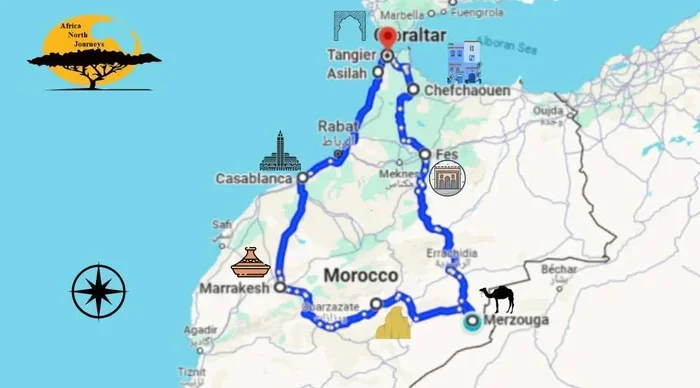
The classic 5-day tour follows a north-to-south-to-west route. Starting in Fes, you travel through Chefchaouen and the Roman ruins of Volubilis, then head south to the Sahara Desert in Merzouga. From there, you journey west through the Atlas Mountains to Marrakech, finally ending at the coast in Casablanca.
Visual guide about Morocco Fez to Casablanca tour
Image source: pathfinderstreks.com
Day 1: Fes to Chefchaouen via Volubilis and Meknes
Your adventure begins early in Fes, often with a pickup around 7 or 8 AM. The first stop is usually the ancient Roman city of Volubilis, a UNESCO World Heritage Site that dates back to the 3rd century BC. Walking through these ruins feels like stepping into a history book. You’ll see remarkably preserved mosaics, towering columns, and triumphal arches.
Did You Know? Volubilis was once the administrative center of the Kingdom of Mauretania and home to about 20,000 people at its peak.
After exploring Volubilis, the tour continues to Meknes, another imperial city. Here you’ll visit the stunning Bab Mansour gate, often called the most beautiful gate in North Africa. The guide will share stories of Sultan Moulay Ismail, who turned Meknes into a grand capital in the 17th century.
By afternoon, you’ll arrive in Chefchaouen, the famous “Blue City.” Nestled in the Rif Mountains, this town is famous for its blue-painted buildings and laid-back vibe. You’ll have time to wander the medina, shop for handmade crafts, and enjoy dinner at a local restaurant. Many tours include an overnight stay in a traditional riad, a Moroccan house with an interior courtyard.
Day 2: Chefchaouen to the Sahara Desert via Midelt and Erfoud
Day two is a long but spectacular travel day. You’ll leave Chefchaouen in the morning and drive south through changing landscapes. The route passes through the Middle Atlas Mountains, where cedar forests are home to the famous Barbary macaques. A quick stop in Ifrane, sometimes called “Little Switzerland of Morocco,” offers a surreal experience with its clean streets and alpine-style architecture.
The journey continues through Midelt and the Ziz Valley, a stunning palm oasis that stretches for kilometers. Imagine a river of green cutting through barren desert hills. That’s the Ziz Valley. It’s one of the most photographed landscapes in Morocco.
By late afternoon, you arrive in Merzouga, the gateway to the Erg Chebbi dunes. Here, you’ll meet your camel caravan and ride into the desert for sunset. The trek takes about 90 minutes, and the sight of the sun dipping behind the orange dunes is unforgettable.
That night, you’ll stay in a desert camp, either a standard Berber tent or a luxury camp with private bathrooms and proper beds. Both options include dinner, music, and stargazing. Did You Know? The Sahara Desert covers 3.6 million square miles, making it the largest hot desert in the world.
Day 3: Sahara Desert Exploration and Todra Gorges
Sunrise in the Sahara is the magical part of any desert trip. Many tours offer an optional early camel ride back to the dune edge to watch the sunrise. The silence of the desert at dawn is something you have to experience to believe.
After breakfast at the camp, you’ll head west toward Todra Gorges. This dramatic canyon features 400-meter-high limestone walls that draw rock climbers from around the world. You’ll have lunch in a nearby village and take a short walk through the gorge.
The afternoon drive takes you through the Dades Valley, known for its kasbahs and rose gardens. If you’re traveling in May, you might catch the famous Rose Festival in nearby Kelaa M’Gouna. The tour typically ends the day in Ouarzazate, often called the “Hollywood of Africa” because of its film studios.
Day 4: Ouarzazate to Marrakech via Ait Benhaddou
This day is packed with film history and mountain scenery. Your first stop is Ait Benhaddou, a UNESCO-protected ksar (fortified village) that has served as a backdrop for movies like Gladiator, Lawrence of Arabia, and Game of Thrones. Walking through this ancient mud-brick village feels like entering another era.
After Ait Benhaddou, you’ll cross the High Atlas Mountains via the Tizi n’Tichka pass. At over 2,200 meters high, this road offers breathtaking views. The winding route is one of the most scenic drives in North Africa, though it can be challenging for those prone to motion sickness.
By late afternoon, you arrive in Marrakech, the “Red City.” Your guide will lead you through the medina, visiting highlights like the Koutoubia Mosque, the Saadian Tombs, and the bustling Jemaa el-Fnaa square. This square comes alive at night with food stalls, storytellers, musicians, and snake charmers. It’s officially recognized by UNESCO as a Masterpiece of the Oral and Intangible Heritage of Humanity.
Day 5: Marrakech to Casablanca via the Atlantic Coast
On the final day, you have some free time in Marrakech in the morning. Many travelers use this time to visit the Majorelle Garden, explore the souks, or relax at a traditional hammam (Moroccan spa).
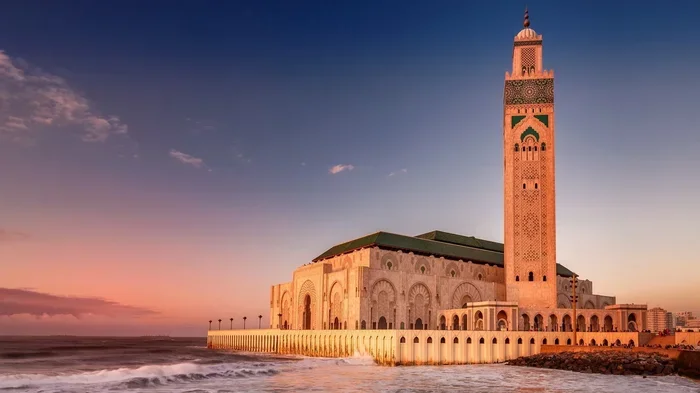
Around midday, you’ll begin the journey to Casablanca, the economic capital of Morocco. The drive takes about 2.5 to 3 hours. Once in Casablanca, you’ll visit the magnificent Hassan II Mosque, one of the few mosques in Morocco open to non-Muslim visitors. Built partially over the Atlantic Ocean, it’s the largest mosque in Africa and the 7th largest in the world.
Your tour typically ends with drop-off at your Casablanca hotel or the airport. From here, you can extend your stay to explore the coastal cities of Rabat and Essaouira, or catch a flight home.
What’s Included and What’s Not: Budget Breakdown
Understanding what’s included in your tour price helps you budget properly and avoid surprises.
Standard Inclusions
Most 5-day tours include the following:
- Transportation: Air-conditioned minivan or 4×4 vehicle with an English-speaking driver-guide.
- Accommodation: 4 nights of lodging (mix of riads, hotels, and desert camp).
- Meals: Breakfast daily and 2-3 dinners (typically in the desert and Chefchaouen).
- Activities: Camel trek, guided medina tours, and entrance fees to major sites.
- Pickup and Drop-off: Hotel transfers in Fes and Casablanca.
Common Exclusions
Be aware of these typically not included in the base price:
- Lunches and drinks throughout the trip.
- Tips for drivers, guides, and camel handlers (budget around $5-10 per day).
- Entry fees to certain monuments like the Saadian Tombs.
- Personal expenses like souvenirs and snacks.
- Travel insurance.
Price Ranges
Tour prices vary widely based on style and group size:
- Budget Shared Group Tours: $250-400 per person
- Mid-Range Private Tours: $600-900 per person
- Luxury Private Tours: $1,200-2,000+ per person
As a general rule, private tours offer more flexibility but cost more. Shared tours are budget-friendly but follow a fixed schedule.
Best Time to Take This Tour: Seasonal Guide
Morocco’s climate varies greatly by region, and timing your tour right can make or break your experience.
Spring (March to May)
Spring is widely considered the best time for this tour. Temperatures are mild (20-28°C or 68-82°F), wildflowers bloom in the Atlas Mountains, and the desert is comfortable for camel trekking. This is also when the famous Rose Festival takes place in the Dades Valley.
Autumn (September to November)
Autumn offers similar conditions to spring, with warm days and cool nights. The summer heat has passed, and the desert is gorgeous. October is particularly popular because of comfortable hiking weather in Todra Gorges and Ait Benhaddou.
Winter (December to February)
Winter tours are possible but come with challenges. The desert nights can be very cold (sometimes below freezing), and snow can block mountain passes. However, winter offers fewer tourists and lower prices.
Summer (June to August)
Summer is the least recommended time. Desert temperatures can exceed 45°C (113°F), making camel treks uncomfortable. However, coastal Casablanca offers some relief with its Atlantic breezes.
Practical Tips for a Smooth Journey
A little preparation goes a long way in ensuring your Morocco tour is hassle-free.
What to Pack
Pack light but smart. Here’s a quick checklist:
- Clothing: Light layers, a warm jacket for desert nights, modest clothing for mosque visits, comfortable walking shoes.
- Accessories: Sunglasses, sun hat, scarf (for sand and sun), small daypack.
- Essentials: Sunscreen, reusable water bottle, basic first-aid kit, hand sanitizer.
- Documents: Passport, printed booking confirmation, travel insurance details.
Health and Safety
Morocco is generally safe for tourists. Petty crime like pickpocketing can happen in crowded medinas, so keep valuables secure. Tap water isn’t safe to drink, so stick to bottled or filtered water. Most travelers find the food safe, but if you have a sensitive stomach, avoid raw vegetables and street food for the first day or two.
Money Matters
The Moroccan currency is the dirham (MAD). While credit cards are accepted in larger hotels and restaurants, cash is king in medinas and small shops. ATMs are widely available in cities but scarce in rural areas. Bring enough cash for tips and small purchases, especially during the desert portion of the trip.
Respecting Local Culture
Morocco is a Muslim country with conservative values. Dress modestly, especially when visiting religious sites. Ask permission before photographing people. During Ramadan, be respectful of those fasting by avoiding eating, drinking, or smoking in public during daylight hours.
Staying Connected
Most guides offer Wi-Fi in the vehicle, but coverage can be spotty in remote areas. Consider purchasing a local SIM card at the airport for reliable data. Maroc Telecom and Inwi have the best coverage for tourists.
Choosing the Right Tour Operator
Not all tour operators are created equal. Here are some tips for finding a reputable company:
Check Reviews and Credentials
Look for operators with consistent 4.5+ star ratings on TripAdvisor, Google, and GetYourGuide. Verify they have proper licensing through the Moroccan Ministry of Tourism. Reputable companies will have an official registration number.
Compare What’s Included
The cheapest option isn’t always the best. Compare itineraries carefully. Some operators cut costs by skipping key sites, packing too many people in a van, or using subpar accommodations. A slightly higher price often means better guides, newer vehicles, and more authentic experiences.
Ask the Right Questions
Before booking, ask these questions:
- What type of vehicle will be used?
- How many people are in the group?
- What is the guide’s language ability?
- Are entrance fees included?
- Can the itinerary be customized?
- What is the cancellation policy?
Book Directly When Possible
Booking through third-party platforms like Viator or GetYourGuide adds a commission layer. Contacting local operators directly often results in better prices and more personalized service. Many reputable Morocco tour companies have websites with WhatsApp contact options.
Frequently Asked Questions
Question?
Answer (2-3 sentences)…
Is 5 days enough to travel from Fes to Casablanca?
Yes, 5 days is the ideal duration for this route. It allows enough time to explore key sites without rushing. You’ll cover around 1,200 kilometers but with comfortable pacing and overnight stays in interesting locations along the way.
Question?
Answer (2-3 sentences)…
Do I need a visa for Morocco?
Most Western travelers, including citizens of the US, UK, EU, Canada, and Australia, don’t need a visa for stays under 90 days. You only need a valid passport with at least six months of validity beyond your travel dates.
Question?
Answer (2-3 sentences)…
What is the camel ride like in the Sahara?
The camel ride to the desert camp takes about 90 minutes one way, with a stop halfway for photos. Camels are gentle but the ride can be bumpy, so hold on tight and follow your guide’s instructions. It’s a slow, rhythmic journey, not a fast trot.
Question?
Answer (2-3 sentences)…
Is this tour suitable for families with children?
Yes, this tour works well for families with children aged 6 and above. Kids usually love the camel ride and desert camp experience. Just note that the long driving days may be tiring for younger children, so bring entertainment and snacks.
Question?
Answer (2-3 sentences)…
What should I wear during the tour?
Pack comfortable, modest clothing that covers shoulders and knees. Light layers work best because temperatures vary greatly between day and night. In summer, breathable fabrics are essential, while winter requires a warm jacket for desert nights.
Question?
Answer (2-3 sentences)…
Can I customize the 5-day itinerary?
Most operators offer customization for private tours. You can add stops like the blue village of Chefchaouen, swap Marrakech for a coastal town, or extend the desert stay. Shared group tours usually follow a fixed route with little flexibility.
Final Thoughts: Is This Tour Right for You?
A 5-day tour from Fes to Casablanca is more than just a vacation. It’s a journey through time, culture, and some of the most stunning landscapes on Earth. From the blue-washed streets of Chefchaouen to the golden silence of the Sahara, every day brings something new.
This tour is ideal if you want a balance of structured sightseeing and authentic experiences. You won’t have to worry about logistics, navigation, or language barriers. Instead, you can focus on soaking in the beauty and culture of Morocco.
Whether you’re a first-time visitor or a seasoned traveler, this itinerary delivers the highlights without the stress. Book with a reputable operator, pack your sense of adventure, and prepare for a trip you’ll remember for years to come.
Morocco is waiting. The medinas are calling. And the Sahara sunset is something you need to see at least once in your life.