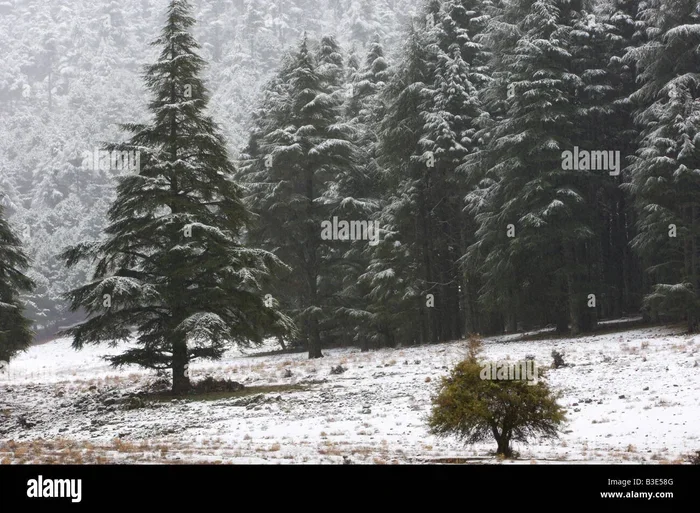
Featured image for Ifrane cedar forest winter
Image source: c8.alamy.com
A 10 day tour from Fes to Ifrane offers the perfect blend of culture, nature, and adventure in Morocco’s Middle Atlas region. This carefully crafted itinerary takes you through ancient medinas, snow-capped mountains, and charming Berber villages at a comfortable pace. You’ll experience the best of both worlds — imperial city heritage and pristine alpine landscapes — all in one unforgettable journey.
Picture yourself wandering through a labyrinth of ancient alleys where donkey carts still serve as the main transportation. The air fills with spices, leather, and mint tea. This is Fes — Morocco’s cultural heart and the starting point for one of North Africa’s most rewarding journeys.
A 10 day tour from Fes to Ifrane combines the best of imperial Morocco with the cool, refreshing landscapes of the Middle Atlas Mountains. Think of it like a two-course meal: the rich, complex flavors of Fes followed by the crisp, clean air of alpine Morocco. Each day brings something new, yet nothing feels overwhelming.
Whether you’re a history buff, nature lover, or simply seeking authentic experiences off the beaten path, this itinerary delivers. Let’s dive into everything you need to know to plan your perfect Moroccan adventure.
Key Takeaways
- Perfect Duration: Ten days allows ample time to explore Fes, Ifrane, and surrounding attractions without feeling rushed.
- Best Seasons: Spring (March-May) and autumn (September-November) offer the most pleasant weather for this tour.
- Cultural Depth: The route covers UNESCO sites, traditional souks, and authentic Berber villages for rich cultural immersion.
- Natural Beauty: Ifrane’s cedar forests, Azrou’s Barbary macaques, and Middle Atlas lakes provide stunning scenery.
- Small Group Advantage: Tours of 8-12 travelers balance social experience with personalized attention.
- Budget Range: Expect to spend between $1,200-$2,500 per person depending on accommodation choices.
- Language Tip: Learning basic Arabic or French phrases greatly enhances interactions with locals.
📑 Table of Contents
- What Makes a 10 Day Tour from Fes to Ifrane Special?
- Who Is This Tour Perfect For?
- When Is the Best Time to Travel?
- What Does a Typical 10 Day Itinerary Look Like?
- Where Should You Stay Along the Route?
- How Much Does This Tour Cost?
- Why Choose a Guided Tour vs. Independent Travel?
- What Should You Pack for This Tour?
- Frequently Asked Questions About 10 Day Tours from Fes to Ifrane
- Final Thoughts: Your Moroccan Adventure Awaits
What Makes a 10 Day Tour from Fes to Ifrane Special?
The magic lies in the contrast. You start in one of the world’s oldest living medinas and end in a town nicknamed “Little Switzerland.” The journey between feels like turning pages in a storybook — each chapter more fascinating than the last.
The Cultural Foundation of Fes
Fes (or Fez) was founded in 789 AD and remains Morocco’s spiritual and intellectual capital. Did you know that the University of al-Qarawiyyin, founded in 859 AD, is recognized by Guinness World Records as the oldest continuously operating university in the world? That’s over 1,160 years of learning!
The medina of Fes is a UNESCO World Heritage Site, home to roughly 9,400 narrow streets that could easily lose even locals. Walking here feels like time travel. You’ll see craftsmen making pottery the same way their ancestors did centuries ago.
The Alpine Charm of Ifrane
Just 65 kilometers south of Fes, Ifrane sits at 1,665 meters above sea level. This explains its cool climate and European-style architecture. Did you know Ifrane is famous for its clean streets and was once ranked among the cleanest cities in the world? Snow sometimes falls here in winter, creating a surreal scene with red-roofed villas.
Who Is This Tour Perfect For?
This itinerary suits a wide range of travelers. Let me break down who gets the most out of this experience.
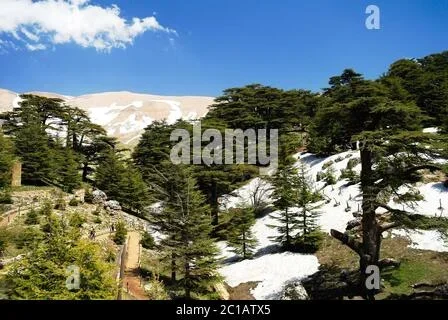
Visual guide about Ifrane cedar forest winter
Image source: l450v.alamy.com
First-Time Visitors to Morocco
If you’ve never been to Morocco, this tour is ideal. You experience the highlights without the chaos of trying to plan everything yourself. The route is well-established and safe for beginners.
Nature Enthusiasts
Middle Atlas offers something rare in North Africa: forests, lakes, and mountains. The Azrou cedar forest is home to Barbary macaques, North Africa’s only native monkey species. Spotting them in the wild is a highlight many travelers cherish.
Culture Seekers
From the spiritual atmosphere of Fes to the weekly markets in nearby Berber towns, culture fills every day. You’ll meet artisans, attend traditional meals, and learn about Islamic architecture.
Families and Seniors
The pace is moderate. Days include some walking but rarely extreme hikes. Most accommodations are comfortable hotels or riads with proper amenities.
When Is the Best Time to Travel?
Timing can make or break your experience. Morocco’s climate varies dramatically by region and altitude.
Spring: The Sweet Spot (March to May)
Spring brings mild temperatures and blooming landscapes. In Fes, expect daytime highs around 20-25°C. In Ifrane, it’s cooler at 15-20°C. Wildflowers paint the hillsides, and the Middle Atlas forests turn vibrant green. This is peak tourist season for good reason.
Autumn: The Local Favorite (September to November)
Autumn mirrors spring with pleasant weather. Crowds thin out after summer, and the light becomes golden — perfect for photography. Temperatures remain comfortable throughout the day.
Summer Considerations (June to August)
Fes can hit 40°C in summer, which is intense. However, Ifrane stays around 25-30°C, making it a popular escape for Moroccan families. If you travel in summer, plan early morning activities in Fes.
Winter Magic (December to February)
Winter brings snow to Ifrane, transforming it into a ski resort town. Fes gets chilly but rarely freezes. Prices drop, and you’ll see fewer tourists. Just pack warm layers.
Pro Tip: Avoid Ramadan if you want full restaurant access, though experiencing it culturally can be rewarding. Check dates before booking.
What Does a Typical 10 Day Itinerary Look Like?
Here’s a day-by-day breakdown that balances exploration, relaxation, and travel time.
Days 1-3: Discovering Fes
Spend your first three days immersing yourself in Fes. Day one covers orientation and the famous tanneries. Day two explores the Bou Inania madrasa and Al-Qarawiyyin. Day three ventures to the Merenid Tombs for panoramic views and the Jewish Quarter (Mellah).
Include a cooking class to learn how to make tagine and couscous. Hands-on experiences beat any museum visit.
Days 4-5: Volubilis, Meknes, and Moulay Idriss
Day trip from Fes to Morocco’s most impressive Roman ruins at Volubilis. Then visit the imperial city of Meknes with its grand gates and royal stables. End at the holy town of Moulay Idriss, a pilgrimage site with stunning views.
Day 6: Journey to the Middle Atlas
Travel south through changing landscapes. Stop at the small town of Azrou, known for its cedar forests. Spend time with the Barbary macaques — they’re surprisingly friendly and accustomed to humans. Continue to Ifrane in the afternoon.
Days 7-8: Ifrane and Surroundings
Explore Ifrane’s clean streets, famous for their red cedar trees. Visit the Al Akhawayn University campus with its distinctive architecture. Day trip options include the scenic Lake Afennour or the Michlifen ski resort area.
Day 9: Berber Villages and Local Life
Visit a traditional Berber souk (market day varies by town). Meet local families, share mint tea, and learn about nomadic and settled Berber cultures. This day often becomes travelers’ favorite memory.
Day 10: Return and Reflection
Travel back to Fes with stops at scenic viewpoints. Enjoy a farewell dinner with traditional music and reflect on your journey. Many tours end with a hammam spa experience.
Where Should You Stay Along the Route?
Accommodation choices range from budget to luxury. Here’s what to expect.
Riads in Fes
A riad is a traditional Moroccan house with an interior courtyard. Staying in one feels like living in a museum. Budget riads start at $40 per night, while luxury options reach $300+. Most include breakfast and a rooftop terrace view.
Hotels in Ifrane
Ifrane offers more conventional hotels with European-style amenities. Options include the famous Michlifen Hotel with its grand architecture and the Perceval with cozy mountain lodge vibes. Prices range from $60 to $200 per night.
Kasbahs and Eco-Lodges
For unique experiences, stay in a traditional kasbah (fortified house) or eco-lodge in Berber villages. These often include home-cooked meals and guided nature walks.
Booking Strategy
Book at least two to three months ahead for peak season. Read recent reviews on multiple platforms. Location matters — choose riads inside the medina for atmosphere but outside if mobility is a concern.
How Much Does This Tour Cost?
Budget transparency helps you plan effectively. Here’s a realistic breakdown.
Mid-Range Tour Package
Most 10 day tour from Fes to Ifrane packages range from $1,200 to $2,000 per person. This typically includes accommodation, breakfast daily, transportation, guide services, and entrance tickets. Lunch and dinner are usually separate.
Budget Option
Independent travelers can manage on $30-$50 per day by using public buses, staying in hostels, and eating at local restaurants. However, you’ll miss guided insights.
Luxury Experience
High-end tours with 5-star riads, private guides, and gourmet meals run $2,500-$4,000 per person. Worth it if you value comfort and exclusivity.
Hidden Costs to Plan For
- Tips for guides and drivers (budget $5-$10 per day)
- Souvenirs and shopping in Fes
- Optional activities like cooking classes ($30-$50)
- Hammam spa visits ($15-$40)
- Travel insurance (essential!)
Why Choose a Guided Tour vs. Independent Travel?
Both options have merits. Here’s an honest comparison.
Benefits of Guided Tours
Local guides bring history alive with stories you won’t find in guidebooks. They navigate language barriers, handle logistics, and provide safety in unfamiliar areas. Group tours also build friendships with fellow travelers.
Advantages of Independent Travel
You set your own pace, make spontaneous decisions, and dive deeper into places that interest you. Budget control is easier. You’ll learn basic Arabic or French phrases faster.
The Hybrid Approach
Many travelers book a 3-4 day guided tour for cultural sites, then explore independently. This balances expert knowledge with personal freedom.
What Should You Pack for This Tour?
Smart packing makes your trip smoother. Morocco has diverse weather depending on altitude and season.
Essential Clothing
- Modest, lightweight layers (shoulders and knees covered for religious sites)
- Comfortable walking shoes with good grip
- Warm jacket for Ifrane evenings, even in summer
- Sun hat and sunglasses
- Modest swimsuit for hotel pools
Useful Items
- Reusable water bottle (tap water isn’t drinkable)
- Power adapter (Morocco uses Type C and E plugs)
- Small flashlight for dark riad passages
- Basic first-aid kit
- Phrasebook or translation app
What to Leave Behind
Skip expensive jewelry and flashy electronics. Leave room in your suitcase for purchases. Avoid heavy books — use a tablet or phone for reading.
Frequently Asked Questions About 10 Day Tours from Fes to Ifrane
Is 10 days enough for a Fes to Ifrane tour?
Absolutely. Ten days provides ample time to explore Fes thoroughly, enjoy day trips, and experience Ifrane without feeling rushed. You could extend to 14 days for a more leisurely pace or include additional destinations like Chefchaouen.
Do I need a visa for Morocco?
Most Western travelers receive a 90-day tourist visa on arrival. Check specific requirements based on your nationality before departure. Your passport should be valid for at least six months beyond your travel dates.
Is Morocco safe for tourists?
Morocco is generally very safe for tourists. Petty crime exists like any destination, but violent crime against tourists is rare. Respect local customs, dress modestly, and use common sense. The Fes-Ifrane route is well-traveled and secure.
What’s the food like on this tour?
Expect tagines (slow-cooked stews), couscous, fresh bread, mint tea, and abundant olives. Moroccan cuisine varies by region, with Middle Atlas areas featuring more meat dishes. Vegetarian options are available at most restaurants. Food safety standards are high in tourist areas.
Can children join this tour?
Yes, this itinerary works well for families with children aged 6 and up. The pace is moderate, and the Barbary macaques in Azrou are a huge hit with kids. Ensure children understand cultural norms about behavior in religious sites.
What language is spoken in Morocco?
Arabic and Amazigh (Berber) are official languages. French is widely spoken in cities, especially for business and tourism. English is common in tourist areas but less so in rural villages. Learning basic Arabic greetings enhances your experience significantly.
Final Thoughts: Your Moroccan Adventure Awaits
A 10 day tour from Fes to Ifrane offers something rare in modern travel: genuine transformation. You arrive as a visitor and leave feeling like you’ve touched something ancient and authentic. The combination of imperial history, mountain serenity, and warm hospitality creates memories that last decades.
From the moment you step into Fes’s chaotic, beautiful medina to your final mint tea overlooking Ifrane’s red roofs, every day reveals new wonders. The Middle Atlas region remains one of Morocco’s best-kept secrets, offering alpine experiences just hours from the Sahara.
Whether you travel with a guided group or craft your own path, the key is to stay curious, stay flexible, and embrace the unexpected. Some of the best travel moments happen when plans change — a local invitation, a spontaneous detour, a conversation that bridges cultures.
Start planning today. Morocco’s Middle Atlas has been welcoming travelers for centuries, and it’s ready to welcome you.