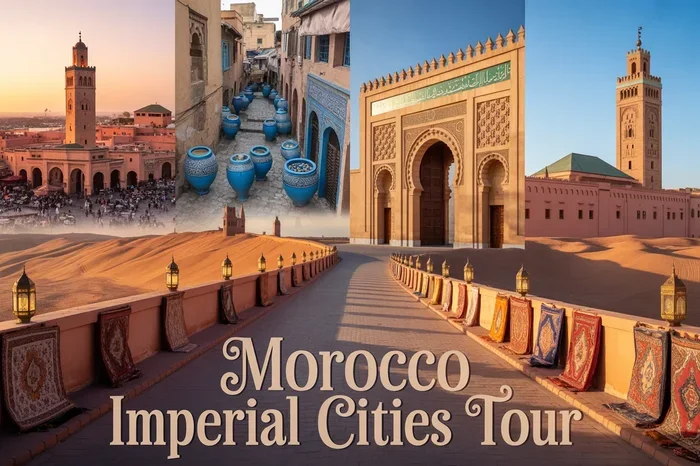
Featured image for Morocco imperial cities tour
Image source: gravitywrite.sgp1.digitaloceanspaces.com
A private 13 day tour from Fes to Rabat is the ultimate way to explore Morocco’s imperial cities, desert landscapes, and cultural treasures at your own pace. This journey covers over 1,200 kilometers, taking you from the medieval streets of Fes through the Sahara dunes, Atlas Mountains, and coastal Essaouira, ending in the elegant capital of Rabat. With a private driver and guide, you get flexibility, comfort, and authentic local experiences that group tours simply can’t match. Perfect for travelers seeking a deep, personalized Moroccan adventure without the rush.
Key Takeaways
- Duration and Distance: A 13-day journey covers approximately 1,200-1,500 km across Morocco’s most diverse landscapes, from imperial cities to Atlantic coastlines.
- Private vs. Group Tours: Private tours offer complete flexibility, custom pacing, and personal attention that scheduled group tours cannot provide.
- Cultural Immersion: The route passes through four UNESCO World Heritage Sites: Fes, Meknes, Volubilis, and Rabat’s Historic City.
- Best Travel Season: Spring (March-May) and autumn (September-November) offer the most comfortable temperatures for this multi-city route.
- Sahara Desert Experience: Camel trekking and overnight camping in Merzouga is typically the highlight of any Fes to Morocco tour.
- Cost Range: Private 13-day tours typically range from $1,800-$3,500 per person, depending on accommodation level and inclusions.
- Cultural Etiquette: Understanding local customs and modest dress codes enhances the experience in conservative regions.
📑 Table of Contents
- Why Choose a Private 13 Day Tour from Fes to Rabat?
- What Exactly Is Included in a Private 13 Day Tour from Fes to Rabat?
- Where Does the Tour Go? The Complete Itinerary
- When Is the Best Time to Take This Tour?
- How Much Does a Private 13 Day Tour from Fes to Rabat Cost?
- Who Should Consider This Tour?
- What Should You Pack and Prepare?
- Why This Route Makes Sense Geographically and Culturally
- Common Questions About the Tour Experience
- Final Thoughts: Is This Tour Right for You?
Why Choose a Private 13 Day Tour from Fes to Rabat?
Picture this: you’re standing in the middle of a 1,200-year-old medina, the scent of spices swirling around you, and the call to prayer floating above ancient rooftops. Nobody is rushing you. Your personal guide knows your name, your interests, and your favorite type of mint tea. This is what a private tour feels like. It’s Morocco on your schedule.
Morocco is one of North Africa’s most visited countries, welcoming roughly 13 million tourists in 2023, according to the Ministry of Tourism. But here’s something interesting: most travelers only see the highlights. They rush through Marrakech in two days, snap a photo at a famous gate, and hop back on a bus. A 13-day private tour changes that completely. You get to slow down. You get to breathe in the country.
The route from Fes to Rabat is special because it covers Morocco’s “north-south axis.” Think of it like reading a great book from cover to cover instead of just skimming the first chapter. You start in Morocco’s spiritual capital, journey through the Sahara, cross the Atlas Mountains, visit coastal towns, and finish in the political capital. Each day reveals a new chapter of Moroccan life, culture, and natural beauty.
Did You Know? Morocco has nine UNESCO World Heritage Sites. A well-planned Fes to Rabat tour can visit at least four of them, including the Fes Medina (founded in 789 AD), the Roman ruins of Volubilis, Meknes, and Rabat’s historic center.
What Exactly Is Included in a Private 13 Day Tour from Fes to Rabat?
Let’s break it down simply. A private tour means you have a dedicated driver and guide just for you (and your travel companions). No sharing a minibus with 15 strangers. No fixed schedules. No “sorry, we have to leave now.”
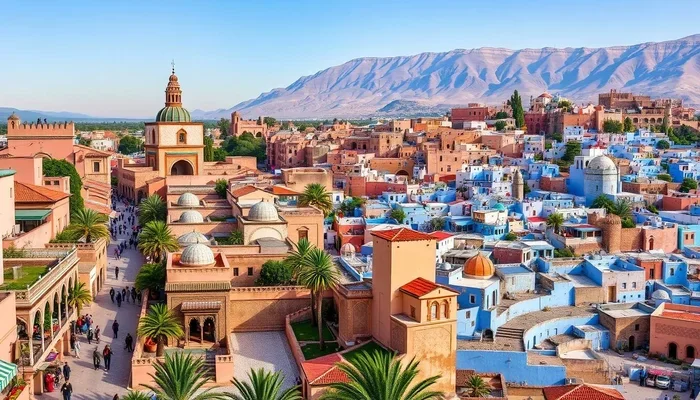
Visual guide about Morocco imperial cities tour
Image source: tourinmorocco.net
What’s Typically Included
- Private air-conditioned vehicle for all 13 days, with fuel covered
- English-speaking driver-guide who doubles as your cultural interpreter
- Accommodation in hand-picked riads (traditional Moroccan houses), hotels, or desert camps
- Daily breakfast and most dinners (depending on the package)
- Camel trek to your Sahara desert camp in Merzouga
- Guided city tours in Fes, Marrakech, and Rabat
- Airport transfers on arrival and departure days
- Local guides in specific cities for deeper historical context
What’s Usually Not Included
- International flights to Morocco
- Lunches (your guide will recommend great spots)
- Drinks and personal shopping
- Entry fees to certain monuments (usually $1-3 each)
- Travel insurance
- Tips for drivers and guides (customary but not required)
Think of your private tour like having a knowledgeable friend with a car in a new city. They know where the best food is, which shops are honest, and how to avoid tourist traps. That’s essentially what you’re paying for: expertise, comfort, and freedom.
Where Does the Tour Go? The Complete Itinerary
A typical 13-day private tour from Fes to Rabat covers around 1,200 to 1,500 kilometers. That’s like driving from New York to Miami and back. So buckle up, because you’re about to see a LOT of Morocco.
Days 1-2: Exploring Fes, Morocco’s Cultural Heart
Your adventure begins in Fes, often called the “Athens of Africa.” The Fes el-Bali medina is the world’s largest car-free urban zone, with over 9,000 narrow alleyways. Imagine a maze where every turn reveals a new surprise: a tannery with rainbow-colored dye pools, a 9th-century university, or a hidden courtyard with a trickling fountain.
The famous Al-Qarawiyyin University, founded in 859 AD, is considered the oldest continuously operating university in the world. That’s older than Oxford by about 200 years! You’ll also visit the Bou Inania Medersa, a stunning example of Marinid architecture, and the Chaouwara Tanneries, where leather has been made the same way for nearly 1,000 years.
Pro Tip: Bring a small bottle of mint or eucalyptus oil. The tanneries have a strong smell, and locals traditionally offer these herbs to make the experience more pleasant.
Days 3-4: Volubilis, Meknes, and the Middle Atlas
On day three, you leave Fes and travel about 60 km to Volubilis, Morocco’s best-preserved Roman ruins. Here, you’ll walk through ancient mosaics, triumphal arches, and crumbling columns that date back to the 3rd century. It’s like stepping into a Roman history book, except the “pages” are spread across 40 acres of rolling countryside.
Next, you’ll visit Meknes, another imperial city. Meknes is often called the “Versailles of Morocco” because of its grand gates and royal stables that once housed 12,000 horses. The Bab Mansour gate is considered one of the most beautiful in North Africa, with intricate zellige tilework that took artisans years to complete.
After Meknes, the road winds through the Middle Atlas Mountains. If you’re lucky, you’ll spot Barbary macaques, the only monkey species native to North Africa. The cedar forests near Ifrane are home to a small community of these playful primates.
Days 5-6: Sahara Desert Adventure in Merzouga
Now we hit the highlight for many travelers: the Sahara Desert. The drive from the Atlas Mountains to Merzouga takes about 6-7 hours, but it’s broken up with stunning scenery. You’ll pass through the Ziz Valley, a palm-lined oasis that looks like a scene from “Lawrence of Arabia.”
Once you reach Merzouga, you’ll hop on a camel (yes, just like in the movies) and ride into the Erg Chebbi dunes. These sand mountains rise up to 150 meters tall, and at sunset, they turn shades of orange, pink, and gold that look almost unreal. You’ll spend the night in a Berber-style desert camp, sleeping under a sky so full of stars it hurts your eyes to look up.
Did You Know? The Sahara Desert covers 3.6 million square miles across North Africa. The Erg Chebbi dunes in Morocco are a tiny but spectacular part of this vast sea of sand.
Days 7-8: Todra Gorge, Dades Valley, and Ouarzazate
After the desert, the journey continues west through some of Morocco’s most dramatic landscapes. The Todra Gorge is a 400-meter-deep canyon with walls so close you can touch both sides. Rock climbers love this spot, but even non-climbers are amazed by the sheer scale of the cliffs.
The Dades Valley is known as the “Valley of a Thousand Kasbahs.” A kasbah is a traditional fortified house, and these mud-brick fortresses dot the landscape like sandcastles. You’ll visit the famous Ait Ben Haddou, a UNESCO World Heritage Site that has been used as a filming location for Hollywood movies like “Gladiator” and “Game of Thrones.”
Days 9-10: Marrakech, the Red City
Marrakech is loud, colorful, and unforgettable. The famous Jemaa el-Fnaa square comes alive at night with storytellers, musicians, snake charmers, and food stalls serving everything from grilled lamb to fresh orange juice. It’s sensory overload in the best way possible.
You’ll visit the Bahia Palace, the Saadian Tombs, and the Majorelle Garden (once owned by Yves Saint Laurent). The medina here is easier to navigate than Fes, with wider alleys and more shops geared toward tourists.
Tip: If you’re a shopper, Marrakech is the place. The souks (markets) are organized by trade: leather in one alley, lamps in another, spices in a third. Don’t be afraid to bargain. Starting at 40-50% of the asking price is standard.
Days 11-12: Essaouira and the Atlantic Coast
From Marrakech, you head west to the coast. Essaouira is a laid-back port city with whitewashed buildings, blue-shuttered windows, and a strong hippie-surfer vibe. The Portuguese built the ramparts here in the 16th century, and the town has been a favorite of artists and musicians ever since. Jimi Hendrix and Orson Welles both spent time here.
The seafood in Essaouira is outstanding. Your guide will probably take you to a small restaurant near the port where you pick your fish straight from the morning’s catch. It gets grilled right in front of you, served with bread and salad, and costs about $5-7.
Day 13: Casablanca to Rabat, the Final Stop
On the last day, you travel from Essaouira to Rabat via Casablanca. You’ll stop briefly to see the Hassan II Mosque, one of the few mosques in Morocco open to non-Muslim visitors. Its minaret stands 210 meters tall, making it one of the tallest religious structures in the world.
Your tour ends in Rabat, Morocco’s capital. The city feels different from Fes and Marrakech. It’s cleaner, quieter, and more orderly. You’ll explore the Hassan Tower (an unfinished 12th-century minaret), the Kasbah of the Udayas, and the Chellah Necropolis, where Roman ruins sit next to medieval Islamic tombs. The Mausoleum of Mohammed V is also here, with its stunning green-tiled roof and intricately carved ceiling.
When Is the Best Time to Take This Tour?
Morocco is a year-round destination, but timing matters. The country has two main climates: Mediterranean in the north and desert in the south. Here’s how to choose:
Spring (March to May)
This is the sweet spot for most travelers. Temperatures range from 65-80°F (18-27°C). Wildflowers bloom in the Atlas Mountains. Crowds are manageable. It’s perfect for hiking, camel riding, and walking the medinas without overheating. April is especially beautiful because of the rose festival in the Dadra region.
Autumn (September to November)
Similar to spring but with fewer tourists after the European summer holidays end. October brings comfortable temperatures and harvest season, which means delicious dates, pomegranates, and fresh olives.
Summer (June to August)
It gets HOT. Desert temperatures can hit 115°F (46°C). However, coastal cities like Essaouira stay cooler due to ocean breezes. If you travel in summer, your driver will likely start early to avoid the midday heat.
Winter (December to February)
The Atlas Mountains get snow, which is beautiful but can make some passes impassable. The desert gets cold at night (sometimes below freezing). Cities stay mild, around 55-65°F (13-18°C). Winter is the cheapest time to visit, with fewer crowds and lower prices.
Did You Know? Despite being in Africa, snow skiing is actually possible in the Atlas Mountains. The Oukaïmeden ski resort operates from January through March.
How Much Does a Private 13 Day Tour from Fes to Rabat Cost?
Let’s talk money. Prices vary widely depending on your choices, but here’s a general breakdown:
Budget Option ($1,800-$2,200 per person)
- 3-star riads and hotels
- Standard desert camp (shared bathrooms possible)
- Smaller, older vehicle
- Driver-guide only (no separate city guides)
Mid-Range Option ($2,300-$2,800 per person)
- 4-star riads and boutique hotels
- Luxury desert camp with private bathroom
- Modern, comfortable SUV or minivan
- Includes local city guides in Fes, Marrakech, and Rabat
Luxury Option ($2,900-$3,500+ per person)
- 5-star hotels and premium riads
- Private luxury desert camp with full amenities
- Top-tier vehicle with maximum comfort
- Special experiences like cooking classes, henna ceremonies, or private museum tours
What’s the best value? The mid-range option typically hits the sweet spot. You get comfortable accommodations, great food, and authentic experiences without paying for extras you might not use.
One important note: prices are usually quoted per person based on double occupancy (two people sharing a room). Solo travelers should expect to pay more, often 50-80% extra, since costs aren’t split.
Who Should Consider This Tour?
This 13-day private journey isn’t for everyone, and that’s okay. Here’s who it’s perfect for:
Ideal Travelers
- Couples and honeymooners: Morocco is incredibly romantic, and a private tour lets you enjoy quiet moments together.
- Families with older children: Kids over 10 usually love the variety. Camel rides, sand dunes, and colorful markets keep them engaged.
- History buffs: From Romans to Berbers to French colonials, Morocco’s layered history is fascinating.
- Photography enthusiasts: Every corner is Instagram-worthy, from blue doors to golden dunes.
- Cultural explorers: If you want to actually understand Morocco, not just photograph it, this pace is right.
- Slow travel advocates: Two weeks lets you absorb each place instead of racing through.
Who Might Prefer a Different Option
- Strict budget travelers might do better on public transport and hostels.
- Travelers with mobility issues should know that medinas involve lots of walking on uneven surfaces.
- People who hate long drives might prefer a shorter, more focused tour.
- Those seeking party scenes and nightlife won’t find much outside Marrakech.
What Should You Pack and Prepare?
Packing for a 13-day Morocco tour is about being prepared for variety. You’ll experience desert heat, mountain cold, coastal wind, and city chaos.
Clothing Essentials
- Modest, breathable layers: Morocco is Muslim-majority, so covering shoulders and knees shows respect, especially in religious sites.
- Comfortable walking shoes: With thick soles for cobblestones and sand.
- Light scarf or shawl: Useful for sun protection, dust, and visiting mosques.
- Warm jacket: Desert nights and mountain passes can get surprisingly cold.
- Sun hat and sunglasses: The Moroccan sun is strong.
Other Useful Items
- Reusable water bottle (stay away from tap water)
- Hand sanitizer and wet wipes
- Universal adapter (Morocco uses Type C and E plugs)
- Small first-aid kit with basics
- Camera with extra battery (you’ll use it constantly)
- Cash in small denominations for tips and souvenirs
- Copies of your passport (keep one separate from the original)
Cultural Preparation Tips
- Learn a few Arabic phrases: “Salaam alaikum” (peace be upon you) and “shukran” (thank you) go a long way.
- Ask before photographing people: Especially in rural areas and religious sites.
- Don’t eat or drink with your left hand: It’s considered impolite in Muslim culture.
- Bargain politely in souks: It’s expected, but always with a smile.
- Dress modestly: This is especially important for women, though Morocco is relatively liberal by regional standards.
Pro Tip: Download Google Maps offline for Morocco before you arrive. Internet can be spotty in remote areas, and you’ll want navigation even without data.
Why This Route Makes Sense Geographically and Culturally
Some people ask: why Fes to Rabat specifically? Why not start in Casablanca or Marrakech? Here’s the reasoning:
Starting in Fes: Cultural Depth
Fes is Morocco’s most traditional city. It’s less Westernized than Marrakech, which means you experience “real Morocco” right from the start. Starting here also builds anticipation. You begin in the ancient heart and journey toward the modern capital.
The Natural Flow
The route follows a logical path: north to south (Fes to Sahara), then west across the Atlas to the coast, and finally north to Rabat. This avoids backtracking and gives you a complete picture of the country.
Ending in Rabat: A Gentle Finish
Rabat is calm and elegant. After the chaos of Marrakech and the adventure of the Sahara, ending in Rabat feels like coming back to civilization. Plus, Rabat’s airport (and nearby Casablanca) offer more international flight options than Fes, making departure easier.
Cultural Storytelling
The route mirrors Morocco’s history. You start where medieval Islamic civilization thrived, cross the desert trade routes that connected Africa to the Mediterranean, visit Roman outposts, and end in the modern political capital. It’s a living history lesson.
Common Questions About the Tour Experience
How Many Hours a Day Do You Spend Driving?
On average, expect 3-5 hours of driving per day. The longest stretch is Fes to Merzouga (around 7 hours), but it’s broken up with stops and scenic views. Your driver will never rush you.
Is the Food Safe?
Yes, especially if you follow basic rules: eat at busy restaurants (high turnover means fresh food), avoid raw vegetables washed in tap water, and stick to bottled drinks. Moroccan cuisine is generally mild and delicious. Tagines (slow-cooked stews) and couscous are national favorites.
Can You Customize the Itinerary?
Absolutely. That’s the beauty of private tours. Want to add a cooking class in Marrakech? Spend an extra day in the desert? Skip Essaouira? Just ask. Most operators are flexible and happy to adjust.
Is Morocco Safe for Tourists?
Generally, yes. Morocco is one of the most politically stable countries in North Africa. Petty crime exists (like anywhere), but violent crime against tourists is rare. Your private guide adds an extra layer of security and local knowledge.
What’s the Wi-Fi and Phone Situation?
Most riads and hotels offer free Wi-Fi, though speeds vary. You’ll have phone signal in cities and along main roads. Desert camps usually don’t have Wi-Fi, which is part of the charm.
Final Thoughts: Is This Tour Right for You?
A private 13 day tour from Fes to Rabat is more than a vacation. It’s an education, an adventure, and a cultural immersion all rolled into one. You’ll come home with photos, sure, but more importantly, you’ll come home with stories. Stories about bargaining for carpets in the medina. About losing track of time watching stars from a desert dune. About sharing mint tea with a Berber family who welcomed you into their home.
Morocco is a country that surprises people. It’s modern yet ancient, chaotic yet welcoming, foreign yet familiar. And seeing it at your own pace, with someone who knows the roads and the culture, is the best way to truly experience it.
If you’re looking for a trip that’s comfortable but adventurous, structured but flexible, and educational but fun, this is it. The 13 days will fly by, but the memories will last a lifetime.
Ready to start planning? Book early, especially for spring and autumn travel. The best riads and desert camps fill up months in advance. Talk to operators, compare itineraries, and don’t be afraid to ask questions. Your Moroccan adventure is waiting.