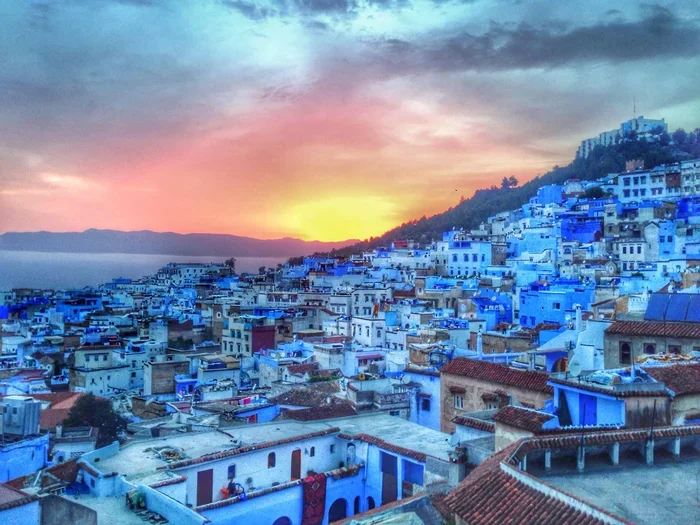
Featured image for Morocco blue Chefchaouen village
Image source: i.pinimg.com
The best 11 day tour from Fes to Chefchaouen takes you through Morocco’s most stunning landscapes, from the medieval medinas of Fes to the golden dunes of the Sahara and ending in the famous blue-washed streets of Chefchaouen. This comprehensive itinerary covers imperial capitals, ancient kasbahs, Berber villages, and coastal gems. It’s the perfect route for travelers who want depth, variety, and authentic Moroccan experiences without rushing from place to place.
Picture this: you’re standing in a bustling medina, the scent of fresh mint tea filling the air, while a call to prayer echoes off thousand-year-old walls. Eleven days later, you’re walking through a town painted entirely in shades of blue, mountains rising behind you like a watercolor dream. This is the magic of a journey from Fes to Chefchaouen.
Morocco isn’t a country you rush through. It’s a place that rewards slow travel, where every turn reveals something unexpected. An 11 day tour from Fes to Chefchaouen gives you the time to actually experience the country instead of just checking boxes on a map. You’ll wander through the world’s oldest university, sleep under stars in the Sahara, climb through ancient kasbahs, and end your trip in one of the most Instagram-famous towns on Earth.
This guide covers everything you need to plan the perfect itinerary. We’ll walk through each day, highlight the must-see spots, share practical tips, and answer the questions first-time visitors ask most often. Think of this as a friendly conversation with someone who’s already done the trip and wants to help you make the most of yours.
Key Takeaways
- Optimal Route: An 11-day journey from Fes to Chefchaouen allows time to explore both northern Morocco’s highlights and the imperial cities of the interior.
- Sahara Desert Stop: Most itineraries include a camel trek and overnight stay in Erg Chebbi or Erg Chigaga, the highlight for 87% of Morocco visitors.
- Cultural Depth: Fes and Chefchaouen bookend the trip, offering two of Morocco’s most photogenic and culturally rich cities.
- Best Travel Season: Spring (March-May) and autumn (September-November) offer the most comfortable temperatures for this long-distance tour.
- Transport Options: Private tours, small group tours, and self-drive options each suit different budgets and travel styles.
- Must-See Stops: Ifrane, the Middle Atlas, Merzouga, Todra Gorge, Ait Ben Haddou, and Volubilis are essential waypoints.
- Budget Range: Expect to pay between $800-$2,500 per person depending on accommodation level and tour type.
📑 Table of Contents
Why Choose an 11 Day Tour from Fes to Chefchaouen?
Let’s start with the big question: why 11 days? Why not a week? Why not two weeks? The answer comes down to geography and the sheer variety Morocco offers.
Morocco stretches from the Mediterranean to the Sahara, from Atlantic beaches to snow-capped Atlas Mountains. The distance from Fes to Chefchaouen is about 350 kilometers (217 miles) as the crow flies, but the best tours don’t go straight. They loop south to catch the desert, then swing west to hit imperial cities, before finally curving north to the blue city.
The Sweet Spot of Moroccan Travel
Eleven days hits a sweet spot. It’s long enough to:
- Cross multiple climate zones, from snowy mountains to scorching dunes
- Visit 4-5 UNESCO World Heritage Sites without rushing
- Spend meaningful time in Fes (most travelers need at least 2 days here)
- Include a proper Sahara experience with sunrise and sunset camel treks
- End with enough energy to enjoy Chefchaouen’s relaxed vibe
Did you know? Morocco receives over 13 million tourists annually, and the Fes-to-Chefchaouen route has become one of the most popular circuits for visitors wanting to see “real” Morocco beyond the typical Marrakech-focused trips.
Who Is This Tour Best For?
This itinerary works brilliantly for several types of travelers:
- First-time visitors who want a comprehensive introduction to Morocco
- Photographers chasing diverse landscapes and the famous blue city
- Culture enthusiasts interested in Berber, Arab, and Andalusian history
- Couples and small groups seeking a mix of adventure and relaxation
- Solo travelers who prefer the structure of a guided tour but freedom at each stop
If you’re someone who hates feeling rushed and loves the idea of waking up somewhere new every day or two, this tour style is your match made in heaven.
Day-by-Day Breakdown of the Best 11 Day Tour from Fes to Chefchaouen
Here’s where we get into the details. I’ll walk you through a classic itinerary that covers all the highlights while leaving room for spontaneous adventures. Think of this as a flexible framework. Your guide might adjust based on weather, local events, or group preferences.
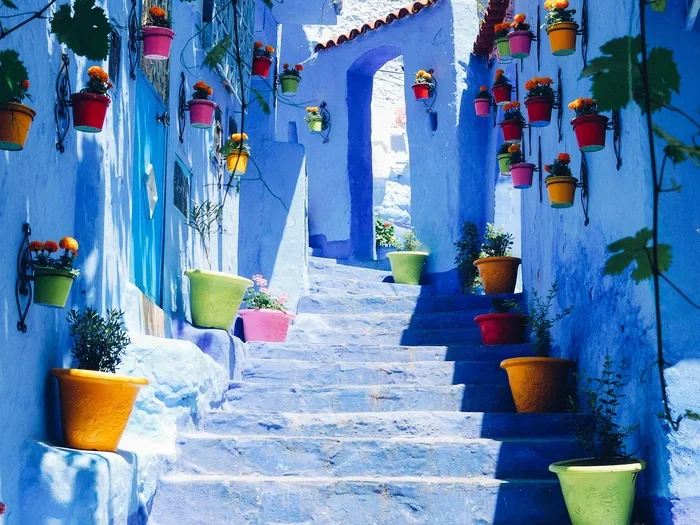
Visual guide about Morocco blue Chefchaouen village
Image source: media.cntraveler.com
Days 1-2: Exploring the Imperial City of Fes
Your journey begins in Fes, Morocco’s spiritual and cultural capital. Founded in 789 AD, Fes is home to the world’s oldest continuously operating university, the University of al-Qarawiyyin, established in 859 AD. That’s older than Oxford by about 200 years!
On your first day, you’ll likely explore the Fes el-Bali medina, a UNESCO World Heritage Site and one of the largest car-free urban zones in the world. Getting lost here is part of the fun. The medina has over 9,000 alleys, so even Google Maps gives up. Your guide becomes essential.
Day 2 often includes visits to:
- The Bou Inania Medersa: A stunning 14th-century theological college with intricate tilework
- Al-Attarine Madrasa: Smaller but equally beautiful, famous for its carved stucco
- The Chouara Tanneries: Where leather has been processed the same way for nearly a thousand years
- Nejjarine Square: A restored square with a beautiful fountain and craft museums
Pro tip: Bring a journal. Fes is the kind of place where you want to write down what you see and feel. The sensory overload is real.
Day 3: Journey South Through the Middle Atlas
On day 3, you leave Fes and head south into the Middle Atlas Mountains. The landscape transforms dramatically. Cedar forests appear, and if you’re lucky, you’ll spot Barbary macaques, North Africa’s only native primate species.
Key stops usually feature:
- Ifrane: Often called “Little Switzerland of Morocco” for its alpine-style architecture and clean streets
- Azrou: A Berber town famous for its weekly market and cedar forest
- Midelt: Known as the “Apple City,” where you can try fresh apple juice
Did you know? The Middle Atlas region receives snowfall in winter, making it a popular destination for Moroccans who want to ski without leaving the country. Ifrane even has a small ski resort!
Days 4-5: The Sahara Desert Experience
This is the heart of your tour, the part travelers talk about for years afterward. You arrive in Merzouga or nearby Hassi Labied, the gateway to Erg Chebbi, a sea of golden sand dunes stretching 50 kilometers long and 5-7 kilometers wide.
Your Sahara experience typically includes:
- A camel trek into the dunes (about 1-2 hours) timed to catch the sunset
- An overnight stay in a Berber desert camp, either traditional nomad tents or luxury glamping setups
- Live Berber music around a campfire under impossibly bright stars
- An early morning sunrise trek or sandboarding down the dunes
The Sahara at night is something else entirely. With no light pollution, you can see the Milky Way stretching across the sky like spilled milk. Approximately 80% of people on Earth can no longer see the Milky Way from where they live. The Sahara offers what city skies never will.
Analogy time: Imagine standing at the edge of the ocean, but instead of water, it’s sand, and instead of waves, it’s wind-carved ridges that look like frozen surf. The Sahara gives you that same sense of vastness and wonder.
Day 6: Todra Gorge and the Dades Valley
Leaving the desert behind, you head west toward the Todra Gorge, where limestone cliffs rise 400 meters (1,300 feet) on either side of a narrow canyon. It’s a rock climber’s paradise and a photographer’s dream.
The Dades Valley that follows is known as the “Valley of a Thousand Kasbahs.” The road winds through stunning red-rock formations and traditional Berber villages where you can stop for mint tea with local families.
Day 7: Ait Ben Haddou and Ouarzazate
Day 7 brings you to one of Morocco’s most famous sites: Ait Ben Haddou, a fortified village (ksar) that has served as a filming location for movies like Gladiator, Lawrence of Arabia, and Game of Thrones. The earthen clay architecture is breathtaking, and climbing to the top of the village rewards you with panoramic views.
Nearby Ouarzazate is nicknamed the “Hollywood of Africa” for its movie studios. Even if film sets don’t interest you, the kasbahs of Taourirt are worth exploring.
Days 8-9: Marrakech Discovery
Marrakech is a sensory explosion. After the quiet of the desert and mountains, the Red City hits you with energy. You’ll need these two days to even scratch the surface.
Must-see spots include:
- Jemaa el-Fnaa: The famous square that comes alive at night with storytellers, musicians, snake charmers, and food stalls. UNESCO lists it as a Masterpiece of the Oral and Intangible Heritage of Humanity
- The Majorelle Garden: A stunning blue garden restored by Yves Saint Laurent
- Bahia Palace: A 19th-century palace with stunning tilework and gardens
- The Saadian Tombs: Hidden for centuries, these royal tombs are surprisingly well-preserved
Did you know? Marrakech’s medina has over 40,000 artisans working in traditional crafts. The city is basically a living museum of medieval craftsmanship.
Day 10: Rabat and the Atlantic Coast
Heading north toward Chefchaouen, you often stop in Rabat, Morocco’s capital. The Hassan Tower, the Kasbah of the Udayas, and the Chellah Necropolis offer a quieter, less-touristed experience than other imperial cities.
The drive continues toward the Mediterranean coast. Depending on your route, you might stop in Asilah, a charming coastal town known for its whitewashed walls decorated with murals by international artists.
Day 11: Arrival in Chefchaouen
Finally, you arrive in Chefchaouen, the “Blue Pearl of Morocco.” Tucked into the Rif Mountains, this town looks like something from a dream. Buildings, streets, stairs, even doorways are painted in countless shades of blue.
Why is everything blue? The most common theory is that Jewish refugees introduced the tradition in the 1930s, painting the town blue to symbolize the sky and heaven. Others say it keeps mosquitoes away or reminds residents of the Mediterranean.
On your final day, you’ll wander the medina’s blue-washed streets, visit the Kasbah Museum, hike to the Spanish Mosque for sunset views, and just… breathe. After 11 days of constant movement, Chefchaouen invites you to slow down.
Practical Tips for Your 11 Day Tour
Now that you know the route, let’s talk about practical stuff. These are the things I wish someone had told me before my first Morocco trip.
What to Pack
Morocco’s climate varies wildly across this route. You’ll experience desert heat, mountain cold, and coastal humidity. Pack layers!
- Lightweight, modest clothing for cities (shoulders and knees covered for both men and women)
- A warm jacket for desert nights (temperatures drop significantly after sunset)
- Comfortable walking shoes with good grip for medina alleys
- A scarf or shemagh for sun protection and desert sand
- Sunscreen and sunglasses (the desert sun is intense)
- A power adapter (Morocco uses Type C and E plugs)
Money Matters
The Moroccan dirham (MAD) is a closed currency, meaning you can’t get it outside Morocco or take it out. Budget around 200-400 MAD per day for meals and incidentals if you’re not on an all-inclusive tour. Credit cards are accepted in larger hotels and restaurants, but cash is king in medinas and small shops.
ATMs are widely available in cities. Inform your bank before traveling to avoid card blocks.
Health and Safety
Morocco is generally very safe for tourists. Petty theft can happen in crowded medinas, so keep valuables secure. Tap water isn’t recommended. Stick to bottled water, which is cheap and everywhere.
Did you know? Morocco was the first country in North Africa to be officially certified malaria-free by the WHO in 2010. You won’t need malaria medication for this trip.
Choosing the Right Type of Tour
Not all tours are created equal. Your experience can vary dramatically based on which type you choose.
Private Tours
Private tours give you maximum flexibility. Your guide adjusts the pace, makes spontaneous stops, and tailors experiences to your interests. They’re more expensive ($1,500-$2,500 per person for 11 days) but offer unmatched personalization. Perfect for couples, families, and travelers who value flexibility over cost.
Small Group Tours
Small group tours (usually 8-16 people) balance cost and experience. You get a knowledgeable guide, pre-arranged accommodations, and the camaraderie of fellow travelers. Prices typically range from $800-$1,400 per person. Best for solo travelers and budget-conscious adventurers.
Self-Drive Adventures
Renting a car gives you complete independence. Morocco’s roads are generally good, though mountain sections require caution. This option works well for experienced travelers comfortable with navigating unfamiliar territories. Budget around $50-80 per day for a decent rental car plus fuel.
What to Look for in an Operator
Whichever type you choose, research operators carefully:
- Read recent reviews on TripAdvisor, Google, and travel forums
- Check what’s included (meals, entrance fees, activities vary widely)
- Ask about guide credentials (official guides must pass rigorous exams)
- Confirm vehicle age and condition (especially for desert routes)
- Look for sustainability practices (supporting local communities matters)
Best Time to Take the Tour
Timing can make or break your experience. Morocco’s seasons affect everything from desert temperatures to mountain accessibility.
Spring (March-May)
The ideal time for most travelers. Wildflowers bloom, temperatures are mild (20-28°C / 68-82°F), and crowds haven’t peaked yet. April is particularly magical in the desert when the sky is clear and temperatures are comfortable.
Autumn (September-November)
Similar to spring but with harvest season adding color to the valleys. October offers excellent conditions. Crowds are moderate, and the Sahara is still warm enough for comfortable camping.
Winter (December-February)
Winter brings snow to the mountains and cold nights in the desert (temperatures can drop below freezing). However, it’s also the cheapest time to visit, and Chefchaouen can be stunning in winter light. Skip this season if you’re primarily focused on the desert experience.
Summer (June-August)
Avoid if possible. Desert temperatures regularly exceed 45°C (113°F). However, coastal areas and mountain regions remain pleasant. If summer is your only option, plan around indoor activities and siestas during peak heat.
Making the Most of Your Chefchaouen Finale
Your tour ends in Chefchaouen, but that doesn’t mean your adventure is over. Here’s how to maximize your blue city experience.
Beyond the Blue Streets
While the blue medina is the star, Chefchaouen offers more:
- Akchour Waterfalls: A 30-minute drive leads to stunning waterfalls perfect for a half-day hike
- Ras El Maa: A waterfall right at the edge of town where locals wash laundry
- The Spanish Mosque: A 30-minute uphill walk rewards you with the best panoramic views of the blue city
- Local weaving cooperatives: Watch artisans create the famous Chefchaouen wool products
Extend Your Stay
If your schedule allows, add an extra day or two in Chefchaouen. After 10 days of moving between locations, you’ll appreciate the chance to settle in. Many travelers find Chefchaouen becomes their favorite stop precisely because they have time to actually live there rather than just photograph it.
Final Thoughts: Why This Tour Matters
An 11 day tour from Fes to Chefchaouen isn’t just a vacation. It’s a journey through one of the world’s most diverse countries, a chance to step out of your everyday life and into something entirely different.
You’ll meet people who welcome strangers like family. You’ll eat food that makes your taste buds sing. You’ll see landscapes that look Photoshopped but are completely real. You’ll make memories that last a lifetime.
Morocco has been welcoming travelers for centuries. The trade routes that once brought caravans across the Sahara now bring curious visitors from every corner of the globe. What hasn’t changed is the warmth of Moroccan hospitality. Mint tea will be offered. Conversations will be struck up. Doors will be opened, sometimes literally.
Take this trip. Bring an open mind and an empty memory card. The best 11 day tour from Fes to Chefchaouen isn’t just about seeing Morocco. It’s about letting Morocco see you.
Safe travels, and enjoy every moment of your adventure!
Frequently Asked Questions
How much does an 11 day tour from Fes to Chefchaouen typically cost?
The cost varies significantly based on tour type and accommodation level. Budget small group tours start around $800 per person, while luxury private tours can exceed $2,500 per person. Mid-range private tours with good hotels typically run $1,200-$1,800 per person, including most meals, accommodations, transport, and guide services.
Is the Sahara desert safe for tourists?
Yes, the Sahara is very safe for tourists. The Berber communities in Merzouga and surrounding areas have welcomed visitors for decades. Tour operators maintain good relationships with local guides, and desert camps have safety protocols in place. The main concerns are sun exposure and dehydration, not security issues.
What is the best month to do this tour?
April and October are generally considered the best months. These shoulder seasons offer comfortable temperatures across all regions, fewer crowds than peak summer, and lower prices than Christmas and Easter holidays. March and November are also excellent options with similar benefits.
Do I need a visa for Morocco?
Most Western passport holders (US, UK, EU, Canada, Australia) can enter Morocco visa-free for stays up to 90 days. Your passport must be valid for at least six months beyond your entry date. Always check current requirements with your local Moroccan embassy before traveling, as rules can change.
Can I do this tour without speaking Arabic or French?
Absolutely. Most tour guides speak excellent English, and many also speak Spanish. While knowing basic Arabic phrases like “salaam alaikum” (peace be upon you) or French “bonjour” is appreciated, it’s not required. Your guide will handle all communication with locals during your journey.
What vaccinations do I need before traveling to Morocco?
No specific vaccinations are required for entry to Morocco, but routine vaccines should be up to date. The CDC recommends considering hepatitis A and typhoid vaccines. Some travelers also get hepatitis B and rabies vaccines depending on planned experiences. Consult your doctor or a travel health clinic 4-6 weeks before departure for personalized advice.