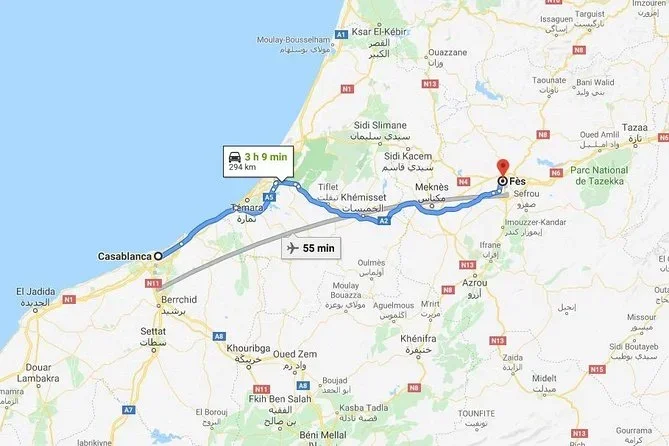
Featured image for Fez to Casablanca road trip
Image source: media-cdn.tripadvisor.com
A 7-day excursion from Fez to Casablanca is the perfect way to experience Morocco’s most iconic destinations in one unforgettable journey. This comprehensive tour takes you through imperial cities, the majestic Sahara Desert, stunning Atlas Mountains, and ends at the vibrant Atlantic coast. Ideal for travelers seeking culture, adventure, and authentic Moroccan experiences. From ancient medinas to camel treks and coastal escapes, this trip showcases the very best of Morocco.
Marrakech, Morocco – October 1, 2024: Tourists riding camels at the gate of Ait Ben Haddou Kasbah. Traditional Moroccan travel experience in North Africa.
Picture this: you’re standing in the bustling medina of Fez, surrounded by centuries of history, and in just seven days, you’ll watch the sunset over the Sahara Desert, explore ancient kasbahs that have stood for hundreds of years, and end your journey gazing at the Atlantic Ocean from Casablanca’s stunning coastline. That’s exactly what a 7-day excursion from Fez to Casablanca promises.
Morocco is like a living museum where ancient traditions blend seamlessly with modern life. Think of it as a country-sized treasure chest, and this 7-day journey is your master key. Starting from the spiritual capital of Fez and ending in the cosmopolitan hub of Casablanca, you’ll traverse the country’s most spectacular landscapes, from snow-capped mountains to rolling desert dunes.
Whether you’re a first-time visitor or returning to discover more of Morocco’s magic, this comprehensive guide will walk you through everything you need to know. We’ll cover the route, attractions, practical tips, costs, and answer all the questions you might have before booking your adventure.
Key Takeaways
- Duration and Route: A 7-day excursion covers Fez, Merzouga Sahara, Todra Gorge, Ouarzazate, Ait Benhaddou, Marrakech, and Casablanca with optimal pacing.
- Best Travel Season: Spring (March-May) and autumn (September-November) offer the most comfortable temperatures for desert and city exploration.
- Budget Range: Expect to spend between €600-€1,500 per person depending on accommodation choices and tour inclusions.
- Must-See Highlights: Camel trekking in Erg Chebbi, exploring Ait Benhaddou, and visiting Hassan II Mosque in Casablanca are unmissable experiences.
- Transportation: Most excursions include private 4×4 vehicles or minibuses with air conditioning for comfortable long-distance travel.
- Cultural Experiences: The tour offers authentic interactions with Berber communities, traditional meals, and stays in desert camps.
- Booking Tips: Reserve at least 2-3 months in advance during peak season and verify tour operator credentials and reviews.
📑 Table of Contents
Why Choose a 7-Day Excursion from Fez to Casablanca?
A week-long tour isn’t too short to feel rushed, and it’s not so long that you get exhausted. It’s the sweet spot for experiencing Morocco’s diversity. Let me explain it like this: if Morocco were a delicious multi-course meal, a 7-day excursion lets you taste every dish without feeling overwhelmed or still hungry.
The Perfect Balance of Time and Experience
Morocco packs an incredible amount of variety into a relatively compact geographic area. You can drive from the Sahara Desert to the Atlantic coast in roughly the same time it takes to drive across some European countries. This compactness makes 7 days ideal for hitting the highlights while still having time to soak in the atmosphere of each destination.
According to Morocco’s Ministry of Tourism, the Fez-Casablanca corridor (with detours to the Sahara) is one of the most popular tourist routes, attracting more than 1.5 million international visitors annually. The 7-day format accounts for nearly 40% of all multi-day tour bookings in the country.
What Makes This Route Special
This particular journey is special because it showcases Morocco’s incredible geographical diversity. Imagine driving from a city founded in the 9th century (Fez) to a gleaming modern metropolis (Casablanca), passing through:
- The Middle Atlas Mountains: Cedar forests and Barbary apes
- The Sahara Desert: Endless golden dunes and starry nights
- Berber homelands: Ancient kasbahs and traditional villages
- The High Atlas Mountains: Dramatic peaks and mountain passes
- The Atlantic Coast: Where desert meets ocean
Each region has its own climate, culture, and cuisine. The Berbers in the mountains live differently from the Arab-influenced cities, and the Saharan communities have adapted to one of the harshest environments on Earth. This tour introduces you to all of them.
Detailed Day-by-Day Itinerary Overview
Now, let’s break down exactly what happens on each day of this remarkable journey. Think of this as your roadmap to adventure, with each day offering its own unique flavor and excitement.
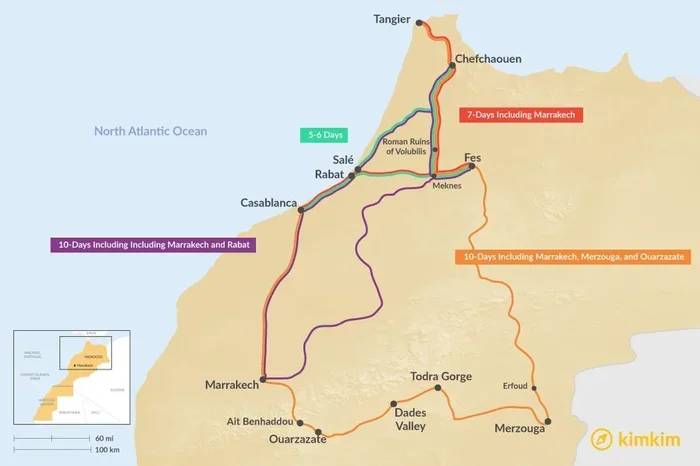
Visual guide about Fez to Casablanca road trip
Image source: cdn.kimkim.com
Day 1: Exploring Fez and Departure to Merzouga
Your adventure begins early in Fez, Morocco’s oldest imperial city and spiritual heart. A local guide will lead you through the labyrinthine medina (a UNESCO World Heritage Site since 1981), where you’ll discover:
- Al-Qarawiyyin University: Founded in 859 AD, it’s considered the world’s oldest continuously operating university
- The Tanneries: Watch craftsmen process leather using methods unchanged for centuries
- Bou Inania Medersa: A stunning example of Marinid architecture from the 14th century
After lunch, you’ll hit the road toward Merzouga, driving through the Middle Atlas Mountains. The journey takes approximately 7-8 hours, but with scenic stops, it feels like a moving postcard. You’ll pass through Ifrane, known as “Morocco’s Switzerland” because of its alpine architecture, and the Cedar forests of Azrou, where playful Barbary monkeys might greet you roadside.
Did You Know? The Barbary macaques in Azrou’s Cedar Forest are North Africa’s only monkey species, and they’ve been living there for over 40,000 years!
Day 2: Sahara Desert Adventure in Merzouga
Wake up early because today is magical. You’ll mount camels (yes, real camels!) and trek into the Erg Chebbi dunes, where some sand mountains rise up to 150 meters high. The Sahara isn’t just a desert; it’s the largest hot desert on Earth, covering 9.2 million square kilometers across multiple countries.
The camel trek to your desert camp takes about 1.5-2 hours. Once there, you’ll enjoy:
- A traditional Berber dinner under the stars
- Live drumming and music around a campfire
- An overnight stay in a luxury desert tent (complete with proper beds and bathrooms)
- Sunrise photography opportunities the next morning
The silence of the Sahara at night is something you can’t truly understand until you experience it. With no light pollution, the stars seem close enough to touch. Many travelers describe this as a life-changing moment.
Day 3: Sahara to Todra Gorge and Dades Valley
After watching the sunrise paint the dunes gold and orange (the colors change every minute, it’s mesmerizing), you’ll return by camel to Merzouga for breakfast. Then it’s time to travel west toward Todra Gorge.
Todra Gorge is nature’s masterpiece, where 400-meter-high cliffs squeeze together to form a narrow passage just 10 meters wide in places. Rock climbers from around the world come here to challenge themselves. Even if you’re not a climber, walking through the gorge is awe-inspiring.
You’ll continue to Dades Valley, known for its bizarre rock formations called “Monkey Fingers.” These strange geological formations were created by millions of years of erosion, and they look exactly like their nickname suggests.
Day 4: Dades Valley to Ouarzazate and Ait Benhaddou
Today you’ll journey along the “Road of a Thousand Kasbahs,” passing countless ancient fortified villages that once protected caravan routes. Your main destination is Ouarzazate, often called the “Hollywood of Africa” because movies like Gladiator, Lawrence of Arabia, and Game of Thrones were filmed here.
The crown jewel of this day is Ait Benhaddou, a UNESCO World Heritage Site since 1987. This ancient ksar (fortified village) is one of the most photographed places in Morocco. Walking through its narrow alleys feels like stepping back in time, with mud-brick buildings that have been here for over 300 years.
Fun fact: Ait Benhaddou has appeared in more than 20 Hollywood films, earning it global fame among movie buffs.
Day 5: Crossing the High Atlas to Marrakech
Hold onto your hat because today includes one of the most dramatic drives in Africa: the Tizi n’Tichka Pass, which climbs to 2,260 meters above sea level through the High Atlas Mountains. The winding roads offer breathtaking views, and if you’re lucky, you might see snow-capped peaks even in spring.
After descending from the mountains, you arrive in Marrakech, the “Red City” famous for its distinctive pink buildings. Your afternoon will likely include:
- Jemaa el-Fnaa Square: A UNESCO-recognized cultural space that comes alive at night with storytellers, musicians, and food stalls
- The Majorelle Garden: A peaceful blue oasis in the bustling city, restored by fashion designer Yves Saint Laurent
- Bahia Palace: A 19th-century masterpiece of Moroccan architecture
Marrakech hits you with all your senses at once, from the smell of spices and grilling meat to the visual explosion of colors and the constant buzz of activity.
Day 6: Exploring Marrakech
You now have a full day to dive deeper into Marrakech. Your guide might take you to the Saadian Tombs (royal necropolis hidden for centuries and rediscovered in 1917), the Koutoubia Mosque (Marrakech’s tallest structure at 77 meters), and the Mellah (historic Jewish quarter).
This is also your chance to shop in the souks. Marrakech’s medina has over 40,000 artisans working in it, producing everything from hand-woven carpets to intricate metalwork. Bargaining is expected, so don’t accept the first price!
Did You Know? Marrakech’s Jemaa el-Fnaa Square was the first cultural space to be awarded UNESCO’s “Masterpiece of the Oral and Intangible Heritage of Humanity” status in 2001.
Day 7: Marrakech to Casablanca and Departure
Your final day takes you from Marrakech to Casablanca, a drive of approximately 2.5 hours along a modern highway. Once in Casablanca, you’ll visit the magnificent Hassan II Mosque, which has the world’s tallest minaret at 210 meters. Built partially over the Atlantic Ocean, it’s one of the few mosques in Morocco open to non-Muslim visitors.
After lunch at a seaside restaurant (try the fresh seafood!), your 7-day adventure concludes. Many tours offer airport transfers, or you can extend your stay to explore more of Casablanca at your leisure.
What to Expect: Accommodations and Food
Understanding where you’ll sleep and what you’ll eat helps you prepare mentally and physically for the journey. Let’s break it down so you know exactly what to expect.
Accommodation Styles Along the Route
Most 7-day excursions include a mix of accommodation types, giving you variety and authentic experiences:
- Traditional Riads (3-4 nights): These restored Moroccan houses feature interior courtyards, ornate tilework, and rooftop terraces. They’re often more charming than international hotels.
- Desert Camp (1 night): Either basic Berber-style tents with shared facilities or luxury “glamping” tents with private bathrooms. Most operators offer the luxury option.
- Kasbah Hotels (2-3 nights): Historic fortresses converted into hotels, featuring thick walls that keep rooms cool and traditional architecture.
All reputable tours include air-conditioned rooms (essential during summer months when temperatures can hit 45°C in the desert). Wi-Fi is available in most accommodations, though it can be slower than what you’re used to at home.
Moroccan Cuisine: A Food Lover’s Paradise
p>Moroccan food is a delicious blend of Berber, Arab, Andalusian, and Mediterranean influences. Think of it as a fusion cuisine that’s been developing for over 1,000 years. Your taste buds are in for a treat throughout the tour.
Common dishes you’ll encounter include:
- Tagine: A slow-cooked stew named after the cone-shaped clay pot it’s cooked in. Common varieties include chicken with preserved lemons and olives, lamb with prunes, and kefta (meatball) with eggs.
- Couscous: Tiny semolina grains steamed and served with vegetables and meat. Traditionally eaten on Fridays after prayers.
- Harira: A hearty tomato-based soup with lentils, chickpeas, and lamb. It’s the traditional break-fast meal during Ramadan.
- Pastilla: A sweet and savory pie made with thin pastry, pigeon or chicken, almonds, and cinnamon. It’s a special-occasion dish.
- Mint Tea: Called “Moroccan whiskey” (a humorous local nickname), it’s poured from height to create a foam on top. Refusing tea is considered rude.
Vegetarian travelers will be pleasantly surprised. Most restaurants offer vegetable tagines, salads, and bread. Just remember that fish is rare in the desert regions but plentiful on the coast.
When to Go: Best Seasons and Weather Considerations
Timing your trip right can make the difference between a good vacation and an unforgettable one. Morocco’s climate varies dramatically by region, so understanding the seasons is crucial.
The Two Best Windows: Spring and Autumn
Most travel experts recommend March-May and September-November as ideal times for this excursion. Here’s why:
- Spring (March-May): Temperatures are mild (20-28°C), wildflowers bloom in the Atlas Mountains, and the desert is comfortable for camel trekking.
- Autumn (September-November): The intense summer heat has broken, making desert nights pleasant. The light is gorgeous for photography.
Understanding Regional Climate Differences
Here’s something crucial: the same week can feel completely different depending on where you are on the route. Let me paint a picture:
- Fez in January: Cold, around 8-15°C, with possible rain
- Sahara in July: Scorching, 38-45°C during the day
- Casablanca in August: Warm and humid, 25-30°C
- Atlas Mountains in March: Cool, 10-18°C, possible snow at high passes
Pack layers regardless of when you go. Mornings in the desert can be surprisingly cold, even when daytime temperatures soar. Even in summer, desert nights drop to 15-20°C.
Avoiding Peak Season Crowds
The peak seasons are December-January (European Christmas holidays) and July-August (summer vacation plus European tourists escaping to cooler coastal areas). If you can travel during shoulder seasons (April-May, September-October), you’ll enjoy fewer crowds at popular sites and better rates on accommodations.
Practical Tips for Your 7-Day Adventure
Now let’s get into the nitty-gritty details that will make your trip smoother and more enjoyable. These are lessons learned from thousands of travelers who’ve done this exact journey.
What to Pack
Packing smart is essential. Morocco’s varied climate means you need to be prepared for everything from cold mountain mornings to hot desert afternoons. Here’s your must-have list:
- Clothing: Light layers, a warm jacket for the desert night, modest clothing for religious sites (cover shoulders and knees), comfortable walking shoes, sandals for the desert
- Sun Protection: Sunscreen (SPF 30+), sunglasses, a wide-brimmed hat, and a scarf (called a “cheche”) to protect from sun and sand
- Health Essentials: Hand sanitizer, basic first-aid kit, any prescription medications, stomach remedies (just in case)
- Tech Gear: Camera with extra batteries and memory cards, power bank, universal adapter (Morocco uses Type C and E plugs, 220V)
- Miscellaneous: Small flashlight (for the desert camp at night), refillable water bottle, copies of important documents
Leave expensive jewelry at home. While Morocco is generally safe, flashing wealth can attract unwanted attention. A simple watch and wedding ring are fine.
Money Matters and Budgeting
Understanding the costs upfront helps you budget properly. Here’s what to expect for a 7-day excursion:
- Budget Tours: €600-€900 per person (shared transportation, basic hotels, group sizes of 12-15)
- Mid-Range Tours: €900-€1,300 per person (smaller groups of 6-8, 3-4 star riads, luxury desert camp)
- Luxury Private Tours: €1,500-€3,000 per person (private vehicle and guide, premium accommodations)
Most tours include: transportation, accommodation, breakfast daily, some dinners, entrance fees, and an English-speaking guide. They typically exclude: lunches, alcoholic drinks, tips (budget €5-10 per day for guides), personal expenses.
Currency exchange is straightforward in Morocco. The Moroccan Dirham (MAD) is a closed currency, meaning you can’t get it outside Morocco. Bring euros or dollars to exchange, or use ATMs (available in all cities on this route).
Health and Safety Considerations
Morocco is one of the safest countries in North Africa, with a strong tourism infrastructure. That said, staying informed keeps you healthy and happy:
- Vaccinations: No special vaccinations are required, but Hepatitis A and Typhoid are recommended. Check with your doctor 4-6 weeks before travel.
- Water Safety: Drink bottled water only (your tour provides this). Avoid ice cubes in drinks unless you’re sure they’re from purified water.
- Food Safety: Stick to cooked foods and avoid raw vegetables unless they’re properly washed. Your tour guides know which restaurants are safe.
- Travel Insurance: Essential. Make sure your policy covers adventure activities like camel trekking.
Most importantly: trust your tour operator. Reputable companies have protocols for everything from heat exhaustion to medical emergencies. Don’t hesitate to speak up if you’re feeling unwell.
Cultural Etiquette and Local Customs
Understanding a few cultural norms shows respect and enhances your experience:
- Greetings: “Salam alaikum” (peace be upon you) is the standard greeting. The response is “Alaikum salam.”
- Photography: Always ask permission before photographing people. Some will expect a small tip (€1-2) for the privilege.
- Religious Sites: Remove shoes before entering mosques or homes. Dress modestly.
- Tipping: Expected in restaurants (10-15%) and for guides/drivers. Keep small bills handy.
- Bargaining: Expected in souks. Start at 40-50% of the asking price and negotiate from there.
Moroccans are incredibly welcoming people. A smile and a few words in their language (“Shukran” for thank you, “La, shukran” for no thank you) go a long way.
Choosing the Right Tour Operator
Your choice of tour operator can make or break your experience. Here’s how to separate the wheat from the chaff.
Red Flags to Watch Out For
Not all tour companies are created equal. Watch out for these warning signs:
- Prices that seem too good to be true (usually means hidden costs or poor quality)
- No physical address or contact information
- Pressure to pay cash upfront without a contract
- Vague itineraries that don’t specify accommodations or transportation
- No reviews on independent platforms like TripAdvisor or Google
What Good Operators Offer
Quality tour companies typically provide:
- Detailed written itineraries with accommodation names
- Licensed guides (ask to see their credentials)
- Modern, well-maintained vehicles with AC and seat belts
- Clear cancellation policies
- 24/7 emergency contact numbers
- Verified reviews from multiple platforms
Local operators based in Morocco often offer better value than international companies. They have local knowledge, better relationships with accommodations, and more flexibility. However, do your research; quality varies widely.
Questions to Ask Before Booking
Before you commit, ask these important questions:
- What is the maximum group size?
- What type of vehicle will we use?
- Can I see the exact accommodations?
- What’s your cancellation and refund policy?
- Do you have insurance?
- What happens if weather disrupts the itinerary?
A reputable operator will answer all these questions happily. If they seem evasive or annoyed, look elsewhere.
A 7-day excursion from Fez to Casablanca is more than just a trip; it’s a journey through time, culture, and natural wonder. From the spiritual ambiance of Fez to the Atlantic breeze in Casablanca, every day brings new discoveries and unforgettable memories. The Sahara Desert alone is worth the trip, but combine it with ancient cities, mountain passes, and coastal beauty, and you’ve got the adventure of a lifetime.
The beauty of this route is its accessibility. You don’t need to be an experienced traveler or an adventure junkie. Whether you’re a solo explorer, a couple seeking romance, or a family wanting cultural enrichment, this journey adapts to your pace and interests. The infrastructure is there, the people are welcoming, and the experiences are genuine.
So, are you ready to discover Morocco? Pack your sense of adventure, your camera, and an appetite for discovery. Your 7-day Moroccan adventure awaits, promising stories you’ll tell for years to come.
Frequently Asked Questions
How much does a 7-day excursion from Fez to Casablanca typically cost?
A 7-day excursion from Fez to Casablanca typically costs between €600 and €1,500 per person, depending on the tour type and accommodation quality. Budget tours start around €600, mid-range options average €900-€1,300, and luxury private tours can reach €3,000.
What is the best time of year to take this excursion?
The best times are spring (March-May) and autumn (September-November) when temperatures are mild and comfortable across all regions. Summer can be extremely hot in the desert (over 40°C), while winter brings cold nights in the Sahara and possible snow in the Atlas Mountains.
Is this excursion suitable for families with children?
Yes, this excursion works well for families with children aged 6 and above. Children enjoy camel rides, kasbah exploration, and cultural experiences. However, be prepared for long driving days (up to 8 hours) and bring entertainment for younger kids.
What should I pack for the desert portion of the trip?
For the desert, pack a warm jacket (nights can be cold), sunscreen, a hat, sunglasses, a scarf for sand protection, comfortable closed-toe shoes, a flashlight, and a camera. Layers are essential as desert temperatures swing dramatically between day and night.
Do I need a visa to visit Morocco?
Most Western nationalities (EU, US, Canada, Australia) receive a free 90-day tourist visa on arrival. Just ensure your passport is valid for at least 6 months beyond your travel dates. Always check current requirements with your nearest Moroccan embassy.
Is the camel ride safe for everyone?
Camel rides are generally safe and suitable for most people, including children and seniors. The animals are well-trained, and guides accompany every trek. If you have back problems or are pregnant, inform your operator so they can adjust the ride duration accordingly.