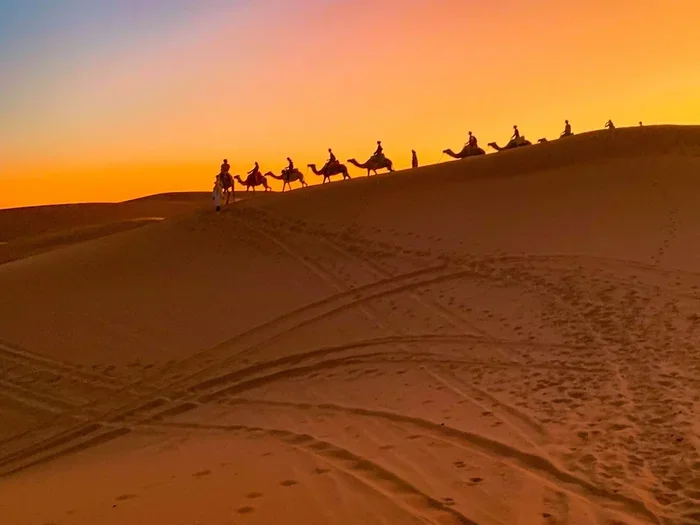
Featured image for Morocco desert camel sunset
Image source: thesmoothescape.com
The Tangier to Marrakech 11 Day Tour is the ultimate way to experience Morocco’s diverse landscapes and rich culture in one unforgettable journey. This comprehensive route takes you from the Mediterranean coast through the imperial cities of Fes and Meknes, across the Middle Atlas Mountains, into the Sahara Desert, and finally to the vibrant red city of Marrakech. Perfect for travelers seeking a balanced mix of history, adventure, and authentic Moroccan experiences.
Imagine standing at the edge of the Sahara Desert as the sun sets over endless golden dunes. Picture yourself wandering through ancient medinas where the scent of spices fills the air and artisans craft their wares using techniques passed down through generations. Envision sipping mint tea on a rooftop terrace while the call to action echoes across a city that has stood for nearly a thousand years. This is what awaits you on a Tangier to Marrakech 11 day tour.
Morocco is a country of contrasts. In the north, Mediterranean breezes cool the whitewashed streets of Tangier. In the south, desert winds shape mountains of sand near the Algerian border. Between these two extremes lies a tapestry of imperial cities, Berber villages, snow-capped mountains, and fertile valleys. An 11-day journey gives you enough time to truly experience this diversity without feeling rushed.
This guide will walk you through everything you need to know about planning and enjoying the ultimate Tangier to Marrakech 11 day tour. From what to expect each day to practical tips that will save you money and headaches, consider this your complete companion for one of North Africa’s most rewarding travel experiences.
Key Takeaways
- Comprehensive Route: The 11-day journey covers over 1,200 kilometers, showcasing Morocco’s most iconic destinations from north to south.
- Sahara Desert Experience: Camel trekking and overnight camping in the Erg Chebbi dunes is the highlight for most travelers.
- Four Imperial Cities: You’ll visit Fes, Meknes, Rabat, and Marrakech, each offering unique historical and architectural treasures.
- Diverse Landscapes: The tour transitions from coastal plains to mountain ranges, desert plateaus, and fertile valleys.
- Cultural Immersion: Guided medina tours, traditional riad stays, and authentic Moroccan cuisine enhance the experience.
- Best Travel Seasons: Spring (March-May) and autumn (September-November) offer the most comfortable weather conditions.
- Budget Considerations: The tour costs between $1,200-$2,500 per person depending on accommodation and activity choices.
📑 Table of Contents
What is the Tangier to Marrakech 11 Day Tour?
The Tangier to Marrakech 11 day tour is a guided or self-guided journey that traverses Morocco from its northernmost coast to one of its most famous southern cities. Think of it like reading a great novel from cover to cover, rather than just skimming the introduction. Each day reveals a new chapter of Moroccan life, geography, and history.
Route Overview
The classic route follows this sequence:
- Days 1-2: Tangier and the Rif Mountains
- Days 3-4: Chefchaouen (the Blue City)
- Days 5-6: Fes and Meknes
- Day 7: Middle Atlas and desert approach
- Days 8-9: Sahara Desert (Merzouga/Erg Chebbi)
- Day 10: Todra Gorge and Dades Valley
- Day 11: Marrakech arrival
This route covers approximately 1,200 to 1,500 kilometers depending on detours and side trips. The journey is designed so that you spend a reasonable amount of time driving each day (usually 4-6 hours) while leaving plenty of time for exploration and rest.
Why 11 Days Specifically?
Eleven days is considered the sweet spot for this journey. Seven days feels too rushed. Fourteen days can feel padded with unnecessary stops. Eleven days gives you enough time to truly savor each destination while maintaining a good travel pace. It’s like the difference between a quick coffee and a proper afternoon tea; both involve the same beverage, but one lets you actually enjoy it.
Who Should Take This Tour?
This tour appeals to a wide range of travelers, but it’s particularly suited for certain types of explorers.
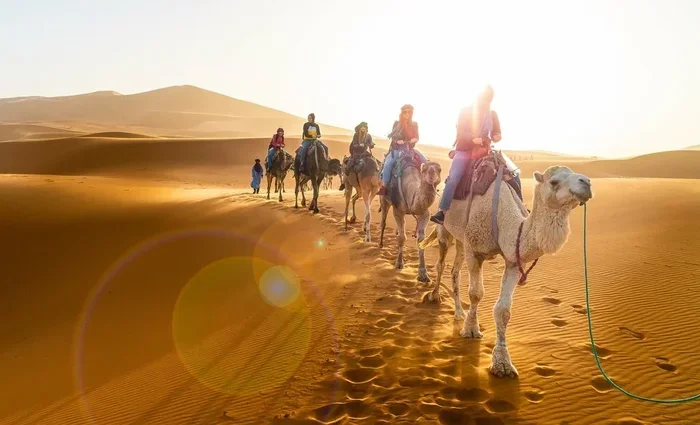
Visual guide about Morocco desert camel sunset
Image source: cdn.kimkim.com
Ideal Travelers
First-time visitors to Morocco will get a comprehensive introduction to the country’s highlights. If you’ve never been to North Africa before, this route covers all the essential experiences you shouldn’t miss.
History and culture enthusiasts will love the ancient medinas, Roman ruins, and UNESCO World Heritage Sites along the way. Fes el-Bali, the old city of Fes, is one of the world’s largest car-free urban areas.
Adventure seekers will find plenty to love, from camel trekking in the Sahara to hiking in the Atlas Mountains. The varied terrain means every day brings a new activity option.
Photographers and content creators will have endless material. The contrast between the blue streets of Chefchaouen and the red dunes of Merzouga creates stunning visual variety.
Less Suitable For
Travelers with very limited mobility might find some portions challenging, particularly the camel trek and some of the medina walks. However, modifications can be made for those who need them.
Those seeking a beach vacation should look elsewhere. While Tangier has coastal areas, this tour is primarily about inland cultural and natural experiences.
When is the Best Time to Travel?
Timing can make or break your experience on a Tangier to Marrakech 11 day tour. Morocco’s climate varies dramatically by region and season.
Seasonal Breakdown
Spring (March-May) is widely considered the best time. Temperatures are mild across all regions, ranging from 15-25°C (59-77°F). The countryside is green and blooming, and you won’t face the extreme heat of summer or the cold desert nights of winter. Did you know? Morocco experiences over 300 days of sunshine per year, but spring offers the most pleasant combination of warmth and clear skies.
Autumn (September-November) is the second-best window. Similar to spring in terms of temperature, autumn offers harvest season in many regions, meaning fresh fruits and almonds are abundant.
Summer (June-August) can be brutally hot, especially in the Sahara where temperatures regularly exceed 45°C (113°F). However, the coastal and mountain regions remain pleasant. If you must travel in summer, pack accordingly and prioritize early morning activities.
Winter (December-February) brings snow to the Atlas Mountains and cold nights in the desert. While some travelers enjoy the unique winter landscapes, it can make desert camping uncomfortable without proper gear.
Ramadan Considerations
If your tour coincides with Ramadan, be aware that some restaurants and attractions may have reduced hours. However, the festive atmosphere after sunset (iftar) can be magical. Book accommodations and desert camps well in advance during this period.
What Will You See and Do Each Day?
Here’s a detailed breakdown of what to expect on your Tangier to Marrakech 11 day tour. Think of this as your day-by-day preview, the kind that helps you pack the right socks and bring enough camera batteries.
Days 1-2: Tangier and the Mediterranean Coast
Your journey begins in Tangier, a port city where the Atlantic Ocean meets the Mediterranean Sea. The city has a unique blend of European and African influences, having been an international zone until 1956.
Key activities:
- Explore the Kasbah and old medina
- Visit the Caves of Hercules
- Walk along the Corniche
- Take in views from Cap Spartel
Day 2 typically involves a drive through the Rif Mountains to reach Chefchaouen, with stops at scenic viewpoints along the way.
Days 3-4: Chefchaouen, the Blue Pearl
Chefchaouen is famous for its blue-washed buildings, a tradition that began in the 1930s, though no one knows exactly why. Some say it was to repel mosquitoes. Others claim it symbolizes the sky and heaven.
Highlights include:
- Photography walks through the blue streets
- Shopping for local crafts and woven goods
- Hiking to the Spanish Mosque for sunset views
- Visiting the Kasbah Museum
Did you know? Chefchaouen’s blue color has made it one of the most Instagrammed locations in Africa, with over 5 million hashtags on social media platforms.
Days 5-6: Imperial Cities – Fes and Meknes
These two days are the cultural heart of your tour. Fes is Morocco’s spiritual and intellectual capital, home to the world’s oldest continuously operating university, the University of al-Qarawiyyin, founded in 859 AD.
In Fes, you’ll experience:
- The Fes el-Bali medina (a UNESCO site)
- The famous Chouara Tanneries
- Al-Qarawiyyin Mosque and University
- Traditional pottery and craft workshops
In Meknes, highlights include:
- Bab Mansour, one of Morocco’s most beautiful gates
- The Mausoleum of Moulay Ismail
- Volubilis Roman Ruins (optional detour)
- Heri es-Souani granaries
Day 7: Middle Atlas Mountains
Day 7 is often called the “transition day” as you leave the imperial cities behind and head toward the desert. The drive takes you through the Middle Atlas, with possible stops at:
- Ifrane, known as “Little Switzerland of Morocco”
- The Cedar Forest of Azrou, home to Barbary macaques
- Midelt for lunch and apple orchards
- Ziz Valley for panoramic views
The scenery shifts dramatically from green forests to desert plateaus, like watching the seasons change in fast-forward.
Days 8-9: Sahara Desert Experience
These two days are typically the most memorable of the entire journey. You’ll arrive in Merzouga, the gateway to Erg Chebbi, where some dunes reach 150 meters (492 feet) high.
Desert activities include:
- Camel trek into the dunes at sunset
- Traditional Berber music around a campfire
- Overnight stay in a desert camp (luxury or standard)
- Sandboarding on the dunes
- Sunrise photography sessions
Did you know? The Sahara Desert covers approximately 9 million square kilometers (3.5 million square miles), making it the largest hot desert in the world. The Moroccan section, called Erg Chebbi, represents just a tiny fraction of this vast expanse.
Day 10: Todra Gorge and Dades Valley
After the desert, you’ll head toward the Todra Gorge, a stunning canyon with walls rising up to 400 meters (1,312 feet) high. Rock climbers from around the world come here to test their skills.
You’ll continue through the Dades Valley, often called the “Valley of a Thousand Kasbahs” for its numerous fortified structures. This area is famous for its rose production, with rose water and rose oil being important local products.
Day 11: Journey to Marrakech
Your final travel day takes you over the High Atlas Mountains via the spectacular Tizi n’Tichka pass, which reaches 2,260 meters (7,415 feet) above sea level. You’ll arrive in Marrakech by late afternoon, with time to begin exploring the famous Jemaa el-Fnaa square.
Where Will You Stay?
Accommodation is a crucial part of the Tangier to Marrakech 11 day tour experience. Morocco offers a range of options to suit different budgets and preferences.
Types of Accommodation
Riads: Traditional Moroccan houses built around a central courtyard. Staying in a riad is like sleeping inside a work of art. Many have been converted into boutique hotels with just a handful of rooms.
Hotels: International and local chains operate in major cities. These offer familiar amenities but less authentic atmosphere.
Desert Camps: In the Sahara, you’ll stay in either luxury tented camps with private bathrooms and proper beds, or standard Berber-style tents with shared facilities. Both offer unforgettable starlit skies.
Kasbahs: Some tours include stays in traditional fortified houses along the desert route. These offer a glimpse into Morocco’s architectural past.
Budget Ranges
Here’s a rough guide to accommodation costs per night:
- Budget: $25-50 (basic riads and hotels)
- Mid-range: $60-120 (comfortable riads with amenities)
- Luxury: $150-400+ (high-end riads and desert luxury camps)
How Much Does the Tour Cost?
The Tangier to Marrakech 11 day tour varies significantly in price based on several factors. Think of it like buying a car; the base model and the fully-loaded version can differ by thousands of dollars.
Cost Breakdown
Guided tours typically cost between $1,200 and $2,500 per person. This usually includes:
- Transportation in a 4×4 vehicle or minivan
- Driver/guide services
- Accommodation (10 nights)
- Daily breakfast and select dinners
- Camel trek in the Sahara
Self-organized travel can cost between $800 and $1,500 per person, but requires more effort. You’ll need to arrange:
- Car rental or train/bus tickets
- Individual hotel bookings
- Separate desert tours from Merzouga
- All meals and activities
Hidden Costs to Consider
Budget an additional 15-20% for tips, entrance fees to monuments, and unexpected expenses. Tip guides around $5-10 per day, and add a few dollars for restaurant staff. Did you know? Morocco’s tourism industry employs over 500,000 people directly, so your spending supports many local families.
Why Choose This Tour?
Beyond the obvious appeal of seeing Morocco’s highlights, the Tangier to Marrakech 11 day tour offers several deeper benefits.
Cultural Connection
Eleven days gives you time to move beyond the surface. You’ll start to recognize faces in Chefchaouen, learn the names of your hosts, and understand the rhythm of Moroccan life. It’s the difference between visiting a country and experiencing it.
Natural Diversity
Few tours in the world offer such geographic variety. In less than two weeks, you’ll experience:
- Coastlines and beaches
- Mountain ranges and passes
- Desert dunes and oases
- Forests and rivers
- Ancient cities and modern towns
Stress-Free Travel
A guided tour eliminates the headaches of navigation, language barriers, and logistics. You can focus on enjoying the experience rather than figuring out how to get from point A to point B. It’s like having a personal assistant for your vacation.
Practical Tips for Your Tour
After two decades of travelers sharing their experiences, certain tips come up again and again. Here are the most valuable ones for your Tangier to Marrakech 11 day tour.
Packing Essentials
Pack layers, as temperatures vary dramatically between day and night, especially in the desert. Bring:
- Comfortable walking shoes (closed-toe recommended)
- A light jacket even in summer
- Warm layers for desert nights (winter)
- Scarf for sun protection and modesty in religious sites
- Power adapter (Morocco uses Type C and E plugs)
- Reusable water bottle
- Basic first aid kit
Health and Safety
Morocco is generally safe for tourists, but standard precautions apply. Drink bottled water, use sunscreen, and keep valuables secure in crowded medinas. The tap water in most hotels is not drinkable for foreigners.
Photography Etiquette
Always ask permission before photographing people, especially in rural areas and Berber communities. Some Moroccans will ask for a small fee for photos, which is their right. Respecting these norms builds goodwill and more authentic interactions.
Money Matters
The Moroccan Dirham (MAD) is the local currency. While cards are accepted in larger establishments, cash is essential for medina shopping, tips, and small restaurants. ATMs are widely available in cities. Current exchange rates put $1 at approximately 10 MAD, though this fluctuates.
Conclusion: Your Moroccan Adventure Awaits
The Tangier to Marrakech 11 day tour represents one of the world’s great travel journeys. It combines natural wonders, historical depth, cultural richness, and personal transformation in a way that few other tours can match. From the moment you step into Tangier’s bustling medina to your final evening in Marrakech’s vibrant square, you’ll be immersed in a world that feels both ancient and alive.
Eleven days is enough time to see the highlights but also to slow down and appreciate the details. You’ll taste tagine cooked in traditional clay pots. You’ll hear the call to action echoing across ancient walls. You’ll watch stars wheel overhead from a desert camp. You’ll laugh with guides who become friends. These are the moments that turn a trip into a memory.
Whether you’re a first-time visitor to Morocco or a returning traveler seeking deeper exploration, the Tangier to Marrakech 11 day tour offers something special. It’s not just a route through a country; it’s a passage through time, culture, and landscape that will stay with you long after you’ve returned home. Start planning today, pack your sense of adventure, and prepare for the journey of a lifetime.
Frequently Asked Questions
How long does the drive take from Tangier to Marrakech?
The direct drive from Tangier to Marrakech takes approximately 8-9 hours without stops. However, the 11-day tour breaks this journey into manageable 4-6 hour driving segments with overnight stops, allowing you to explore attractions along the way.
Is the Tangier to Marrakech tour safe for solo travelers?
Yes, Morocco is considered one of the safer African countries for tourists, including solo travelers. Joining a group tour adds an extra layer of security and is a great way to meet fellow travelers. Standard precautions like watching your belongings in crowded areas are recommended.
What is the best time of year for the Tangier to Marrakech 11 day tour?
Spring (March-May) and autumn (September-November) offer the most pleasant weather conditions. Temperatures are mild, ranging from 15-25°C, making outdoor activities and desert camping comfortable. Summer can be extremely hot in the Sahara, while winter nights can be very cold.
Do I need a visa for Morocco?
Most Western passport holders, including those from the US, UK, EU, Canada, and Australia, do not need a visa for tourist stays under 90 days. Your passport should be valid for at least six months beyond your travel dates. Always check current requirements before departure.
What should I wear on the tour?
Modest, comfortable clothing is recommended. Cover shoulders and knees when visiting religious sites. Light, breathable fabrics work well for summer, while layers are essential for winter desert nights. A scarf is useful for sun protection and modesty.
Can I customize the Tangier to Marrakech 11 day tour?
Yes, most tour operators offer customizable itineraries. You can add activities such as cooking classes, hiking excursions, or photography tours. You can also upgrade accommodation levels or extend the tour to include Essaouira or the Atlantic coast.