
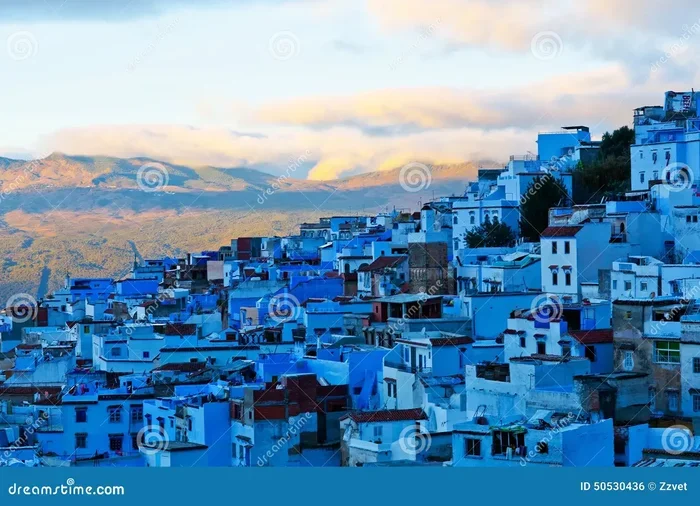
Featured image for Chefchaouen blue medina Morocco
Image source: thumbs.dreamstime.com
A 6-day excursion from Tangier to Chefchaouen offers travelers the perfect blend of culture, nature, and Moroccan charm. This journey takes you through coastal cities, the famous blue-painted streets of Chefchaouen, Roman ruins, and stunning mountain landscapes. It’s an ideal itinerary for anyone wanting to experience the best of northern Morocco in just over a week.
Picture this: You’re standing at the top of a hill in a small Moroccan town, surrounded by buildings painted in every shade of blue you can imagine. The call to prayer echoes across the valley. The smell of fresh mint tea drifts up from a café below. This is Chefchaouen, and getting here from Tangier over six unforgettable days is one of the best travel experiences in North Africa.
A 6-day excursion from Tangier to Chefchaouen is more than just a trip. It’s a journey through thousands of years of history, from ancient Roman ruins to colorful medinas where artisans still practice crafts passed down through generations. Along the way, you’ll walk through bustling souks, sleep in traditional riads, and taste tagines cooked slowly over charcoal fires.
This guide covers everything you need to know. Who this trip is perfect for, what you’ll see each day, where to stay, when to book, and why this route beats every other northern Morocco itinerary. Let’s dive in.
Key Takeaways
- Route Overview: The 6-day trip covers Tangier, Asilah, Chefchaouen, Volubilis, Meknes, Fes, and Tetouan, offering a complete northern Morocco experience.
- Best Time to Go: Spring (March-May) and autumn (September-November) provide the most comfortable weather for sightseeing and hiking.
- Cultural Highlights: Chefchaouen’s blue medina, Fes’s ancient medina, and Volubilis Roman ruins are the standout cultural stops.
- Travel Style: This excursion works perfectly for private tours, small groups, or independent travelers with a hired driver.
- Budget-Friendly: A 6-day trip from Tangier can be affordable, with options for every budget from backpacker to luxury.
- Language Tips: Learning basic Arabic or French phrases enhances interactions with locals and enriches the experience.
- Photography Goldmine: Chefchaouen’s blue walls, Tetouan’s art scene, and Fes’s tanneries offer some of Morocco’s most Instagram-worthy shots.
📑 Table of Contents
- Who Is This 6-Day Tangier to Chefchaouen Excursion For?
- What Does the 6-Day Itinerary Look Like?
- Where to Stay Along the Route
- When Is the Best Time to Take This Trip?
- Why Choose a 6-Day Excursion Over Shorter Trips?
- How to Plan and Book Your Excursion
- What to Pack for the 6-Day Excursion
- Conclusion
Who Is This 6-Day Tangier to Chefchaouen Excursion For?
Wondering if this trip is right for you? Let’s break it down by traveler type.
Culture Lovers and History Buffs
If you love places with layers of history, this route is a goldmine. You’ll walk through Fes, one of the world’s oldest continuously inhabited cities. You’ll explore the Roman ruins of Volubilis, where mosaics still sit in place after 2,000 years. In Chefchaouen, you’ll discover a town shaped by Andalusian refugees, Berber traditions, and Spanish influence. Think of it like reading a history book that you can walk through, touch, and smell.
Did You Know? Chefchaouen was closed to non-Muslim visitors until 1920, when Spanish troops occupied the region. Before that, very few outsiders had ever seen the famous blue medina.
Nature and Photography Enthusiasts
The route from Tangier to Chefchaouen crosses the Rif Mountains, offering some of the most scenic drives in Morocco. You’ll see rolling green hills, terraced farms, and dramatic valleys. Chefchaouen itself sits at the foot of two mountain peaks, and the surrounding trails are perfect for hiking. Photographers will love the blue walls (more on why they’re blue later), the colorful spice markets, and the golden-hour light bouncing off whitewashed villages.
Budget Travelers and Luxury Seekers Alike
Here’s the good news: this trip works for almost any budget. You can stay in budget-friendly guesthouses for around $20-30 per night, or splurge on a luxury riad with a pool for $150-300 per night. Food is affordable everywhere, with a full traditional meal costing $5-15 at local restaurants.
Solo Travelers, Couples, and Small Groups
This excursion is safe and welcoming for solo travelers, including solo female travelers. Couples will love the romantic riads and quiet blue alleys. Small groups of friends can split the cost of a private driver, making the trip both affordable and flexible. According to a 2024 travel safety report, Morocco ranks among the top 5 safest countries in Africa for tourists.
What Does the 6-Day Itinerary Look Like?
Let’s walk through a classic day-by-day plan. Think of it like a recipe. You can follow it exactly or mix and match based on your interests.
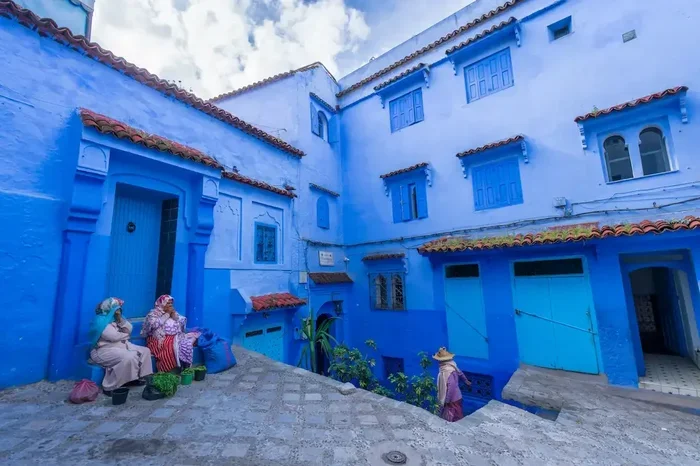
Visual guide about Chefchaouen blue medina Morocco
Image source: egyptunitedtours.com
Day 1: Arrival in Tangier and City Exploration
Tangier is your starting point, and it deserves at least a half-day of exploration. Start at the Medina of Tangier, where narrow streets lead to the Kasbah and the Sultan’s old palace. Walk along the famous Cape Spartel, where the Atlantic Ocean meets the Mediterranean Sea. Visit the Hercules Caves, which have been used since Neolithic times.
End your day at Café Hafa, a cliffside café with views across the Strait of Gibraltar. On a clear day, you can actually see Spain. Sip a mint tea, watch the ferries cross the water, and let the adventure begin.
Day 2: Tangier to Asilah and Chefchaouen
After breakfast, hit the road. Your first stop is Asilah, a small coastal town famous for its whitewashed walls covered in colorful murals. The medina here is tiny and walkable. Spend an hour or two exploring the ramparts and art galleries.
Then continue inland toward the Rif Mountains. The drive to Chefchaouen takes about 3-4 hours, with winding roads that climb through forests and farmland. By late afternoon, you’ll arrive in Chefchaouen, check into your riad, and watch the sunset paint the blue walls in shades of gold and lavender.
Day 3: Full Day in Chefchaouen
Today is all about Chefchaouen. Start early, before the tour buses arrive. Wander the blue medina, getting lost in alleys painted in every shade from sky blue to deep indigo. Climb to the Spanish Mosque for the best panoramic view of the town.
Why are the buildings blue? There are several theories:
- Tradition: Jewish refugees painted the walls blue in the 1930s as a symbol of the sky and heaven.
- Practical: Blue paint helps repel mosquitoes.
- Cooling effect: The color reflects heat, keeping buildings cooler in summer.
Visit the Kasbah Museum, relax in the Ras El Maa waterfall area, and shop for local crafts. Chefchaouen is famous for woven goods, leather, and goat cheese.
Day 4: Chefchaouen to Volubilis and Meknes, Then to Fes
This is a long but rewarding travel day. Leave Chefchaouen in the morning and drive south toward Volubilis, a UNESCO World Heritage Site and the best-preserved Roman ruins in Morocco.
Did You Know? Volubilis was once the capital of the kingdom of Mauretania and home to around 20,000 people. The earthquake of 1755 destroyed much of the site, but the mosaics, columns, and arches remain remarkably intact.
After Volubilis, continue to Meknes, one of Morocco’s four imperial cities. Visit the Bab Mansour gate, the Heri es-Souani granaries, and the Mausoleum of Moulay Ismail. Then drive another hour to Fes, where you’ll spend the night.
Day 5: Exploring Fes
Fes is Morocco’s spiritual and cultural capital. The Fes el-Bali medina is a labyrinth of over 9,000 alleys, and it’s easy to get lost. That’s part of the charm. Hire a local guide for at least a half-day to see the highlights:
- Al-Qarawiyyin University: Founded in 859 AD, it’s the oldest continuously operating university in the world.
- Chouara Tanneries: The famous leather tanneries, where hides are dyed in large stone vats using natural pigments.
- Bou Inania Medersa: A stunning 14th-century Islamic school covered in intricate tilework.
- Nejjarine Museum of Wooden Arts and Crafts: A beautifully restored fondouk showcasing traditional Moroccan carpentry.
End the day with a tagine at a rooftop restaurant overlooking the medina.
Day 6: Fes to Tetouan, Then Back to Tangier
On your final day, head north toward Tetouan, sometimes called the “Little Jerusalem” or “White Dove” because of its Andalusian architecture. The Tetouan Medina is a UNESCO site and feels different from Fes, more Spanish in flavor due to its historical ties to Andalusia.
Visit the Archaeological Museum, walk through the Jewish Quarter, and enjoy a relaxed lunch. Then continue back to Tangier, where your 6-day adventure ends. Most travelers depart from Tangier via ferry to Spain or fly out from Tangier Ibn Battuta Airport.
Where to Stay Along the Route
Accommodation is one of the highlights of any Morocco trip. Here’s a breakdown of where to stay in each city.
Tangier
The Medina area offers traditional riads within walking distance of the main sights. The Marina district has modern hotels with sea views. For a mid-range option, look for riads around $60-100 per night. Budget travelers can find clean hostels and guesthouses for $20-40.
Chefchaouen
This is where you’ll want to splurge on a beautiful riad. Many have rooftop terraces overlooking the blue medina. Look for places with courtyard gardens. Prices range from $30 for budget rooms to $200+ for luxury suites. Tip: Book early, especially in spring and fall, as Chefchaouen is increasingly popular.
Fes
Stay inside the Fes el-Bali medina for the full experience. Many riads are converted mansions with stunning tilework. You can also stay in the Ville Nouvelle (new town) if you prefer a quieter, more modern setting. Mid-range riads cost around $80-150 per night.
Meknes, Asilah, and Tetouan
These cities offer fewer luxury options, but charming mid-range riads are easy to find. Asilah has several boutique hotels near the beach. Tetouan has authentic Andalusian-style courtyards. Budget options start at $25-40 per night.
When Is the Best Time to Take This Trip?
Timing matters. Morocco’s climate varies a lot by season, and the wrong time can mean extreme heat or cold rain.
Spring (March to May)
This is widely considered the best time for the Tangier to Chefchaouen route. Temperatures are mild (60-75°F / 15-24°C), wildflowers bloom in the Rif Mountains, and the crowds are smaller than in summer. April is especially beautiful because Chefchaouen’s jacaranda trees bloom in purple.
Autumn (September to November)
Another excellent window. The summer heat fades, and the light becomes golden and warm. October is a favorite month for photographers. Temperatures are similar to spring, with cooler evenings.
Summer (June to August)
It gets hot, especially in Fes and Meknes where temperatures can hit 100°F (38°C). However, Tangier and Chefchaouen stay cooler due to their coastal and mountain locations. If summer is your only option, focus on early mornings and late afternoons for sightseeing.
Winter (December to February)
The Rif Mountains can get snow, which is beautiful but can close some roads. Chefchaouen in winter has a peaceful, moody charm. Temperatures range from 45-60°F (7-15°C). This is the low season, so prices drop and crowds thin out.
Quick Tip: Try to avoid Ramadan if you want to experience restaurants and cafés at full operation. During Ramadan, many eateries close during daylight hours, which can limit your dining options.
Why Choose a 6-Day Excursion Over Shorter Trips?
You might wonder: why six days? Why not just rush from Tangier to Chefchaouen and back in two days? Here’s why longer is better.
Deeper Cultural Immersion
Six days lets you actually live in each place, not just photograph it. You can sit in the same café, watch the same call to prayer twice, and start recognizing shopkeepers. Travel research shows that trips of 5-7 days create the strongest emotional connections with destinations compared to quick weekend getaways.
Less Stress, More Discovery
Imagine trying to see Chefchaouen, Volubilis, Meknes, and Fes in just three days. You’d spend more time in a car than experiencing the places. Six days gives you breathing room. You can take detours, stop at viewpoints, and say yes to unexpected adventures.
Better Value for Money
Flights and ferries to Tangier are often the most expensive part of the trip. Once you’re there, daily costs are quite affordable. Stretching your trip to six days means more value from that initial travel investment. Many private tour operators offer discounts for 6-day packages compared to booking each day separately.
A Complete Picture of Northern Morocco
This route covers four UNESCO World Heritage Sites, three imperial cities, and the two most photographed towns in northern Morocco. You leave with a complete understanding of the region’s geography, history, and culture. It’s like reading a whole chapter instead of just one paragraph.
How to Plan and Book Your Excursion
Ready to book? Here’s how to make it happen.
Option 1: Private Guided Tour
This is the easiest and most popular option. Companies like Tangier Tours, Morocco Desert Tours, and many local operators offer 6-day packages from Tangier. Prices typically range from $800-1500 per person, depending on accommodation level. The tour includes a driver, guide, accommodation, and some meals.
Option 2: Independent Travel with a Driver
For more flexibility, hire a private driver for the full 6 days. Costs are usually $50-80 per day, plus fuel and accommodation. You book your own hotels and meals. This is a great option if you want to set your own pace.
Option 3: Public Transport and Self-Guided Travel
Budget travelers can use buses and shared taxis between cities. Trains connect Tangier to Fes. Local grand taxis (shared Mercedes sedans) are cheap and efficient. However, public transport to Chefchaouen is trickier, often requiring transfers in Tetouan or Ouezzane.
Essential Booking Tips
- Book riads in advance: Especially in Chefchaouen and Fes, where the best places fill up fast.
- Read recent reviews: TripAdvisor and Booking.com are helpful, but always check the date of reviews.
- Confirm what’s included: Ask whether meals, entry fees, and tips are part of the package.
- Check visa requirements: Most Western travelers can enter Morocco visa-free for up to 90 days.
What to Pack for the 6-Day Excursion
Packing smart makes a big difference. Here’s what to bring.
Clothing
- Modest, loose-fitting clothes: Morocco is conservative, especially in religious sites. Cover shoulders and knees.
- A light jacket or sweater: Evenings can be cool, especially in Chefchaouen.
- Comfortable walking shoes: The medinas have uneven cobblestones.
- A scarf or shawl: Useful for sun protection, warmth, or visiting mosques.
Essentials
- Passport and copies: Carry your passport safely and keep digital copies in your email.
- Adapter: Morocco uses Type C and E plugs (European style).
- Sunscreen and sunglasses: The North African sun is strong.
- Reusable water bottle: Tap water isn’t safe, so bring a bottle you can refill with filtered water.
- Small backpack: For daily excursions and walking tours.
Health and Safety
- Hand sanitizer and tissues: Public restrooms often lack toilet paper.
- Basic first aid kit: Include band-aids, pain relievers, and stomach medicine.
- Travel insurance: Always recommended, especially for medical coverage.
Conclusion
A 6-day excursion from Tangier to Chefchaouen is one of the most rewarding trips you can take in Morocco. You start on the coast where two seas meet, wind through ancient medinas painted blue, walk among Roman columns older than most countries, and end in a country that has welcomed travelers for centuries.
The beauty of this route is its balance. You get big cities and small villages, mountains and coastlines, history and everyday life. Six days is long enough to feel like a journey, not a sprint. It’s long enough to start recognizing shopkeepers, find your favorite café, and understand why Moroccans say “moroccans are warm, but the sun is warmer.”
Whether you travel solo, as a couple, or with friends, this itinerary gives you a complete picture of northern Morocco. You’ll come home with photos, stories, and a new appreciation for a culture that mixes Arab, Berber, Andalusian, and French influences into something entirely its own.
So, what are you waiting for? Start planning your 6-day Tangier to Chefchaouen excursion today. The blue streets of Chefchaouen are calling your name.
Frequently Asked Questions
How long does it take to drive from Tangier to Chefchaouen?
The drive from Tangier to Chefchaouen takes about 3 to 4 hours, depending on traffic and weather. The route crosses the scenic Rif Mountains, with winding roads and beautiful viewpoints along the way. Many travelers break up the journey with a stop in Asilah.
Is a 6-day excursion from Tangier to Chefchaouen suitable for families with kids?
Yes, this trip works well for families. Children enjoy the colorful medinas, camel rides in Fes, and exploring the blue alleys of Chefchaouen. Just plan for slower pace, regular snack stops, and shorter walking tours. Private tours are the most flexible option for families.
What is the best month to visit Chefchaouen?
April and October are widely considered the best months. The weather is mild, crowds are manageable, and the lighting is beautiful for photography. April also brings blooming jacaranda trees that add purple to Chefchaouen’s famous blue palette.
Do I need a guide for this excursion?
A guide is not strictly required, but highly recommended, especially in Fes. The medinas are complex labyrinths, and a local guide helps you navigate, understand the history, and avoid tourist traps. For the rest of the route, a driver is often enough.
How much does a 6-day excursion from Tangier to Chefchaouen cost?
Costs vary widely based on travel style. Budget travelers can do it for around $400-600 total. Mid-range travelers typically spend $800-1200. Luxury excursions with high-end riads and private guides can run $2000-3500. Flights to Tangier are usually the biggest single expense.
Is Morocco safe for tourists in 2026?
Morocco remains one of the safest countries in North Africa for tourists. Petty crime exists, as in any destination, but violent crime against tourists is rare. Use common sense, respect local customs, and your trip will be smooth. The Moroccan people are known for their hospitality and friendliness toward visitors.