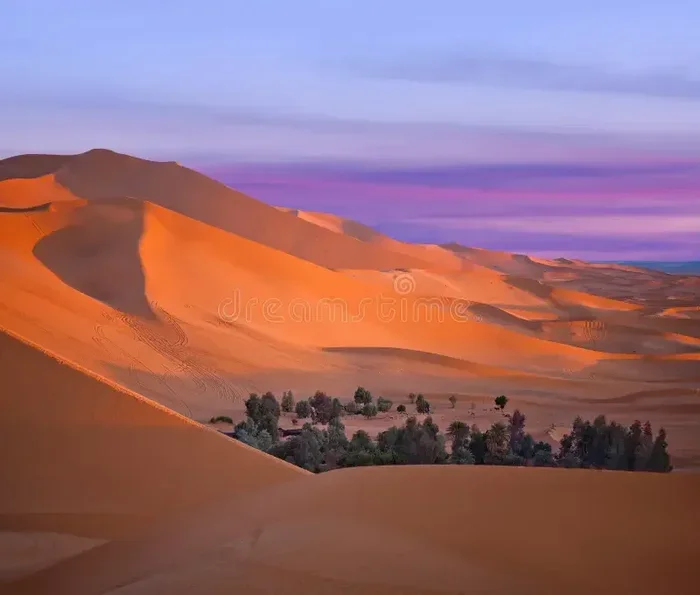
Featured image for Erg Chebbi desert dunes sunset
Image source: thumbs.dreamstime.com
A 3-day excursion from Tangier to Erg Chebbi is the ultimate Moroccan desert adventure, covering over 700 kilometers of diverse landscapes. This journey takes travelers from the northern coastal city through the Middle Atlas Mountains, past ancient kasbahs, and into the heart of the Sahara Desert. It’s perfect for those with limited time who want to experience Morocco’s most iconic desert landscapes, camel trekking, and authentic Berber culture in one unforgettable trip.
Picture this: you wake up in Tangier, where the Atlantic Ocean kisses the Mediterranean Sea. By sunset the next day, you’re sitting atop a massive sand dune in the Sahara, watching the sun melt into golden waves of sand that stretch to infinity. This isn’t a dream. It’s what happens when you take a 3-day excursion from Tangier to Erg Chebbi.
This journey is one of Morocco’s most epic travel experiences. It packs dramatic landscape changes, cultural encounters, and adventure into just 72 hours. You start in the bustling northern port city, wind through ancient imperial cities, cross mountain ranges, and finish in the silent majesty of the Sahara Desert. Think of it like flipping through the pages of a geography textbook that comes alive before your eyes.
Whether you’re a solo backpacker, a couple seeking adventure, or a family wanting to show your kids something truly extraordinary, this route delivers. The next sections will walk you through everything you need to know: the route, what you’ll see, practical tips, and why this trip should be at the top of your Morocco bucket list.
Key Takeaways
- Route Distance: The journey from Tangier to Erg Chebbi covers approximately 700-750 km one way, passing through Fes, the Middle Atlas, and the Ziz Valley.
- Best Season: October to April offers the most comfortable temperatures for desert camping, with daytime highs between 20-28°C (68-82°F).
- Desert Highlights: Erg Chebbi features dunes reaching 150 meters (492 feet) tall, among the tallest in Morocco and North Africa.
- Cultural Immersion: The route includes authentic Berber villages, allowing travelers to experience traditional Moroccan hospitality and cuisine.
- Camel Trekking: A sunset camel ride to the desert camp is the signature experience, typically lasting 1-2 hours.
- Practical Duration: Three days is the minimum time needed for this route; rushing it in fewer days diminishes the experience quality.
- Total Cost Range: Expect prices between €150-400 per person depending on accommodation choices, transport type, and group size.
📑 Table of Contents
Understanding the Tangier to Erg Chebbi Journey
The route from Tangier to Erg Chebbi is essentially a cross-country adventure through Morocco’s most diverse regions. Imagine drawing a line from the very top of Morocco to nearly the bottom, slightly inland. That’s your journey in a nutshell. But the reality is far more interesting than a straight line on a map.
Who Is This Trip For?
This excursion appeals to travelers who want maximum adventure in minimum time. It’s perfect for first-time visitors to Morocco who want to see both the cultural north and the natural wonder of the Sahara. If you’re the type of person who gets restless staying in one place for too long, this route was designed for you.
It’s also ideal for travelers arriving via cruise ships or ferries in Tangier who have limited time but big ambitions. Cruise ship passengers often choose this exact 3-day format because it fits their port schedules perfectly. Adventure enthusiasts, photographers, and culture seekers all find something to love on this trip.
What Exactly Is Erg Chebbi?
Erg Chebbi is one of the world’s great sand seas, located in southeastern Morocco near the Algerian border. “Erg” is the Arabic word for a large area of sand dunes. The Chebbi dunes stretch across roughly 50 kilometers from north to south and about 5-8 kilometers wide. The tallest dunes reach approximately 150 meters (nearly 500 feet) high.
Think of Erg Chebbi as nature’s own ocean, frozen in waves of golden-orange sand. Unlike the Sahara’s gravel plains (called “reg”), an erg is a true dune sea where wind has sculpted sand into massive, shifting sculptures over thousands of years. The Sahara covers about 9.2 million square kilometers across Africa. Erg Chebbi is just a tiny, spectacular piece of that massive puzzle.
Where Does the Journey Start and End?
The adventure begins in Tangier, Morocco’s gateway city on the Strait of Gibraltar. Most tours either start with a hotel pickup in Tangier or a meeting point near the port. The journey ends either back in Tangier (a round trip) or sometimes in Marrakech, Fes, or Casablanca, depending on your booking.
The route passes through several major destinations: the Middle Atlas Mountains, the cedar forests near Ifrane (often called “Morocco’s Switzerland”), the Ziz Valley with its dramatic palm groves, and finally Merzouga, the small desert town that serves as the gateway to Erg Chebbi.
The Complete 3-Day Itinerary Breakdown
A well-planned 3-day itinerary balances driving time with meaningful stops. Rushing through Morocco defeats the purpose entirely. Here’s how the journey typically unfolds, day by day.
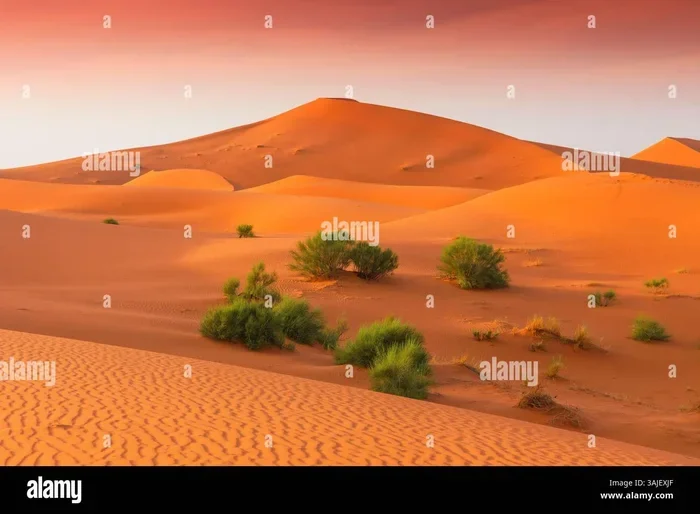
Visual guide about Erg Chebbi desert dunes sunset
Image source: c8.alamy.com
Day 1: Tangier to Merzouga (The Long Travel Day)
Day one covers the most ground, literally. You’ll travel roughly 650-700 kilometers, which takes 9-10 hours including stops. Early morning departure (around 7 AM) is standard. The route typically goes through Fes or via the Middle Atlas, depending on your operator.
Think of day one as a scenic movie where you’re the star. The landscape changes constantly. You leave Tangier’s coastal climate and head inland. Within two hours, you’re passing through the Rif Mountains with their green hills and Berber villages. By midday, you might be in Ifrane, a ski resort town with alpine-style architecture that feels strangely European.
Key stops often include:
- Ifrane: Known as “Little Switzerland of Morocco,” famous for its clean streets and cedar forests.
- Azrou Cedar Forest: Home to Barbary macaques, North Africa’s only native monkey species.
- Midelt: A mountain town perfect for a lunch break with views of the Atlas range.
- Ziz Valley: A stunning palm grove valley that looks like a green ribbon cutting through desert mountains.
- Errachidia or Erfoud: Final civilization stops before the desert, known for fossil workshops.
You arrive in Merzouga in the late afternoon, just in time for the highlight: your camel trek into the desert. The trek takes about 1.5 hours as the sun sets. Your camel, which is more patient than comfortable, carries you over dunes that glow red-orange in the fading light. You reach your desert camp, usually a mix of traditional Berber tents and modern amenities, just as the stars begin to appear.
Day 2: Exploring the Sahara Region
Day two is about depth, not distance. After a sunrise experience (waking up early to watch the dawn paint the dunes), you have several options. Many tours include a 4×4 excursion around the desert region, visiting different landscapes that show the Sahara’s diversity.
You might visit the seasonal lake of Dayet Srji, which attracts flamingos and other birds. You could stop at a Gnawa music performance, where descendants of sub-Saharan slaves share their hypnotic musical traditions. Some tours include sandboarding on smaller dunes, which is exactly like snowboarding but on sand.
This is your day to slow down. Sit with tea. Watch shadows move across the sand. Talk with Berber guides who share stories about desert survival and nomadic life. The Sahara isn’t just a place to see. It’s a place to feel. Day two gives you that chance.
Did you know that the Sahara Desert was once a lush, green region? Just 6,000 years ago, it had lakes, rivers, and grasslands. Climate change transformed it over thousands of years, and it continues to shift today. Standing in Erg Chebbi, you’re standing in a landscape that has been constantly changing for millennia.
Day 3: Return Journey to Tangier
Day three involves the long drive back, usually taking a slightly different route to see new scenery. Most operators plan the return via different roads, often passing through the Todra Gorge or Dades Valley (sometimes called the “Route of a Thousand Kasbahs”). This adds variety and breaks the monotony of retracing your steps.
The return journey typically includes:
- Morning camel trek back to Merzouga: Sunrise departure from camp, arriving at the village around 9 AM.
- Todra Gorge: A 400-meter-deep canyon with towering walls, popular with rock climbers.
- Dades Valley: Famous for its “monkey fingers” rock formations and rose production.
- Ouarzazate: The “Hollywood of Africa,” where movies like Gladiator and Lawrence of Arabia were filmed.
- Return to Tangier: Late evening arrival, usually between 8-10 PM.
This schedule assumes you want to return to Tangier. Many travelers opt for one-way tours ending in Marrakech, which saves a full day of driving. If your time is truly limited, the Marrakech ending option is worth considering.
What Makes This Trip Truly Special
Beyond the logistics and scenery, certain experiences make this excursion genuinely memorable. These are the moments travelers talk about for years afterward.
The Silence of the Sahara
The desert’s silence is famous among travelers for good reason. With no city noise, no traffic, and no crowds, the Sahara offers a kind of quiet that’s almost impossible to find elsewhere. Many people describe it as spiritual or meditative. The silence isn’t empty. It’s full of small sounds: wind moving sand, distant camel bells, your own breath.
At night, the sky explodes with stars. Without light pollution, you can see the Milky Way stretching across the heavens. Some tours include astronomy sessions where guides point out constellations and share how Berber nomads used stars for navigation across thousands of kilometers of featureless desert.
Meeting Berber Nomadic Culture
The indigenous people of North Africa are the Berbers (or Amazigh, meaning “free people”). They have lived in this region for over 4,000 years. Many still maintain semi-nomadic lifestyles, moving with seasons to find water and grazing land for their animals.
During your excursion, you’ll likely meet Berber families who share mint tea (a ritual of hospitality that takes time, never rush it) and traditional meals. The food is simple but flavorful: tagines slow-cooked with preserved lemons, olives, and spices. Bread baked in desert sands. Dates fresh from palm trees.
The Dramatic Landscape Diversity
Here’s a fun fact: Morocco has 4 distinct climate zones, more than most countries in the world. In just three days, you’ll likely experience all four. You start in Tangier’s Mediterranean climate. Pass through the continental climate of the Middle Atlas. Enter the semi-arid climate of the pre-desert region. And finish in the true desert climate of Erg Chebbi.
This diversity makes every hour visually different. The drive is never boring because the scenery constantly evolves. Mountains give way to plains. Forests turn to desert. Rivers become dry riverbeds (called “wadis”) that flash flood during rare desert rains.
Practical Planning Tips and Advice
Good preparation makes the difference between a stressful trip and an amazing one. Here are the practical details that experienced travelers wish they had known earlier.
Best Time of Year to Go
The excursion operates year-round, but timing affects your experience significantly. The high season runs from October to April, when temperatures are mild and comfortable. Summer months (June through August) can see desert temperatures exceeding 45°C (113°F) during the day, though nights cool down dramatically.
Spring (March-May) and autumn (September-November) are considered the sweet spots. Wildflowers bloom in spring, painting the desert edges with color. Autumn offers clear skies and pleasant temperatures for both camel trekking and camping.
Winter brings surprisingly cold nights in the desert, with temperatures sometimes dropping below freezing. Desert camps provide blankets, but pack warm layers if you’re visiting between December and February.
What to Pack
Packing for a Sahara excursion requires more thought than a typical beach vacation. Here’s what experienced travelers recommend:
- Clothing: Light, breathable fabrics for daytime. Warm layers for cold desert nights. A scarf or shemagh for sand protection. Modest clothing that covers shoulders and knees respects local culture.
- Sun protection: High-SPF sunscreen, sunglasses, and a hat. The desert sun is intense, even in winter.
- Footwear: Closed-toe shoes for walking on sand (sandals fill with sand quickly). Warm socks for cold nights.
- Essentials: Reusable water bottle, power bank for charging devices, flashlight, basic medications, and motion sickness remedies if you’re prone to car sickness on winding roads.
- Optional but recommended: Camera with extra batteries, binoculars for bird watching, notebook for journaling, and a sense of adventure.
Choosing the Right Tour Operator
Not all tours are created equal. The difference between a budget operator and a quality one shows up in vehicle comfort, guide knowledge, camp quality, and group size. Here are factors to consider:
Group size matters. Smaller groups (4-8 people) offer more flexibility and better guide interaction. Large groups (15-20 people) move like cattle, stop at tourist trap restaurants, and feel rushed. If your budget allows, pay a bit more for a smaller group experience.
Check what’s included. Some tours include all meals, others only breakfast. Some camps have shared bathrooms, others offer private facilities. Some tours include a 4×4 excursion on day two, others simply leave you at the camp. Read the fine print.
Research reviews. Platforms like TripAdvisor, Google Reviews, and GetYourGuide provide real customer feedback. Look for patterns. If multiple reviews mention rushed timing, cold food, or aggressive sales tactics, avoid that operator.
Verify guide credentials. A good guide speaks multiple languages, knows Berber history and culture, and genuinely loves their region. Many guides have studied tourism formally and can answer detailed questions about geography, history, and local customs.
Budget Expectations
Prices vary based on what’s included, group size, and accommodation standards. Here’s a realistic breakdown:
- Budget tours: €150-200 per person. Larger groups, shared bathrooms at camp, basic meals, mixed reviews.
- Mid-range tours: €200-300 per person. Smaller groups, private tents with shared bathrooms, all meals included, reliable operators.
- Premium tours: €300-500+ per person. Small private groups or private tours, luxury desert camps with private bathrooms, upgraded vehicles, exclusive experiences.
The mid-range category offers the best value for most travelers. Premium experiences are worth it for special occasions like honeymoons or milestone celebrations, but budget tours can work if you manage expectations and don’t need luxury.
Cultural Etiquette and Responsible Travel
Traveling through Morocco means encountering different cultures, religions, and customs. Respecting these differences enhances your experience and supports positive interactions with locals.
Understanding Local Customs
Morocco is a Muslim country with conservative social norms in rural areas. While tourists aren’t expected to follow every local rule, showing respect goes a long way. Dress modestly, especially in villages. Ask before photographing people. Avoid public displays of affection. Use your right hand for eating and greeting.
Hospitality is sacred in Moroccan culture. If a Berber family invites you for tea, accepting is polite. Refusing can offend. Tea time is social time, not rushed refreshment. Sit, chat, and let the experience unfold naturally.
Friday is the Muslim holy day. Some shops and restaurants may have unusual hours. Plan accordingly if your tour crosses a Friday.
Supporting Local Communities
Responsible tourism means your visit benefits local people, not just international operators. Choose tours that employ local guides, use locally-owned accommodations, and partner with Berber communities. Avoid tours that exploit animal welfare (like overworking camels) or pressure you into buying from specific shops.
Tipping is customary in Morocco. Budget small amounts for guides, drivers, restaurant staff, and camp workers. A few euros here and there make a meaningful difference to workers earning modest wages.
Bargaining is expected in markets (souks), but not in fixed-price shops or with your tour operator. Learn a few basic Arabic or Berber phrases like “hello” and “thank you.” Even small efforts in the local language are deeply appreciated.
Environmental Considerations
The Sahara is fragile despite appearing indestructible. Vehicle tracks in sand persist for decades. Littering ruins landscapes and threatens wildlife. Carry out what you carry in. Stay on established paths. Respect wildlife. Use water sparingly, as desert water sources are precious.
Climate change is making the Sahara hotter and expanding desert boundaries. Your visit should contribute to conservation, not degradation. Choose operators who follow Leave No Trace principles.
Why This Trip Should Be on Your Bucket List
After thousands of years of human history, the Sahara still inspires awe. Standing at the top of a 150-meter dune as the sun sets, you understand why ancient traders crossed this desert and why modern travelers still make the journey. It’s not just sand. It’s a feeling. It’s a sense of scale that puts daily worries into proper perspective.
The 3-day excursion from Tangier to Erg Chebbi compresses an entire country’s diversity into a manageable timeframe. You don’t just see Morocco. You experience its contrasts: cities and deserts, mountains and plains, ancient traditions and modern life. You return home with photos, yes, but also with stories, new perspectives, and memories that last a lifetime.
Whether you’re celebrating something special, seeking adventure, or simply wanting to see one of the world’s most remarkable landscapes, this trip delivers. The logistics are simple. The experiences are profound. The memories are forever.
Start planning your 3-day excursion from Tangier to Erg Chebbi today. The desert is waiting, and it’s more magical than you can possibly imagine until you’re standing there yourself.
Frequently Asked Questions
How long does the drive from Tangier to Erg Chebbi take?
The drive from Tangier to Merzouga (the village near Erg Chebbi) takes approximately 9-10 hours one way, covering 700+ kilometers. The complete 3-day excursion includes overnight stops and scenic breaks, making the long distance manageable and enjoyable.
Is a 3-day excursion from Tangier to Erg Chebbi suitable for families with children?
Yes, this excursion works well for families with children aged 6 and above. Children love camel rides, stargazing, and sandboarding. However, parents should prepare kids for long driving days and bring entertainment, snacks, and motion sickness remedies for winding mountain roads.
What type of accommodation is provided in the desert camp?
Desert camps typically offer traditional Berber-style tents with comfortable mattresses, blankets, and pillows. Budget camps have shared bathroom facilities, while mid-range and luxury options provide en-suite private bathrooms. Most camps include traditional Moroccan meals, evening entertainment around a campfire, and stargazing opportunities.
Do I need previous camel riding experience?
No experience is needed. Camel riding is generally safe and suitable for beginners, though it can be uncomfortable initially. The trek involves mounting and dismounting a camel, which can be challenging for those with knee or back problems. The pace is slow and steady, making it accessible for most travelers.
What should I wear during the excursion?
Wear loose, breathable, modest clothing that covers shoulders and knees. Light fabrics work best during hot days, but pack warm layers for cold desert nights (temperatures can drop significantly after sunset). A scarf or shemagh protects against sun and sand. Comfortable closed-toe shoes are recommended for walking on dunes.
Is it safe to travel to the Sahara Desert in Morocco?
Yes, the Tangier to Erg Chebbi route is safe for tourists. Morocco welcomes millions of visitors annually to this region. Tours operate with experienced guides who know the terrain, weather patterns, and safety protocols. The Merzouga area has well-established tourism infrastructure, and local communities are welcoming to visitors. Standard travel precautions apply, like securing valuables and following guide instructions.