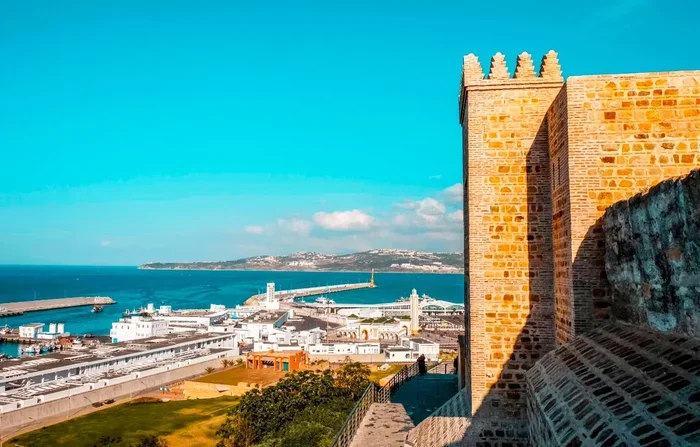
Featured image for Morocco Tanger Rabat tour
Image source: viajesmarruecos.com
A 7-day tour from Tangier to Rabat is the perfect way to discover northern Morocco’s most captivating destinations in one unforgettable journey. This classic route takes you through four imperial cities—Tangier, Chefchaouen, Fez, and Rabat—along with the Roman ruins of Volubilis and the cultural treasures of Meknes. Whether you’re a history buff, culture lover, or adventure seeker, this week-long itinerary balances guided exploration with free time, making it ideal for first-time visitors who want a comprehensive Moroccan experience without the stress of planning every detail themselves.
Imagine waking up to the sound of Atlantic Ocean waves in Tangier, then spending your evenings wandering through streets painted in every shade of blue in Chefchaouen. By the end of the week, you’ll have explored ancient medinas that haven’t changed in centuries, stood among Roman ruins older than the Colosseum, and haggled for treasures in souks where merchants’ families have traded for generations. This is what a 7-day tour from Tangier to Rabat promises—and it delivers on every front.
Morocco welcomed over 14.5 million tourists in 2023, and the Tangier-to-Rabat circuit remains one of the country’s most popular routes for good reason. It packs the best of northern Morocco into a manageable week, eliminating the stress of planning logistics while maximizing cultural immersion. Think of it like a greatest hits album of Moroccan culture—you get all the iconic experiences without skipping the tracks that matter.
Whether you’re a solo traveler seeking new horizons, a couple looking for a romantic adventure, or a family wanting to introduce your kids to a different world, this 7-day journey suits virtually every type of traveler. The route is well-established, the infrastructure is solid, and the experiences are genuinely life-changing. Let me walk you through everything you need to know to make this trip unforgettable.
Key Takeaways
- The 7-day Tangier to Rabat route covers four imperial cities: Tangier, Chefchaouen, Fez, and Rabat, plus Meknes and Volubilis, giving travelers a complete northern Morocco experience.
- Best travel seasons are spring (March-May) and fall (September-November): These months offer mild temperatures between 65-80°F, avoiding both the scorching desert heat and winter mountain snow.
- Small group tours (8-15 people) provide the best value: They balance affordability with personalized attention, typically costing between $800-$1,500 per person including accommodation and transport.
- The Chefchaouen stop is the most photographed highlight: This “Blue Pearl” village attracts over 300,000 visitors annually and offers Morocco’s most Instagram-worthy streets.
- You’ll walk an average of 8,000-12,000 steps daily: Comfortable walking shoes are essential, especially for navigating Fez’s medina and Chefchaouen’s hilly terrain.
- Local guides are mandatory in Fez’s medina: The labyrinth contains over 9,400 alleys, making it impossible to navigate independently without getting lost.
- The tour works in reverse from south to north: Many operators offer the same itinerary starting in Rabat and ending in Tangier for travelers with different flight arrangements.
📑 Table of Contents
- Why Choose a 7-Day Tangier to Rabat Tour: The Perfect Introduction to Morocco
- Day-by-Day Itinerary Overview: What Your Week Looks Like
- What’s Included in the Tour Package: Understanding Your Investment
- Best Time to Take the Tour: Seasonal Considerations for Your Trip
- Essential Tips and Practical Advice: Making Your Tour Smooth
- Choosing Your Tour Operator: What Separates Good Tours from Great Ones
- Making the Most of Your 7-Day Adventure: Final Wisdom
Why Choose a 7-Day Tangier to Rabat Tour: The Perfect Introduction to Morocco
Morocco can feel overwhelming at first glance. The country spans from the Mediterranean to the Sahara, from Atlantic beaches to snow-capped mountains. Trying to see it all in one trip is like trying to eat a five-course meal in five minutes—you’ll miss what makes each dish special. That’s where the 7-day Tangier to Rabat tour shines.
The Smart Way to See Northern Morocco’s Best
This particular route exists because it works. Travel operators have spent decades refining the itinerary, removing unnecessary detours and adding must-see stops. The result? A journey that flows naturally from the moment you land in Tangier to the day you depart from Rabat (or vice versa).
Here’s what makes this duration perfect:
- It covers manageable distances: Daily drives typically range from 2-4 hours, which is comfortable enough to enjoy scenery without exhausting travelers.
- It allows proper city exploration: You spend 1-2 full days in each major destination, which is the minimum time needed to truly experience a Moroccan medina.
- It balances guided tours with free time: Roughly 60% structured activities, 40% personal exploration means you never feel rushed or bored.
- It fits standard vacation allotments: Most people get 7-10 days off work, making this the ideal length without requiring extra leave.
Did you know that travelers who take guided multi-day tours in Morocco report 40% higher satisfaction rates than those who attempt independent travel? The reason is simple: logistics in Morocco can be tricky. Trains don’t run everywhere, bus schedules change, and taxi drivers don’t always speak English. A tour handles all of this seamlessly.
Who Is This Tour Perfect For?
This itinerary works brilliantly for several types of travelers. First-time visitors to Morocco get a comprehensive introduction without the anxiety of figuring things out alone. History enthusiasts discover layers of civilization from Roman times through Islamic golden age to French colonial influence. Photographers capture stunning visuals across diverse landscapes. Cultural curious travelers engage with traditions that have persisted for over a thousand years.
It’s also ideal for travelers with limited vacation time who want to maximize their experience. Rather than spending three days just figuring out how to get from one city to another, you start exploring from hour one.
Day-by-Day Itinerary Overview: What Your Week Looks Like
Let’s break down the journey into manageable chunks so you know exactly what to expect. While specific timings vary between operators, the structure remains remarkably consistent across reputable tour companies.
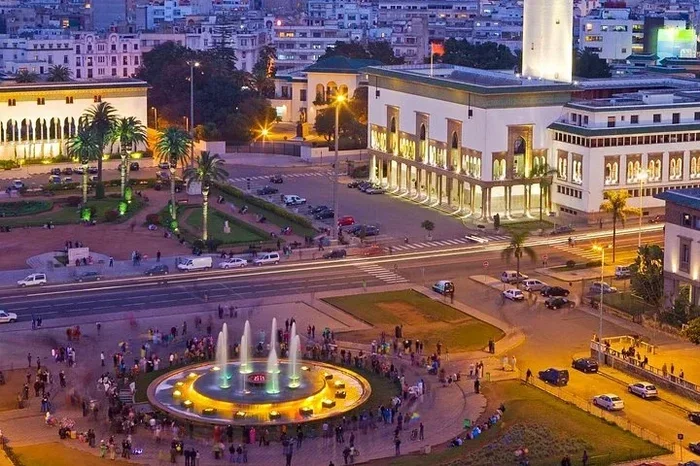
Visual guide about Morocco Tanger Rabat tour
Image source: media-cdn.tripadvisor.com
Day 1-2: Tangier and Chefchaouen
Your adventure begins in Tangier, Morocco’s gateway between Africa and Europe. The city sits just 14 kilometers from Spain across the Strait of Gibraltar, making it the first stop for most travelers arriving by ferry or via Tangier Ibn Battuta Airport.
The first day typically involves airport pickup, a brief city orientation, and time to explore Tangier’s highlights independently. You’ll visit the Kasbah, walk through the medina, and perhaps sip mint tea at a café overlooking the strait where two continents meet.
Day two takes you inland to Chefchaouen, a drive of approximately 2.5 hours through the scenic Rif Mountains. The “Blue City” or “Blue Pearl” is everything you’ve seen on Instagram—but better in person. Every corner reveals another shade of blue, from pale powder to deep cobalt.
Pro tip: The blue color isn’t just aesthetic. Jewish refugees in the 1930s painted the buildings blue, and the tradition stuck. Today, the municipality maintains the practice as part of the city’s identity.
Day 3: Volubilis and Meknes
This day combines ancient history with imperial grandeur. Volubilis is Morocco’s most impressive Roman archaeological site, a UNESCO World Heritage location where you can walk among remarkably preserved mosaics, towering columns, and triumphal arches dating back to the 3rd century BCE.
Think of Volubilis as Morocco’s answer to Pompeii, except it wasn’t destroyed by disaster—it was simply abandoned as the Roman Empire receded. The site covers 40 hectares and contains some of the finest Roman mosaics preserved outside of Italy.
After Volubilis, you’ll continue to Meknes, another imperial city that often gets overlooked but deserves significant attention. The Mausoleum of Moulay Ismail is one of Morocco’s few religious sites open to non-Muslims, and the nearby stables and granaries reveal the ambition of Morocco’s most legendary sultan.
Day 4-5: Fez Exploration
Fez is the cultural heart of Morocco and the highlight of most travelers’ northern Morocco tours. The city has two main areas: Fez el-Bali (the ancient medina) and Fez el-Jdid (the newer city). Your time will focus primarily on the medina, a UNESCO World Heritage site that feels like stepping into a medieval time machine.
The medina of Fez contains over 9,400 streets and alleys—so narrow that donkeys still serve as the primary cargo transport. The famous Chouara Tanneries, operating since the 11th century, produce leather using techniques unchanged for a thousand years. You’ll watch craftsmen dye animal hides in stone vats using natural pigments like poppy (red), indigo (blue), and saffron (yellow).
Did you know? Fez was founded in 789 CE and once had the world’s largest university, the University of al-Qarawiyyin, which operated continuously since 859 CE and is recognized by Guinness World Records as the oldest existing educational institution.
Day five in Fez allows deeper exploration—visiting the pottery cooperatives, exploring the Mellah (Jewish quarter), and perhaps taking a traditional Moroccan cooking class. Many tours include a visit to a local family for mint tea, giving you genuine cultural exchange beyond tourist sights.
Day 6: Transfer Day to Rabat
The journey from Fez to Rabat takes approximately 4 hours, but smart operators break it up with interesting stops. Many tours include a visit to a Berber village or a scenic viewpoint in the Middle Atlas region.
Upon arrival in Rabat, Morocco’s capital, you’ll notice an immediate difference. Rabat feels more relaxed, more European-influenced, and noticeably cleaner than other imperial cities. The Hassan Tower stands as an unfinished 12th-century minaret, while the Kasbah of the Udayas offers stunning views over the Atlantic Ocean and Bou Regreg river.
Day 7: Rabat and Departure
Your final day depends on your departure logistics. Most tours include a morning tour of Rabat’s highlights: the Mohammed V Mausoleum, the Chellah Necropolis (a fascinating site combining Roman ruins with medieval Islamic structures), and time in the old medina.
If you’re flying out from Rabat-Salé Airport, your tour concludes here. Many travelers, however, choose to extend their trip with a few days in Casablanca (just one hour from Rabat) or head to Marrakech by train for an extension.
What’s Included in the Tour Package: Understanding Your Investment
Not all tours are created equal, and understanding what you’re paying for helps you compare options effectively. A reputable 7-day tour from Tangier to Rabat typically includes the following components.
Standard Inclusions
Accommodation: Most tours include 6 nights in mid-range hotels or riads (traditional Moroccan guesthouses). Riads are particularly special—they’re traditional houses built around central courtyards, often featuring intricate tilework and rooftop terraces.
Transportation: This covers airport pickup and drop-off plus all ground transport during the tour. Modern air-conditioned minibuses are the norm, with drivers experienced in navigating Morocco’s diverse road conditions.
Professional Guides: Local licensed guides accompany you in major cities, providing historical context and cultural insights. In Fez, where navigation is genuinely impossible without expertise, guides are not just helpful—they’re essential.
Some Meals: Breakfast is almost universally included. Some tours also include 2-3 dinners, typically in family homes or traditional restaurants, giving you authentic culinary experiences without the tourist-trap feel.
What’s Usually Not Included
Budget approximately $200-400 extra for expenses not covered in the base price:
- Lunches (typically $8-15 per meal)
- Dinners when not included ($15-30 per meal)
- Entrance fees to monuments ($1-5 per site)
- Drinks beyond tea and breakfast coffee
- Personal shopping and souvenirs
- Tips for guides and drivers ($3-5 per person per day is standard)
- Travel insurance
- Flights to/from Morocco
Think of the base tour price as your foundation—you’re paying for logistics, accommodation, and expertise. Everything else builds on top of that foundation based on your personal preferences and shopping enthusiasm.
Best Time to Take the Tour: Seasonal Considerations for Your Trip
Timing your tour correctly can mean the difference between an incredible experience and an exhausting one. Morocco’s climate varies dramatically by region and season, so understanding what to expect helps you pack appropriately and plan activities.
Spring (March-May): The Sweet Spot
Spring is universally considered the best time for this tour. Temperatures in the cities range from 65-80°F (18-27°C), wildflowers bloom in the Rif Mountains surrounding Chefchaouen, and crowds haven’t reached summer peaks yet. April and early May are particularly magical—just be aware that the second weekend of May often coincides with Moroccan school holidays, making popular sites busier.
Did you know? Chefchaouen hosts a cherry festival in June, but the town is famous year-round for its flower-lined streets and mountain backdrop that becomes especially photogenic in spring.
Fall (September-November): The Runner-Up
Fall offers many of spring’s advantages with slightly warmer temperatures and harvest season vibes. October is particularly pleasant—you’ll see olive harvests in progress, pomegranate trees heavy with fruit, and the summer heat has broken without winter chill setting in.
Summer (June-August): Manageable but Hot
Summer works but requires preparation. Coastal cities like Tangier and Rabat remain comfortable due to ocean breezes, but inland cities like Fez and Meknes can hit 100°F+ (38°C+). If summer is your only option, focus activities for early morning and late afternoon, and embrace the midday siesta culture that locals follow.
Winter (December-February): Quiet but Cool
Winter brings fewer tourists and lower prices, but temperatures can drop to 40-50°F (4-10°C) at night, especially in Chefchaouen which sits at 1,800 feet elevation. Snow occasionally closes mountain passes. That said, winter offers the most authentic experience—fewer tourists means more genuine interactions with locals.
Essential Tips and Practical Advice: Making Your Tour Smooth
After years of travelers taking these tours, certain tips consistently help people have better experiences. Here’s what I wish someone had told me before my first Morocco trip.
Packing the Right Way
Morocco is a Muslim country with conservative dress expectations, but you don’t need to cover your head (except when entering mosques). Pack these essentials:
- Modest clothing: Long pants or skirts and tops covering shoulders for women. Men can wear shorts but will stand out as tourists.
- Comfortable walking shoes: Medinas have uneven cobblestones, and you’ll walk 8,000-12,000 steps daily. Closed shoes protect against dust and debris.
- Layers: Even summer mornings can be cool, and air conditioning in restaurants runs cold.
- Scarf or shawl: Doubles as sun protection, warmth layer, and respectful cover for mosque visits.
- Sun protection: The North African sun is intense. Hat, sunglasses, and SPF 30+ are non-negotiable.
- Reusable water bottle: Tap water isn’t safe to drink, but buying plastic bottles constantly creates waste. Many tours provide refillable water.
Money Matters
The Moroccan currency is the dirham (MAD), and you cannot get it outside Morocco—bring cash in Euros or USD to exchange at the airport or your hotel. Credit cards work in major hotels and restaurants but not in souks or small establishments. ATMs are widely available in cities.
Budget approximately 500-700 MAD ($50-70) per day for personal expenses beyond the tour cost. This covers lunches, souvenirs, drinks, and tips.
Health and Safety
Morocco is generally very safe for tourists. Petty crime exists but is minimal compared to European capitals. The biggest health concerns are:
- Traveler’s diarrhea: Stick to bottled water, avoid raw vegetables unless in upscale restaurants, and consider bringing anti-diarrheal medication.
- Sunburn: Dehydration happens faster than you’d expect. Drink water constantly.
- Respiratory irritation: Dust and pollution can affect sensitive individuals. Bring any necessary medications.
Vaccination updates depend on your home country, but routine vaccines plus Hepatitis A and Typhoid are commonly recommended. Consult a travel doctor 4-6 weeks before departure.
Photography Etiquette
Moroccans are generally friendly about being photographed, but always ask permission first, especially for women and in Berber villages. Some locals may ask for a small tip in return—that’s reasonable. Avoid photographing military installations, police officers, or government buildings.
Choosing Your Tour Operator: What Separates Good Tours from Great Ones
With dozens of operators offering similar itineraries, choosing the right company matters. Here’s what to look for and what to avoid.
Red Flags to Watch For
Some warning signs indicate a tour operator to avoid:
- Pricing significantly below market average: If a tour costs $400 when competitors charge $1,000, something’s off—likely hidden fees, poor accommodation, or commission-driven shopping stops.
- Vague itineraries: Reputable operators provide detailed day-by-day breakdowns including specific hotels.
- No reviews on independent platforms: TrustPilot, TripAdvisor, and Google Reviews reveal patterns that company websites hide.
- Pressure to book immediately: Legitimate companies don’t employ high-pressure sales tactics.
- No clear cancellation policy: Life happens; you need flexibility.
What Quality Looks Like
The best operators share certain characteristics:
- Small group sizes: Maximum 12-15 people ensures everyone can hear guides and the van doesn’t feel cramped.
- Licensed local guides: Official guides have passed government exams and speak fluent English (or your language).
- Authentic experiences: Quality tours include home visits, cooking demonstrations, or artisan workshops beyond standard sightseeing.
- Transparent pricing: What’s included and excluded should be obvious without fine print archaeology.
- Responsive communication: Good operators answer emails within 24 hours and provide pre-trip support.
Did you know? Morocco has approximately 3,500 licensed tour guides, but only about 40% speak English fluently. Top operators maintain relationships with the best guides, often booking them months in advance.
Popular Reputable Operators
Several companies have built strong reputations over years of operation. While I won’t recommend specific businesses (as services change), research these types of operators: companies specializing exclusively in Morocco, family-run businesses with 10+ years of operation, and operators recommended by travel publications like Lonely Planet or Rough Guides.
Read recent reviews (within the past 6 months) on multiple platforms. Patterns matter more than individual complaints—even the best operators occasionally have difficult customers.
Making the Most of Your 7-Day Adventure: Final Wisdom
After your tour begins, certain mindsets and behaviors will dramatically improve your experience.
Embrace the Pace
Morocco operates on “Moroccan time,” which to Western visitors feels slow but to Moroccans feels natural. Meals last two hours. Mint tea ceremonies follow ancient protocols. Shops close for afternoon prayers. Fighting this rhythm creates frustration; embracing it creates joy.
Think of it like switching from espresso culture to wine culture—the activity is similar, but the pace is intentionally slower, and rushing ruins the experience.
Connect with Locals
The most memorable parts of any Morocco tour aren’t monuments or medinas—they’re human connections. Learn a few Arabic phrases: “Salaam alaikum” (peace be upon you, hello), “Shukran” (thank you), and “La, shukran” (no, thank you—useful for persistent vendors). Even basic attempts earn genuine smiles and respect.
Try Everything (Within Reason)
Moroccan cuisine is among the world’s most underrated. Tagines (slow-cooked stews named after their cone-shaped clay pots), couscous (traditionally served on Fridays), pastilla (a sweet-and-savory pie), and harira (hearty tomato-based soup) deserve enthusiastic sampling. Mint tea, Morocco’s national drink, is poured from impressive heights to create foam and should be experienced at least once.
Buy Thoughtfully
Souks are overwhelming by design. Vendors compete for attention aggressively, and haggling is expected (initial prices are typically 50-200% above fair value). Approach shopping as cultural exchange rather than transaction. If something catches your eye, ask the price, counter at 40-50% of asking, and meet somewhere in the middle. Walking away often gets you called back with a better price.
Document Without Drowning
Photography is wonderful, but constant camera-wielding prevents genuine experience. Designate specific photography times—morning blue light in Chefchaouen, golden hour in Fez, sunset in Rabat—and spend other moments simply being present. Your memories will thank you.
A 7-day tour from Tangier to Rabat represents more than just a vacation. It’s an immersion into one of Africa’s most fascinating countries, a journey through layers of history spanning over two millennia, and an opportunity to experience hospitality traditions that predate modern tourism by centuries. The route has been refined by countless travelers before you, and following their well-worn path ensures you see the best Morocco offers.
Whether you’re drawn by Chefchaouen’s photogenic blue streets, Fez’s ancient intellectual traditions, the Roman echoes of Volubilis, or Rabat’s coastal elegance, this journey delivers on its promises. Pack comfortable shoes, bring an open mind, and prepare for the experience that will likely inspire your next trip back to Morocco—because one week is rarely enough.
Frequently Asked Questions
What is the best time of year to take a 7-day tour from Tangier to Rabat?
Spring (March-May) and fall (September-November) offer the most comfortable weather, with temperatures between 65-80°F and minimal rainfall. These shoulder seasons also feature fewer crowds than summer, while avoiding the winter chill that affects mountain areas like Chefchaouen. October is particularly pleasant for combining comfortable temperatures with harvest season experiences.
How much does a 7-day Tangier to Rabat tour typically cost?
Standard small-group tours range from $800-$1,500 per person, including accommodation, transport, guides, and some meals. Budget an additional $200-400 for personal expenses like lunches, entrance fees, souvenirs, and tips. Private tours and luxury options can cost significantly more, while budget options below $600 may compromise on accommodation quality or include aggressive shopping stops.
Do I need a visa for Morocco if I’m coming from the US or Europe?
Citizens of the US, UK, Canada, EU countries, and Australia can enter Morocco visa-free for stays under 90 days. Your passport must be valid for at least six months beyond your entry date. Some nationalities do require visas, so always check current requirements with the Moroccan consulate before booking your tour.
Is it safe to travel through Morocco on a guided tour?
Morocco is one of Africa’s safest countries for tourists, with violent crime against visitors being extremely rare. Petty crime exists but is minimal, especially when you’re with a guide. The biggest safety concerns are traffic (Moroccan driving can be chaotic) and getting lost in medinas, both of which guided tours eliminate. Female solo travelers consistently report feeling comfortable, though standard precautions apply.
What should I pack for a 7-day tour through northern Morocco?
Pack modest clothing (long pants, shoulder-covering tops), comfortable closed walking shoes, layers for temperature changes, a scarf for mosque visits and sun protection, sunscreen, sunglasses, a reusable water bottle, and any personal medications. Leave valuable jewelry at home, and bring a daypack for daily excursions. Most tour operators provide a detailed packing list before departure.
Can I customize the standard 7-day Tangier to Rabat itinerary?
Many operators offer customization options, particularly for private tours. You might add cooking classes, extend stays in favorite cities, include additional stops like the seaside town of Asilah, or add adventure activities like hiking in the Rif Mountains. Small-group tours have fixed itineraries, but booking a private tour typically allows complete personalization, though at higher cost per person.