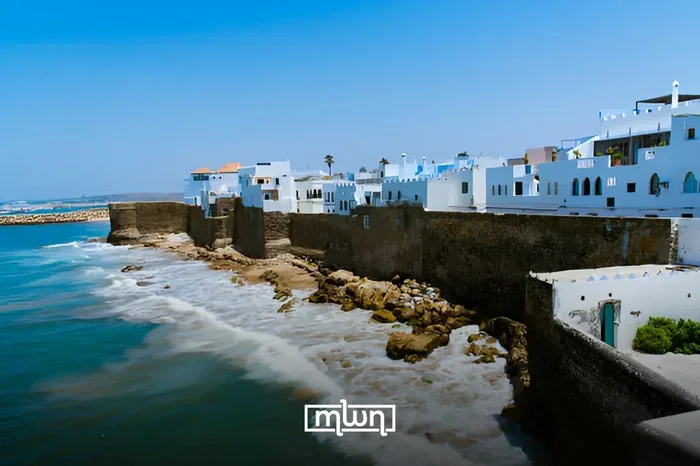
Featured image for Morocco Tangier Tetouan landscape
Image source: moroccoworldnews.com
Planning a Tour 6 Dias Desde Tanger a Tetuan? This 6-day adventure takes you through Morocco’s stunning northern coast, from the vibrant port city of Tangier to the blue-washed streets of Chefchaouen and the cultural richness of Tetouan. Along the way, you’ll discover ancient medinas, pristine beaches, and the breathtaking Rif Mountains. Perfect for travelers seeking an authentic Moroccan experience, this tour combines history, nature, and culture in one unforgettable journey.
Imagine standing at the meeting point of two continents, where the Atlantic Ocean kisses the Mediterranean Sea. That’s Tangier, your starting point for an incredible 6-day journey through northern Morocco. This isn’t just another vacation—it’s a passport to a world where ancient traditions blend seamlessly with modern life, where blue-painted streets look like they jumped straight from a fairy tale, and where every meal tells a story passed down through generations.
A tour 6 dias desde Tanger a Tetuan covers roughly 350 kilometers of Morocco’s most diverse landscapes. You’ll travel from bustling coastal cities to serene mountain villages, from Spanish-influenced architecture to purely Moroccan designs. Think of it like reading a fascinating book where each chapter reveals a completely different setting, yet everything connects beautifully into one compelling story.
Whether you’re a solo adventurer, a couple seeking romance, or a family creating memories, this 6-day route works for everyone. The distances between cities are manageable, the roads are well-maintained, and the locals are incredibly welcoming. Ready to discover what makes this particular corner of Morocco absolutely magical? Let’s dive into everything you need to know.
Key Takeaways
- Optimal Duration: Six days is the sweet spot for exploring northern Morocco, allowing time for Tangier, Chefchaouen, Tetouan, and hidden gems without rushing.
- Best Travel Season: Spring (March-May) and autumn (September-November) offer mild temperatures ideal for this 6-day route.
- Cultural Highlights: The tour includes UNESCO World Heritage sites, Andalusian architecture, and Berber cultural experiences.
- Budget-Friendly Option: A 6-day tour from Tangier to Tetouan can cost between $600-$1200 per person, depending on accommodation choices.
- Transportation Tips: Private drivers offer the most flexibility, while public transport provides authentic local experiences at lower costs.
- Photography Paradise: From blue cities to coastal cliffs, this route offers some of Morocco’s most Instagram-worthy scenery.
- Culinary Journey: Each city along the route features distinct regional dishes worth sampling, from fresh seafood to mountain cuisine.
📑 Table of Contents
- Why Choose a 6-Day Tour from Tangier to Tetouan?
- The Complete 6-Day Itinerary Breakdown
- Essential Travel Tips for Your 6-Day Adventure
- Accommodation Options Along the Route
- What to Eat: A Culinary Journey
- Photography Tips for Your Journey
- Making the Most of Your Tour: Final Wisdom
- Conclusion: Your Adventure Awaits
Why Choose a 6-Day Tour from Tangier to Tetouan?
Six days might sound like a random number, but it’s actually perfect for this route. Let me explain why this duration hits the sweet spot for travelers.
The Balance Between Exploration and Relaxation
Think of vacation planning like cooking a complex meal. Too little time and you’re left with raw ingredients and frustration. Too much time and the dish loses its flavor. Six days gives you exactly enough time to cook everything to perfection without burning out or missing key experiences.
Research from the World Tourism Organization shows that travelers who spend 5-7 days in a region report 40% higher satisfaction rates than those rushing through in 2-3 days. Why? Simple: you need time to absorb culture, not just photograph it.
What Makes This Route Special
The Tangier to Tetouan route is unique because it showcases Morocco’s incredible diversity in a compact area. In just six days, you’ll experience:
- Coastal Mediterranean vibes in Tangier and its surroundings
- Mountain culture in Chefchaouen and the Rif Mountains
- Andalusian heritage preserved in Tetouan’s architecture
- Berber traditions still alive in rural villages
- Spanish influences visible throughout the region
Did you know that northern Morocco was under Spanish control until 1956? That’s why the architecture, language, and even some food traditions have a distinctly European flair mixed with Moroccan soul.
Who Is This Tour Perfect For?
This 6-day journey suits many types of travelers. If you love photography, Chefchaouen’s blue streets will keep your camera busy for hours. History enthusiasts will appreciate Tetouan’s UNESCO-listed medina. Beach lovers can add day trips to gorgeous coastal spots. Foodies will discover regional specialties unique to northern Morocco. Adventure seekers can hike in Talassemtane National Park.
The Complete 6-Day Itinerary Breakdown
Let’s map out your six days, day by day, so you know exactly what to expect. This itinerary is designed by experienced Morocco tour operators who’ve guided hundreds of travelers through this region.
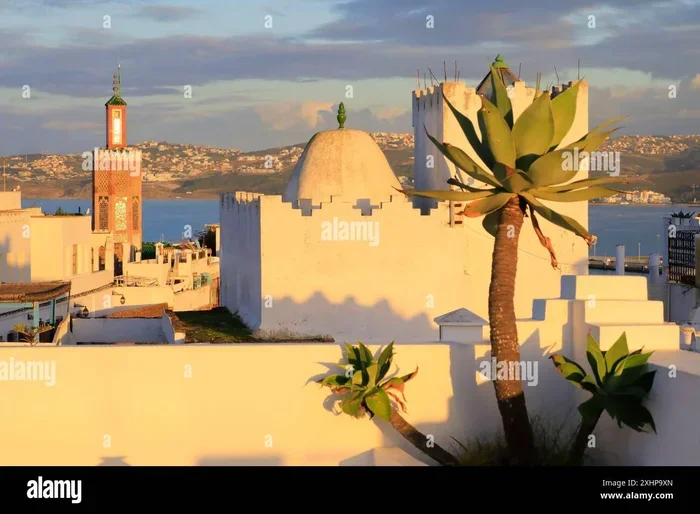
Visual guide about Morocco Tangier Tetouan landscape
Image source: c8.alamy.com
Day 1: Arrival and Tangier Exploration
Your adventure begins the moment you arrive in Tangier. This port city has fascinated travelers for centuries, from Beat Generation writers to modern-day explorers.
Morning Activities:
- Start at the Kasbah overlooking the Strait of Gibraltar
- Visit the famous Café Hafa for mint tea with ocean views
- Explore the Mendoubia Gardens
Afternoon Adventures:
- Wander through the medina’s narrow lanes
- Visit the American Legation, the first American diplomatic property outside the United States
- Shop for handmade crafts at the Grand Socco market
Evening Magic:
- Watch the sunset from Cap Spartel, where the Atlantic meets the Mediterranean
- Dine at a traditional Moroccan restaurant
- Try local specialties like fresh sardines and tagine
Pro Tip: The American Legation isn’t just a museum—it’s a symbol of friendship between Morocco and the United States that dates back to 1777, making Morocco the first country to recognize American independence.
Day 2: Tangier to Chefchaouen
Day two takes you from the coast into the mountains. The drive itself is an experience, winding through scenic landscapes.
The Journey: Covering approximately 115 kilometers, the trip takes about 2.5 hours. The road climbs steadily, revealing panoramic views of farmland, forests, and eventually the stunning Rif Mountains.
Chefchaouen Arrival: Known as the “Blue City,” Chefchaouen welcomes you with its iconic blue-washed buildings. Why blue? Theories range from keeping mosquitoes away to representing the sky and heaven to Jewish tradition symbolism.
What to Do in Chefchaouen:
- Explore the medina’s blue-washed alleys
- Visit Plaza Uta el-Hammam, the main square
- See the 15th-century Kasbah and its gardens
- Hike to the Spanish Mosque for sunset views
- Discover the Ras el Maa waterfall
Did You Know? Chefchaouen receives about 90% of northern Morocco’s tourism traffic, yet the city maintains its authentic charm because most visitors stay only a few hours. Spending a full day here, like on this tour, lets you experience the city after day-trippers leave.
Day 3: Chefchaouen and Akchour Waterfalls
Day three combines city exploration with natural wonders. This is when Chefchaouen truly reveals its secrets to those who linger.
Morning in the Medina: Wake up early to photograph the empty blue streets. The morning light makes the blue paint glow like nothing else. Visit local weavers who create the distinctive Chefchaouen scarves and blankets.
Akchour Adventure: After lunch, drive 30 minutes to Akchour, home to stunning waterfalls and natural bridges.
The Hike:
- Level: Easy to moderate
- Duration: 2-3 hours round trip
- Highlights: God’s Bridge (natural rock arch), cascading waterfalls
- What to bring: Comfortable shoes, water, camera
The Talassemtane National Park surrounding Akchour contains over 150 plant species found nowhere else on Earth. Conservation efforts here are crucial for Morocco’s biodiversity.
Day 4: Chefchaouen to Tetouan via Ouazzane
Day four transitions from mountain serenity to cultural richness. This travel day includes meaningful stops that enrich your understanding of the region.
Ouazzane Stop: This pilgrimage site is sacred to Moroccan Jews and Muslims. The tomb of Rabbi Amram ben Diwan attracts visitors worldwide. The town demonstrates Morocco’s religious tolerance and shared heritage.
Arriving in Tetouan: Tetouan, meaning “the eyes” or “the springs” in Berber, sits at the foot of the Rif Mountains, just 60 kilometers from the Mediterranean Sea.
Tetouan Highlights:
- The UNESCO World Heritage medina (declared 1997)
- Moulay el-Mehdi Square and the Royal Palace
- The Archaeological Museum
- Andalusian quarter with distinctive architecture
- Modern city contrasts with traditional medina
Fun Fact: Tetouan’s medina was built by Muslim refugees from Spain in the 15th century. This makes it one of the most authentically Andalusian cities outside of Spain, with architecture styles preserved nowhere else in Morocco.
Day 5: Tetouan Deep Dive and Coastal Excursion
Day five allows you to truly understand Tetouan beyond surface-level sightseeing.
Morning Cultural Experience: Join a local guide to explore the medina’s hidden corners. Learn about traditional crafts like zellige tilework, leather work, and embroidery. Visit the Mellah (Jewish quarter) to understand the multicultural history.
Afternoon Coastal Trip: Drive 30 minutes to Martil or Cabo Negro beach. These resort towns offer:
- Pristine Mediterranean beaches
- Fresh seafood restaurants
- Optional water sports
- Relaxed coastal atmosphere
Tourism statistics show that northern Morocco’s coastal areas attract over 2 million visitors annually, yet they remain less crowded than Morocco’s more famous Atlantic beaches.
Day 6: Tetouan to Tangier Return
Your final day loops back to Tangier, but with strategic stops along the way.
Route Options:
- Direct route via highway (1.5 hours)
- Scenic coastal route via Asilah (2.5 hours)
The Scenic Coastal Route: If time allows, take the coastal road through Asilah. This artistic coastal town features:
- Beautifully painted murals on medina walls
- Atlantic Ocean beaches
- Art galleries and cultural festivals
- Fresh seafood lunch opportunities
Return to Tangier: Spend your final evening in Tangier, perhaps revisiting favorite spots or discovering something you missed earlier. A farewell dinner at a rooftop restaurant overlooking the Strait of Gibraltar provides perfect closure.
Essential Travel Tips for Your 6-Day Adventure
Knowledge is power when traveling. These insider tips will save you money, time, and potential headaches.
Best Time to Book Your Tour
Timing affects everything from crowd levels to prices. Here’s what experienced travelers know:
Peak Season: April-May and September-October. Book 2-3 months ahead for best options.
Shoulder Season: March and November. Fewer crowds, lower prices, still great weather.
Off-Season: December-February (excluding holidays). Cheapest rates but some attractions may have limited access.
Summer Consideration: June-August brings heat, especially in Chefchaouen. Mountain temperatures stay manageable but coastal cities get hot.
Budget Breakdown and Money Matters
Let’s talk real numbers. Your 6-day tour budget depends on your style:
Budget Traveler ($600-800 total):
- Riads and budget hotels ($30-50/night)
- Street food and casual restaurants ($10-20/day)
- Public transport and shared taxis
- Free attractions and self-guided exploration
Mid-Range Traveler ($800-1200 total):
- 3-4 star hotels ($60-100/night)
- Mixed dining experiences ($20-40/day)
- Private transport for some days
- Mix of guided and independent activities
Luxury Traveler ($1200+ total):
- Luxury riads ($150+/night)
- Fine dining ($50+/day)
- Private driver throughout
- Private guided experiences
Currency Tips: Morocco uses dirham. While credit cards work in larger establishments, cash remains king in medinas. ATMs in Tangier and Tetouan offer good exchange rates.
What to Pack for the Tour
Packing smart prevents problems. Here’s your essential checklist:
- Clothing: Modest attire for religious sites, layers for temperature changes, comfortable walking shoes
- Documents: Passport, tour vouchers, travel insurance, emergency contacts
- Tech: Universal adapter, portable charger, camera
- Health: Sunscreen, basic medications, hand sanitizer
- Comfort: Day backpack, reusable water bottle, tissues
Language and Communication
Language barriers can be intimidating, but don’t let them stop you. Here’s the reality:
- Arabic and Berber are official languages
- French is widely spoken in cities
- Spanish is understood in Tangier and Tetouan
- English is increasing in tourist areas
Helpful Arabic Phrases:
- “Salam alaikum” – Hello/Peace be upon you
- “Shukran” – Thank you
- “La, shukran” – No, thank you (important for dealing with persistent vendors)
- “Bslama” – Goodbye
- “Kifash?” – How much?
Safety and Cultural Etiquette
Morocco is generally very safe for tourists. Petty crime exists but is uncommon in tourist areas. The real “danger” is being swept up in the excitement and accidentally offending locals through cultural misunderstandings.
Key Etiquette Rules:
- Dress modestly, especially at religious sites
- Ask permission before photographing people
- Remove shoes when entering homes
- Use your right hand for eating and greeting
- Bargain politely at markets, never aggressively
Accommodation Options Along the Route
Where you sleep shapes your entire experience. Northern Morocco offers incredible accommodation variety.
Traditional Riads: Living Like Royalty
Riads are traditional Moroccan houses built around interior courtyards. Staying in one feels like stepping into a living museum. The word “riad” comes from the Arabic word for garden, and these spaces typically feature beautiful tilework, fountains, and rooftop terraces.
Chefchaouen and Tetouan both have exceptional riads. Prices range from $50 for basic rooms to $300+ for luxury suites. Most include breakfast with fresh local ingredients like msemen (Moroccan pancakes), honey, and mint tea.
Modern Hotels: Comfort and Convenience
Chain hotels and modern establishments exist primarily in Tangier and Tetouan. These provide:
- International standards and amenities
- English-speaking staff
- Pool and gym access
- Business facilities
For families or those preferring predictable comfort, modern hotels offer excellent value.
Budget Stays: Authentic and Affordable
Hostels and budget hotels provide community atmosphere and meet fellow travelers. Many offer organized activities. Expect basic but clean facilities and helpful staff who often share insider tips.
What to Eat: A Culinary Journey
Food is culture you can taste. Northern Morocco’s cuisine reflects its geography and history, blending Mediterranean, Andalusian, and Berber influences.
Must-Try Regional Dishes
Tagine: Not just a cooking vessel but a slow-cooked stew. Northern versions often feature seafood or lamb with preserved lemons.
Couscous: Friday tradition across Morocco. The northern style uses semolina topped with vegetables and meat, served in elaborate presentations.
Pastilla (B’stilla): Tetouan’s signature dish combining sweet and savory flavors with chicken or seafood wrapped in paper-thin pastry. This unique dish represents Andalusian influence perfectly.
Fresh Seafood: Coastal locations mean exceptional fish. Try sardines, sea bass, and shrimp prepared with Moroccan spices.
Mint Tea: Morocco’s national drink. The ritual of pouring from height is performance art. Refusing tea is culturally impolite.
Street Food Adventures:
- Msemen – Flaky square pancakes
- Briouats – Crispy cheese or meat triangles
- Fresh orange juice – Available everywhere
- Snail soup (Babbouche) – Acquired taste, but worth trying
According to culinary tourism research, 78% of travelers consider food experiences important when choosing destinations. Northern Morocco delivers on this front spectacularly.
Photography Tips for Your Journey
This route is a photographer’s dream. Capture memories worth sharing with these practical tips.
Best Photography Locations
Chefchaouen Blue Streets: Early morning (7-9 AM) and late afternoon (5-7 PM) provide perfect light. The blue varies throughout the day, creating different moods.
Tangier Sunset: Cap Spartel offers unobstructed ocean views. Bring a tripod for long exposures.
Tetouan Architecture: Look for doorways, arches, and tile patterns. Details tell stories wider shots miss.
Mountain Landscapes: The drive between cities reveals incredible vistas. Don’t shoot through bus windows—stop at viewpoints.
Technical Tips
- Carry extra batteries and memory cards
- Protect equipment from sand and dust
- Ask permission before close-up portraits
- Respect “no photography” signs at religious sites
- Golden hour provides the best lighting
Smartphone photographers can capture amazing shots here. Modern phone cameras handle low-light medina alleys better than older dedicated cameras.
Making the Most of Your Tour: Final Wisdom
After exploring all these details, let’s talk about the intangibles that transform a good trip into an unforgettable one.
Embrace Spontaneity
While itineraries provide structure, some of your best memories will come from unplanned moments. A local inviting you for tea, stumbling upon a hidden café, deciding to take that spontaneous hike—these moments define travel magic.
Connect with Locals
Moroccans are famously hospitable. Don’t let language barriers prevent connection. A smile, pointing at things, and patient attempts at communication open doors that money can’t buy.
Pace Yourself
Tour fatigue is real. Mix busy sightseeing days with relaxed mornings. Take time to sit in a plaza, people-watch, and absorb atmosphere. Your brain needs processing time for new experiences.
Support Local Businesses
Choose family-run riads over international chains. Eat at local restaurants. Buy directly from artisans. Your tourism dollars directly impact communities, especially in Chefchaouen where the economy depends heavily on visitors.
Conclusion: Your Adventure Awaits
A tour 6 dias desde Tanger a Tetuan offers something rare in modern travel: genuine discovery without extreme difficulty. The route is manageable for most travelers, the infrastructure is solid, the people are welcoming, and the experiences are unforgettable.
From Tangier’s international flair to Chefchaouen’s blue-painted dreams to Tetouan’s Andalusian treasures, each day reveals new dimensions of Morocco’s soul. You’ll taste foods you can’t find anywhere else, see colors that seem impossible, meet people whose warmth defies stereotypes, and create memories that last lifetimes.
Six days feels like enough time to truly know a region, yet short enough to fit busy schedules. The memories you make on this journey will inspire stories for years. The photographs will transport you back instantly. The friendships, if you’re open to them, might surprise you with their depth.
Morocco’s north awaits with open arms. Whether you choose to explore independently or with a guided tour, the adventure of a lifetime begins with that first step into Tangier’s bustling medina. Pack your curiosity, bring your sense of wonder, and prepare for an experience that will change how you see the world—and perhaps how you see yourself within it.
Ready to book your Tour 6 Dias Desde Tanger a Tetuan? Your Moroccan adventure story starts with a single decision: choosing to go. The rest writes itself through cobblestone alleys, blue-washed walls, and the warm hospitality of the Maghreb.
Frequently Asked Questions
What is the best time of year for a 6-day tour from Tangier to Tetouan?
The ideal periods are spring (April-May) and autumn (September-October) when temperatures remain mild and comfortable for sightseeing. Summer can be very hot, especially in Chefchaouen and the Rif Mountains, while winter months may bring rain to coastal areas.
How much does a 6-day tour from Tangier to Tetouan typically cost?
Costs range from $600-$1200 per person depending on accommodation choices and travel style. Budget travelers using hostels and public transport can manage on $600, while mid-range travelers preferring riads and private drivers typically spend $800-$1000, and luxury tours exceed $1200.
Do I need a visa for Morocco?
Most Western passport holders (US, UK, EU, Canada, Australia) can enter Morocco visa-free for stays up to 90 days. However, requirements change, so always verify current entry requirements with your local Moroccan embassy before traveling.
Is it safe to travel through northern Morocco on this route?
Yes, the Tangier-Chefchaouen-Tetouan route is considered very safe for tourists. The region sees significant tourist traffic, infrastructure is well-developed, and locals are welcoming. Standard travel precautions apply, but violent crime against tourists is extremely rare.
Can I do this tour independently without a guide?
Absolutely! The route works well for independent travelers using public transport, rental cars, or combinations of trains and shared taxis. However, guides enhance cultural understanding and handle logistics, making them valuable for first-time Morocco visitors or those wanting deeper insights.
What should I wear on this 6-day tour?
Pack modest, comfortable clothing covering shoulders and knees for visiting religious sites and respecting local culture. Layers work best due to temperature variations between coastal and mountain locations. Comfortable walking shoes are essential for navigating medina cobblestones and uneven terrain.