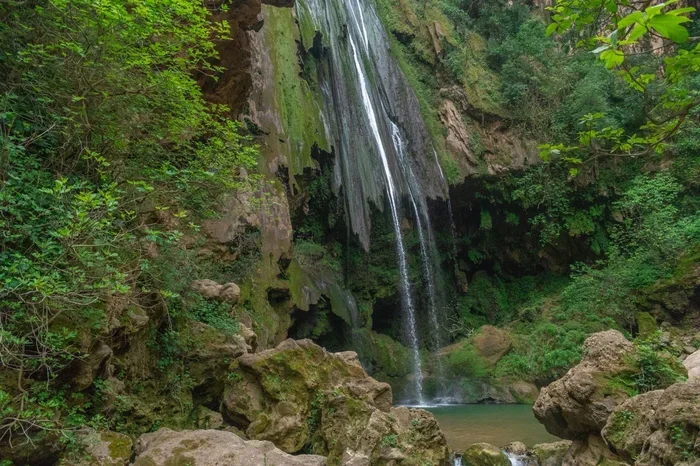
Featured image for Akchour waterfalls Morocco nature
Image source: moroccotriptime.com
The Tangier to Akchour Waterfalls 5 Day Tour is an unforgettable journey through northern Morocco’s most breathtaking landscapes. This carefully crafted 5-day adventure takes you from the vibrant coastal city of Tangier through the historic streets of Chefchaouen, into the lush Rif Mountains, and finally to the spectacular Akchour Waterfalls. Perfect for nature lovers, culture enthusiasts, and adventure seekers, this tour offers an authentic Moroccan experience that combines hiking, cultural immersion, and stunning natural beauty.
Picture this: you’re standing at the edge of a crystal-clear pool, surrounded by towering cliffs draped in vibrant green moss, with water cascading from 30 meters above in a thunderous display of nature’s raw power. The air is filled with mist and the earthy scent of the forest. Behind you, the distant call to prayer echoes from a nearby village. This isn’t a dream. This is the Akchour Waterfalls, and it could be the highlight of your next great adventure.
The Tangier to Akchour Waterfalls 5 Day Tour has quickly become one of Morocco’s most sought-after travel experiences, and for good reason. It combines the cosmopolitan charm of Tangier with the fairy-tale blue streets of Chefchaouen and the untouched natural beauty of the Rif Mountains. In just five days, you’ll witness landscapes that seem to belong in a painting, meet welcoming locals who’ll share their centuries-old traditions, and create memories that’ll last a lifetime.
Did you know that Akchour receives over 100,000 visitors annually, yet it still maintains its pristine, off-the-beaten-path charm? Unlike the more crowded tourist spots in southern Morocco, this northern gem offers an authentic experience without sacrificing comfort or safety. Whether you’re a solo traveler, a couple seeking romance, or a family looking for adventure, this tour delivers something special for everyone.
Key Takeaways
- Multi-Destination Experience: The tour covers four major destinations including Tangier, Chefchaouen, Akchour, and Tetouan, providing diverse landscapes and cultural experiences.
- Moderate Fitness Required: While suitable for most travelers, participants should have a basic fitness level to enjoy the hiking portions, especially the trek to the waterfalls.
- Best Travel Seasons: Spring (March-May) and autumn (September-November) offer the most pleasant weather and fullest waterfall flow for the best experience.
- Cultural Immersion: The tour provides authentic interactions with Berber communities, traditional markets, and local culinary experiences throughout the journey.
- All-Inclusive Value: Most packages include accommodation, transportation, guided tours, and select meals, offering excellent value for a comprehensive 5-day experience.
- Photography Paradise: From the blue streets of Chefchaouen to emerald pools of Akchour, every stop offers incredible photo opportunities for memorable shots.
- Small Group Advantage: Tours typically operate with small groups (8-15 people), ensuring personalized attention and a more intimate travel experience.
📑 Table of Contents
Who Is This Tour Perfect For?
Let’s be honest: not every tour fits every traveler. But the Tangier to Akchour Waterfalls 5 Day Tour comes pretty close to being universally appealing. Think of it like a Swiss Army knife of Moroccan adventures; it has something useful for almost any type of traveler.
Nature Lovers and Hiking Enthusiasts
If your idea of a perfect vacation involves fresh mountain air, scenic trails, and the soothing sound of falling water, you’re in for a treat. The Akchour region boasts some of the most spectacular hiking in North Africa. The main trek to the waterfalls covers about 6 kilometers each way and rewards you with the famous “Bridge of God” (Pont de Dieu), a natural rock arch that looks like it was designed by Mother Nature herself.
The trails range from easy riverside walks to more challenging mountain paths. You don’t need to be an Olympic athlete, but a basic level of fitness will definitely enhance your enjoyment. Think of it like a long, scenic walk in the countryside, with plenty of rest stops for photos and picnics.
Culture Seekers and History Buffs
Morocco’s history is as rich and layered as a perfectly baked pastilla. This tour gives you a generous slice of that cultural pie. You’ll explore medinas that have stood for centuries, visit sites that date back to the 15th century, and walk through streets where caravans once passed on their way across the Sahara.
Chefchaouen, often called the “Blue Pearl of Morocco,” is a cultural treasure trove. Did you know that the tradition of painting buildings blue is believed to have started in the 1970s, but has roots in Jewish tradition where blue symbolizes the sky and heaven? Today, it’s become an Instagram sensation, but the cultural depth remains for those willing to look beyond the surface.
Photography Enthusiasts
Calling all shutterbugs! This tour is basically a photography buffet. Every corner you turn reveals a new stunning composition. From the geometric patterns of Moroccan tiles (zellige) to the misty mountains surrounding Akchour, your camera will work overtime. The golden hour in Chefchaouen, when the blue buildings seem to glow, is particularly magical.
Families and Small Groups
Traveling with family? This tour works wonderfully for multi-generational groups. The pace is manageable, accommodations range from comfortable to luxurious, and the activities appeal to various interests. Kids especially love the waterfall pools (where safe) and the donkey rides that are available in parts of Akchour.
What Exactly Does the 5-Day Itinerary Look Like?
Think of your 5-day adventure as a well-choreographed dance, where each day flows naturally into the next. While exact itineraries can vary between tour operators, here’s a comprehensive look at what you can typically expect.
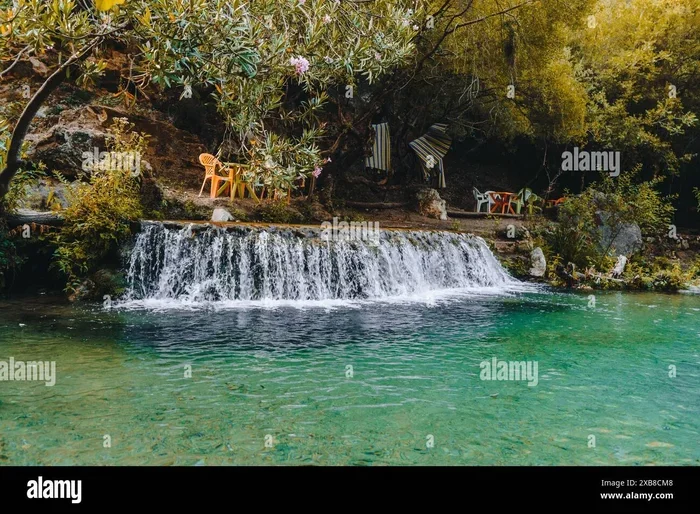
Visual guide about Akchour waterfalls Morocco nature
Image source: c8.alamy.com
Day 1: Welcome to Tangier
Your journey begins in Tangier, Morocco’s gateway between Africa and Europe. Upon arrival at Ibn Battuta Airport or the Tangier Ville train station, you’ll be warmly welcomed and transferred to your accommodation. Spend the afternoon exploring the city’s fascinating blend of European and African influences.
Wander through the medina, where you’ll find the famous Cafe Hafa, perched dramatically on cliffs overlooking the Strait of Gibraltar. Did you know that this café has been visited by legends like The Rolling Stones, Paul Bowles, and William S. Burroughs? That evening, enjoy a welcome dinner featuring traditional Moroccan dishes like tagine and couscous.
Day 2: Tangier to Chefchaouen
After breakfast, you’ll journey inland to Chefchaouen, the blue city that captures every traveler’s heart. The drive takes approximately 2.5 to 3 hours, winding through the scenic Rif Mountains. Along the way, you’ll stop at viewpoints that offer panoramic vistas of valleys and traditional Berber villages.
Once in Chefchaouen, the afternoon is yours to get lost in the labyrinthine blue streets. Visit the Spanish Mosque for sunset views, explore artisan workshops, or simply relax at a café with mint tea and people-watch. The pace here is intentionally slow. Chefchaouen teaches you to appreciate life’s simple pleasures.
Day 3: Chefchaouen Exploration and Local Culture
Day three dives deeper into Chefchaouen’s culture. Start with a guided tour of the medina, learning about the history behind the blue-washed walls and visiting historic landmarks like the Kasbah and the Ethnographic Museum. You’ll discover that Chefchaouen isn’t just about looks; it’s about stories, traditions, and the warm hospitality of its residents.
In the afternoon, many tours include a visit to a local weaving cooperative or a traditional pottery workshop. This is your chance to see artisans at work and maybe even try your hand at creating something yourself. It’s like stepping into a living museum where every craft has been passed down through generations.
Day 4: The Akchour Waterfalls Adventure
This is the day most travelers anticipate the most. After breakfast, you’ll travel a short distance to Akchour, a small village that serves as the gateway to the waterfalls. The trek begins with a relatively easy walk along the river, passing small restaurants, café, and local vendors selling refreshments.
The first major stop is the Bridge of God (Pont de Dieu), a stunning natural rock formation spanning the gorge. Did you know that this bridge was formed over millions of years through erosion? It’s a powerful reminder of nature’s patient artistry. Continue hiking to reach the main waterfalls, where you can swim in natural pools (seasonal and safety dependent), enjoy a picnic lunch, or simply soak in the incredible scenery.
For the more adventurous, additional trails lead to higher cascades and hidden pools. Your guide will help you choose paths that match your fitness level and interests.
Day 5: Return to Tangier with Stops Along the Way
Your final day includes a scenic drive back to Tangier, often with stops in Tetouan, a UNESCO World Heritage site known as the “Little Jerusalem” or “White Dove.” Explore its whitewashed medina, visit the Royal Palace, and enjoy lunch at a traditional restaurant before returning to Tangier.
Depending on your departure time, you might have the chance for last-minute shopping in Tangier’s medina or a final stroll along the corniche before your tour concludes.
Where Are These Amazing Places Located?
Understanding the geography helps you appreciate just how much variety is packed into this 5-day journey. All these destinations sit in northern Morocco, within relatively close proximity to each other, which is why this tour works so brilliantly in just five days.
Tangier: The Gateway City
Located on the Strait of Gibraltar, Tangier is Morocco’s meeting point with Europe. Just 14 kilometers separate Morocco from Spain across the water. The city has a unique diplomatic history, having been administered by multiple countries during the 20th century, which gave it a cosmopolitan flair that persists today.
Chefchaouen: The Mountain Pearl
Nestled in the Rif Mountains at about 600 meters above sea level, Chefchaouen sits in a valley between two mountain peaks. Its elevation gives it a cooler, more temperate climate than coastal cities, making it especially pleasant in summer when temperatures remain comfortable.
Akchour: The Natural Wonder
Akchour lies within the Talassemtane National Park, a protected area established in 2004. The park covers about 59,000 hectares and is home to endangered species like the Barbary macaque and the Moroccan fir tree, one of the rarest conifers in the world.
When Is the Best Time to Take This Tour?
Timing can make or break your travel experience, so let’s break down what to expect in each season.
Spring (March to May)
Spring is arguably the best time for this tour. The waterfalls are at their fullest flow due to snowmelt from the mountains, wildflowers bloom across the landscape, and temperatures are ideal for hiking (typically 15-25°C). This season also coincides with the almond blossom in Chefchaouen, a stunning natural display that transforms the region into a pink and white wonderland.
Summer (June to August)
Summer brings warmer temperatures, sometimes reaching 35°C or higher in Tangier and Chefchaouen. However, the higher elevations of Akchour remain cooler. If you travel in summer, plan hikes for early morning to avoid the midday heat. This is peak tourist season, so expect larger crowds and book accommodations well in advance.
Autumn (September to November)
Another excellent window, autumn offers comfortable temperatures, fewer crowds than summer, and beautiful fall colors in the mountains. The waterfalls still flow well early in the season, and harvest time means delicious fresh produce in local markets.
Winter (December to February)
Winter sees fewer tourists and lower prices, but temperatures can drop significantly, especially in the mountains. Some hiking trails may be closed due to weather, and waterfall flow can be reduced. However, if you don’t mind cooler weather and smaller crowds, winter offers a peaceful, authentic experience.
Why Choose This Tour Over Independent Travel?
You might be wondering: why not just plan it myself? It’s a fair question, especially for seasoned travelers. Here’s why a guided tour often makes more sense for this particular journey.
Logistics Made Simple
Morocco’s transportation infrastructure outside major cities can be challenging for first-time visitors. Buses don’t always run on schedules you’d expect, and getting to Akchour involves navigating local transport and trail systems. A guided tour handles all this complexity, letting you focus on enjoyment rather than logistics.
Local Expertise and Safety
Your guide is more than just a driver. They’re a cultural bridge, a safety net, and a treasure trove of local knowledge. Did you know that Morocco has one of the highest literacy rates in North Africa? Many guides hold degrees in history or tourism and undergo extensive training. They can spot wildlife, identify plants, share historical context, and help you navigate cultural nuances that might otherwise be missed.
Cultural Access
Some of the most meaningful experiences come from access to places independent travelers might never find. A good tour operator has relationships with local families, artisans, and community leaders who open doors that wouldn’t otherwise be available. This could mean a home-cooked meal in a Berber village, a private demonstration of traditional crafts, or a visit to a local school.
Value for Money
When you add up accommodation costs, transportation, guide fees, entrance tickets, and meals, organized tours often provide better value than piecing it together yourself. Plus, tour operators often have negotiated rates that aren’t available to individual travelers.
How to Prepare for Your Tangier to Akchour Adventure
A little preparation goes a long way toward ensuring you have the best possible experience. Here’s your practical checklist.
What to Pack
Think layers. Like an onion, your clothing strategy should involve multiple layers that you can add or remove as temperatures change throughout the day. Mornings in the mountains can be cool, while midday can be warm, especially when hiking.
Essential items include comfortable hiking shoes with good grip (the trails can be rocky and sometimes slippery), a daypack for carrying water and snacks, sun protection (hat, sunglasses, sunscreen), a reusable water bottle, modest clothing for visiting religious sites, a light rain jacket, and a power adapter for Moroccan outlets (Type C and E).
Health and Safety Considerations
No special vaccinations are required for Morocco for most travelers, but it’s wise to be up-to-date on routine vaccines. The tap water isn’t recommended for visitors; stick to bottled water, which is widely available. Pack any personal medications in your carry-on, and consider bringing a basic first aid kit with band-aids, pain relievers, and anti-diarrheal medicine.
Travel insurance is highly recommended, covering trip cancellation, medical emergencies, and evacuation if needed. Make sure your policy covers hiking activities at moderate altitudes.
Money Matters
The Moroccan currency is the Dirham (MAD). While many places accept credit cards in cities, having cash is essential for small vendors, tips, and rural areas. ATMs are widely available in Tangier and Chefchaouen. Budget for some tipping; it’s customary in Morocco, though not obligatory.
Language Tips
Arabic and Berber are the official languages of Morocco, but French is widely spoken, especially in business and tourism. English is increasingly common in tourist areas. Learning a few basic phrases in Arabic, like “salaam alaikum” (hello) and “shukran” (thank you), goes a long way in connecting with locals.