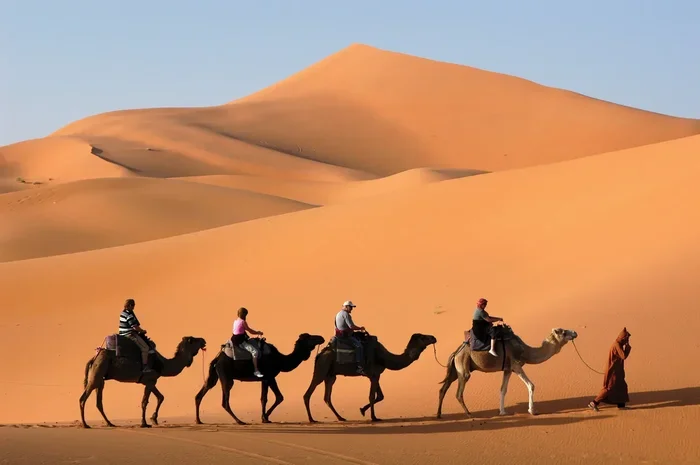
Featured image for Morocco desert camel caravan
Image source: cdn.britannica.com
A 13-day tour from Tangier to Merzouga is the ultimate way to experience Morocco’s diverse landscapes and rich culture in one unforgettable journey. This epic route takes you through four imperial cities, across the Atlas Mountains, and deep into the Sahara Desert. Perfect for first-time visitors, this itinerary balances guided sightseeing with free time for personal exploration. From the blue streets of Chefchaouen to camel treks at Erg Chebbi, every day offers something new.
Imagine waking up to the sound of waves on the Mediterranean coast, then thirteen days later, falling asleep under a blanket of stars in the Sahara Desert. This isn’t a dream. It’s exactly what awaits you on a 13-day tour from Tangier to Merzouga, and it’s hands down the most complete way to discover Morocco’s magic.
Morocco sits just 14 kilometers from Spain across the Strait of Gibraltar, yet it feels like stepping into another world. The country bursts with color, flavor, and tradition at every turn. You’ll wander through ancient medinas where donkeys still carry goods through narrow alleys. You’ll sip mint tea with Berber families in mountain villages. You’ll watch the sunset paint the Sahara dunes in shades of gold, orange, and deep purple.
This guide walks you through everything you need to know about planning and enjoying the perfect 13-day Moroccan adventure. We’ll break down the daily itinerary, share insider tips, explain costs, and answer the questions every first-time traveler asks. By the end, you’ll know exactly what to expect and how to make this trip the journey of a lifetime.
Key Takeaways
- Comprehensive Route: The 13-day Tangier to Merzouga tour covers over 2,000 kilometers, showcasing Morocco’s most iconic destinations from north to south.
- Cultural Immersion: You’ll visit four UNESCO World Heritage Sites, including the medinas of Fes, Marrakech, and the archaeological site of Volubilis.
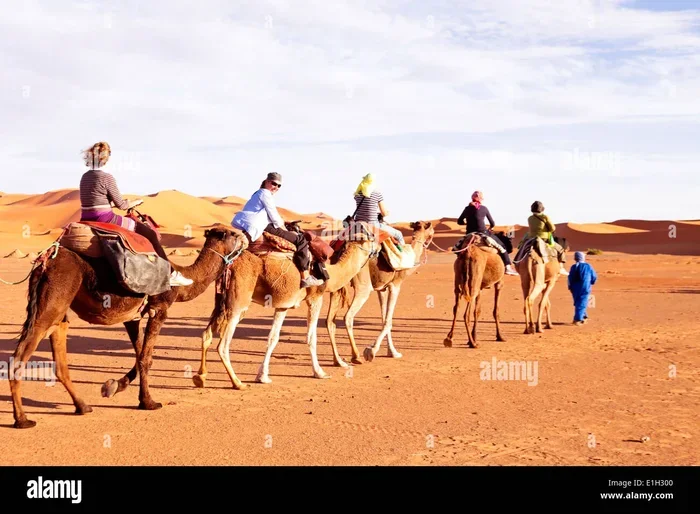
- Sahara Experience: A camel trek into the Erg Chebbi dunes and overnight stay in a Berber desert camp is the unforgettable highlight of the journey.
- Best Travel Seasons: Spring (March-May) and autumn (September-November) offer the most comfortable temperatures for this extensive tour.
- Budget-Friendly Option: Shared group tours start around €800-1,200 per person, while private tours range from €1,500-2,500, making it accessible for various budgets.
- Diverse Landscapes: The route transitions from Mediterranean coast to Rif Mountains, Atlas peaks, and finally the vast Sahara Desert.
- Small Group Advantage: Tours typically operate with 8-15 travelers, ensuring a personal experience while keeping costs reasonable.
📑 Table of Contents
- What Exactly Is a 13-Day Tangier to Merzouga Tour?
- Why Choose a Guided Tour Instead of Independent Travel?
- What Does a Typical Day Look Like on This Tour?
- When Is the Best Time to Take This Tour?
- How Much Does the Tour Cost and What’s Included?
- What Are the Must-See Highlights Along the Route?
- What Should You Pack for This 13-Day Tour?
- What Cultural Etiquette Should You Know?
- How to Choose the Right Tour Operator?
- What Are the Best Souvenirs to Bring Home?
- Is This Tour Suitable for Solo Female Travelers?
- What Happens in Case of Emergency?
- Final Thoughts: Is This Tour Right for You?
What Exactly Is a 13-Day Tangier to Merzouga Tour?
A 13-day tour from Tangier to Merzouga is a structured travel package that takes you across Morocco from the northern tip to the southeastern desert. Think of it like reading a book about Morocco, but instead of reading, you’re living every chapter. Each day unfolds a new region, a new culture, and new memories.
The Journey at a Glance
The route typically covers these key destinations in order:
- Day 1-2: Tangier and Chefchaouen (the famous blue city)
- Day 3: Volubilis and Meknes (Roman ruins and imperial history)
- Day 4-5: Fes (the cultural and spiritual capital)
- Day 6-7: Middle Atlas and Sahara Desert approach
- Day 8-9: Merzouga and Erg Chebbi dunes
- Day 10-11: Todra Gorge, Dades Valley, and Ouarzazate
- Day 12: Ait Ben Haddou and High Atlas crossing
- Day 13: Marrakech departure
Did you know that Morocco welcomes over 13 million tourists annually, and desert tours to Merzouga rank among the top three most requested experiences? The Sahara isn’t just a destination. For many travelers, it’s the emotional heart of their entire Moroccan journey.
Who Is This Tour Designed For?
This tour suits almost every type of traveler. Solo adventurers love the safety of a guided group experience. Couples find it romantic, especially the desert nights. Families with teenagers appreciate the mix of culture, adventure, and history. Photography enthusiasts get endless material, from blue-washed walls to golden dunes.
The only people who might want to skip this particular itinerary are travelers with very limited mobility, since the tour involves walking on uneven surfaces, climbing into higher vehicles, and some moderate physical activity during the camel trek.
Why Choose a Guided Tour Instead of Independent Travel?
You might wonder, “Why not just rent a car and explore on my own?” That’s a fair question. Morocco allows independent travel, and many visitors do exactly that. However, a guided 13-day tour offers distinct advantages that are worth considering.
Visual guide about Morocco desert camel caravan
Image source: c8.alamy.com
The Logistics Problem
Let’s use an analogy. Imagine trying to cook a seven-course meal for twenty guests while also shopping for ingredients, setting the table, and washing dishes simultaneously. That’s what independent travel across Morocco feels like. A guided tour lets you show up, relax, and enjoy the meal while someone else handles the complexity.
Morocco’s roads, while improving, can be challenging. Mountain passes require confidence behind the wheel. Navigating medinas without GPS is genuinely disorienting. Finding legitimate riads (traditional guesthouses) in remote areas takes local knowledge. A tour operator solves all these puzzles before you arrive.
Cultural Bridge and Safety
A good local guide does more than translate words. They explain context, decode social customs, and help you avoid cultural missteps. For example, did you know that in Morocco, using your left hand to give or receive items is considered rude? Or that bargaining in souks follows specific unwritten rules? These insights transform a simple transaction into a meaningful cultural exchange.
Safety is another factor. Morocco ranks among the safer African countries for tourists, with low violent crime rates. However, solo travelers, especially women, sometimes face unwanted attention in tourist areas. A guided tour provides a buffer and local support that makes the experience more comfortable.
Cost Efficiency
Here’s a surprising fact: guided tours often cost less than independent travel when you factor everything in. Tour operators negotiate bulk rates with hotels, restaurants, and transport providers. A 13-day independent trip might cost €1,800-2,500 when you add accommodation, meals, fuel, entrance fees, and guide services separately. A tour package including all these elements can run €1,000-1,800 depending on the level of comfort.
What Does a Typical Day Look Like on This Tour?
Understanding daily rhythms helps you prepare mentally and physically. Most travelers say the pace feels active but not rushed.
Morning: Early Starts and Beautiful Drives
Days typically begin around 7:00-8:00 AM with breakfast at your riad or hotel. Moroccan breakfast is consistently delicious and filling. Expect fresh bread, olive oil, honey, jam, eggs, cheese, olives, and mint tea. It’s fuel that keeps you going for hours.
Mornings usually involve a driving segment, lasting two to four hours. The good news? These drives are spectacular. You’ll pass through changing landscapes: cedar forests, mountain passes, palm groves, and eventually sandy plains approaching the desert. Most tour vehicles are comfortable minivans or 4x4s with air conditioning.
Midday: Guided Exploration
After arriving at a new destination, you’ll typically enjoy a traditional lunch at a local restaurant. Tagines (slow-cooked stews), couscous, and fresh salads dominate menus. Vegetarian options are widely available. Lunch often includes time to rest, especially during summer months when afternoon heat peaks.
Afternoons focus on guided sightseeing. In Fes, this means exploring the sprawling medina with its 9,000+ alleys. In the Sahara, it means mounting your camel and riding into the dunes. Your guide handles tickets, directions, and timing so you can focus on the experience.
Evening: Cultural Experiences and Relaxation
Evenings bring some of the most memorable moments. In imperial cities, you might stroll through illuminated squares and watch storytellers, musicians, and snake charmers perform. In mountain villages, you could share dinner with a Berber family. In the desert, you’ll gather around a campfire while local musicians play drums under the stars.
Dinners are included on most tours and offer a chance to taste regional specialties. Dinner conversations with fellow travelers often become highlight moments, as people share stories from different cultures and backgrounds.
When Is the Best Time to Take This Tour?
Timing affects everything from comfort to cost to what you’ll see. Let’s break down the seasons.
Spring: March to May
Spring is arguably the ideal season for a 13-day Tangier to Merzouga tour. Temperatures hover around 20-28°C (68-82°F) in most regions. The desert is warm but not scorching. Mountains are green and blooming. Crowds are moderate, and prices remain reasonable.
This is also when you might catch the famous Moussem de Tan-Tan, a cultural gathering recognized by UNESCO, though it doesn’t happen annually. Wildflowers bloom in the Atlas Mountains, creating picture-perfect landscapes.
Autumn: September to November
Autumn rivals spring as the best touring season. The summer heat breaks in September, bringing comfortable temperatures back. October and November offer crystal-clear skies, perfect for photography. The desert is at its most pleasant, with warm days and cool nights.
Winter: December to February
Winter tours are absolutely possible and offer unique advantages. Prices drop significantly. Crowds thin out. The Atlas Mountains may have snow, creating stunning scenery. The Sahara gets cold at night (sometimes near freezing), but days remain mild.
However, be aware that some mountain passes occasionally close due to snow. The camel trek still operates, but you’ll want warmer layers for desert nights.
Summer: June to August
Summer is the most challenging time for this route. Desert temperatures can exceed 45°C (113°F). Cities like Marrakech become intensely hot. However, coastal Tangier and mountain regions stay more comfortable.
If summer is your only option, book tours that adjust departure times to avoid midday heat, and ensure accommodations have air conditioning or pools.
How Much Does the Tour Cost and What’s Included?
Money matters, so let’s get specific about what you’ll spend.
Price Ranges by Tour Type
Budget Group Tours: €800-1,100 per person. These typically include accommodation in 3-star riads, breakfast and dinner daily, transport in a minivan, and an English-speaking guide. They usually have 12-18 travelers per group.
Mid-Range Small Group Tours: €1,200-1,700 per person. Expect 4-star riads, smaller groups of 8-12 people, some lunches included, and upgraded vehicles. These offer the best balance of comfort and value.
Private Tours: €1,800-3,500 per person (based on two travelers). You get your own vehicle, driver-guide, and fully customizable itinerary. This is ideal for families, couples seeking privacy, or travelers with specific interests.
What’s Typically Included
- Accommodation for 12 nights (mix of riads, hotels, and one desert camp)
- Breakfast and dinner daily (some tours include 3-4 lunches)
- Transport in air-conditioned vehicle
- English-speaking driver/guide
- Camel trek to desert camp
- Local guides in Fes and Marrakech medinas
- Pickup and drop-off at airports or hotels
What’s Usually Not Included
- International flights to Morocco
- Travel insurance (strongly recommended)
- Lunches (typically €8-15 per meal)
- Drinks and personal expenses
- Entrance fees to certain monuments (usually €2-10 each)
- Tips for guides and drivers (€3-5 per person per day is customary)
Money-Saving Tips
Book tours 3-6 months in advance for the best prices. Travel during shoulder seasons (April, May, September, October) for lower rates and better weather. Consider a mid-range small group tour as the sweet spot between cost and experience. Bring a reusable water bottle to save on drinks.
What Are the Must-See Highlights Along the Route?
With thirteen days, you experience more than just the famous spots. Here’s what makes each stop special.
Chefchaouen: The Blue Pearl
Nestled in the Rif Mountains, Chefchaouen looks like someone painted every wall in shades of blue. Why blue? Theories range from Jewish tradition to mosquito repellent to simply the residents loving the color. The result is magical. Narrow streets wind between blue-washed buildings, with colorful pots and woven rugs adding bursts of contrast.
Spend time getting lost in the medina. It’s one of the safest and most photogenic in Morocco. The Spanish Mosque sits on a hill overlooking town, offering sunset views that belong on postcards.
Fes: The Cultural Capital
Fes feels like traveling back to medieval times. The Fes el-Bali medina is a UNESCO World Heritage Site and the world’s largest car-free urban zone. Over 9,000 alleys twist through neighborhoods where craftsmen still practice centuries-old trades.
Visit the Chouara Tannery, where leather has been processed using traditional methods since the 11th century. The famous Al-Qarawiyyin University, founded in 859 AD, is considered the oldest continuously operating university in the world. Did you know a woman founded it? Fatima al-Fihri’s legacy continues to inspire scholars today.
The Sahara Desert: Merzouga and Erg Chebbi
This is the journey’s emotional peak. After traveling through palm groves and desert plains, you arrive at Merzouga, the gateway to Erg Chebbi. These dunes rise up to 150 meters high, stretching as far as the eye can see.
Your camel awaits, and the trek into the dunes takes about 90 minutes. Watching the sunset from atop a dune is one of those rare travel moments that genuinely exceeds expectations. The colors shift continuously. The silence is profound. The vastness makes you feel wonderfully small.
Desert camps range from basic to luxurious. Even standard camps offer comfortable beds, communal dinners, and Berber music around the fire. Stargazing in the Sahara is unforgettable, with minimal light pollution revealing thousands of stars, the Milky Way, and sometimes even shooting stars.
Ait Ben Haddou: Hollywood’s Favorite Backdrop
This ancient kasbah (fortified village) along the former caravan route has appeared in films like Gladiator, Lawrence of Arabia, and Game of Thrones. Walking through its earthen buildings feels like stepping onto a film set because, well, it often is one.
Marrakech: The Red City
Your tour likely ends in Marrakech, and what an ending it is. Jemaa el-Fnaa square comes alive at night with storytellers, musicians, food stalls, and performers. The Majorelle Garden offers peaceful contrast with its cobalt-blue structures and exotic plants. The Saadian Tombs and Bahia Palace showcase stunning Moroccan architecture.
What Should You Pack for This 13-Day Tour?
Smart packing makes the difference between enjoying yourself and struggling. Morocco’s diverse climates require versatile clothing.
Clothing Essentials
- Layers are key: Bring a light jacket for cool desert nights, breathable fabrics for hot days
- Modest attire: Cover shoulders and knees in religious sites; loose, long clothing also protects from sun
- Comfortable walking shoes: Medinas have uneven surfaces; sandals are fine for the desert
- Scarf or shemagh: Useful for sun protection, warmth, and visiting mosques
- Swimwear: Some riads have pools or hammams (traditional baths)
Health and Practical Items
- Sunscreen (SPF 50+ recommended, especially for the desert)
- Reusable water bottle (tap water isn’t drinkable; bottled water is cheap)
- Basic first aid kit with pain relievers, band-aids, and any personal medications
- Hand sanitizer and wet wipes (some rest stops lack soap)
- Power adapter (Morocco uses Type C and E plugs, 220V)
- Headlamp or flashlight (useful for desert nights and power outages)
Electronics and Documents
- Camera with extra batteries and memory cards
- Portable charger (power outlets aren’t always convenient)
- Passport (valid for at least 6 months beyond your trip)
- Travel insurance documentation
- Photocopies of important documents (stored separately)
- Some cash in Moroccan dirhams (ATM access is widespread in cities but limited in remote areas)
What Cultural Etiquette Should You Know?
Understanding local customs enriches your experience and shows respect. Here are the most important things to know.
Greetings and Social Interactions
Moroccans value politeness and warmth. Greetings matter. When meeting a person, especially an elder, take time to ask about their family, health, and work. A rushed hello can seem rude. If you’re invited for mint tea (which happens often), accept it. Refusing is impolite.
Handshakes are common between same-gender interactions. Between men and women, wait to see if the woman extends her hand first. If she doesn’t, a slight bow with hand on heart works well.
Dining Customs
When eating from a shared plate (common with tagines), use bread or your right hand. The left hand is reserved for personal hygiene and shouldn’t touch food or others. If invited to a home, bringing small gifts like pastries or flowers is appreciated.
Complimenting the food is always welcome. Saying “besaha” (bon appétit) before eating is polite. Finishing your plate shows appreciation, though hosts often serve more than you can eat.
Photography Etiquette
Always ask permission before photographing people, especially women. Many Moroccans are happy to pose for a small tip, but some prefer privacy. Avoid photographing military installations, government buildings, or religious processions without authorization.
Religious Sensitivity
Morocco is a Muslim country with a long history of religious tolerance. During Ramadan, eating, drinking, or smoking in public during daylight hours is disrespectful. Most mosques are closed to non-Muslims, with notable exceptions like the Hassan II Mosque in Casablanca.
How to Choose the Right Tour Operator?
The quality of your experience largely depends on your tour company. Here’s how to select wisely.
Research and Reviews
Start with platforms like TripAdvisor, GetYourGuide, and Viator to compare highly-rated operators. Look for companies with at least 500 reviews and ratings above 4.5 stars. Read recent reviews specifically, as quality can change over time.
Pay attention to how operators respond to negative reviews. Good companies address concerns professionally. Avoid operators with consistent complaints about guide quality, vehicle comfort, or hidden fees.
Direct Communication
Once you’ve narrowed your options, email or message the operators directly. Ask specific questions:
- What is the maximum group size?
- What type of vehicle do you use?
- Which hotels or riads will we stay in?
- How experienced are your guides?
- What is your cancellation policy?
- Can the itinerary be customized?
Quality operators answer promptly, thoroughly, and without pressure. They provide detailed information about accommodations and aren’t vague about costs.
Red Flags to Avoid
Be cautious if an operator pressures you to pay the full amount immediately, offers prices significantly lower than competitors without explanation, refuses to provide references, or has inconsistent information across different communication channels.
Legitimate Moroccan tour operators are usually registered with the Ministry of Tourism. Don’t hesitate to ask for their registration number.
What Are the Best Souvenirs to Bring Home?
Morocco offers incredible shopping, from bustling souks to artisan cooperatives. Here are ideas that combine meaning with portability.
Traditional Crafts
- Berber carpets and rugs: Each region has distinctive patterns; buying from cooperatives ensures fair prices and authentic pieces
- Leather goods: Bags, jackets, and slippers from Fes are renowned for quality
- Ceramics and pottery: Hand-painted plates, tagines, and bowls make functional souvenirs
- Argan oil: Pure, organic argan oil from women’s cooperatives in the Souss region
- Spices: Ras el hanout, saffron, cumin, and preserved lemons transform home cooking
Modern and Practical Items
- Moroccan mint tea sets: Beautiful teapots and glasses for recreating that desert ritual at home
- Handmade jewelry: Silver Berber pieces or enamel work from Meknes
- Natural cosmetics: Black soap, rose water, and argan-based products
- Handwoven baskets and hats: Straw items from rural cooperatives
Remember that bargaining is expected in souks but not in fixed-price shops or cooperatives. Start at about 50% of the asking price and negotiate respectfully. Walking away sometimes triggers better offers, but only if you’re genuinely willing to leave.
Is This Tour Suitable for Solo Female Travelers?
Absolutely. Morocco is generally safe for solo female travelers, and group tours provide additional security and companionship. Thousands of women travel solo through Morocco every year and have wonderful experiences.
Common Concerns Addressed
Many women worry about dress codes. Morocco is moderate compared to some countries. In cities, you can wear jeans and shirts comfortably. In rural areas, looser, longer clothing shows cultural respect. Headscarves aren’t required for visitors but carrying one for mosque visits is wise.
Solo travelers sometimes report unwanted attention from men, particularly in tourist areas. Strategies that help include wearing a wedding ring (real or fake), ignoring persistent comments, and staying in well-populated areas. Most locals are welcoming and respectful, and the few who overstep boundaries respond to firm “la, shukran” (no, thank you).
Why Tours Help
Group tours solve many challenges solo women might face. You have a guide who navigates potentially uncomfortable situations. You travel with companions who share experiences. You stay in vetted accommodations. You focus on enjoying Morocco rather than constantly managing logistics.
Many women specifically choose small-group tours for solo travel because they offer community without overwhelming group dynamics. By day three, your tour companions feel like old friends.
What Happens in Case of Emergency?
While Morocco is safe, being prepared for unexpected situations gives peace of mind.
Health Emergencies
Tour operators typically have protocols for medical issues. Your guide will know the nearest clinic or hospital. Major cities have good private hospitals with English-speaking staff. Travel insurance with medical coverage is essential, as payment is usually required upfront for treatment.
Common health concerns include stomach issues (eat only cooked vegetables, avoid tap water, be cautious with street food early in the trip), sunburn (use SPF 50+ and reapply often), and dehydration (carry water and drink regularly).
Theft and Loss
Petty theft can happen in crowded souks and tourist areas. Use a money belt or hidden pouch for passports and extra cash. Keep copies of important documents separately. Hotel safes are available in most accommodations.
If theft occurs, report it to your guide immediately. They’ll help you file a police report, which is needed for insurance claims and passport replacement.
Communication
Purchase a local SIM card upon arrival for reliable data and calls. Maroc Telecom and Inwi offer tourist packages starting at around €5. Alternatively, ensure your home plan includes international roaming. WhatsApp works throughout Morocco, making communication with tour operators easy.
Embassy contact information for your country should be saved in your phone before departure.
Final Thoughts: Is This Tour Right for You?
A 13-day tour from Tangier to Merzouga represents more than a vacation. It’s a journey through one of the world’s most fascinating countries, covering over two thousand years of history in less than two weeks. You’ll see Roman ruins, medieval medinas, mountain villages, and endless desert. You’ll taste new flavors, hear different languages, and meet people whose lives differ dramatically from your own.
For first-time visitors to Morocco, this comprehensive route removes guesswork and ensures you experience the country’s highlights. For seasoned travelers, it offers depth and connections you might miss exploring alone.
The memories from this trip tend to stick. People remember the mint tea ceremony in a Berber home, the silence of the Sahara at night, the moment they got lost in Fes’s medina and found their way again. These experiences shape how you see the world and your place in it.
Morocco has been welcoming travelers for centuries, from ancient caravans crossing the Sahara to modern visitors flying into Tangier’s international airport. The country offers something rare in our connected world: genuine surprise around every corner.
If you’re looking for a trip that combines adventure, culture, history, and natural beauty, the 13-day Tangier to Merzouga tour delivers on every front. It’s not just a way to see Morocco. It’s the best way to fall in love with it.
Start planning today, pack your sense of adventure, and prepare for the journey of a lifetime. The blue streets of Chefchaouen and the golden dunes of Merzouga are waiting to welcome you.
Frequently Asked Questions
How physically demanding is the 13-day Tangier to Merzouga tour?
The tour involves moderate physical activity, including walking several hours daily through medinas with uneven surfaces and a 90-minute camel trek. Travelers should be reasonably mobile but don’t require exceptional fitness. Most accommodations have elevators, and vehicles are accessible for most people.
Do I need a visa for Morocco?
Citizens of many countries including the US, UK, EU, Canada, and Australia can enter Morocco visa-free for up to 90 days. Your passport must be valid for at least six months beyond your entry date. Check current requirements with your local Moroccan embassy before traveling.
Is it safe to drink the water in Morocco?
Tap water isn’t recommended for visitors. Drink bottled water, which is widely available and inexpensive (around €0.50 per liter). Most riads offer filtered or bottled water. Avoid ice in drinks unless you’re certain it’s made from purified water, especially in smaller establishments.
Can I customize the 13-day itinerary?
Most tour operators offer customization, especially for private tours. Common modifications include adding Chefchaouen overnight stays, extending desert time, or including cooking classes. Small adjustments are often included free; major changes may affect pricing. Discuss your preferences when booking.
What’s the tipping etiquette on Morocco tours?
Tipping is customary and appreciated. Plan to tip your main guide and driver around €3-5 each per person daily. Restaurant tips of 10% are standard. Camel handlers, porters, and hotel staff appreciate small amounts (€1-2). Budget approximately €80-120 total for tips on a 13-day tour.
What languages are spoken in Morocco?
Arabic and Amazigh (Berber) are official languages. French is widely spoken in business and tourism, and Spanish is common in northern regions. English is increasingly spoken in tourist areas, especially among younger Moroccans. Your tour guide will handle translation in most situations, and learning a few Arabic phrases like “salaam alaikum” (hello) delights locals.