
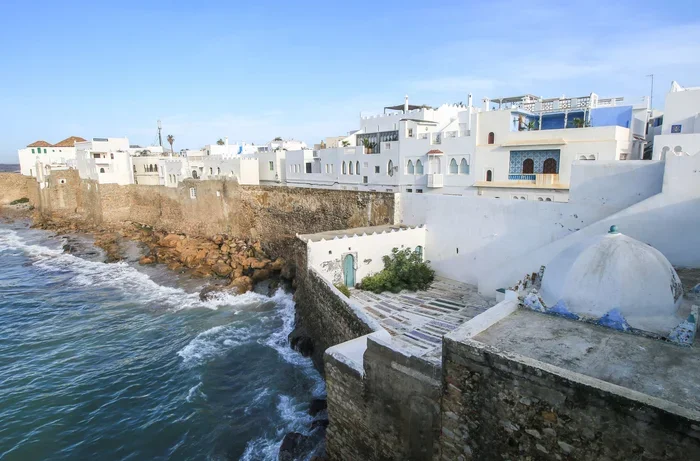
Featured image for Tangier Asilah Morocco coastal town
Image source: tripsavvy.com
A 7-day excursion from Tangier to Asilah offers the perfect blend of coastal beauty, rich history, and authentic Moroccan culture along Morocco’s stunning northern Atlantic coast. This comprehensive journey takes travelers through charming blue-washed streets, pristine beaches, ancient medinas, and vibrant art scenes that define this often-overlooked region. From Tangier’s bustling port to Asilah’s peaceful ramparts, this guide covers everything you need to plan an unforgettable week-long adventure.
Imagine waking up to the sound of Atlantic waves, spending your mornings exploring ancient medinas painted in brilliant blues and whites, and your afternoons sampling incredible seafood while watching the sun set over historic ramparts. This isn’t a dream—it’s exactly what awaits you on a 7-day excursion from Tangier to Asilah, one of Morocco’s most underrated travel experiences.
Most travelers rush through northern Morocco in a day or two, treating Tangier as a mere port of entry before heading south to more famous destinations. But those who take the time to explore this stunning coastal corridor discover something special: a region where centuries of cultural fusion have created a unique atmosphere you won’t find anywhere else in Morocco. From the international flair of Tangier to the artistic soul of Asilah, this journey reveals a side of Morocco that surprises even seasoned travelers.
Did you know that Tangier sits just 14 kilometers (about 9 miles) from Spain across the Strait of Gibraltar? This proximity has made it a crossroads of cultures for over 2,500 years, creating a fascinating blend of African, European, and Arab influences. Combined with Asilah’s reputation as Morocco’s “art capital,” this 7-day route offers an adventure that engages every sense and creates memories that last a lifetime.
Key Takeaways
- Perfect Duration: Seven days provides the ideal timeframe to explore the Tangier-Asilah corridor without rushing, allowing 2-3 days per major destination plus travel days.
- Cultural Immersion: The route features UNESCO World Heritage sites, traditional Moroccan medinas, and the famous art murals of Asilah that attract international artists.
- Coastal Paradise: The Atlantic coastline between these cities offers some of Morocco’s most beautiful beaches, hidden caves, and dramatic cliffs perfect for photography.
- Budget-Friendly: Compared to Marrakech or Fes, this northern region offers excellent value with mid-range accommodations ranging from $40-100 per night.
- Year-Round Destination: While spring and fall offer the best weather, each season provides unique experiences from summer beach activities to winter cultural festivals.
- Easy Access: Tangier’s international airport and high-speed rail connections make this excursion accessible from major European cities in just a few hours.
- Culinary Journey: The region specializes in fresh seafood, traditional tagines, and the famous Moroccan mint tea culture found in every coastal town.
📑 Table of Contents
- Why Choose a 7-Day Excursion from Tangier to Asilah?
- When to Embark on Your Journey
- Where You’ll Stay: Accommodation Along the Route
- What to Do: A Sample 7-Day Itinerary
- How to Make the Most of Your Journey
- Frequently Asked Questions About the Tangier-Asilah Excursion
- Final Thoughts on Your Tangier-Asilah Adventure
Why Choose a 7-Day Excursion from Tangier to Asilah?
You might wonder why seven days is the magic number for this particular journey. The answer lies in the perfect balance it strikes between thorough exploration and practical travel pacing. Less than a week, and you’ll feel rushed, constantly checking your watch and wishing you had more time. More than a week, and you might find yourself running out of new experiences. Seven days gives you the sweet spot where you can truly absorb each destination without travel fatigue setting in.
Think of it like reading a great novel—sure, you could speed-read it in two days, but you’d miss the subtle character development and beautiful prose that makes it special. A 7-day excursion from Tangier to Asilah is the leisurely read that lets you savor every chapter of Morocco’s northern coast.
The Cultural Significance
The Tangier-Asilah route traces through one of Morocco’s most historically significant corridors. Tangier itself served as an international zone administered by eight different countries from 1923 to 1956, creating a cosmopolitan atmosphere unique in North Africa. Asilah, meanwhile, has been a cultural capital since the 1970s, when artists began painting murals on its ancient walls during the annual International Cultural Festival.
According to Morocco’s Ministry of Tourism, the northern region receives approximately 15% of Morocco’s total tourist arrivals, a number that has grown steadily each year. Yet the area remains far less crowded than Marrakech or the Sahara routes, meaning you’ll often have historic sites practically to yourself, especially if you visit during shoulder seasons.
Who Is This Trip For?
This excursion appeals to a remarkably diverse range of travelers. History enthusiasts will love exploring Phoenician ruins, Roman archaeological sites, and medieval fortifications. Beach lovers will find pristine Atlantic coastline with consistent surf and warm summer swimming conditions. Foodies will delight in some of Morocco’s freshest seafood and most authentic cooking. Artists and photographers will be drawn to the colorful medinas and stunning light that has inspired creators for generations.
Families appreciate the manageable distances and variety of activities, while solo travelers find the region safe and welcoming. Couples often choose this route for romantic getaways, particularly given the stunning sunset views from Asilah’s famous ramparts overlooking the Atlantic.
When to Embark on Your Journey
Timing can make or break your experience on any trip, and the Tangier-Asilah route is no exception. Each season offers distinct advantages, and understanding what to expect helps you plan accordingly.
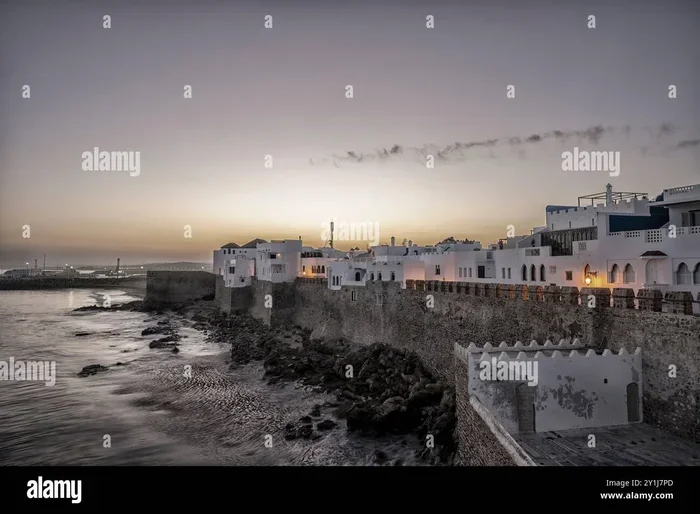
Visual guide about Tangier Asilah Morocco coastal town
Image source: c8.alamy.com
Spring: The Sweet Spot (April-May)
Spring is widely considered the ideal time for this excursion, and for good reason. Temperatures hover around a pleasant 20-25°C (68-77°F), wildflowers bloom across the countryside, and the Atlantic waters begin warming up for beach activities. The famous Asilah International Cultural Festival typically takes place in July or August, but planning your trip in late spring lets you avoid the peak crowds while still enjoying pleasant weather.
Spring also brings fewer tourists to major attractions, meaning you’ll have more authentic interactions with locals and better rates on accommodations. Many hotels offer 20-30% discounts compared to summer peak rates, making it both a more enjoyable and economical time to travel.
Summer: Beach Season (June-August)
Summer transforms the coast into a beach paradise, with water temperatures reaching 21-23°C (70-73°F)—perfect for swimming, surfing, and sunbathing. However, temperatures inland can climb to 30-35°C (86-95°F), and popular beaches get crowded, especially on Moroccan holidays and weekends.
If you travel in summer, plan outdoor activities for mornings and late afternoons, using midday for leisurely lunches in air-conditioned restaurants or relaxing in your hotel. Booking accommodations well in advance becomes essential during this season, particularly in Asilah where options are more limited.
Fall: The Local’s Choice (September-October)
Many experienced Moroccan travelers actually prefer fall, and once you experience it, you’ll understand. September and October bring cooling temperatures, warm seas (often warmer than spring), and the return of locals after summer vacations. The light during these months is particularly beautiful, with a golden quality that photographers absolutely love.
Fall also coincides with the argan harvest season in nearby regions, and you might have opportunities to visit traditional cooperatives and see how this “liquid gold” of Morocco is produced. While some summer festivals have ended, fall brings its own cultural events, including traditional music performances and food celebrations.
Winter: Quiet Beauty (November-March)
Winter shouldn’t be dismissed for this route. While swimming might be too cold for most (water temperatures drop to 16-18°C or 61-64°F), winter offers a peaceful, contemplative version of northern Morocco. Temperatures remain mild at 15-18°C (59-64°F), and you can enjoy indoor attractions like museums, hammams, and cooking classes without the summer crowds.
Accommodation prices hit their annual lows, and you’ll have some sites almost entirely to yourself. The dramatic Atlantic winter storms create spectacular wave-watching opportunities, and the clear winter skies often provide the best stargazing of the year. Just pack layers and a waterproof jacket!
Where You’ll Stay: Accommodation Along the Route
Finding the right places to stay can transform a good trip into a great one. The Tangier-Asilah route offers a delightful mix of accommodation styles, from luxury international hotels to intimate family-run riads that provide genuine Moroccan hospitality.
Tangier: Gateway to Adventure
As your starting point, Tangier offers the widest range of accommodations. The city has invested heavily in tourism infrastructure over the past decade, with the opening of the high-speed TGV rail line connecting it to Casablanca and the development of the new Tangier City Center.
For luxury seekers, properties such as the Fairmont Tazi Palace or Hilton Tangier offer international standards with Moroccan design elements. Mid-range travelers will find excellent boutique hotels in the medina, many occupying beautifully restored 19th-century buildings. Budget-conscious explorers can choose from numerous clean, welcoming hostels and small guesthouses, particularly in the older parts of the city.
Where you stay in Tangier matters strategically. The medina offers maximum immersion and walking access to most attractions, but it comes with steep streets and limited car access. The ville nouvelle (new city) provides easier transportation access and modern conveniences but feels more European and less distinctly Moroccan.
Asilah: Coastal Tranquility
Asilah’s accommodation options are more limited but often more memorable. The town has resisted large-scale development, preserving its small-town charm. Most accommodations cluster around the medina or along the beach road, with several converted riads offering authentic experiences.
Notable options include small boutique hotels housed in restored merchant houses, family-run guesthouses where breakfast features homemade bread and local honey, and a handful of seaside resorts that cater primarily to Moroccan vacationers. Prices here tend to be slightly lower than Tangier, though quality remains high.
Stops Along the Way
If you choose to spend nights at intermediate stops, options multiply. Cap Spartel offers dramatic lighthouse views, while small coastal towns like Fnideq and M’diq provide beach-focused accommodations. The Spanish-influenced enclave of Ceuta, accessible by border crossing, offers a fascinating cultural detour if you have proper documentation.
What to Do: A Sample 7-Day Itinerary
While flexibility is one of travel’s greatest joys, having a framework helps ensure you don’t miss essential experiences. Here’s a proven itinerary that balances structured sightseeing with free time for spontaneous discovery.
Days 1-2: Discovering Tangier
Begin your journey with two full days in Tangier. Start at the Kasbah, the city’s historic citadel overlooking the Strait of Gibraltar. The Kasbah Museum, housed in the former Sultan’s palace, provides context for everything you’ll see throughout your trip. From there, wander through the medina, where narrow alleys open suddenly onto hidden plazas and artisan workshops.
The next day, explore Tangier’s modern cultural attractions. Visit the American Legation, the only U.S. National Historic Landmark on foreign soil, recognizing the 1821 diplomatic recognition between Morocco and the United States. Then head to the trendy Café Hafa for mint tea with views that have inspired writers from Paul Bowles to William Burroughs. End your day with a sunset walk along the new Corniche, watching ferries depart for Spain.
Days 3-4: Coastal Adventures
Days three and four are perfect for exploring the coast between Tangier and Asilah. Start at Cap Spartel, where the Atlantic Ocean meets the Mediterranean Sea—a geographical experience you can actually see and feel. The nearby Caves of Hercules have been drawing visitors since ancient times, with their distinctive opening resembling a map of Africa.
Spend day four at one of the beautiful beaches along this stretch. Achakkar Beach, just south of Tangier, offers excellent surfing conditions and a relaxed atmosphere. More adventurous travelers can arrange horse-riding excursions along the coast or take surfing lessons—conditions are good for beginners year-round.
Days 5-6: The Artistic Soul of Asilah
Arrive in Asilah with at least two full days to explore. Begin at the famous ramparts, where artists have created murals depicting Moroccan culture, history, and mythology. These aren’t tourist trinkets—many are serious works by internationally recognized artists. The murals change regularly as new ones are painted during the annual festival.
Spend time walking the ramparts themselves, especially at sunset when the light turns the white walls golden. The medina below rewards aimless wandering, with small galleries, craft shops, and friendly shopkeepers who actually want conversation rather than aggressive sales tactics.
Day six should include time at Asilah’s beach, one of Morocco’s cleanest and most beautiful. The long, sandy stretch is perfect for morning walks, afternoon swimming, and evening relaxation at the beachfront cafes.
Day 7: Return and Reflection
Your final day allows for a leisurely morning in the medina, perhaps visiting the Ethnographic Museum or the small but well-curated art galleries. Have a long lunch at a seafood restaurant on the port, watching fishing boats return with their catch. Then make the easy 50-minute journey back to Tangier for your departure.
How to Make the Most of Your Journey
Having the right approach can transform a good trip into a life-changing experience. Here are practical tips drawn from years of traveler feedback and local insights.
Transportation Tips
Getting around the Tangier-Asilah region is refreshingly straightforward. The high-speed TGV connects Tangier to other major Moroccan cities, but for this route, you’ll primarily use local transportation. Grand taxis (shared taxis that take up to six people) run regularly between Tangier and Asilah, costing around 50-70 dirhams (approximately $5-7) per seat. For more flexibility, consider hiring a private driver for the day, which costs roughly 400-600 dirhams ($40-60) including fuel and waiting time.
Rental cars are available in Tangier and offer maximum independence, though be prepared for aggressive driving styles and limited parking in medinas. If you drive, download offline maps as cell coverage can be spotty in coastal areas.
Money-Saving Strategies
This region offers excellent value compared to Morocco’s more touristy destinations. Eat lunch at small local restaurants frequented by workers rather than tourist-oriented establishments—the food is often better and half the price. Visit markets in the morning when prices are fresh and bargaining is most effective.
Many attractions cost very little or are completely free. Walking the medinas, exploring beaches, and watching street performers costs nothing but time. When you do pay for guided tours, book through your riad or hotel rather than tourist offices, which often add significant commissions.
What to Pack
Packing smart makes this trip more enjoyable. Bring layers even in summer—coastal evenings can be surprisingly cool. Comfortable walking shoes are essential; the medinas feature cobblestones, uneven steps, and steep climbs. A light scarf or shawl serves multiple purposes: sun protection, warmth, and respectful coverage when entering religious sites.
Don’t forget a good camera with extra batteries, sunscreen, a reusable water bottle, and a small daypack for excursions. If you visit mosques, modest clothing covering shoulders and knees shows respect and may be necessary for entry.
Cultural Etiquette
Understanding a few cultural norms enhances your experience and shows respect for your hosts. Greetings matter in Moroccan culture—take time to say hello, ask about health, and exchange pleasantries before diving into business. Learning a few Arabic or French words delights locals and opens doors to more authentic interactions.
Photography requires sensitivity. Always ask permission before photographing people, and respect signs prohibiting photos at certain sites. During the holy month of Ramadan, be especially mindful of eating, drinking, or smoking in public during daylight hours.
Frequently Asked Questions About the Tangier-Asilah Excursion
Planning any trip generates questions, and the Tangier-Asilah route is no exception. Here are detailed answers to the most common queries that travelers have before embarking on this adventure.
What is the best time of year for a 7-day excursion from Tangier to Asilah?
The ideal time is April through June and September through October, when temperatures are mild (20-25°C), crowds are smaller, and prices are lower than peak summer season. Spring offers blooming landscapes and excellent hiking conditions, while fall provides warm seas and beautiful golden light perfect for photography.
How much does a 7-day excursion from Tangier to Asilah typically cost?
Budget travelers can manage on $50-70 per day including accommodations, meals, and transportation. Mid-range travelers typically spend $100-150 daily, and luxury experiences range from $200-400 per day. The northern coast generally offers better value than Morocco’s more famous tourist destinations, with comparable quality at lower prices.
Is it safe to travel between Tangier and Asilah?
Yes, this route is considered very safe for tourists. Both cities have visible police presence, well-maintained tourist infrastructure, and welcoming local populations. Normal precautions apply—watch for pickpockets in crowded medinas, use reputable taxi services, and keep valuables secure—but violent crime against tourists is extremely rare.
Do I need a visa for Morocco?
Citizens of most Western countries, including the United States, Canada, the European Union, United Kingdom, and Australia, can enter Morocco visa-free for stays up to 90 days. Your passport should be valid for at least six months beyond your entry date. Check specific requirements based on your nationality before traveling.
What language is spoken in Tangier and Asilah?
Arabic is the official language, but French is widely spoken and understood throughout Morocco’s northern region. In Tangier specifically, Spanish is also commonly spoken due to the city’s historical connections and proximity to Spain. English is increasingly spoken in tourist areas, though learning a few basic French or Arabic phrases significantly enhances your experience.
Can I do this excursion with children?
Absolutely! This route works wonderfully for families. The beaches, gentle pace, and variety of activities appeal to children of all ages. Many hotels offer family rooms and pools, and restaurants are generally accommodating. Kids particularly love the Caves of Hercules, beach time, and camel rides available on some beaches.
Final Thoughts on Your Tangier-Asilah Adventure
A 7-day excursion from Tangier to Asilah represents one of Morocco’s most rewarding yet underrated travel experiences. In just one week, you’ll journey through ancient medinas, stand where two oceans meet, walk along historic ramparts covered in world-class art, and discover a side of the kingdom rarely seen by casual visitors.
What makes this route truly special isn’t just the destinations themselves—it’s the space it gives you to truly experience a region. Unlike whirlwind tours that leave you exhausted, seven days lets you settle into the rhythm of coastal Morocco. You’ll find your favorite coffee shop, return to that restaurant where the owner remembers your name, and discover the small details that transform tourists into travelers.
The memories you’ll create here will stay with you long after you return home. The brilliant white walls of Asilah glowing at sunset, the call to prayer echoing across Tangier’s rooftops, the taste of fresh grilled fish with sea salt and lemon, the kindness of strangers who become temporary friends—these are the moments that define great journeys.
So pack your bags, bring your curiosity, and prepare for an adventure that reveals Morocco’s northern coast at its finest. Whether you’re a first-time visitor to Morocco or a returning traveler seeking new experiences, the Tangier-Asilah corridor offers a perfect introduction or rediscovery of this fascinating country. Your 7-day Moroccan coastal adventure awaits.