
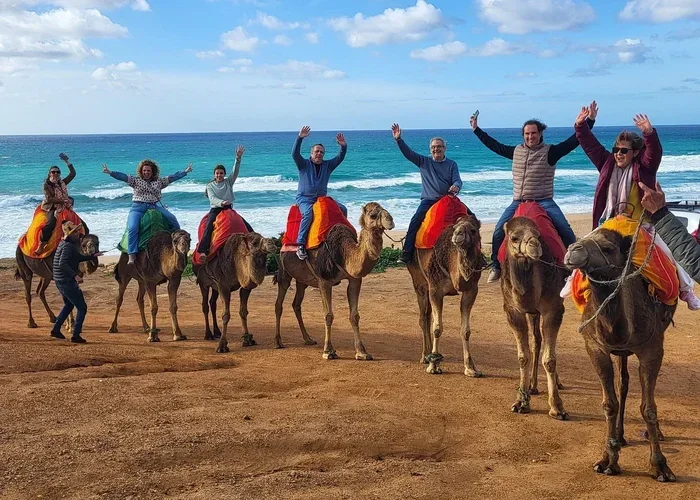
Featured image for Tangier to Asilah coastal tour
Image source: tangier360.com
A tour di 11 giorni da Tangeri a Asilah offers travelers an unforgettable journey through Morocco’s enchanting northern coastline, blending culture, history, and stunning Mediterranean views. This comprehensive 11-day route from Tangier to Asilah takes you through Chefchaouen’s blue streets, the ancient ruins of Volubilis, the imperial city of Fes, and the artistic seaside town of Asilah. Perfect for first-time visitors and seasoned Morocco travelers, this tour balances guided exploration with free time for authentic local experiences.
Key Takeaways
- Route Overview: The 11-day Tangier to Asilah tour covers approximately 800-900 kilometers through northern Morocco’s most scenic and culturally rich destinations.
- Best Travel Season: Spring (March-May) and autumn (September-November) offer ideal weather, with temperatures between 18-25°C perfect for exploring.
- Budget Planning: Expect to spend between €800-1500 per person, including accommodation, transport, meals, and entrance fees for a mid-range experience.
- Cultural Highlights: The tour includes four UNESCO World Heritage sites and encounters with three distinct Berber, Arab, and Andalusian cultural traditions.
- Physical Requirements: The journey involves moderate walking, especially in medinas and archaeological sites, but remains accessible to most fitness levels.
- Culinary Experiences: Travelers will taste over 15 traditional Moroccan dishes, from tagines to fresh seafood, representing the country’s diverse regional cuisines.
- Booking Tip: Reserve tours at least 3-6 months in advance for peak season travel (April-October) to secure best accommodations and guides.
📑 Table of Contents
Why Choose an 11-Day Tour from Tangier to Asilah?
Imagine waking up in a bustling coastal city, then drifting off to sleep eleven days later in a quiet seaside town where artists paint murals on whitewashed walls. That’s exactly what a tour di 11 giorni da Tangeri a Asilah promises, and it’s quickly becoming one of Morocco’s most sought-after travel adventures.
Morocco welcomed over 14.5 million tourists in 2023, according to the Moroccan Ministry of Tourism, with northern routes seeing a 23% increase in popularity. The Tangier-to-Asilah corridor captures the country’s incredible diversity in just under two weeks. You get big-city energy in Tangier, mountain serenity in Chefchaouen, ancient Roman history at Volubilis, medieval magic in Fes, and laid-back coastal vibes in Asilah.
Think of this tour like a great playlist. Each destination is a different song, but together they create one beautiful journey. From the moment your ferry docks at Tangier’s port to your final sunset walk along Asilah’s ramparts, every day brings something new. This isn’t just sightseeing. It’s a story you’ll tell for years.
Who Is This Tour Perfect For?
This 11-day adventure works wonderfully for several types of travelers:
- First-time Morocco visitors who want a comprehensive introduction without feeling rushed
- Couples seeking a romantic getaway with a mix of adventure and relaxation
- Solo travelers wanting safety, structure, and social connections
- Small groups of friends looking for shared experiences and Instagram-worthy moments
- Culture enthusiasts eager to dive deep into Moroccan history and traditions
- Photography lovers chasing diverse landscapes from mountains to coastlines
Whether you’re 25 or 75, this tour adapts to your pace. Most days include 2-4 hours of guided activities, leaving plenty of free time for personal exploration.
Your Complete 11-Day Itinerary Breakdown
Let’s walk through your journey day by day, so you know exactly what awaits. Each day builds on the previous one, creating a natural flow from arrival to departure.
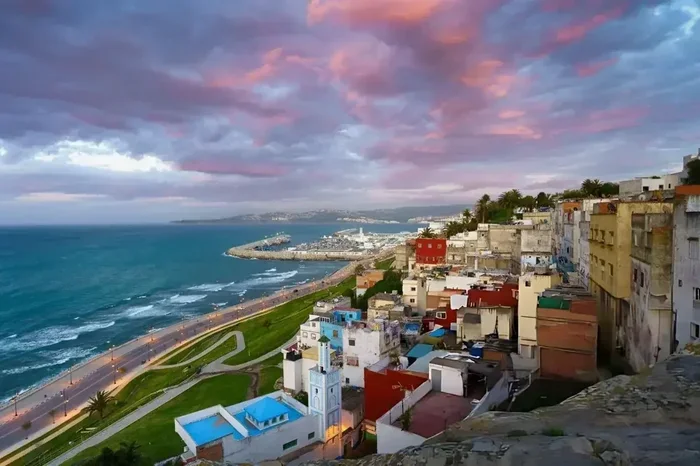
Visual guide about Tangier to Asilah coastal tour
Image source: travelmorocco.co
Day 1-2: Arrival and Tangier Exploration
Your adventure begins in Tangier, Morocco’s gateway between Europe and Africa. The city sits just 14 kilometers across the Strait of Gibraltar from Spain, making it literally the crossroads of two continents.
Did You Know? Tangier was an international zone governed by eight nations from 1923 to 1956. This unique history created a fascinating cultural blend you can still see today in the architecture, cuisine, and even the local accent.
Day one is typically reserved for arrival and settling in. After checking into your riad (traditional Moroccan house hotel), you’ll enjoy a welcome dinner featuring classic dishes like:
- Harcma – a tangy cooked salad with tomatoes, peppers, and preserved lemons
- Bissara – a hearty split pea soup, perfect after traveling
- Fresh seafood – Tangier is famous for sardines, sea bream, and octopus
Day two dives deeper into Tangier. You’ll visit the Kasbah, the old fortress overlooking the Strait, where the Sultanate Palace features stunning Andalusian gardens. The American Legation, recognized as a US National Historic Landmark, tells the story of diplomatic relations dating back to 1821. Then explore the Grand Socco market square, where locals have shopped for over a century.
Day 3-4: Chefchaouen, the Blue Pearl
Day three takes you inland, climbing into the Rif Mountains. After a scenic 2.5-hour drive through terraced farmland and cedar forests, you arrive in Chefchaouen, the famous “Blue City.”
Did You Know? Chefchaouen was painted blue in 1492 by Jewish refugees fleeing the Spanish Inquisition. The color symbolizes the sky and heaven in Jewish tradition. Today, the city hosts around 200,000 visitors annually who come specifically to photograph these dreamy blue streets.
The medina here feels completely different from Tangier. Narrow lanes wind through whitewashed buildings, all painted in various shades of blue, from pale powder to deep cobalt. It’s like walking through a watercolor painting. You’ll spend two full days here, which is perfect because Chefchaouen rewards slow exploration.
Highlights include:
- Visiting the Spanish Mosque for sunset views over the city
- Hiking to the Ras El Maa waterfall where locals wash laundry
- Shopping for handwoven blankets and goat cheese (Chefchaouen is famous for both)
- Tasting mandarine wine, a local specialty made from the region’s abundant mandarin orchards
Day 5: Volubilis and Meknes
Day five is history day. You’ll leave the mountains and drive about 4 hours south toward the Roman ruins of Volubilis, passing through fertile plains and olive groves along the way.
Volubilis is Morocco’s best-preserved Roman archaeological site, and it’s genuinely impressive. The site covers 40 acres and features:
- The Capitoline Temple – dedicated to Jupiter, Juno, and Minerva
- The Basilica – where Roman justice was administered
- The Arch of Caracalla – a stunning triumphal arch from 217 AD
- Beautiful mosaics depicting mythological scenes and daily life
Did You Know? Volubilis was once home to 20,000 Romans and remained inhabited for over 1,000 years. It wasn’t abandoned until the 18th century, making it one of the longest-occupied ancient cities in North Africa. UNESCO recognized it as a World Heritage Site in 1997.
In the afternoon, you’ll visit nearby Meknes, one of Morocco’s four imperial cities. The Heri es-Swani (the old granary) and the stunning Bab Mansour gate (considered one of the most beautiful in North Africa) are must-see attractions. Unlike busier Marrakech or Fes, Meknes offers a more relaxed imperial experience.
Day 6-7: Fes, the Cultural Capital
Days six and seven plunge you into Fes (or Fez), Morocco’s oldest imperial city and spiritual heart. Founded in 789 AD, Fes predates Marrakech by over 400 years.
Fes el-Bali, the old medina, is a labyrinth of over 9,000 alleys housing 200+ mosques, 60+ fountains, and countless souks. Getting lost here is part of the experience. Your guide will lead you through the chaos, pointing out hidden gems and explaining the city’s layered history.
Key experiences in Fes include:
- Al-Qarawiyyin University – founded in 859 AD, it’s the world’s oldest continuously operating university
- The Chouara Tannery – watch leather being processed using methods unchanged for 1,000 years
- Al-Attarine Madrasa – a stunning 14th-century theological school
- The Nejjarine Museum – housed in a beautifully restored fondouk (caravanserai)
Did You Know? The Al-Qarawiyyin University library recently underwent a restoration revealing ancient manuscripts from the 9th century. Researchers discovered texts on mathematics, astronomy, and medicine that predate similar European works by centuries.
You’ll also experience Fes’s famous cuisine. Don’t miss trying pastilla, a sweet-and-savory pigeon pie, and rfissa, a traditional dish of slow-cooked chicken over lentils and flatbread. The food tour on day seven is consistently rated as a highlight by past travelers.
Day 8-9: Rabat and the Atlantic Coast
Day eight takes you west toward the Atlantic Ocean, with a stop in Rabat, Morocco’s elegant capital. Rabat often gets overlooked, but it’s actually a UNESCO World Heritage Site and offers a refreshing change of pace after Fes’s intensity.
In Rabat, you’ll explore:
- The Hassan Tower – an incomplete 12th-century minaret that would have been the world’s tallest structure
- The Mohammed V Mausoleum – the resting place of Morocco’s modern kings
- The Kasbah of the Udayas – a peaceful blue-and-white fortress district
- The Chellah Necropolis – Roman ruins topped by medieval Islamic structures
By day nine, you’ll reach the Atlantic coast. Depending on your tour operator, you might stop at the picturesque seaside town of El Jadida (formerly Mazagan), with its Portuguese-influenced architecture and underground cistern, or head directly north toward Asilah via Larache.
Day 10-11: Asilah, the Artistic Finale
The final two days belong to Asilah, your journey’s peaceful conclusion. This small coastal town (population around 30,000) packs enormous charm into its compact medina.
Asilah’s claim to fame is its International Cultural Festival, held every August when artists from over 20 countries paint murals on the whitewashed walls. These murals remain year-round, creating an open-air gallery throughout the medina. Walking here feels like strolling through a permanent art exhibition.
The town’s 15th-century Portuguese ramparts offer the perfect sunset walk. Built by the Portuguese when they controlled this stretch of coast, these walls protected against both sea attacks and inland raids. Today, they’re purely for pleasure.
Your final day includes:
- A relaxed morning exploring Asilah’s artisan shops and galleries
- Fresh seafood lunch at a beachfront restaurant
- Free time for swimming or beachcombing along the Atlantic
- A farewell dinner featuring Moroccan specialties like tagine and couscous
- Optional horseback riding or camel rides along the beach at sunset
Most travelers describe Asilah as the ideal ending. After ten days of intense exploration, this sleepy coastal town provides the perfect place to process everything you’ve experienced.
What Makes This Route Special?
You might wonder: why this specific route? Why these particular cities? Let’s explore what makes the Tangier-to-Asilah journey uniquely compelling.
A Perfect Geographic Arc
The route traces a beautiful arc through northern Morocco. You start on the Mediterranean coast (Tangier), climb into the Rif Mountains (Chefchaouen), descend to Roman plains (Volubilis), reach the cultural heartland (Fes), then turn westward to the Atlantic (Rabat, Asilah). This geographic variety ensures your scenery changes almost daily.
It’s like reading a novel with different settings for each chapter. The mountains, plains, cities, and coastlines keep your mind fresh and engaged.
Balance of Activity and Relaxation
A well-designed 11-day tour balances energetic exploration with genuine rest. You won’t be rushing from dawn until midnight. Most days follow this rhythm:
- Morning (8:00-12:00): Main guided activity or travel to next destination
- Afternoon (12:00-17:00): Lunch break, optional activities, or independent exploration
- Evening (17:00-22:00): Cultural experiences, dinner, and free time
Authentic Cultural Encounters
Beyond the monuments, this route offers genuine human connections. You’ll share tea with Berber families, learn to bake bread in a village oven, and hear stories from guides who grew up in these cities. These moments often become the most memorable parts of the journey.
Practical Tips for Your 11-Day Adventure
Let’s talk logistics. A little preparation goes a long way toward ensuring smooth travels.
What to Pack
Pack light but smart. You’ll be moving between cities every few days, so a medium-sized suitcase or backpack works best. Essential items include:
- Modest clothing covering shoulders and knees (especially for religious sites)
- Comfortable walking shoes with good grip for uneven medina streets
- A light jacket or sweater for cool evenings, even in summer
- Sunscreen and a hat for the strong North African sun
- A scarf or shawl (women) for entering mosques and windy beach walks
- Universal power adapter (Morocco uses Type C and E plugs)
- Reusable water bottle to stay hydrated
- Basic first-aid items including motion sickness medication for winding mountain roads
Budget Considerations
Your tour price typically includes accommodation, transport, guide services, and breakfast. You’ll need extra budget for:
- Lunches and dinners (€10-25 per meal in mid-range restaurants)
- Entrance fees to certain monuments (usually €3-7 each)
- Shopping and souvenirs (handicrafts, spices, textiles)
- Tips for guides and drivers (around €5-10 per day combined)
- Optional activities like cooking classes or hammam visits
Health and Safety
Morocco is generally very safe for tourists. The Moroccan government reported that tourism crime rates dropped 15% in 2023. That said, common sense applies:
- Drink bottled or filtered water (provided by most tour operators)
- Carry hand sanitizer and wet wipes
- Keep valuables secure in crowded medinas
- Purchase travel insurance covering medical evacuation
- Check vaccination requirements with your doctor before travel
Language Tips
While Arabic and Berber are Morocco’s official languages, French is widely spoken in northern cities. English is increasingly common in tourist areas. Learning a few basic phrases enhances your experience:
- Salam alaikum – Peace be upon you (hello)
- Shukran – Thank you
- La, shukran – No, thank you (for persistent vendors)
- Bslama – Goodbye
Choosing the Right Tour Operator
Your experience largely depends on choosing the right company. Here’s what to look for:
Group Size Matters
Smaller groups (6-12 people) offer more flexibility and personal attention. Larger groups (15+) can feel rushed at popular sites. Ask about maximum group size before booking.
Guide Quality
Licensed, English-speaking guides with local knowledge transform a good tour into a great one. Look for companies that employ certified guides with several years of experience.
Accommodation Standards
Most tours offer three accommodation tiers: budget (3-star hotels), mid-range (4-star hotels and riads), and luxury (5-star properties and premium riads). Your choice significantly impacts your experience.
Included vs. Optional Activities
Read the fine print carefully. Some tours include all entrance fees and activities, while others offer optional extras. Clarify what’s included before booking to avoid surprises.
Conclusion: Your Adventure Awaits
A tour di 11 giorni da Tangeri a Asilah is more than a vacation. It’s a journey through time, culture, and breathtaking landscapes. In just under two weeks, you’ll experience the soul of northern Morocco, from Mediterranean ports to mountain villages, ancient ruins to artistic seaside towns.
Every day brings new discoveries. You’ll walk through blue-painted alleys, stand where Romans stood 2,000 years ago, get delightfully lost in medieval medinas, and end your journey watching the sun set over the Atlantic. These aren’t just vacation memories. They’re stories you’ll share for decades.
The beauty of this route lies in its thoughtful pacing. Eleven days gives you enough time to truly experience each destination without feeling like you’re rushing through a checklist. You’ll leave feeling like you’ve genuinely connected with Morocco, not just glimpsed it.
Whether you’re drawn by Chefchaouen’s blue streets, Fes’s ancient wisdom, or Asilah’s artistic calm, this tour delivers. The only question is: when will you go?
Pack your curiosity, bring your sense of adventure, and prepare for the trip of a lifetime. Morocco’s northern treasures are waiting to share their secrets with you.
Frequently Asked Questions
What is the best time of year for a tour di 11 giorni da Tangeri a Asilah?
The ideal seasons are spring (March to May) and autumn (September to November), when temperatures range from 18-25°C. These months offer pleasant weather for walking tours and fewer crowds than peak summer season. Winter visits are also possible, though mountain areas like Chefchaouen can be quite cold.
How much does an 11-day Tangier to Asilah tour typically cost?
Mid-range tours usually cost between €800-1500 per person, including accommodation, breakfast, transport, and guide services. Budget tours start around €500, while luxury experiences can exceed €2500. Prices vary based on accommodation standards, group size, and included activities.
Is the 11-day Tangier to Asilah tour suitable for families with children?
Yes, this tour works well for families with children aged 8 and above. The pace is manageable, and children typically love the variety from camel rides to beach time. Some operators offer family-specific itineraries with age-appropriate activities and shorter walking distances at archaeological sites.
What level of physical fitness is required for this tour?
Moderate fitness is helpful but not essential. Days include 2-4 hours of walking, often on uneven surfaces in medinas. If you can comfortably walk for two hours and manage stairs, you’ll enjoy the tour fully. Optional activities like mountain hikes are available but not required.
Do I need a visa for Morocco on this tour?
Citizens of most Western countries, including the EU, USA, Canada, UK, and Australia, don’t need a visa for stays under 90 days. You’ll receive a tourist stamp upon arrival at Tangier airport or port. Always verify current requirements with your local Moroccan embassy before traveling.
Can I customize the 11-day Tangier to Asilah itinerary?
Many tour operators offer customizable options. You can extend stays in favorite cities, add destinations like Essaouira, or include special experiences like cooking classes and desert excursions. Private tours offer maximum flexibility, while group tours may have fixed itineraries with limited modification options.