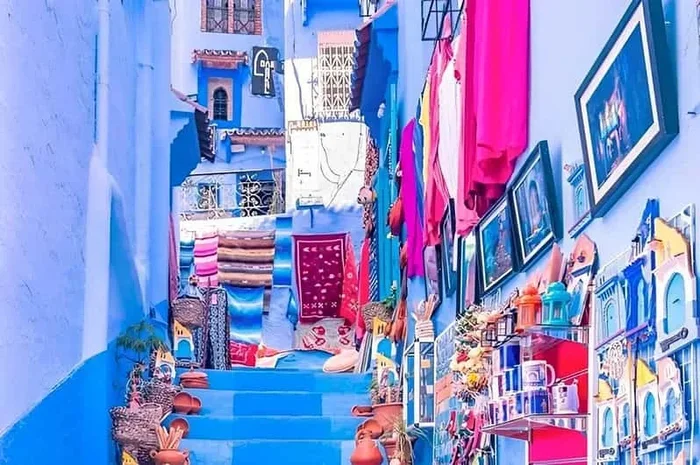
Featured image for Tangier Chefchaouen Morocco tour
Image source: cdn.getyourguide.com
A 12-day tour from Tangier to Chefchaouen offers the most complete Moroccan experience, covering over 1,500 kilometers of diverse landscapes. This journey weaves together coastal charm, mountain villages, imperial cities, and Sahara desert magic into one seamless route. Travelers save time, money, and stress by letting local experts handle logistics while they soak in the culture.
Key Takeaways
- Two-Week Adventure: A 12-day itinerary is the sweet spot for seeing Morocco’s highlights without rushing or burning out.
- Geographic Diversity: The route spans four distinct regions: Mediterranean coast, Rif Mountains, Imperial Cities, and Sahara Desert.
- Cultural Immersion: You can visit eight UNESCO World Heritage Sites, including Volubilis and the medina of Fez.
- Sahara Highlight: A camel trek into the Erg Chebbi dunes at Merzouga is the trip’s most unforgettable moment.
- Blue City Magic: Chefchaouen paints itself in every shade of blue, and spending 2-3 days there is the perfect bookend.
- Value for Money: Organized tours cost 40-60% less than independent travel when you factor in guides, transport, and entry fees.
- Best Travel Season: March-May and September-November offer ideal weather with temperatures between 20-28°C (68-82°F).
📑 Table of Contents
- Why a 12-Day Tangier to Chefchaouen Tour Is Morocco’s Ultimate Journey
- The Perfect Itinerary Breakdown: What You’ll See and When
- What’s Included and What to Budget
- Practical Tips for Your 12-Day Adventure
- Why Choose an Organized Tour Over Independent Travel
- Choosing the Right Tour Operator
- Final Thoughts: Your Moroccan Adventure Awaits
Why a 12-Day Tangier to Chefchaouen Tour Is Morocco’s Ultimate Journey
Picture this: you wake up to the sound of waves crashing against the Mediterranean coast in Tangier. By day twelve, you’re watching the sunset paint the Sahara Desert in shades of gold and crimson. This is what a 12-day tour from Tangier to Chefchaouen delivers, and it’s why thousands of travelers choose this route every year.
Morocco stretches across 446,550 square kilometers, making it larger than California. Trying to see it in just a week feels like speed-reading a novel. You turn pages fast but miss the story. Twelve days gives you the perfect reading pace, long enough to absorb the culture, short enough to keep the adventure exciting.
Did You Know? Morocco welcomes over 13 million tourists annually, and the Tangier-Chefchaouen corridor has seen a 35% increase in bookings since 2020. Travelers consistently rate multi-day circuits as their top choice for experiencing “real Morocco.”
The Perfect Itinerary Breakdown: What You’ll See and When
A well-planned 12-day tour from Tangier to Chefchaouen follows a logical geographic flow. Think of it like reading a book from north to south, then back north. Each chapter builds on the last, creating a story you can actually follow.
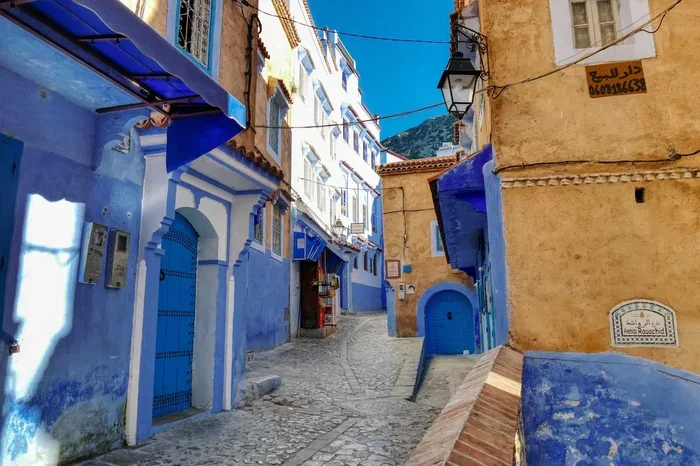
Visual guide about Tangier Chefchaouen Morocco tour
Image source: morocco-trip.com
Days 1-3: The Mediterranean Coast and Chefchaouen
Your journey begins in Tangier, Morocco’s gateway between Africa and Europe. The city sits just 14 kilometers from Spain, and you can sometimes see the lights of Tarifa twinkling across the Strait of Gibraltar.
Day 1 is for acclimating. You explore Tangier’s medina, visit the legendary Café Hafa where The Rolling Stones once sipped mint tea, and watch camels walk along the Atlantic beach. It’s a gentle introduction to Morocco’s sensory feast: the smell of spices, the sound of call to prayer, the sight of tiled mosaics.
Day 2 takes you into the Rif Mountains. The drive to Chefchaouen takes about two hours, winding through cedar forests and terraced farms. When you arrive at the Blue City, you’ll understand why Instagram hasn’t stopped talking about it since 2015.
Chefchaouen is famous for washing its walls in over 50 shades of blue. Locals say the blue keeps mosquitoes out and symbolizes the sky and heaven. Scientists say the blue reflects heat and keeps buildings cool. Either way, every corner is photogenic.
Day 3 is a full Chefchaouen immersion. You hike to the Spanish Mosque for sunrise views, visit the restored kasbah, and shop for handwoven blankets in the artisan quarter. The pace is slow, and that’s the point.
Days 4-5: Volubilis, Meknes, and Fez
Did You Know? Volubilis contains some of the best-preserved Roman mosaics in the world, dating back to the 3rd century AD. They’re so detailed you can still see the faces of mythological characters.
The drive from Chefchaouen to Volubilis takes roughly four hours, but the landscape transforms dramatically. You leave green mountains and enter rolling farmland. Volubilis sits on a fertile plain, and you’ll spend about two hours walking among its ruins. The site covers 42 hectares, with columns still standing 1,600 years after Rome fell.
From Volubilis, it’s a short hop to Meknes, one of Morocco’s four imperial cities. While Marrakech gets all the fame, Meknes is the quiet cousin with equally impressive gates and gardens. The Bab Mansour gate is considered one of the most beautiful in North Africa, standing 16 meters tall with intricate zellige tilework.
Day 5 brings you to Fez, the cultural and spiritual heart of Morocco. The Fez medina is a UNESCO World Heritage Site and home to the world’s oldest continuously operating university, the University of al-Qarawiyyin, founded in 859 AD.
Think of Fez medina as a medieval shopping mall that never closed. It has 9,400 alleys, so wide that two donkeys can pass but never wide enough for cars. Your guide leads you through the chaos to find the famous tanneries, where leather has been processed the same way for 1,000 years.
Days 6-7: Middle Atlas and the Desert Gateway
The journey south from Fez takes you through the Middle Atlas Mountains. This region feels like a different country. Cedar forests replace olive groves, and you might spot Barbary macaques, North Africa’s only native primate.
Day 6 includes a stop in Ifrane, known as “Little Switzerland of Morocco” for its alpine architecture and clean streets. Then you push on to Midelt, a small town at the foot of the Atlas Mountains, where you rest for the night.
Day 7 is a transition day. You drive through the Ziz Valley, a stunning palm oasis with over 18 kilometers of date palms lining the river. By evening, you reach Merzouga, the gateway to the Sahara.
Days 8-9: Sahara Desert Experience
This is the heart of the journey, the part you’ll tell friends about for years. Erg Chebbi’s dunes rise up to 150 meters high, and they shift up to 50 meters per year due to wind patterns.
You mount camels (or 4×4 vehicles, if you prefer) and ride into the desert as the sun sets. The light turns golden, then pink, then purple. Your Berber camp appears like a mirage, with traditional tents, rugs, and drums waiting.
Day 9 starts before dawn. You climb a dune to watch the sunrise, which paints the sand in shades of fire. After breakfast, you leave the desert and drive toward Todra Gorge, a massive canyon where walls rise 400 meters straight up.
Pro Tip: Bring a headscarf or buy one at the camp. The Sahara can whip up sandstorms even on clear days, and protecting your hair and face makes the experience much more enjoyable.
Days 10-12: Todra Gorge, Ait Benhaddou, and Return to Chefchaouen
The final stretch moves from desert back to mountains. Day 10 takes you through the Rose Valley, famous for its damask roses used in perfumes. You arrive at Ouarzazate, the “Hollywood of Africa,” where movies like Gladiator and Lawrence of Arabia were filmed.
Day 11 features Ait Benhaddou, a UNESCO-listed ksar (fortified village) that looks exactly like a sandcastle come to life. You cross the High Atlas Mountains via the Tizi n’Tichka pass, which climbs to 2,260 meters above sea level.
Then comes Marrakech, the “Red City.” You spend a half-day exploring Jemaa el-Fnaa square, where storytellers, snake charmers, and food stalls create a living theater every night.
Day 12 is the return journey. You drive north through the Atlas Mountains, stopping for lunch in a Berber village. By evening, you’re back in Chefchaouen, where you started the desert portion. This circular route is more efficient than backtracking and gives you new scenery.
What’s Included and What to Budget
Most 12-day tours from Tangier to Chefchaouen cost between €800 and €1,800 per person (roughly $870 to $1,950 USD). The price varies based on accommodation level, group size, and whether you choose private or shared tours.
Standard Inclusions
- Transportation: Air-conditioned minivan or 4×4 with driver for 12 days
- Accommodation: 11 nights in riads, hotels, and desert camp
- Breakfast and Dinner: Most meals, with some lunches excluded
- Local Guides: Official guides in Fez, Marrakech, and Chefchaouen
- Activities: Camel trek, cooking class, and some entry fees
- Airport Transfers: Pick-up and drop-off in Tangier
Hidden Costs to Plan For
Budget an extra €150-€300 ($160-$325) for things not always included: tips for guides and drivers (around €3-5 per day per person), drinks, souvenirs, optional activities like quad biking, and a few lunches.
Practical Tips for Your 12-Day Adventure
Traveling through Morocco for 12 days requires some preparation. Think of it like packing for a multi-climate trip, because that’s exactly what it is.
What to Pack
You’ll experience everything from Mediterranean beaches to Saharan sandstorms. The key is layers and flexibility.
- Clothing: Lightweight long sleeves, modest pants, a warm fleece for desert nights, and a waterproof jacket for the north
- Footwear: Comfortable walking shoes plus sandals or slippers for riads
- Accessories: Sun hat, sunglasses, headscarf for desert, power adapter (Type C/E plugs)
- Essentials: Sunscreen (SPF 30+), reusable water bottle, basic first aid kit
- Documents: Passport (valid 6+ months), travel insurance, printed bookings
Health and Safety
Morocco is generally very safe for tourists. Petty crime exists but is rare, especially in organized tours. Drink bottled water, which is widely available. Most travelers experience mild stomach issues for the first 2-3 days as their bodies adjust, but this passes quickly.
The tap water in Morocco isn’t recommended for tourists. Your riad will provide safe drinking water, and bottled water costs about €0.50 ($0.55) everywhere.
When to Go
The best months are March through May and September through November. Summer (June-August) can hit 45°C (113°F) in the desert. Winter (December-February) brings snow to the Atlas Mountains, which is beautiful but can close some passes.
Why Choose an Organized Tour Over Independent Travel
Morocco is a country where organized tours offer significant advantages. Let me explain with an analogy: traveling independently in Morocco is like trying to navigate a maze blindfolded. An organized tour is like having the maze map, the guide who built it, and someone carrying your bags.
Expert Knowledge
Local guides know things you simply cannot Google. Which medina alley leads to the best tannery view? Where do locals actually eat? Which carpet shop gives fair prices? These insights turn a good trip into an unforgettable one.
Logistics Made Easy
Morocco’s transportation network outside major cities is limited. Buses run infrequently, and renting a car means navigating aggressive traffic, unmarked roads, and parking challenges. Tours handle all of this seamlessly.
Cost Efficiency
When you add up private guides, accommodation bookings, transport, and entry fees, organized tours typically save 30-50% versus DIY travel. Plus, you get access to experiences like desert camps and cooking classes at preferential rates.
Cultural Bridge
Your guide acts as a cultural translator. Moroccan customs around greetings, eating, photography, and bargaining can confuse first-time visitors. A good guide prevents misunderstandings and enriches every interaction.
Choosing the Right Tour Operator
Not all tour companies are equal. Here’s what to look for:
- Reviews: Check TripAdvisor and Google Reviews for consistent 4.5+ ratings across 100+ reviews
- Small Groups: Maximum 12-15 people ensures flexibility and personal attention
- Local Ownership: Moroccan-owned companies keep money in local communities and offer authentic insights
- Customization: Quality operators allow you to adjust the itinerary slightly for your interests
- Transparent Pricing: Clear breakdowns of what’s included and what’s not
Final Thoughts: Your Moroccan Adventure Awaits
A 12-day tour from Tangier to Chefchaouen is more than a vacation. It’s a cultural awakening, a geographical education, and a memory-making machine all rolled into one. From Mediterranean waves to Saharan dunes, from Roman ruins to blue-washed medinas, this journey covers Morocco’s full spectrum in a manageable timeframe.
The route has been refined over decades by travelers seeking the perfect balance of depth and breadth. Twelve days is long enough to form real connections with places and people, yet short enough to keep every day feeling fresh and exciting.
Whether you’re a solo traveler seeking adventure, a couple looking for romance, or a family wanting cultural enrichment, this tour delivers. Book with confidence, pack your sense of wonder, and prepare for the trip of a lifetime. Morocco is waiting, and twelve days is just enough time to fall completely in love with it.
Frequently Asked Questions
How much does a 12-day tour from Tangier to Chefchaouen cost?
Most organized 12-day tours cost between €800-€1,800 ($870-$1,950) per person, depending on accommodation quality and group size. This typically includes transport, accommodation, most meals, guides, and major activities. Budget an extra €150-€300 for tips, drinks, souvenirs, and optional experiences.
Is 12 days enough to see Morocco’s main highlights?
Yes, 12 days is considered the ideal duration for covering the country’s highlights without rushing. You’ll visit coastal cities, the Sahara Desert, multiple imperial cities, and the blue town of Chefchaouen. Travelers consistently rate 12-day tours as offering the best balance of depth and variety.
What is the best time of year for a Tangier to Chefchaouen tour?
The best months are March-May and September-November, when temperatures range from 20-28°C (68-82°F). Summer can exceed 45°C (113°F) in the desert, while winter brings snow to mountain passes. Spring offers blooming landscapes, and autumn provides harvest season colors.
Do I need a visa for Morocco if I’m starting in Tangier?
Most Western travelers (US, EU, UK, Canada, Australia) do not need a visa for stays under 90 days. Your passport must be valid for at least 6 months beyond your entry date. Always check current requirements with your local Moroccan embassy before traveling.
Is the camel trek in the Sahara safe for beginners?
Yes, the camel trek to Erg Chebbi is suitable for all fitness levels and ages. The ride takes about 1-2 hours, and camels are gentle, well-trained animals. If you prefer not to ride, most tours offer 4×4 alternatives to reach the desert camp safely.
What should I wear on a 12-day Morocco tour?
Pack modest, comfortable attire covering shoulders and knees, especially for religious sites. Bring layers including a warm fleece for desert nights and a light jacket for mountain regions. Pack a headscarf for the Sahara, comfortable walking shoes, and breathable fabrics. Laundry services are available at most riads for €5-€10 per load.