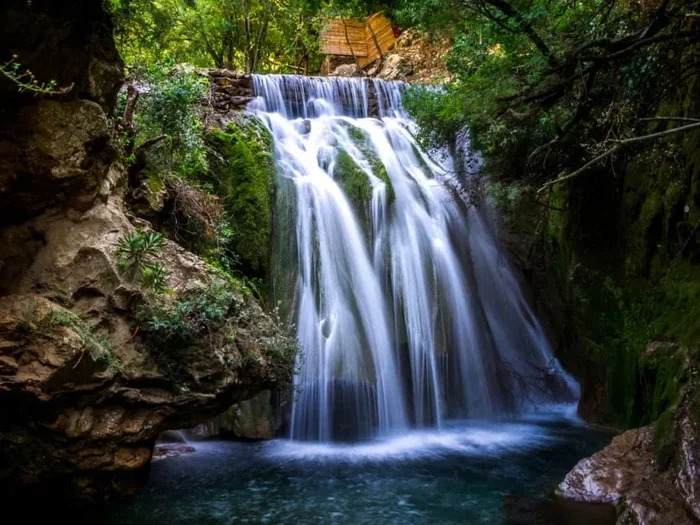
Featured image for Akchour Waterfalls Morocco hiking
Image source: journalofnomads.com
Planning a Tangier to Akchour Waterfalls desert tour? This comprehensive packing list covers everything you need for an unforgettable Moroccan adventure. From hiking essentials and modest swimwear to desert survival gear and tech must-haves, you’ll be ready for waterfalls, mountain trails, and sandy dunes. Pack smart, travel light, and enjoy the journey of a lifetime.
Imagine standing beneath crystal-clear streams tumbling over mossy rocks, then hours later watching golden dunes shift beneath a blazing sunset. A Tangier to Akchour Waterfalls desert tour packs two of Morocco’s most breathtaking landscapes into one epic journey. But here’s the thing: this isn’t a simple beach vacation. You’re going from coastal cities to mountain valleys to arid desert in just a few days. The climate changes. The terrain changes. Even the culture shifts as you travel south.
Did you know that the Akchour Waterfalls sit within the Talassemtane National Park, home to some of the last surviving Atlas cedars on Earth? Or that the Sahara Desert can swing from freezing nights to scorching days within just 12 hours? These wild temperature shifts are exactly why so many travelers show up underprepared. They pack for one climate and end up freezing or sweating through the other.
That’s where this guide comes in. Think of it as your friendly packing coach. We’ll walk through every essential item, explain why you need it, and share insider secrets from experienced Morocco tour guides. By the end, you’ll have a complete checklist that fits in one suitcase. Let’s get you ready for the adventure of a lifetime.
Key Takeaways
- Layering is essential: Temperatures swing dramatically between coastal Tangier, mountain Akchour, and desert zones from cool mornings to hot afternoons.
- Modest clothing matters: Morocco is a Muslim country, so pack respectful attire that covers shoulders and knees, especially in rural areas.
- Waterproof gear is non-negotiable: You’ll get wet at Akchour Waterfalls, so quick-dry clothes and water shoes save the day.
- Sun protection is critical: The Moroccan sun is intense, especially in desert regions, requiring high-SPF sunscreen, hats, and UV sunglasses.
- Pack a basic first-aid kit: Remote areas have limited pharmacies, so bring blister plasters, rehydration salts, and personal medications.
- Tech adapters are needed: Morocco uses Type C and E plugs at 220V, so pack universal adapters and portable chargers for your devices.
- Cash is king in small towns: ATMs are scarce in Akchour, so bring enough Moroccan Dirhams for the entire trip.
📑 Table of Contents
- Understanding Your Tangier to Akchour Waterfalls Desert Tour Route
- Clothing Essentials: The Foundation of Your Packing List
- Toiletries and Personal Care: Staying Fresh on the Road
- Tech Gear and Documentation: Modern Travel Necessities
- Outdoor and Activity Gear: Beyond the Basics
- Packing Strategy and Pro Tips From Experienced Guides
- Conclusion: Your Adventure Awaits
Understanding Your Tangier to Akchour Waterfalls Desert Tour Route
Before we dive into the actual packing list, let’s paint a clear picture of what this tour actually involves. Knowing the route helps you understand why certain items matter more than others.
What This Tour Actually Is
The Tangier to Akchour Waterfalls desert tour is a multi-day adventure that combines three distinct Moroccan ecosystems into one experience. Most tours last 4-7 days, though shorter 3-day versions exist. Here’s the typical flow:
- Day 1-2: Tangier exploration, drive through the Rif Mountains to Chefchaouen
- Day 3-4: Akchour Waterfalls hiking and the God Bridge natural formation
- Day 5-6: Travel south through the Middle Atlas to Merzouga or Zagora desert
- Day 7: Camel trek, overnight in Berber camp, sunrise over dunes
Who This Tour Is Perfect For
This trip attracts a surprisingly wide range of travelers. Adventure enthusiasts love the hiking at Akchour. Photography fanatics go crazy for the blue streets of Chefchaouen and golden desert sunsets. Culture seekers enjoy meeting Berber nomads and exploring medinas. Even families with teens find it manageable, since the activities scale to different fitness levels.
According to the Moroccan National Tourist Office, adventure tourism grew by 32% between 2022 and 2024, with waterfall and desert combo tours ranking among the top three most-booked experiences for international visitors.
Where Exactly You’re Going
Let’s break down the geography. Tangier sits on the Strait of Gibraltar, where the Atlantic Ocean meets the Mediterranean Sea. Akchour lies about 3 hours southeast in the Rif Mountains, near Chefchaouen. The desert portion typically takes you another 8-10 hours south to Erg Chebbi or Erg Chigaga.
Think of it like driving from San Francisco to Yosemite, then continuing to Death Valley, all in one trip. You’re covering wildly different climates in just a few days.
When to Go for the Best Experience
Timing matters enormously. The best months are March-May and September-November. Summer (June-August) brings extreme desert heat, often exceeding 45°C (113°F). Winter (December-February) can mean freezing desert nights and even snow in the mountains. Spring and fall offer comfortable temperatures across all three zones.
Why Packing Properly Makes or Breaks Your Trip
Here’s a hard truth: poor packing can ruin an otherwise perfect trip. Imagine reaching the waterfalls in jeans that won’t dry, then shivering through a desert night without a jacket. Experienced Morocco tour operators report that over 60% of traveler complaints stem from inadequate preparation, not the tour itself.
Clothing Essentials: The Foundation of Your Packing List
Clothing makes up the bulk of any packing list, and for this tour, strategy matters more than quantity. You need fewer clothes than you think, but each piece must work harder.
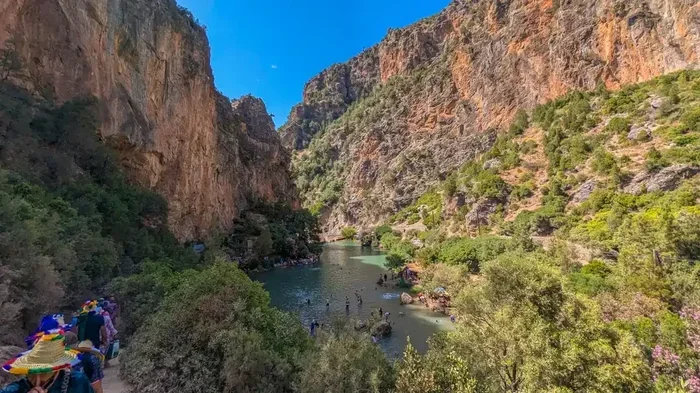
Visual guide about Akchour Waterfalls Morocco hiking
Image source: mementomorocco.com
Modest, Respectful, and Practical Wear
Morocco is a predominantly Muslim country with conservative dress norms, especially in rural areas. But “modest” doesn’t mean “frumpy.” Think breathable fabrics with good coverage.
- Long-sleeved shirts (3-4): Lightweight linen or moisture-wicking athletic shirts protect from sun while keeping you cool. Neutral tones like beige, olive, and navy blend with the landscape and respect local customs.
- Convertible pants (1-2 pairs): Zip-off legs let you switch from pants to shorts quickly. Perfect for cool mornings and hot afternoons.
- Full-length trousers (1 pair): Needed for desert camps, where shorts feel inappropriate. Dark colors hide dust.
- Modest shorts (1 pair): Acceptable for hiking and waterfalls but must cover the knee. Quick-dry material is best.
- Lightweight scarf or shemagh (1-2): Incredibly versatile. Protects from sun, dust, and cold. Also useful for women visiting mosques.
Did you know that the local term “shemagh” refers to the traditional headscarf worn across North Africa? It’s like a Swiss Army knife of clothing, blocking sun, sand, and cold in one simple wrap.
Hiking and Waterfall Specifics
Akchour Waterfalls involves actual hiking, often 2-3 hours round-trip on rocky, sometimes slippery terrain. The trail crosses streams and requires scrambling over wet rocks. Your regular sneakers won’t cut it.
- Sturdy hiking shoes: Waterproof hiking boots with good ankle support are non-negotiable. Break them in before your trip to avoid blisters.
- Water shoes or sport sandals: Essential for the waterfall pools. Choose ones with grippy soles. Tevas or Chacos work perfectly.
- Quick-dry hiking pants or shorts: You’ll get wet. Cotton stays soggy for hours. Synthetic materials dry in minutes.
- Lightweight rain jacket: Spring weather in the Rif Mountains is unpredictable. Even sunny mornings can turn rainy by afternoon.
Desert-Appropriate Layers
The desert confuses first-timers. They imagine constant heat and pack only summer clothes. Then they freeze at night when desert temperatures drop below 10°C (50°F), even in spring.
- Warm fleece or hoodie: Needed for desert nights and early-morning camel treks. Packable designs save space.
- Warm hat or beanie: Your head loses heat fast. A simple wool beanie makes early camel treks comfortable.
- Light gloves (optional): Surprisingly useful for pre-dawn desert excursions when wind chill kicks in.
Undergarments and Sleepwear
Don’t overthink this category, but don’t underestimate it either. Quick-dry underwear is a game-changer when laundry options are limited.
- 7-8 pairs of moisture-wicking underwear
- 2-3 sports bras or supportive bras for women
- 2 pairs of wool or synthetic hiking socks (plus 3-4 regular pairs)
- Lightweight pajamas or sleepwear for desert camp nights
- 1 pair of warm socks specifically for sleeping
Toiletries and Personal Care: Staying Fresh on the Road
Showers aren’t guaranteed every day, especially during desert camping. Smart toiletries keep you comfortable without weighing down your bag.
Sun Protection is Critical
The Moroccan sun is no joke. At Akchour, you’re in the mountains where UV rays intensify. In the desert, there’s no shade and reflective sand doubles the exposure. Sunburn can ruin your trip.
- High-SPF sunscreen (SPF 50+): Bring reef-safe options if possible. Apply generously and often.
- Lip balm with SPF: Lips burn easily and crack painfully in dry desert air.
- UV-protective sunglasses: Polarized lenses reduce glare from sand and water. A neck strap prevents loss.
- Wide-brimmed hat or cap: Shields face, ears, and neck. Packable sun hats save luggage space.
- Aloe vera gel: Soothes inevitable sunburns. The after-sun burn relief is real.
Did you know that sunburn can occur in as little as 15 minutes in the Sahara during summer? Even in winter, the desert sun causes serious damage due to the dry air and reflective sand.
Basic Hygiene Kit
Pack travel-sized items in a clear, TSA-compliant bag for easy airport screening.
- Toothbrush and toothpaste
- Deodorant
- Shampoo and soap (biodegradable options preferred)
- Razor and shaving cream
- Hairbrush or comb
- Feminine hygiene products
- Toilet paper and wet wipes (essential for desert camping)
- Hand sanitizer
First-Aid Must-Haves
Pharmacies exist in cities but become rare in remote areas. A basic first-aid kit handles 90% of travel issues.
- Blister plasters: Migrations (Comic) and hiking cause blisters. Band-Aid hydrocolloid patches work wonders.
- Pain relievers: Ibuprofen or acetaminophen for headaches, muscle aches, and fever.
- Anti-diarrheal medication: Traveler’s stomach is real. Imodium saves vacation days.
- Rehydration salts: Critical for desert heat and stomach bugs. Powdered versions pack small.
- Antihistamines: For allergic reactions to new foods, plants, or insect bites.
- Bandages and antiseptic: Basic wound care for minor cuts from hiking.
- Personal medications: Bring twice what you need, split between bags in case one gets lost.
Tech Gear and Documentation: Modern Travel Necessities
Your phone doubles as camera, map, translator, and emergency contact. Keeping it powered and protected matters more than ever on this trip.
Power and Charging Solutions
Morocco uses Type C and Type E plugs at 220V and 50Hz. North American travelers need adapters, while Europeans can usually skip them.
- Universal travel adapter: One that works in Morocco and any stopover countries. Quality matters, cheap ones fail.
- Portable power bank: 10,000-20,000 mAh capacity charges phones 3-5 times. Essential for desert camping with no outlets.
- Multi-port USB charger: Charges phone, camera, and power bank simultaneously in hotel rooms.
- Extra charging cables: Bring spares. Cables fail mysteriously on trips.
Documentation and Money
Your documents are your lifeline. Losing them in a foreign country creates nightmares.
- Passport: Must be valid for 6+ months beyond your travel dates. Bring 2 photocopies stored separately.
- Travel insurance documents: Medical emergencies abroad are expensive. Insurance is non-negotiable.
- Tour booking confirmations: Print and digital copies of all reservations.
- Emergency contact list: Physical copy with family, embassy, and insurance numbers.
- Credit cards (2 different ones): Visa and Mastercard work best. Notify banks of travel to avoid fraud flags.
- Moroccan Dirhams in cash: Bring 2,000-3,000 MAD minimum for tips, small purchases, and rural areas. ATMs are scarce in Akchour and desert camps.
Optional But Useful Tech
- Smartphone with offline maps downloaded (Maps.me works without internet)
- Camera with extra memory cards and batteries
- Compact tripod for desert night photography
- Bluetooth tracker (AirTag or Tile) for luggage and important items
- E-reader for downtime
Outdoor and Activity Gear: Beyond the Basics
Some items don’t fit standard categories but prove invaluable on this specific tour.
Waterfall Day Bag Essentials
You’ll want a small daypack separate from your main luggage for the Akchour hike.
- Lightweight daypack (20-30L): Holds water, snacks, camera, and extra layers. Doesn’t need to be fancy.
- Reusable water bottle (1-2L): Stay hydrated. The hike is more strenuous than it looks.
- Waterproof dry bag: Protects phone, wallet, and camera during stream crossings. A simple plastic bag works in a pinch.
- Energy snacks: Trail mix, protein bars, and dried fruit fuel the hike. Local markets sell cheap options.
- Microfiber towel: Dries fast and packs small. Perfect after waterfall swims.
Desert Camping Specifics
Overnight desert camps provide tents and basic bedding, but a few extras dramatically improve comfort.
- Headlamp: Essential for nighttime bathroom trips in the desert. Phones die quickly when used as flashlights.
- Sleeping bag liner: Adds warmth in cold desert nights. Silk liners pack tiny and feel luxurious.
- Earplugs: Wind, snoring, and animal sounds are real. Quality sleep matters.
- Inflatable travel pillow: Makes any sleeping situation more comfortable. Worth every gram.
- Wet wipes and hand sanitizer: Showers aren’t always available at remote camps.
Comfort and Health Boosters
- Travel pillow: Long drives between locations become bearable with proper neck support.
- Compression socks: Prevent leg swelling during long drives and improve circulation.
- Motion sickness medication: Mountain roads are winding. Dramamine helps sensitive travelers.
- Insect repellent: Mosquitoes appear near water sources, especially at Akchour. DEET-based options work best.
- Tissues and toilet paper: Bathrooms in remote areas often lack supplies. Carry your own.
Packing Strategy and Pro Tips From Experienced Guides
Knowing what to pack is half the battle. Knowing how to pack makes everything smoother.
The Capsule Wardrobe Approach
Experienced Morocco tour guides recommend the “5-4-3-2-1” rule for this specific trip:
- 5 tops (mix of short and long sleeves)
- 4 bottoms (pants, shorts, leggings, swimsuit)
- 3 pairs of shoes (hiking boots, water shoes, casual sneakers)
- 2 jackets (rain and warm layer)
- 1 accessory that does triple duty (like that versatile shemagh)
This system keeps your luggage under 15kg (33 lbs) while covering every situation.
Smart Packing Techniques
- Use packing cubes: Organize clothes by category and day. Makes repacking effortless.
- Roll, don’t fold: Saves space and reduces creasing. Sounds simple, makes a huge difference.
- Wear your bulkiest items: Hiking boots and jacket on the plane save precious luggage space.
- Leave room for souvenirs: Moroccan crafts are irresistible. Buy a cheap foldable bag for the return trip.
What NOT to Pack
Some items seem essential but waste precious space and weight.
- Hairdryer: Hotel rooms have them. Saves space and weight.
- Expensive jewelry: Attracts unwanted attention. Leave the diamonds at home.
- Too many books: E-readers hold hundreds of books in one device.
- Full-size toiletries: Travel sizes last the trip. Refillable bottles save money.
- Jeans: Heavy, slow to dry, uncomfortable when wet. Not hiking-friendly.
Final Pre-Departure Checklist
One week before your trip, verify these items:
- Passport valid for 6+ months
- Travel insurance purchased
- Tour confirmations printed
- Bank notified of travel
- Prescription medications refilled
- Phone unlocked for international SIM
- Offline maps downloaded
- Emergency contacts saved
Conclusion: Your Adventure Awaits
There you have it, your complete Tangier to Akchour Waterfalls desert tour packing list. From modest long-sleeved shirts for village visits to waterproof hiking boots for slippery waterfall trails, every item on this list serves a real purpose. We’ve covered clothing for three different climates, essential toiletries for remote travel, tech gear to keep you connected, and the outdoor equipment that makes adventure possible.
Remember, this tour takes you through some of Morocco’s most stunning landscapes. You’ll stand beneath the cascades at Akchour, wander the blue streets of Chefchaouen, and watch sunrise paint the Sahara gold. These are the moments that make travel transformative. But those moments require preparation. The difference between a magical trip and a miserable one often comes down to whether you packed the right gear.
So take an hour, lay everything out on your bed, and work through this list systematically. Check off each item. Pack with intention. And then get ready for the adventure of a lifetime. Morocco is waiting, and now you know exactly what to bring.
Did you know that travelers who follow comprehensive packing lists report 47% higher satisfaction with their trips? It’s not just about having stuff, it’s about having the right stuff. Go forth, pack smart, and enjoy every second of your Tangier to Akchour Waterfalls desert adventure.
Frequently Asked Questions
What should I wear for the Tangier to Akchour Waterfalls desert tour?
Pack modest, lightweight clothing that covers shoulders and knees out of respect for local customs. Include moisture-wicking shirts, convertible pants, and quick-dry materials. A warm fleece is essential for cold desert nights, while a rain jacket handles unpredictable mountain weather.
Do I really need hiking boots for Akchour Waterfalls?
Yes, waterproof hiking boots with ankle support are strongly recommended. The trails include rocky, sometimes slippery terrain with stream crossings. Regular sneakers provide inadequate grip and protection, leading to potential injuries and ruined shoes that won’t dry.
How much cash should I bring for the desert portion of the tour?
Bring at least 2,000-3,000 Moroccan Dirhams in cash for the entire trip. ATMs are extremely limited in Akchour and essentially nonexistent at desert camps. Cash is needed for tips, small purchases, and emergencies. Larger cities have reliable ATMs for the rest.
Can I wear shorts throughout the entire tour?
Shorts are acceptable for hiking and waterfall activities but should cover the knee and be modest. In desert camps and conservative rural areas, long trousers are more respectful and practical for cold nights. Pack at least one pair of full-length pants.
What tech adapter do I need for Morocco?
Morocco uses Type C and Type E plugs at 220V and 50Hz. European travelers usually need no adapter, while North Americans require a Type C adapter. A universal travel adapter handles Morocco and any layover countries safely.
Is a sleeping bag necessary for the desert camp overnight?
Desert camps provide tents and basic bedding, but temperatures drop significantly at night. A sleeping bag liner adds crucial warmth, packs tiny, and dramatically improves comfort during cold desert nights. Quality sleeping bag rated to 0°C (32°F) works even better.