
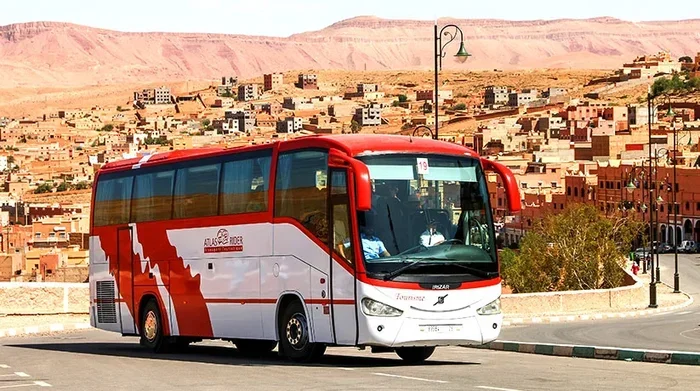
Featured image for Morocco tour bus road
Image source: visitmorocco.com
A Tangier to Fes tour is generally very safe for tourists, with well-maintained highways, reliable guides, and strong security measures along the route. Millions of travelers make this journey each year without incident, enjoying Morocco’s stunning landscapes and cultural richness. By booking with reputable operators and following basic travel precautions, you can feel confident and relaxed throughout your trip from Tangier to Fes.
Imagine this: you’re sitting in a comfortable, air-conditioned vehicle, watching Morocco unfold outside your window like a living postcard. To your left, the Rif Mountains rise majestically against a clear blue sky. To your right, rolling hills dotted with olive trees stretch toward the horizon. You’re traveling from the bustling port city of Tangier to the ancient cultural capital of Fes, and everything feels peaceful, exciting, and remarkably safe.
That feeling isn’t just luck. It’s the result of decades of investment in Morocco’s tourism infrastructure, a commitment from the government to protect visitors, and a well-traveled route that thousands of people experience every single month without a hitch. Still, it’s completely natural to ask, “Is a Tangier to Fes tour really safe?” You’re planning a trip to a foreign country, and you want peace of mind before you go.
This comprehensive guide answers that question thoroughly. We’ll walk through everything you need to know about safety on this popular Moroccan route, from the quality of the roads to the reliability of tour operators, from real traveler experiences to practical tips that make your journey smooth. By the end, you’ll have all the information you need to book your trip with complete confidence.
Key Takeaways
- Highway Infrastructure is Solid: The A2 motorway connecting Tangier to Fes is modern, well-maintained, and frequently patrolled, making overland travel safe and comfortable.
- Reputable Tour Operators Matter: Choosing licensed, well-reviewed tour companies dramatically reduces risks and ensures a smooth experience with professional drivers and guides.
- Crime Targeting Tourists is Low: Petty theft exists but is uncommon on organized tours, and violent crime against tourists in this corridor is extremely rare.
- Government Investment in Tourism Security: Morocco actively promotes tourism safety, with dedicated tourist police and infrastructure upgrades along popular travel corridors.
- Health and Travel Precautions Are Simple: Basic measures like bottled water, sun protection, and travel insurance cover most health concerns during the journey.
- Women Traveling Solo Feel Welcome: Solo female travelers consistently report feeling safe on guided Tangier to Fes tours, though standard awareness is always recommended.
- Cultural Respect Enhances Safety: Dressing modestly, learning a few Arabic phrases, and respecting local customs helps travelers blend in and feel more at ease.
📑 Table of Contents
- Understanding the Tangier to Fes Route
- Is the Road Safe? Transportation Security Explained
- Crime and Personal Safety: What You Really Need to Know
- Health and Wellness: Staying Healthy on Your Journey
- Choosing the Right Tour Operator: Your Safety Net
- Real Traveler Experiences: What People Actually Say
- Practical Safety Tips for Your Tangier to Fes Tour
- The Role of Government and Tourism Infrastructure
- Final Verdict: Is a Tangier to Fes Tour Safe?
Understanding the Tangier to Fes Route
The journey from Tangier to Fes covers roughly 500 kilometers (about 310 miles), depending on which route you take. Think of it like driving from Boston to Washington, D.C., or from London to Edinburgh. It’s a substantial distance, but one that modern infrastructure handles beautifully.
The Main Highway: A2 Motorway
The primary route most travelers use is the A2 motorway, a toll road that connects Tangier to Rabat, with extensions reaching Fes. This highway is comparable to what you’d find in Western Europe or North America. It features:
- Multiple lanes in both directions, separated by a median
- Smooth asphalt that’s regularly maintained
- Clear signage in Arabic, French, and increasingly English
- Rest stops with clean facilities, food options, and prayer rooms
- Emergency phones placed at regular intervals
- Highway police patrols that monitor the route continuously
The drive typically takes 5 to 6 hours without stops, but most organized tours include fascinating detours that extend the journey to 7 or 8 hours, turning transportation into a rich cultural experience.
Alternative Routes and Scenic Options
Some tours take more scenic routes through the Rif Mountains or along the Atlantic, passing through Chefchaouen (the famous “Blue City”) or Volubilis (the ancient Roman ruins). These routes use well-maintained secondary roads, though they involve more curves and sometimes require experienced drivers. Reputable tour companies know these routes well and select them based on safety and traveler interest.
Who Travels This Route?
Everyone. Literally, everyone. This corridor sees a fascinating mix of travelers:
- International tourists from Europe, North America, Asia, and Australia
- Moroccan families visiting relatives or taking domestic holidays
- Business travelers moving between Morocco’s major cities
- Solo adventurers, especially women traveling independently
- Retirees and seniors exploring Morocco’s imperial cities
- Student groups on educational trips
Did You Know? Morocco welcomed over 14.5 million tourists in 2023, a figure that continues to grow year after year. The Tangier-Fes corridor is one of the most-traveled routes in the country, meaning the infrastructure has been refined and security measures strengthened to handle this volume.
Is the Road Safe? Transportation Security Explained
Let’s address the most common concern directly: yes, the road from Tangier to Fes is genuinely safe. But let’s explore why, layer by layer, so you understand exactly what makes it secure.
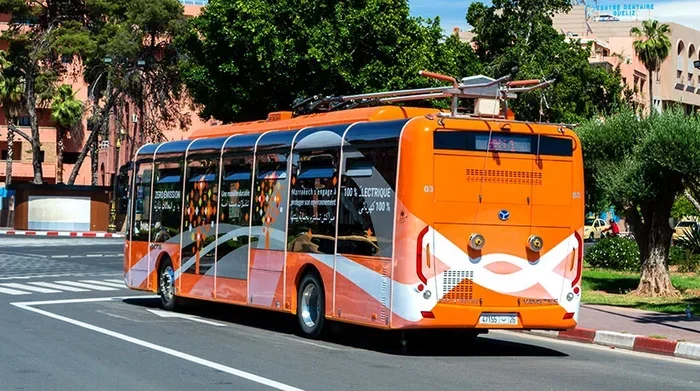
Visual guide about Morocco tour bus road
Image source: visitmorocco.com
Vehicle Standards and Driver Qualifications
Professional tour operators use modern, well-maintained vehicles. These aren’t beat-up old vans; they’re typically late-model SUVs, minivans, or comfortable coaches equipped with:
- Air conditioning (essential for comfort)
- Seat belts for every passenger
- Modern safety features like airbags and ABS brakes
- Regular mechanical inspections
- GPS and communication systems
Drivers are licensed professionals who undergo rigorous training. They know the route intimately, understand defensive driving techniques, and are familiar with handling everything from mountain curves to desert winds. Most speak multiple languages, including English, French, Arabic, and often Spanish.
Highway Patrol and Emergency Services
Think of Morocco’s highway patrol system like a blend of highway patrol officers and roadside assistance, all working together. The Gendarmerie Royale (Royal Gendarmerie) maintains a visible presence on major highways, with patrol vehicles stationed at regular intervals. They’re trained to assist travelers, respond to emergencies, and ensure traffic flows smoothly.
Response times along the Tangier-Fes corridor are excellent. If you experience any issue, whether mechanical, medical, or otherwise, help is typically within 30 minutes. Many tour vehicles also carry emergency kits, first aid supplies, and communication equipment that links directly to the tour company’s operations center.
Accident Statistics and Reality Check
Here’s something that might surprise you: Morocco’s main highways have accident rates comparable to many European countries. The A2 motorway specifically has been engineered with safety in mind, featuring gentle curves, proper banking on turns, and clear sight lines.
While no road is 100% accident-free (even the safest highways in the world see occasional incidents), the risk on this route is very low, especially when you’re with a professional driver who knows the road conditions. You’re statistically far safer in a licensed tour vehicle than driving yourself in an unfamiliar country.
Crime and Personal Safety: What You Really Need to Know
Let’s talk about the elephant in the room: crime. Whenever people ask about safety in Morocco, crime is usually what they’re really worried about. So let’s look at the facts honestly.
Petty Theft: Minimal but Possible
Like any tourist destination worldwide, petty theft exists in Morocco. Pickpocketing can occur in crowded markets, busy transportation hubs, or tourist-heavy areas. However, here’s the critical context: on organized Tangier to Fes tours, this risk drops dramatically. Why? Because you’re not navigating crowds alone; you’re in a controlled environment with a guide who knows how to keep the group secure.
Simple precautions eliminate nearly all risk:
- Keep your passport in the hotel safe (carry a copy instead)
- Use a money belt or front pocket for valuables
- Avoid displaying expensive jewelry or electronics
- Stay with your group at stops
- Listen to your guide’s advice about each location
Violent Crime Against Tourists: Extremely Rare
This is the big one that calms most nervous travelers: violent crime targeting tourists on the Tangier-Fes route is extraordinarily rare. Morocco’s tourism industry is vital to its economy, and the government invests heavily in protecting visitors. The Royal Moroccan Police has dedicated tourist police units in major cities who speak English and other languages, specifically to help foreign visitors.
To put this in perspective, you have a higher statistical risk of experiencing violent crime in many major American or European cities than you do as a tourist traveling this Moroccan route. That’s not marketing spin; it’s reflected in actual incident data.
Scams and Overcharging: Annoying but Manageable
Like anywhere in the world, there are occasional scams targeting tourists, particularly aggressive touts or inflated prices at tourist stops. The classic example is someone claiming a “free” tour that turns out to require a hefty tip, or shopkeepers dramatically raising prices for obvious tourists. These aren’t dangerous, just annoying. Your tour guide acts as a buffer against most of these situations, and they teach you how to navigate these interactions with grace and humor.
Solo Female Travelers: Special Considerations
If you’re a woman traveling alone, you might wonder if Morocco is safe for you. The honest answer is yes, particularly on organized tours. Thousands of solo female travelers visit Morocco every year, including the Tangier-Fes route, and report feeling welcomed, respected, and safe.
That said, being smart never hurts. Dressing modestly (covering shoulders and knees) signals respect for local culture and often results in more comfortable interactions. Solo female travelers consistently rate guided tours as one of the best ways to experience Morocco, because the group dynamic provides both companionship and security.
Did You Know? Morocco ranked as one of Africa’s safest countries for tourists in multiple international travel safety indexes, and the Tangier-Fes corridor is specifically noted for its excellent security infrastructure.
Health and Wellness: Staying Healthy on Your Journey
Beyond crime, health is a major component of any trip. The good news? Staying healthy on a Tangier to Fes tour is straightforward when you follow a few simple guidelines.
Water and Food Safety
Think of it like traveling to Mexico or much of Asia: you want to be smart about what you consume. Bottled water is readily available everywhere and should be your only drinking water source. It’s cheap (usually less than $0.50 per bottle), clean, and ubiquitous.
Food on organized tours is generally safe because tour operators select reputable restaurants. Avoid:
- Raw vegetables washed in tap water (though most tour restaurants use bottled water for washing)
- Unpeeled fruits you haven’t washed yourself
- Street food from stalls that look unclean
- Ice in drinks (unless you’re sure it’s made from purified water)
Stick to cooked, hot foods and you’ll be absolutely fine. Moroccan cuisine is delicious, and the tagines, couscous, and fresh bread are highlights of any trip.
Sun Protection and Heat
Depending on when you travel, the sun can be intense. Morocco sits at similar latitudes to California, so the UV index gets high, especially in summer. Pack:
- High-SPF sunscreen
- A wide-brimmed hat
- Sunglasses
- Light, long-sleeved clothing for sun protection
- Reusable water bottle (filled with bottled water)
Tour vehicles are air-conditioned, so you have a comfortable retreat when the heat gets intense.
Motion Sickness and Comfort
If you’re prone to motion sickness, the winding mountain roads through the Rif can occasionally trigger symptoms. Bring motion sickness medication, sit in the front of the vehicle when possible, and keep your eyes on the distant horizon. Most travelers have no issues at all.
Medical Emergencies and Insurance
While medical emergencies are rare, having comprehensive travel insurance is essential. Morocco has good private hospitals in major cities, and Tangier and Fes both have excellent medical facilities. Your tour operator should have emergency protocols and contacts ready.
Make sure your insurance covers:
- Emergency medical evacuation
- Hospital stays
- Trip cancellation
- Theft of belongings
- Adventure activities (if you add any)
Choosing the Right Tour Operator: Your Safety Net
The single most important decision affecting your safety is which tour company you book with. A great operator transforms your trip; a poor one creates problems. Here’s how to choose wisely.
What to Look for in a Reputable Operator
Quality operators share certain characteristics. Look for these signs of legitimacy:
- Proper licensing: They should be registered with Morocco’s Ministry of Tourism
- Physical office: Real businesses have real addresses you can verify
- Professional website: Detailed information, transparent pricing, real reviews
- Clear communication: Prompt email responses, knowledgeable agents
- Established reputation: Years in business, verified reviews on TripAdvisor, Google, etc.
- Insurance and bonding: They carry proper liability insurance
Red Flags to Avoid
Just as there are positive signs, there are warning signs. Steer clear of operators who:
- Offer prices dramatically below market rate
- Can’t provide licensing information
- Have inconsistent contact information
- Pressure you into immediate booking
- Have mostly negative or suspicious reviews
- Don’t have clear cancellation policies
Types of Tours Available
You have several options depending on your preferences and budget:
Private Tours: You get a dedicated vehicle and guide just for your group. This offers maximum flexibility, privacy, and personalization. It’s the safest option for families, women traveling solo, or anyone wanting a customized experience.
Small Group Tours: Typically 6-12 people, these balance cost with experience. You get a knowledgeable guide and the chance to meet fellow travelers while maintaining an intimate feel.
Large Group Tours: Budget-friendly options with 15-30+ travelers. While still safe, these feel more like bus tours and offer less flexibility.
Questions to Ask Before Booking
Before you commit, ask these important questions:
- What type and age of vehicle will we use?
- What are the driver’s qualifications and experience?
- What’s included in the price (meals, entrance fees, accommodations)?
- What’s your cancellation and refund policy?
- Do you carry travel insurance?
- What’s the maximum group size?
- Can you provide references or reviews?
A quality operator answers all these questions confidently and transparently.
Real Traveler Experiences: What People Actually Say
Statistics and official information are helpful, but nothing beats hearing from people who’ve actually done the journey. Here’s what real travelers consistently report.
Common Positive Experiences
When travelers write reviews and share stories about Tangier to Fes tours, common themes emerge. The vast majority describe feeling safe, welcomed, and amazed by the experience. Phrases like “felt completely comfortable,” “our guide was wonderful,” “never felt threatened,” and “can’t wait to go back” appear again and again across review platforms.
Travelers particularly praise the organization of the tours, the knowledge of the guides, and the smooth logistics. Many comment that Morocco exceeded their expectations and felt much safer than they anticipated.
Minor Challenges Travelers Face
To be balanced, let’s mention small issues that occasionally come up. Some travelers experience mild culture shock, particularly in Fes’s medina (old city), which is a maze of narrow alleys. Getting slightly lost is part of the adventure, and your guide handles this gracefully.
Others mention the occasional aggressive tout (vendor) or the persistent offers to buy things. These aren’t threats; they’re just the texture of Moroccan life. Your guide teaches you the friendly phrase “La, shukran” (No, thank you) and how to navigate these moments with a smile.
Who Should Be More Cautious?
Certain travelers might want to take extra precautions. If you have mobility issues, the medina in Fes involves significant walking on uneven surfaces. If you’re traveling during Ramadan, some restaurants may be closed during the day, and the schedule changes. If you’re extremely risk-averse, a private tour gives you maximum control.
Practical Safety Tips for Your Tangier to Fes Tour
Beyond choosing a good operator, there are simple things you can do to make your trip even safer and more enjoyable. Think of these as your travel toolkit.
Before You Go
Preparation sets you up for success. Take these steps before departure:
- Register with your embassy: Many countries offer traveler registration programs that help in emergencies
- Make copies of documents: Keep digital copies of your passport, visa, insurance, and tour booking
- Inform your bank: Let them know you’ll be using your card in Morocco
- Get travel insurance: Don’t skip this; it’s essential
- Learn basic Arabic phrases: Even “salaam alaikum” (peace be upon you) opens doors
- Research cultural norms: Understanding local customs helps you blend in
During Your Tour
While traveling, follow these practical tips:
- Stay with your group, especially in crowded areas
- Keep valuables secure and out of sight
- Drink bottled water consistently
- Apply sunscreen regularly
- Trust your guide’s recommendations
- Be respectful during prayer times and religious sites
- Ask before photographing people
Cultural Etiquette That Enhances Safety
Here’s an analogy that might help: think of cultural respect as a universal language of goodwill. When you respect local customs, people respond warmly, which creates a protective atmosphere around you.
Simple respectful behaviors include:
- Dressing modestly, especially at religious sites
- Removing shoes when entering homes or mosques
- Eating with your right hand (the left is considered unclean)
- Accepting tea when offered (it’s a sign of hospitality)
- Greeting people before asking questions or making requests
These gestures don’t just follow etiquette; they communicate that you’re a thoughtful guest, which earns respect and goodwill.
The Role of Government and Tourism Infrastructure
Morocco’s government has made tourism safety a national priority. Understanding this context provides additional peace of mind about your trip.
Investment in Tourism
Tourism represents a significant portion of Morocco’s GDP, and the government treats it accordingly. Billions have been invested in infrastructure, training, and security specifically to make tourists feel welcome and safe. The Tangier-Fes corridor has received particular attention because it’s a flagship route connecting two of Morocco’s imperial cities.
Tourist Police and Support Services
Major cities along the route, including Tangier and Fes, have dedicated tourist police who patrol popular areas. These officers typically speak English, French, and Spanish in addition to Arabic. They’re specifically trained to help foreign visitors, whether you’ve lost something, need directions, or face any issue.
Continuous Improvement
Morocco continues to upgrade its tourism infrastructure. Recent years have seen highway expansions, new train lines (the high-speed Al Boraq train connects Tangier to Casablanca), and improvements to tourist facilities. This ongoing investment signals a long-term commitment to making Morocco a world-class destination.
Did You Know? Morocco was the first African country to receive the “Safe Travels” stamp from the World Travel and Tourism Council, recognizing its commitment to global health and safety standards.
Final Verdict: Is a Tangier to Fes Tour Safe?
Let’s bring everything together. Is a Tangier to Fes tour safe? The answer, supported by evidence, traveler experiences, and infrastructure quality, is a resounding yes.
Traveling this route is comparable to taking a guided tour through Italy, Spain, or any other major European destination. The roads are excellent, the security is robust, the guides are professional, and the risks are minimal when you follow standard travel precautions.
Millions of tourists make this journey every year, enjoying Morocco’s incredible diversity, from Tangier’s cosmopolitan energy to Fes’s medieval grandeur. The journey itself becomes a highlight, with stunning landscapes, fascinating stops, and the comfort of knowing you’re in capable hands.
The key to a safe experience lies in choosing a reputable tour operator, following basic travel precautions, respecting local culture, and maintaining the same awareness you’d have in any unfamiliar place. Do these things, and you’re in for an unforgettable, secure adventure.
Morocco isn’t just safe; it’s one of the most rewarding travel destinations in the world. The Tangier to Fes route offers everything travelers dream of: ancient history, vibrant culture, breathtaking scenery, and warm hospitality. Your safety concerns shouldn’t hold you back from experiencing one of life’s great adventures.
So go ahead, book that tour, pack your bags, and prepare for the journey of a lifetime. You’re going to love it.
Frequently Asked Questions
How long does a Tangier to Fes tour take?
A typical Tangier to Fes tour takes one full day, approximately 7-9 hours including stops. Some travelers opt for multi-day tours that break the journey with overnight stays in Chefchaouen or Meknes, which adds time but creates a more relaxed, immersive experience.
What is the safest way to travel from Tangier to Fes?
The safest way to travel from Tangier to Fes is by booking a guided tour with a licensed tour operator. You benefit from professional drivers, well-maintained vehicles, local expertise, and the security of traveling with an organized group. Private tours offer the highest level of safety and customization.
Is it safe for solo female travelers to take a Tangier to Fes tour?
Yes, solo female travelers report feeling safe and welcome on Tangier to Fes tours. Morocco is generally very welcoming to women, and guided tours provide additional security through group dynamics and professional guidance. Choosing modest clothing and a reputable tour company further enhances the experience.
Are the roads from Tangier to Fes well-maintained?
The roads from Tangier to Fes are excellent, particularly the A2 motorway, which is a modern, well-maintained toll highway. Morocco has invested significantly in infrastructure, and the highway features multiple lanes, clear signage, regular patrols, and emergency services along the route.
What should I pack for safety on a Tangier to Fes tour?
Pack sunscreen, a hat, sunglasses, comfortable walking shoes, modest clothing that covers shoulders and knees, a reusable water bottle, basic first aid items, motion sickness medication if needed, copies of important documents, and your travel insurance information. Don’t forget a universal power adapter for your electronics.
Can I take a Tangier to Fes tour during Ramadan?
Yes, you can take a Tangier to Fes tour during Ramadan, but expect adjusted schedules. Some restaurants may be closed during daylight hours, and tour operators often adjust meal times and break schedules to accommodate fasting. Many travelers find Ramadan a fascinating time to visit, as the evenings come alive with special celebrations and meals.