
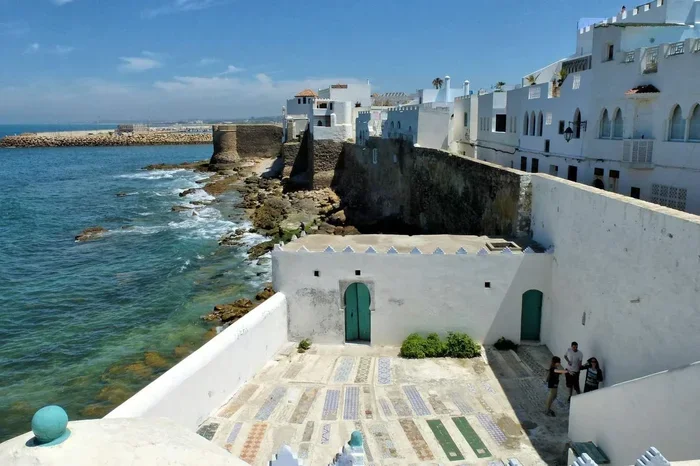
Featured image for Tangier Asilah coastal tour
Image source: res.klook.com
An 8 day tour from Tangier to Asilah offers one of Morocco’s most rewarding travel experiences, blending coastal beauty, ancient medinas, and rich cultural heritage into a single unforgettable journey. This comprehensive route takes travelers through Tangier’s vibrant port, Chefchaouen’s famous blue streets, the Roman ruins of Volubilis, Fez’s medieval medina, Meknes’s imperial grandeur, Rabat’s modern elegance, and finally Asilah’s artistic seaside charm. With 8 days, you can truly absorb each destination rather than rushing through them, making this the perfect itinerary for travelers seeking depth, comfort, and authentic Moroccan experiences.
Picture yourself standing at the crossroads of two continents, where the Mediterranean Sea kisses the Atlantic Ocean, and ancient medinas whisper stories from a thousand years ago. This is Tangier, Morocco, the starting point of what might be your most memorable travel adventure yet. An 8 day tour from Tangier to Asilah isn’t just a trip; it’s a journey through time, culture, and breathtaking landscapes that will leave you forever changed.
Many travelers underestimate how much northern Morocco has to offer. They might spend a day or two in Tangier and rush back, never realizing they’re missing out on Chefchaoen’s otherworldly blue streets, the ancient Roman ruins at Volubilis, or the artistic seaside paradise of Asilah. With a full 8 day itinerary, you can experience all of this without the stress of constantly packing and unpacking. Think of it like reading a great novel rather than skimming a summary; you get to know the characters, feel their stories, and understand their world.
Did you know that Morocco welcomed over 14.5 million tourists in 2023, with northern routes becoming increasingly popular? This isn’t surprising when you consider that this particular 8 day circuit combines beach towns, mountain villages, imperial cities, and UNESCO World Heritage sites into one seamless adventure. Let’s dive into everything you need to know to plan the perfect trip.
Key Takeaways
- Perfect Duration: 8 days is the ideal length for exploring northern Morocco, allowing time for major cities without feeling rushed.
- Diverse Destinations: The route covers Tangier, Chefchaouen, Fez, Meknes, Volubilis, Rabat, and Asilah, each offering unique experiences.
- Cultural Immersion: Eight days provides enough time to engage with local traditions, cuisine, and communities meaningfully.
- Best Travel Season: Spring (March-May) and autumn (September-November) offer the most comfortable weather for this coastal route.
- Transport Options: Guided tours, private drivers, and self-drive routes are all viable, each with different benefits.
- Budget Range: Expect to spend between $800-$2,500 depending on accommodation choices and tour style.
- Asilah Highlight: The journey culminates in Asilah, a charming artistic coastal town that provides the perfect relaxing finale.
📑 Table of Contents
- What Makes the Tangier to Asilah Route Special?
- Who Should Take This Tour and When?
- Where Exactly Does the Tour Go?
- How Much Does This Tour Cost?
- Why Choose an 8 Day Itinerary Over Shorter Options?
- Practical Tips for Your 8 Day Adventure
- Making the Most of Asilah: Your Journey’s Finale
- Common Questions About This Tour Route
- The Journey Awaits
What Makes the Tangier to Asilah Route Special?
The northern Morocco route has been called “the grand tour in miniature” by seasoned travelers, and for good reason. In just 8 days, you experience a remarkable variety of landscapes, cultures, and historical periods. Think of it as a sampler platter at your favorite restaurant; instead of choosing just one dish, you get to taste everything the region has to offer.
Geographic Diversity in One Journey
Starting in Tangier, you’ll travel through the dramatic Rif Mountains, visit fertile valleys, explore Atlantic coastlines, and end your journey beside the crashing waves of Asilah. The drive itself becomes part of the adventure. One moment you’re winding through mountain passes with sweeping views, and the next you’re strolling through palm-lined boulevards in an imperial city. Morocco’s geography changes dramatically over short distances, which means every day brings something visually stunning.
Cultural Layers and Historical Depth
Northern Morocco sits at a fascinating crossroads. You’ll encounter Berber traditions that predate the Arab conquest, Roman ruins from the 3rd century, medieval Islamic architecture, Andalusian refugee influences, and modern Moroccan culture all woven together. It’s like opening a time capsule where different eras coexist side by side. In Fez, for example, you can walk through the world’s oldest continuously operating university, while in Rabat, you see gleaming modern infrastructure just minutes from 12th-century ruins.
Accessibility and Infrastructure
Unlike more remote parts of Morocco, the Tangier-Asilah route benefits from excellent roads, well-established tourist infrastructure, and numerous English-speaking guides. This makes it ideal for first-time visitors to Morocco or those who want comfort alongside adventure. The distances between major stops are manageable, typically 2-4 hours of driving per day, leaving plenty of time for exploration and relaxation.
Who Should Take This Tour and When?
The beauty of an 8 day tour from Tangier to Asilah is that it appeals to a remarkably wide range of travelers. But some groups find it particularly rewarding.
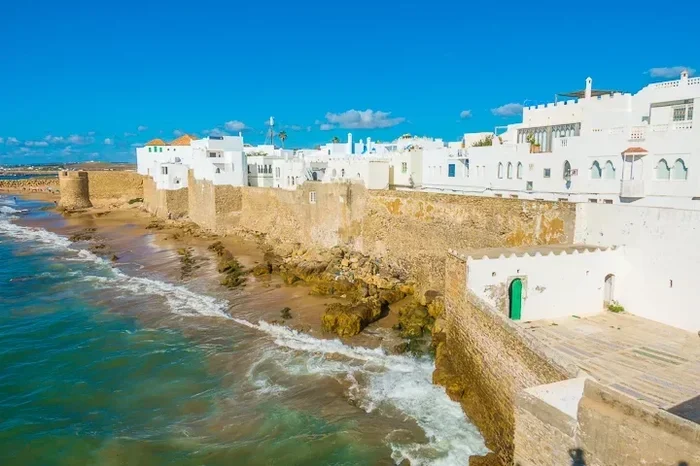
Visual guide about Tangier Asilah coastal tour
Image source: alitangiertours.com
Ideal Travelers for This Itinerary
First-time Morocco visitors absolutely love this route because it provides a comprehensive introduction without overwhelming them. You’ll see the country’s highlights while still having the comfort of knowing you’re never too far from modern amenities. Photography enthusiasts find endless subjects, from Chefchaoen’s blue walls to Asilah’s colorful murals to the intricate tilework in Fez.
Culture seekers appreciate the depth this itinerary offers. You have time to really explore medinas, visit museums, take cooking classes, and even engage with local artisans. Families with older children find the manageable pace and variety keeps everyone engaged. And history buffs get their fill with Volubilis, Fez’s medieval quarter, and Meknes’s imperial architecture.
Best Times to Travel
Timing can make or break your Moroccan experience. The optimal windows are spring (March through May) and autumn (September through November). During these months, temperatures are pleasant, ranging from 65-78°F (18-26°C), and you avoid both the scorching summer heat and occasional winter rains. April and October are particularly sweet spots, offering comfortable weather and fewer crowds than peak summer.
Summer (June-August) brings hot temperatures, especially inland in Fez and Meknes, where thermometers regularly climb above 95°F (35°C). Winter (December-February) can be chilly, particularly in the mountains, though coastal areas remain relatively mild. If you’re a budget traveler, winter offers lower prices and thinner crowds, though you should pack layers and be prepared for some rainy days.
Pro tip: Ramadan timing matters too. While you can absolutely travel during Ramadan, some restaurants may have limited hours, and the daily rhythm changes significantly. Many travelers find the festive atmosphere of Ramadan evenings magical, but it requires flexibility.
Where Exactly Does the Tour Go?
Let’s map out the typical 8 day route, day by day. While there are variations, this is the classic circuit that maximizes experiences while maintaining a comfortable pace.
Days 1-2: Tangier Exploration
Your journey begins in Tangier, Morocco’s gateway to Europe and a fascinating city in its own right. Spend your first day getting oriented. Visit the Kasbah for panoramic views, explore the bustling medina, and walk along the Corniche where the Mediterranean meets the Atlantic. Day two might include a day trip to the stunning Caves of Hercules, just outside the city.
The medina here is more relaxed than those in larger cities, making it perfect for first-time visitors to Morocco. You’ll find the famous Café Hafa, where Beat Generation writers like Paul Bowles once sat contemplating the Strait of Gibraltar. The view across to Spain is genuinely breathtaking; on clear days, you can see the Spanish coast as if it were just a short swim away.
Days 3-4: Chefchaouen and the Rif Mountains
p>Heading southeast from Tangier, you’ll reach Chefchaoen, the famous “Blue Pearl” of Morocco, after about a 3-hour drive. The town sits nestled in the Rif Mountains and is famous for its striking blue-washed buildings. Nobody knows exactly why the town painted itself blue, though theories range from Jewish symbolism to mosquito repellent to simply keeping the buildings cool.
You’ll want at least one full day to wander Chefchaoen’s winding streets. Every corner offers another photogenic view, and the slower pace is a welcome break after Tangier’s energy. Visit the Spanish Mosque for sunset views, explore the artisan workshops, and try the local goat cheese, which is a regional specialty. If you have energy, the surrounding mountains offer hiking opportunities with spectacular vistas.
Days 5-6: Fez and the Roman Ruins
From Chefchaoen, you’ll travel to Fez, either directly or with a stop at Volubilis and Meknes. Volubilis deserves special mention; these are the best-preserved Roman ruins in Morocco and a UNESCO World Heritage Site. Walking among the 2,000-year-old mosaics and columns is like stepping into a history book. The site typically takes 2-3 hours to explore properly.
Fez itself is the cultural and spiritual heart of Morocco. The medieval medina (also called Fes el-Bali) is a UNESCO World Heritage Site and one of the world’s largest car-free urban zones. Getting slightly lost here is part of the experience; just remember that the main street eventually leads to the famous Al-Qarawiyyin University, founded in 859 AD. Yes, it really is older than most European universities by several centuries.
Spend day six diving deeper into Fez. Visit the tanneries, which have operated the same way for nearly a thousand years, explore the artisans’ quarters, and perhaps take a traditional Moroccan cooking class. The Bou Inania Medersa is a 14th-century theological college that showcases stunning Islamic architecture.
Day 7: Meknes and Rabat
Day seven combines two imperial cities in one day, which works because both are often overshadowed by Fez but absolutely deserve visits. Meknes, just an hour from Fez, was once Morocco’s capital and features impressive gates, granaries, and the Mausoleum of Moulay Ismail. It’s less touristy than Fez but equally fascinating.
From Meknes, continue west to Rabat, Morocco’s modern capital. Rabat offers a different perspective on Morocco, blending history with contemporary life. Visit the Hassan Tower, an incomplete 12th-century mosque, the Kasbah of the Udayas, and the modern Mausoleum of Mohammed V. The Chellah Necropolis combines Roman and Islamic ruins in one atmospheric site.
Day 8: Asilah – The Perfect Finale
Your final day brings you to Asilah, a small coastal town that feels like the perfect reward after a week of exploration. Just an hour from Tangier, Asilah has become famous for its whitewashed medina walls decorated with colorful murals painted by international artists. The town hosts an annual art festival that has transformed its walls into an outdoor gallery.
Spend your last day strolling the ramparts at sunset, walking the beautiful beach, and simply absorbing the laid-back atmosphere. There’s something poetic about ending your northern Morocco journey beside the ocean, watching the waves roll in after days of medina exploration. Asilah embodies the gentle, artistic side of Morocco that contrasts beautifully with the bustling cities you’ve visited.
How Much Does This Tour Cost?
Budget planning is essential, and thankfully, northern Morocco offers options for nearly every wallet. Let’s break down the typical expenses you can expect.
Budget Travel ($800-1,200 per person)
If you’re comfortable with basic riads, street food, and using public transport between cities, you can keep costs remarkably low. Budget accommodations in Morocco are genuinely impressive; even $30-40 per night gets you a charming room in a traditional riad with breakfast included. Local buses and shared taxis (called “grand taxis”) connect all major cities affordably. You can eat delicious meals for under $10 per day by eating where locals eat.
The biggest variable is transportation between cities. Grand taxis are cheap but slower, while private drivers cost more but save time. For this itinerary, many budget travelers combine public transport for shorter hops with occasional private hires for longer stretches.
Mid-Range Travel ($1,200-2,000 per person)
Mid-range is the sweet spot for many travelers. You get comfortable accommodations (think $80-150 per night), private transfers between cities, and a mix of casual and special dining experiences. This budget also allows for guided tours in key cities like Fez, where a knowledgeable guide transforms your understanding of the medina.
At this level, you might book a multi-day organized tour that includes transport, some meals, and accommodation, then add independent exploration time. Companies like “Moorish Adventure Tours” or “Morocco Desert Tours” offer competitive packages for this route.
Luxury Travel ($2,000-4,000+ per person)
Luxury travelers will find Morocco’s high-end accommodations world-class. The country has attracted the attention of luxury hotel brands, and cities like Tangier and Rabat now feature five-star properties that rival anything in Paris or Madrid. Private guided tours, helicopter transfers, and exclusive experiences like private cooking classes with celebrated chefs become available at this budget.
Premium guided tours from companies like “Travelsphere” or “Intrepid Travel Premium” handle every detail, often including cultural experiences like private museum tours, exclusive access to artisan workshops, and stays in historic palaces converted to luxury hotels.
Pro tip: Whatever your budget, tipping is important in Morocco. Budget $5-10 per day for guides, $1-2 for restaurant staff, and $2-3 for hotel staff. It makes a meaningful difference to local workers’ incomes.
Why Choose an 8 Day Itinerary Over Shorter Options?
You might wonder why 8 days specifically. Couldn’t you squeeze this into 5 days? Wouldn’t 10 days be better? Here’s why 8 days hits the perfect balance.
The Math of Meaningful Travel
With fewer than 7 days, you’ll spend too much time in transit and not enough actually experiencing places. With more than 10 days, you risk the law of diminishing returns where each additional destination adds stress rather than value. 8 days gives you 1-2 days in each major destination with breathing room.
Think of it this way: if you spent just one day in Fez, you’d feel rushed and frustrated. With two days, you can experience the medina properly and still have time for that cooking class or artisan visit you wanted to do. The extra day transforms the experience from “I saw it” to “I experienced it.”
Comfortable Pacing
Morocco’s magic doesn’t reveal itself in quick glances. It emerges in slow observations: watching craftsmen work in the medina, sipping mint tea while overlooking a medina, or chatting with shop owners who become friends. These moments require unhurried time. An 8 day tour allows for these connections without burning you out.
Compare this to a frantic 4-day tour where you might visit 8 cities, spending just a few hours in each. You’ll check boxes but miss the soul. The 8 day version covers fewer places but goes deeper. Most travelers who do both versions say the longer itinerary was far more satisfying.
Flexibility and Spontaneity
With 8 days, you have flexibility. If Chefchaoen enchants you and you want to stay an extra night, you can. If the weather’s perfect for a beach afternoon in Asilah, you can extend your stay there. Shorter itineraries feel rigid; longer ones can feel exhausting. 8 days is the Goldilocks zone.
Practical Tips for Your 8 Day Adventure
Beyond the major planning, here are insider tips that will make your journey smoother and more enjoyable.
What to Pack
Pack light but smart. You’ll want modest clothing that covers shoulders and knees for mosque visits, comfortable walking shoes (cobblestones are unforgiving), and layers for temperature variations between coastal and inland areas. A light scarf or shawl serves multiple purposes: sun protection, warmth, and respectful coverage when needed.
Don’t forget essentials like sunscreen (the Moroccan sun is strong), a reusable water bottle, basic first aid supplies, and copies of important documents. Morocco uses Type C and E electrical outlets, so bring appropriate converters. The local currency is the Moroccan Dirham (MAD); while cards are accepted in tourist areas, cash is essential for medinas and smaller establishments.
Language and Communication
Arabic and Berber are official languages, but French is widely spoken due to Morocco’s colonial history. English is increasingly common in tourist areas, though speaking even basic French phrases will enrich your experience and earn you smiles. Learning a few Arabic greetings like “As-salaam alaikum” (peace be upon you) goes a long way toward connecting with locals.
Staying Safe and Healthy
Morocco is generally very safe for tourists, with strong security in tourist areas. Normal precautions apply: watch your belongings in crowded medinas, be cautious with street food if you have a sensitive stomach, and use bottled water. The U.S. State Department rates Morocco as Level 2 (Exercise Increased Caution), which is similar to most Western European countries.
Tap water isn’t recommended for drinking, but it’s fine for brushing teeth. Most travelers experience no health issues, though some may have mild stomach adjustments in the first few days. Pack some anti-diarrheal medication just in case. No special vaccinations are required for Morocco, though hepatitis A and typhoid are sometimes recommended.
Respecting Local Culture
Morocco is a Muslim country, and respecting Islamic traditions enhances your experience. During Ramadan, avoid eating, drinking, or smoking in public during daylight hours. When visiting mosques, dress modestly and follow photography rules. Ask before photographing people, especially women. Learning about local customs before arrival shows respect and opens doors to warmer interactions.
Making the Most of Asilah: Your Journey’s Finale
Since Asilah is the destination, let’s spend a moment on what makes this small town the perfect culmination of your 8 day adventure.
The Artistic Soul of Asilah
Asilah transformed itself from a sleepy fishing village into an art destination starting in the 1970s. The International Cultural Festival, held each August, brings artists from around the world who leave their mark through murals on the medina walls. Today, walking through Asilah’s medina is like walking through an open-air gallery, with vibrant paintings covering previously plain white walls.
Beyond the murals, Asilah hosts regular art exhibitions and cultural events throughout the year. The town has attracted a community of artists, writers, and creative souls who contribute to its unique atmosphere. It’s no coincidence that many travelers describe Asilah as “the most peaceful place in Morocco.”
Beach Time and Relaxation
After days of walking medinas and navigating busy streets, Asilah’s beach offers pure relaxation. The Atlantic coast here is dramatic and beautiful, with strong waves that surfers love. Even if you don’t surf, walking the beach at sunset is one of those “pinch me, is this real?” travel moments. The wide sandy beach, gentle breezes, and unhurried atmosphere provide the perfect transition back to everyday life.
Several beachfront cafés serve fresh seafood and mint tea while you watch the waves. This is the moment to reflect on your journey, review photos, and simply be present. Many travelers say Asilah is where they fell in love with Morocco, even though they spent days in more famous cities.
Beyond the Medina
If time allows, explore beyond Asilah’s medina. The Paradise Cave (Grotte d’Hercule nearby) offers adventure, the surrounding countryside features traditional Berber villages, and the coastal drive between Tangier and Asilah offers spectacular viewpoints. The region has something for every interest.
Common Questions About This Tour Route
Let me address some frequently asked questions that often come up when planning this particular 8 day itinerary.
Is this route suitable for solo travelers? Absolutely! Solo travelers often find Morocco more welcoming than expected. The route is well-traveled and safe, and you’ll meet other tourists along the way. Many tour operators offer single supplements, and solo travelers can join group tours to reduce costs while gaining built-in company.
Can I customize the itinerary? Most tour operators happily customize routes. If you want to spend more time in Chefchaoen and skip Meknes, for example, that’s usually possible. Private tours are inherently flexible. The standard 8 day route works well, but personalizing it based on your interests often makes the trip even better.
Do I need a visa? Most Western passport holders can enter Morocco visa-free for 90 days. Always check current requirements for your specific nationality before traveling, as rules occasionally change.
Is Morocco family-friendly? Yes, especially this route. Moroccan families are generally very welcoming to children, and the variety of experiences (beaches, cities, mountains, history) keeps kids engaged. Tangier and Asilah have beach activities, while Fez offers educational experiences that work well for older children and teenagers.
What’s the best accommodation style? Riads (traditional courtyard houses converted to hotels) offer the most authentic Moroccan experience. They’re available at every price point and provide beautiful architecture, central locations in medinas, and often rooftop terraces with stunning views. Hotels are also widely available, particularly in larger cities.
The Journey Awaits
An 8 day tour from Tangier to Asilah represents one of travel’s great underrated experiences. While many travelers focus on southern Morocco’s desert adventures, this northern circuit offers a gentler but equally rewarding journey through coastal beauty, imperial cities, and artistic heritage. You’ll return home with photos, memories, and stories that will last a lifetime.
Morocco is having a moment as a travel destination, and for good reason. The country combines exotic appeal with accessibility, offering experiences that feel adventurous but remain comfortable for most travelers. This particular 8 day itinerary captures Morocco’s essence while avoiding the tourist crowds that sometimes overwhelm more famous destinations. The route has been refined over decades by countless travelers, and it works.
Whether you’re a first-time visitor to Morocco or a returning traveler seeking new experiences, this tour delivers. Start planning, pack your bags, and prepare for an adventure that will change how you see the world. Tangier is waiting, and so is beautiful Asilah at journey’s end. The blue streets of Chefchaoen, the ancient ruins of Volubilis, the medieval magic of Fez, and the artistic shores of Asilah are all calling your name. Your Moroccan story is waiting to be written, one unforgettable day at a time.