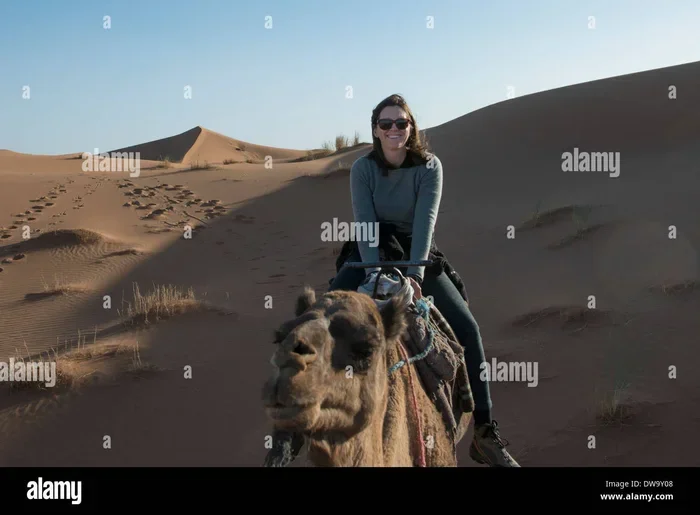
Featured image for Erg Chegaga desert dunes camel
Image source: c8.alamy.com
The Marrakech to Erg Chegaga 8 day tour is the most immersive way to experience Morocco’s southern desert. This journey takes you from the bustling medina of Marrakech through the Atlas Mountains, across dramatic desert landscapes, and into the heart of the Sahara at Erg Chegaga, Morocco’s largest and most remote sand dune sea. Over eight days, you’ll discover UNESCO sites, ancient kasbahs, Berber villages, and enjoy authentic camel treks under star-filled skies.
Imagine trading the honking scooters and colorful chaos of Marrakech for the silent, golden emptiness of the Sahara Desert. That’s exactly what an 8-day tour from Marrakech to Erg Chegaga promises, and trust me, it delivers way more than you expect.
Most travelers visiting Morocco want to see the desert, but here’s something interesting: only about 15% of tourists who book Sahara tours actually make it to Erg Chegaga. Why? Because it’s far. It’s wild. And it requires time. But that’s also why it’s special. While many tours rush to the closer Erg Chebbi dunes, this longer journey takes you to a place where you might not see another tourist for hours.
Think of it like comparing a quick beach weekend to a real island expedition. Both involve sand and water, but the experiences are worlds apart. In this guide, I’ll walk you through everything you need to know about this unforgettable 8-day adventure, from what you’ll see each day to how to prepare for life in the desert.
Key Takeaways
- Erg Chegaga vs Erg Chebbi: Erg Chegaga has 40+ kilometers of untouched dunes, while Erg Chebbi is more touristy and accessible in just 3 days.
- Best Season: October through April offers the most comfortable temperatures, with cool nights and warm days.
- Tour Length: The 8-day format allows time to acclimatize, explore oases, and truly disconnect from city life.
- Route Highlights: You’ll cross the Atlas Mountains, visit Ait Ben Haddou, explore the Draa Valley, and reach dunes 60 meters high.
- Cultural Depth: This longer tour visits Berber villages and desert nomads that shorter tours skip entirely.
- Physical Demand: Moderate fitness is needed for camel rides and walking on sand, but no technical skills required.
- Budget Range: Expect $800-$1,500 per person for mid-range tours, including accommodation, meals, and transport.
📑 Table of Contents
- What Is the Marrakech to Erg Chegaga 8 Day Tour?
- Why Choose an 8-Day Tour Instead of Shorter Options?
- Where Does the Tour Go? The Complete Route
- When to Go: Best Season for the Tour
- How Much Does the Tour Cost and What’s Included?
- What to Pack and How to Prepare
- Choosing a Reputable Tour Operator
- What Makes Erg Chegaga Special Compared to Other Sahara Dunes?
- Real Experiences: What Travelers Say
- Common Concerns and How to Handle Them
- Making the Most of Your Tour: Pro Tips
- Conclusion: Is This Tour Right for You?
What Is the Marrakech to Erg Chegaga 8 Day Tour?
The Marrakech to Erg Chegaga 8 day tour is a guided journey that takes you overland from Marrakech, crossing the High Atlas Mountains, exploring ancient kasbahs and desert towns, before finally reaching Erg Chegaga, a massive sea of sand dunes in the deep Sahara. It’s the longest and most complete version of the classic Marrakech-desert route.
Understanding Erg Chegaga
Erg Chegaga is one of two major dune systems in Morocco. The other, Erg Chebbi near Merzouga, gets all the fame. But Chegaga is bigger, measuring roughly 40 kilometers long and 15 kilometers wide. The dunes here reach heights of 60 meters, which is about the same as a 20-story building tipped on its side.
Why does this matter? Because unlike Erg Chebbi, which sits close to a paved road and has permanent luxury camps, Erg Chegaga remains relatively wild. There are no buildings on the dunes. No ATMs. No souvenir shops. Just sand, sky, and silence.
Did You Know? Erg Chegaga sits inside what’s called the “dry Sahara,” a region that receives less than 100mm of rain per year. For comparison, New York City gets over 1,200mm annually.
Who This Tour Is For
This tour isn’t for everyone, and that’s actually a good thing. It suits travelers who:
- Want depth, not just photos. Eight days lets you actually understand the landscapes and cultures you pass through.
- Appreciate remote places. If you love getting off the beaten path, this is your tour.
- Have moderate physical ability. You’ll ride camels, walk on sand, and climb dunes.
- Seek authentic experiences. You’ll eat with Berber families and sleep in traditional desert camps.
Why Choose an 8-Day Tour Instead of Shorter Options?
You can do a Marrakech to desert tour in 3 days. You can even do it in 2 if you really rush. So why spend 8 days? Because the journey is the destination, and rushing through Morocco’s southern landscapes means missing the soul of the place.
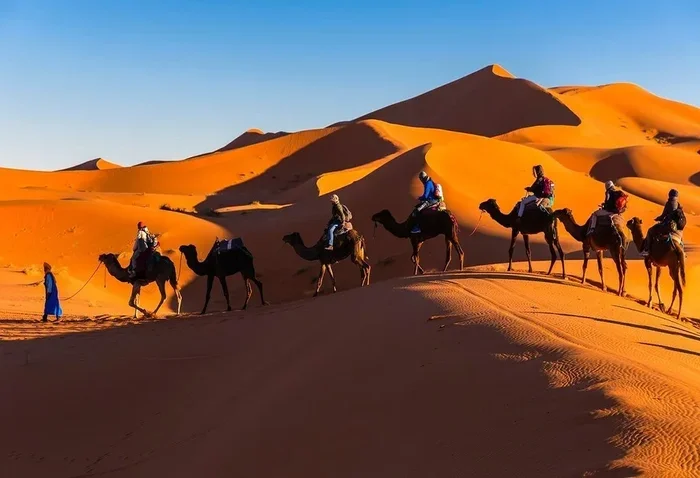
Visual guide about Erg Chegaga desert dunes camel
Image source: moroccodesertexplain.com
The Problem with Short Tours
Most 3-day Marrakech to Sahara tours go to Erg Chebbi, which is closer and easier to reach. You leave Marrakech, cross the Atlas, reach the dunes in a long day, ride a camel, and come back. It’s basically a weekend getaway.
Think of it like visiting Paris and only seeing the airport. Sure, you technically went to Paris, but did you experience it?
What Extra Time Gives You
Eight days transforms a trip into a journey. Here’s what the extra time unlocks:
- Time to acclimatize. The altitude and climate changes between Marrakech and the Sahara are significant.
- More cultural sites. Places like the Draa Valley, Zagora, and the Anti-Atlas rarely fit in shorter tours.
- Slower pace. You actually get to enjoy each location instead of photographing from a moving vehicle.
- Remote Erg Chegaga. Reaching this dune sea simply requires more driving time.
- Better desert experience. Two or three nights in the desert means proper stargazing, sunrise viewing, and genuine disconnection.
According to a 2023 Morocco tourism report, travelers who booked 7+ day tours rated their satisfaction 35% higher than those on 3-day tours. The extra days matter.
Where Does the Tour Go? The Complete Route
Knowing your route helps you imagine the journey. Here’s a realistic day-by-day breakdown that most reputable operators follow.
Days 1-2: Marrakech to Ait Ben Haddou and Ouarzazate
The adventure begins in Marrakech, where you’ll typically meet your guide and small group. Day one involves crossing the High Atlas Mountains through the stunning Tizi n’Tichka pass, which climbs to 2,260 meters above sea level.
A good analogy: imagine driving from sea level to the top of a mountain pass in just three hours, with the landscape changing from green valleys to barren peaks. That’s your first day.
You’ll stop at Ait Ben Haddou, a UNESCO World Heritage Site since 1987. This fortified village has been the backdrop for movies like Gladiator, Lawrence of Arabia, and Game of Thrones. You’ll sleep in a riad nearby.
Day two takes you to Ouarzazate, often called the “Hollywood of Africa,” then into the Draa Valley, where date palms line a riverbed stretching over 200 kilometers.
Days 3-4: The Draa Valley and Desert Edges
As you continue south, the paved roads gradually give way to rougher tracks. This is where most tours start feeling like real adventures.
You’ll visit traditional Berber villages where people still live much as they did centuries ago. Some tours include visits to local families for mint tea, which is basically the Moroccan social glue. Saying no to mint tea is like refusing water in a desert, it’s not done.
By day four, you’ll typically reach M’Hamid, the last town before the dunes. From here, you transfer to 4×4 vehicles because regular cars cannot handle the desert tracks.
Days 5-6: Reaching Erg Chegaga
This is the heart of your journey. After breakfast, you’ll mount your camel and begin the trek into the dunes. The ride takes about 90 minutes to reach your desert camp.
Did You Know? Camels can carry up to 170 kilograms and travel 40 kilometers per day, but in the Sahara, they typically walk at about 4 km/h, slower than most people walk.
Your camp is basic but comfortable, with traditional Berber tents, shared bathrooms, and communal dining. Nights here are magical. With zero light pollution, you’ll see the Milky Way stretching across the sky like someone spilled milk across black velvet.
Day six is usually a full desert day. Some tours include excursions to the sacred oasis of Erg Chegaga or visits to nomadic families who still travel these lands with their herds.
Days 7-8: Return to Marrakech
The return journey typically takes a different route, often through the Anti-Atlas mountains or via Foum Zguid, where you can see the desert’s edge meeting the mountains. You’ll pass through Taroudant, sometimes called “Little Marrakech” because of its red walls and traditional architecture.
You’ll arrive back in Marrakech on day eight, usually by late afternoon or early evening. Most tours end with a farewell dinner, often featuring traditional music and tagine.
When to Go: Best Season for the Tour
Timing your tour correctly can make or break your experience. The Sahara has extreme weather, and going in the wrong season means either freezing nights or dangerous heat.
The Ideal Window: October to April
This seven-month window offers the most comfortable conditions. Here’s what to expect:
- October-November: Warm days (25-30°C), cool nights (10-15°C). Peak season starts.
- December-February: Cold nights (can drop to 5°C or freezing in the dunes), pleasant days (15-20°C). Still very popular.
- March-April: Warming up again, comfortable everywhere. Wildflowers may bloom in the Atlas.
When to Avoid
Summer (June through August) is brutal. Daytime temperatures in the desert regularly exceed 45°C, which is hot enough to cause heatstroke in minutes. Most operators either don’t run tours or shift to night driving, which is exhausting.
Winter can be surprisingly cold. I once met a traveler who camped in Erg Chegaga in January and woke up with frost on their sleeping bag. That’s rare, but it shows how much temperatures drop.
Shoulder Season Advantages
November and March are particularly good. The weather is mild, but crowds haven’t peaked or have thinned out. You get the desert mostly to yourself.
How Much Does the Tour Cost and What’s Included?
Pricing varies widely based on accommodation standards, group size, and operator reputation. Understanding what’s included helps you compare fairly.
Typical Price Ranges
- Budget tours: $600-$900 per person (shared groups, basic desert camps)
- Mid-range tours: $800-$1,500 per person (small groups, comfortable riads, standard desert camp)
- Luxury tours: $1,500-$3,000+ per person (private, premium riads, luxury desert camp with private bathrooms)
What’s Usually Included
A good 8-day tour should include:
- Transport: Air-conditioned 4×4 vehicle or minivan for the entire journey
- Driver/guide: English-speaking guide who also drives
- Accommodation: 6 nights in riads/hotels, 2 nights in desert camp
- Meals: Typically breakfast and dinner daily, sometimes lunch
- Camel trek: To and from the desert camp
- Activities: Sandboarding in some tours, visits to villages
What’s Usually NOT Included
Budget extra money for:
- Lunches (especially when driving)
- Drinks (alcohol especially)
- Tips for guides and drivers (standard is 10-15%)
- Personal shopping
- Entry fees to certain sites (rare but possible)
What to Pack and How to Prepare
Packing for this tour requires thinking about three climate zones: city, mountain, and desert. Each demands different gear.
Clothing Essentials
- Layers for cold desert nights: Even in March, nights can drop below 10°C. Bring a warm jacket, hat, and gloves.
- Sun protection for days: Long sleeves, a wide-brimmed hat, sunglasses, and SPF 50 sunscreen. The desert sun is intense.
- Comfortable walking shoes: Plus sandals or camp shoes for the desert.
- Modest dress for villages: Cover shoulders and knees out of respect, especially in rural areas.
- Scarf or shemagh: Useful for sand protection on camel rides.
Gear and Other Items
- Headlamp: Essential for desert camp at night
- Power bank: Charging points can be limited
- Reusable water bottle: Staying hydrated is critical
- Camera with extra batteries: Cold nights drain batteries fast
- Medications: Including motion sickness pills if you’re prone
- Toilet paper and hand sanitizer: Facilities can be basic
Physical Preparation
You don’t need to be an athlete, but some preparation helps:
- Walking practice in the weeks before
- Building stamina for long drives (some days are 6-8 hours)
- Getting used to early mornings (desert sunrises happen around 6 AM)
Choosing a Reputable Tour Operator
Not all tour companies are equal. The difference between an amazing experience and a disappointing one often comes down to your operator. Here’s how to spot quality.
Red Flags to Watch For
- Pressure sales: If they push you to book immediately, walk away.
- Unclear itineraries: Good operators detail every day clearly.
- No fixed address: Reliable companies have offices and websites.
- Too-good-to-be-true prices: If it’s half the market rate, something’s off.
- No reviews or only recent ones: Look for consistent feedback over years.
Green Flags to Look For
- Detailed written itineraries: Including specific hotels and camps
- Transparent pricing: Clear about what’s included
- Multiple communication channels: Email, phone, WhatsApp
- Recent AND older reviews: Consistency over time suggests quality
- Local expertise: Guides born in the region know it best
- Small group sizes: 4-8 people is ideal for flexibility
Questions to Ask Before Booking
Ask these questions and pay attention to how they’re answered:
- What’s the maximum group size?
- Which specific riads and desert camp do you use?
- Is the camel ride included or optional?
- What type of vehicle will we use?
- Can I see the full day-by-day itinerary?
- What’s your cancellation policy?
- Do you have references from past clients?
Reputable operators like Marrakech Desert Tours, Sahara Discovery, and others listed on trusted review platforms typically answer all these confidently.
What Makes Erg Chegaga Special Compared to Other Sahara Dunes?
By now you know Chegaga is remote, but let’s dig into why that remoteness actually creates a better experience.
The Silence Factor
Erg Chebbi has hotels, restaurants, and even 4×4 taxis driving tourists out for sunset. Erg Chegaga has none of that. The silence here is profound. You can hear sand shifting in the wind. You can hear your own heartbeat.
One traveler described it like this: “At Erg Chebbi, I felt like I was at a desert theme park. At Chegaga, I felt like I was actually in the desert.”
Authentic Encounters
Because fewer tourists come here, interactions with locals feel genuine. You’re not being sold carpets. You’re being invited for tea with families who are simply curious about you.
Did You Know? The Berber people have lived in North Africa for over 4,000 years, making them one of the oldest ethnic groups in the region. Their language, Tamazight, is now an official language of Morocco.
The Landscape Variety
Getting to Chegaga, you pass through different landscapes each day: mountains, valleys, plateaus, hamadas (rocky desert), and finally the erg (sand sea). It’s like watching Earth’s geology unfold in fast motion.
Real Experiences: What Travelers Say
Numbers and facts are useful, but let’s hear from actual travelers who’ve done this tour.
The Adventure Seeker’s Perspective
“I’ve been to deserts in Egypt and Jordan, but nothing prepared me for the scale of Erg Chegaga. Standing on a 60-meter dune with nothing in every direction, I finally understood what ‘big’ means. We didn’t see another tourist group for two full days.” – Sarah, 34, from Canada
The Cultural Traveler’s View
“The eight days gave us time to actually understand the places we visited. Our guide Youssef grew up in a village along the Draa Valley and shared stories about his grandmother, the drought years, and how the region has changed. You can’t get that on a three-day tour.” – James and Rita, 50s, from Australia
The Practical Traveler’s Take
“I was worried about being uncomfortable for eight days, but honestly the riads were lovely and the desert camp was more comfortable than I expected. Real beds, real blankets, good food. My only regret is not staying longer in the desert itself.” – Marcus, 28, from Germany
Common Concerns and How to Handle Them
It’s normal to have worries before booking an 8-day tour to a remote desert. Let me address the most common ones.
“Will I Get Sick from the Food?”
Tap water is a no-go, but bottled water is provided throughout. Food is fresh and cooked thoroughly. Stick to cooked meals, avoid raw vegetables in questionable spots, and bring some stomach medicine just in case. Most travelers have no issues.
“What If I’m Afraid of Camels?”
Camels are surprisingly gentle, though they groan dramatically when getting up and down. It sounds scary but it’s normal camel behavior. If you’re truly terrified, most operators can arrange 4×4 transfer to camp instead. You’ll miss the “classic” experience, but you’ll still see the dunes.
“Is It Safe?”
Morocco’s southern tourist routes are very safe. Violent crime against tourists is rare. Your main safety concerns should be sunburn, dehydration, and getting lost if you wander from camp. Stay with your group and follow guide instructions.
“What About Phone Signal and Internet?”
You’ll have signal in cities and some villages, but the desert itself is offline. This is actually one of the tour’s biggest draws. Embrace it. Tell your family you’ll be off-grid and enjoy the digital detox.
“I’m Traveling Solo, Is That Okay?”
Absolutely. Most tours welcome solo travelers and you’ll usually be paired with other travelers in shared rooms. Some operators charge a single supplement for private rooms, others don’t. Ask upfront.
Making the Most of Your Tour: Pro Tips
After all this information, here are insider tips that make a good tour great.
Before You Go
- Learn basic Arabic or French phrases. “Salaam alaikum” (peace be upon you) and “shukran” (thank you) go a long way.
- Read about the regions. Knowing the history of Ait Ben Haddou or the significance of the Draa Valley enriches everything.
- Pack a journal. The desert inspires reflection. You’ll want to capture thoughts.
- Bring small gifts from home. Not for bribery, but for the occasional family that treats you to tea.
During the Tour
- Wake up for sunrise. In the desert, this is non-negotiable. It’s the best show on Earth.
- Try everything offered. Even if you’re not sure about that weird tagine, taste it.
- Ask questions. Good guides love curious travelers. You’ll learn incredible things.
- Disconnect from your phone. Take photos, then put it away and be present.
- Tip generously. Tips make up significant income for guides and camp staff.
Things You Shouldn’t Do
- Don’t wear revealing clothing in villages
- Don’t photograph people without permission
- Don’t litter in the desert (obviously)
- Don’t refuse mint tea with hosts
- Don’t bring drones without checking local rules
Conclusion: Is This Tour Right for You?
The Marrakech to Erg Chegaga 8 day tour is not the easiest way to see the Sahara. It’s not the fastest or cheapest. But it is, arguably, the most rewarding. Eight days gives you time to truly experience Morocco’s southern landscapes, from the chaos of Marrakech to the profound silence of deep Sahara.
You’ll cross mountains that make your ears pop. You’ll walk through kasbahs where movies were filmed. You’ll ride a camel at sunset and sleep under a sky so full of stars it looks fake. You’ll eat tagine with Berber families and learn that hospitality has no language barrier.
If you’re the kind of traveler who wants more than a checkbox experience, who values depth over speed, who wants to return home with stories rather than just photos, this tour will not disappoint. Yes, you’ll be tired. Yes, your phone will be full of pictures. And yes, you’ll already be planning your return before you even get back to Marrakech.
Book it. Pack a scarf. Charge your camera. And get ready for the kind of trip your friends will ask about for years.
Frequently Asked Questions
How long does it take to drive from Marrakech to Erg Chegaga?
The direct driving time is roughly 8-9 hours, but the 8-day tour spreads this across multiple days with stops. The desert itself is reached via 4×4 from M’Hamid, adding another 2-3 hours of off-road driving. This is why the tour is 8 days, not 2.
Is Erg Chegaga better than Erg Chebbi?
Both dunes are stunning but offer different experiences. Erg Chegaga is more remote, less crowded, and feels more authentic. Erg Chebbi is more accessible, has more luxury options, and can be done in 2-3 days. For travelers wanting true isolation and deeper desert immersion, Chegaga wins. For those short on time, Chebbi is excellent.
What is the best month for an Erg Chegaga tour?
October, November, March, and April offer the best weather balance: warm but not scorching days and cool but not freezing nights. December and February are also popular but nights can drop near freezing in the desert.
Do I need a visa for Morocco?
Citizens of most Western countries (US, UK, EU, Canada, Australia) can enter Morocco visa-free for 90 days. Always check current requirements with your local Moroccan consulate before traveling, as rules can change.
Can children join the 8-day Marrakech to Erg Chegaga tour?
Yes, most operators accept children aged 8 and up, as long as they can handle long drives and camel rides. Some companies offer discounted rates for children under 12. For younger kids, a 3-day Erg Chebbi tour might be more manageable.
What should I wear in the Sahara Desert?
During the day, wear light, loose, long-sleeved clothing to protect from sun and sand. A wide-brimmed hat and sunglasses are essential. At night, layers are crucial as desert temperatures drop dramatically. Pack a warm jacket, especially if traveling October through April.