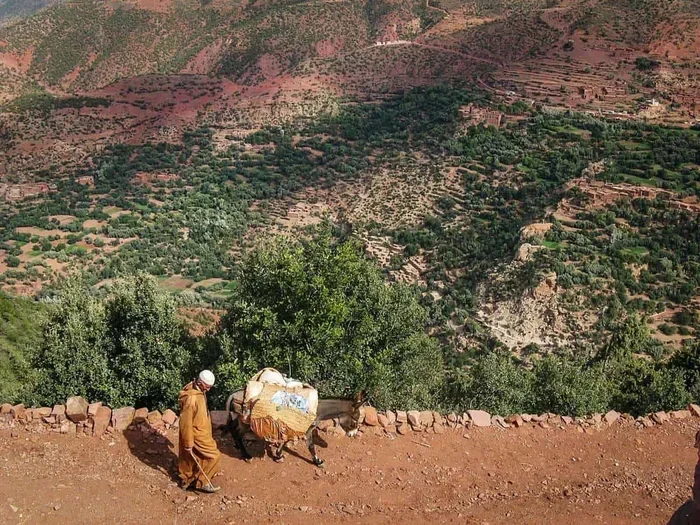
Featured image for Marrakech Fes Morocco road
Image source: vagrantsoftheworld.com
A Marrakech to Fes tour itinerary is one of Morocco’s most rewarding travel experiences, covering roughly 530 kilometers of stunning landscapes, ancient medinas, and cultural treasures. Most travelers spend 3 to 5 days on this route, stopping at highlights like the Atlas Mountains, Ait Benhaddou, and the Sahara Desert before reaching Fes. This guide breaks down the best itinerary options, practical tips, and must-see attractions to help you plan an unforgettable Moroccan adventure.
Imagine standing at the edge of the Sahara Desert at sunset, watching the sand turn gold and crimson. The next morning, you sip mint tea in a centuries-old medina while artisans craft leather using techniques passed down through generations. This is the magic of traveling from Marrakech to Fes.
This route is often called the “grand tour” of Morocco because it packs so much diversity into one journey. In less than a week, you can cross snow-capped mountains, visit UNESCO World Heritage sites, sleep under desert stars, and explore one of the world’s oldest cities. Think of it as Morocco in a nutshell — every landscape, culture, and flavor the country is famous for.
Whether you’re a first-time visitor or a seasoned Morocco traveler, this guide will help you design the perfect itinerary. We’ll cover the best routes, must-see stops, practical tips, and insider advice to make your journey smooth and memorable.
Key Takeaways
- Best Duration: A 3 to 5 day itinerary is ideal for the Marrakech to Fes route, allowing time for desert experiences and cultural stops.
- Must-See Stops: Ait Benhaddou, the Sahara Desert (Merzouga), Ifrane, and the Fes medina are essential highlights.
- Transport Options: Private drivers, small group tours, and self-drive routes each offer different advantages.
- Best Travel Season: March to May and September to November offer the most comfortable weather for this journey.
- Desert Experience: At least one night in the Sahara (Erg Chebbi) is highly recommended for camel trekking and stargazing.
- Cultural Preparation: Understanding basic Berber and Arabic customs enhances interactions with local communities.
- Budget Range: A 4-day tour typically costs between €250-€600 per person, depending on comfort level and inclusions.
📑 Table of Contents
Why Travel From Marrakech to Fes?
Marrakech and Fes are Morocco’s two most iconic imperial cities, each with its own distinct personality. Marrakech dazzles with vibrant souks, rooftop riads, and the famous Jemaa el-Fnaa square. Fes, on the other hand, is a quieter, more spiritual city — home to the world’s oldest continuously operating university and a medina so labyrinthine it feels like stepping into a medieval time capsule.
Did You Know? Fes was founded in 789 AD and became Morocco’s first imperial capital. Today, its medina (Fes el-Bali) is a UNESCO World Heritage Site and houses over 9,000 narrow alleys. Meanwhile, Marrakech was founded in 1070 and remains Morocco’s tourism capital, attracting over 3 million visitors annually.
Traveling between them is not just about reaching a destination — it’s about the journey itself. The route connects four distinct regions: the High Atlas Mountains, the Sahara Desert edge, the Middle Atlas cedar forests, and the northern imperial cities. Each region offers unique experiences that you simply cannot get by flying.
Think of the Marrakech to Fes route as a slice of Morocco’s greatest hits album. Every day brings a new track — mountains today, desert tomorrow, ancient cities after that. It’s the most efficient way to see the country’s geographic and cultural diversity in one trip.
The Distance and Geography
The straight-line distance between Marrakech and Fes is about 400 kilometers (250 miles). However, the actual driving route is closer to 530-700 kilometers (330-435 miles), depending on whether you take the direct highway or the scenic desert detour.
Did You Know? Morocco built the first phase of a high-speed rail line (TGV) connecting Tangier, Rabat, and Casablanca in 2018, reaching speeds of 320 km/h (200 mph). However, no high-speed train directly connects Marrakech to Fes yet, making overland travel the most scenic option for now.
Best Itinerary Options: 3, 4, or 5 Days?
The right itinerary length depends on your travel style, budget, and how much you want to experience along the way. Here are the three most popular options.
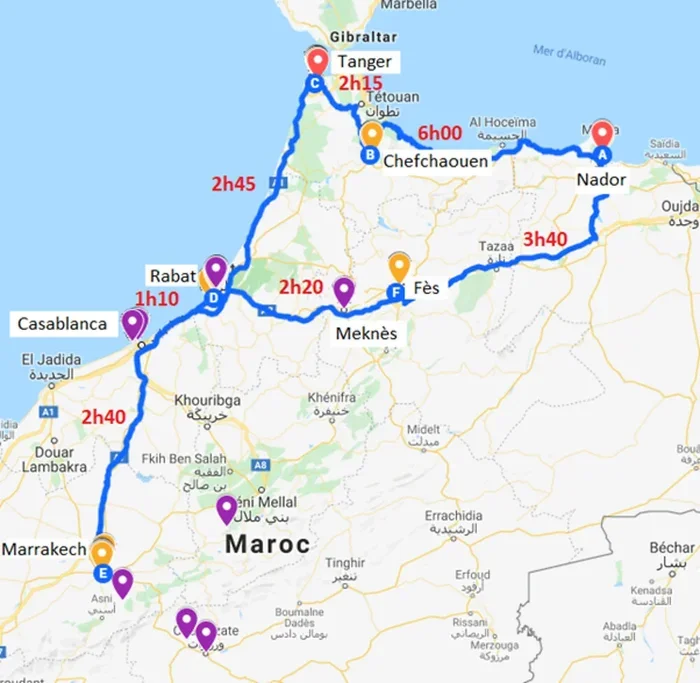
Visual guide about Marrakech Fes Morocco road
Image source: static-forums.routard.com
3-Day Marrakech to Fes Itinerary (Express Route)
Best for travelers short on time who still want a taste of the desert. This route skips some scenic stops but covers the essentials.
- Day 1: Marrakech → Ait Benhaddou → Ouarzazate → Tinghir → Merzouga (Sahara). Drive through the Atlas Mountains, visit the UNESCO kasbah, and arrive at the desert in time for sunset camel trek.
- Day 2: Merzouga → Todra Gorge → Midelt → Ifrane → Fes. Long driving day with stops at dramatic Todra Gorge and the “Switzerland of Morocco” in Ifrane.
- Day 3: Explore Fes medina, Fes el-Jdid, and the Chouara Tanneries.
4-Day Marrakech to Fes Itinerary (Most Popular)
The sweet spot for most travelers. Adds an extra night for cultural exploration and a slower pace.
- Day 1: Marrakech → High Atlas → Ait Benhaddou → Ouarzazate → Dades Valley. Drive over the Tizi n’Tichka pass and overnight among dramatic red-rock canyons.
- Day 2: Dades Valley → Todra Gorge → Erfoud → Merzouga (Sahara). Visit the stunning Todra Gorge and arrive at Erg Chebbi for camel ride and desert camp overnight.
- Day 3: Sahara → Ziz Valley → Midelt → Azrou → Ifrane → Fes. Cross the Middle Atlas cedar forests and spot Barbary macaques before reaching Fes.
- Day 4: Full-day guided tour of Fes medina, including Al-Qarawiyyin University, Bou Inania Medersa, and the famous tanneries.
5-Day Marrakech to Fes Itinerary (In-Depth)
Perfect for travelers who want to linger, add side adventures, or explore lesser-known gems.
- Day 1: Marrakech → Ait Benhaddou → Ouarzazate (with optional film studio visit). Overnight in Ouarzazate, the “Hollywood of Africa.”
- Day 2: Ouarzazate → Todra Gorge → Dades Valley. Hike in Todra Gorge and overnight in a traditional Berber guesthouse.
- Day 3: Dades Valley → Merzouga (Sahara). Camel trek into Erg Chebbi and overnight in luxury desert camp.
- Day 4: Sahara exploration day — 4×4 tour to Khamlia village (Gnawa music), fossil quarries, and seasonal lake. Second night in desert or hotel.
- Day 5: Merzouga → Fes via Middle Atlas. Long travel day with scenic stops in Ziz Valley, cedar forests, and Ifrane. Arrive Fes by evening.
Must-See Stops Along the Route
Each stop on this route tells a chapter of Morocco’s story. Here’s what makes them worth your time.
Ait Benhaddou
This ancient fortified village (ksar) sits along the former caravan route between the Sahara and Marrakech. It’s a UNESCO World Heritage Site and has served as a filming location for Gladiator, Lawrence of Arabia, and Game of Thrones.
Did You Know? Ait Benhaddou has been featured in over 20 Hollywood films and TV series. The earthen clay architecture is built without any modern materials — just rammed earth, straw, and palm wood.
You can climb to the top of the hill for panoramic views or visit one of the few families who still live inside the old kasbah.
Todra Gorge
Imagine a canyon so narrow you can touch both walls with outstretched arms — that’s Todra Gorge. The towering 400-meter (1,300-foot) limestone cliffs attract rock climbers from around the globe, but casual visitors can enjoy a gentle walk through the canyon floor.
The gorge is most photogenic in late morning when sunlight streams between the cliffs. Local Berber women often sell handwoven rugs and silver jewelry at the entrance — bargaining is expected and part of the fun.
Merzouga and Erg Chebbi
The main highlight for most travelers. Erg Chebbi features towering dunes that can reach 150 meters (500 feet) high. The most magical moment is sunrise — when the sand shifts from deep purple to brilliant orange in minutes.
Camel treks typically last 1-2 hours to reach the desert camp. Overnight options range from basic nomadic tents to luxury “glamping” setups with private bathrooms, plush beds, and traditional Berber music around the campfire.
Middle Atlas and Ifrane
After the desert, the landscape transforms dramatically. The Middle Atlas region is covered in cedar forests where wild Barbary macaques live. Azrou is the best place to spot them — just bring peanuts and patience.
Did You Know? Morocco is the only country in North Africa where Barbary macaques still live in the wild. The population in the Middle Atlas is estimated at 4,000-5,000 individuals.
Ifrane, often called “Little Switzerland of Morocco,” surprises visitors with its European-style architecture, clean streets, and alpine atmosphere. It was built as a hill station during French colonial rule.
How to Travel: Transport Options Compared
Choosing how to travel shapes your entire experience. Let’s break down the three main options.
Private Driver and Tour
The most popular and recommended option. A private driver-guide handles navigation, shares local knowledge, and adjusts the pace to your preferences. You get door-to-door service with no haggling at bus stations.
Typical Cost: €400-€800 per person for a 4-day tour (based on 2 travelers sharing), including driver, fuel, accommodation, and some meals. Luxury options can exceed €1,500.
Small Group Tours
Budget-friendly and social. Operators like Intrepid, G Adventures, and local companies run fixed-departure tours for 8-16 people. You share transport and a guide, but accommodation may be in shared rooms.
Typical Cost: €250-€500 per person for 3-4 days, often including accommodation, breakfast, and camel trek.
Self-Drive (Rental Car)
Maximum flexibility but requires confidence with mountain driving. The roads are generally well-maintained, but mountain passes like Tizi n’Tichka demand careful navigation, especially in winter.
Typical Cost: €30-€60 per day for a compact car rental, plus fuel, accommodation, and meals. Allow extra time for getting lost (it happens to everyone).
Tip: If you self-drive, download offline Google Maps and learn basic Moroccan road signs. Avoid driving after dark — many roads lack street lighting, and animals sometimes wander onto highways.
Practical Tips for Your Marrakech to Fes Tour
What to Pack
- Layers: Desert nights can be surprisingly cold (5-10°C / 40-50°F), even when days are hot.
- Modest clothing: Cover shoulders and knees, especially in religious areas and small villages.
- Sun protection: Hat, sunglasses, and SPF 30+ minimum.
- Reusable water bottle: Stay hydrated in dry climates.
- Cash: Many rural areas and small shops don’t accept cards. Bring small dirham notes.
- Headlamp: Useful in desert camps and old medina alleys with poor lighting.
When to Go
The best seasons are spring (March-May) and autumn (September-November). Temperatures are pleasant for hiking and desert camping. Summer (June-August) can be brutally hot, with desert temperatures exceeding 45°C (113°F). Winter (December-February) brings snow to the Atlas Mountains, which is beautiful but can make mountain passes challenging.
Health and Safety
Morocco is generally safe for tourists. Petty theft exists in crowded souks, so keep valuables secure. The tap water is not recommended for visitors — stick to bottled or filtered water. Most travelers experience mild stomach issues; bringing activated charcoal or probiotics is a smart move.
Did You Know? Morocco’s tourism industry welcomes over 13 million visitors annually, making it one of Africa’s most visited countries. Tourism contributes approximately 7% to the national GDP.
Cultural Etiquette
- Ask before photographing people: Especially women and elders.
- Use your right hand: When eating or handing items to locals.
- Tip generously: 10-15% in restaurants, small tips for guides and hotel staff.
- Respect prayer times: Shops and restaurants may close briefly five times daily.
- Bargain politely: In souks, start at 40-50% of the asking price and smile throughout.
Where to Stay: Accommodation Highlights
Accommodation along this route ranges from simple riads to luxury desert camps. Here are some standout options.
Traditional Riads
Riads are traditional Moroccan houses built around a central courtyard. Many have been converted into boutique guesthouses with rooftop terraces. Look for riads in the medinas of Fes and Marrakech for the most authentic experience.
Desert Camps in Merzouga
From basic Berber tents to luxury “glamping” setups, options abound. Premium camps feature en-suite bathrooms, traditional music performances, and gourmet Moroccan cuisine under the stars.
Kasbah Hotels
Several restored kasbahs along the route offer unique stays in historical buildings. The Dades Valley and Skoura region have some of the best examples.
Budget-Friendly Options
Travelers on a budget can find clean, welcoming hotels and hostels in most towns. Even basic accommodations typically include breakfast and mint tea service.
Final Thoughts: Making the Most of Your Journey
The Marrakech to Fes route is more than a transfer between two cities — it’s a carefully curated showcase of Morocco’s soul. Every kilometer reveals new flavors, languages, and landscapes. You might hear Berber spoken in the mountains, Arabic in the cities, and French as a bridge language throughout.
To make the most of your trip, stay flexible. Weather, road conditions, and spontaneous invitations from locals can change even the best-planned itinerary. Sometimes the most memorable moments come from unexpected detours — a roadside stop to share bread with shepherds, a chance encounter in a village market, or a spontaneous invitation to mint tea.
Whether you choose a private driver for comfort, a small group tour for friendship, or a self-drive for adventure, this journey will leave you with stories worth telling for years to come. Morocco has a magical way of staying with travelers long after they leave.
Pack your curiosity, leave room for surprises, and prepare for one of the most rewarding travel experiences in North Africa. The road from Marrakech to Fes is waiting — and it promises to be unforgettable.
Frequently Asked Questions
How many days do I need for a Marrakech to Fes tour?
Most travelers need at least 3 days, but 4 to 5 days is ideal. A 4-day itinerary allows time for the desert experience, mountain scenery, and cultural exploration without rushing. Shorter trips skip key highlights, while longer trips let you add side adventures.
What is the best time of year to travel from Marrakech to Fes?
The best months are March through May and September through November. These shoulder seasons offer mild temperatures, clear skies, and fewer crowds. Summer can be extremely hot in the desert, while winter brings snow to the mountain passes.
Is it safe to travel from Marrakech to Fes?
Yes, this is one of Morocco’s most popular tourist routes and is considered very safe. Petty crime exists in crowded areas, so keep your belongings secure. Traveling with a reputable tour operator or driver is the easiest option for first-time visitors.
Do I need a guide in Fes?
While not strictly required, a local guide is highly recommended for Fes. The medina has 9,000+ narrow alleys that are easy to get lost in, and guides share rich historical context that you would otherwise miss. Many tours include a half-day or full-day guided visit.
How much does a Marrakech to Fes tour cost?
A 4-day private tour typically costs €400-€800 per person (based on two travelers). Small group tours range from €250-€500 per person. Self-drive options can be cheaper but require more planning and confidence with mountain roads.
What should I wear on a Marrakech to Fes tour?
Pack modest, comfortable clothing that covers shoulders and knees. Loose, breathable fabrics work best for hot desert days, while warm layers are essential for cold desert nights and mountain passes. A scarf or shemagh is useful for sun and sand protection.