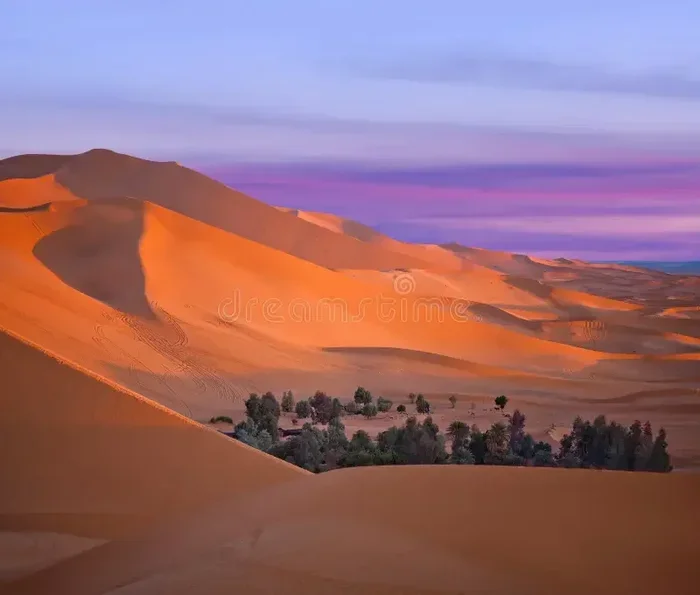
Featured image for Erg Chebbi dunes sunset
Image source: thumbs.dreamstime.com
A 2 day tour from Marrakech to Erg Chebbi is the perfect short escape into Morocco’s legendary Sahara Desert. Travelers journey through the Atlas Mountains, visit traditional Berber villages, and ride camels across golden dunes to reach the iconic Erg Chebbi sand sea. This overnight desert adventure includes camel trekking, a luxury desert camp stay, and unforgettable starlit skies, making it one of the most bucket-list-worthy experiences in North Africa.
Picture this: you’re sitting on top of a camel, swaying gently with each step, as the sun dips behind a wall of golden sand the size of a small mountain. Around you, the Sahara stretches endlessly, the silence broken only by the soft padding of your camel’s feet and the distant call of a Berber nomad. This is what awaits you on a 2 day tour from Marrakech to Erg Chebbi, and trust me, it’s as magical as it sounds.
Morocco’s Erg Chebbi is one of only two true Saharan ergs (or sand seas) in the country, and it’s the most accessible from Marrakech. While other desert tours stretch to 3 or 4 days, a well-planned 2 day tour gives you the full desert experience without eating up your entire Morocco itinerary. Think of it like a perfectly compressed espresso shot of adventure: small in size, but powerful in impact.
In this guide, we’ll break down everything you need to know to plan your trip. From what to pack and when to go, to what the journey actually looks like and how much it costs, you’ll have all the information you need to book with confidence. Let’s dive in.
Key Takeaways
- Erg Chebbi is Morocco’s tallest dune field: Towering up to 150 meters (492 feet) high, Erg Chebbi near Merzouga is the closest major Sahara destination to Marrakech and the most spectacular for a 2-day desert tour.
- The journey covers roughly 560 km (350 miles): A round trip from Marrakech to Erg Chebbi takes you through the High Atlas, Dadès Valley, and Todra Gorge, showcasing Morocco’s most diverse landscapes.
- You don’t need to be an experienced traveler: This tour is beginner-friendly, requires no special fitness level, and suits solo travelers, couples, and families alike.
- Camel trekking is included: Most tours include a 1-1.5 hour camel ride into the dunes, plus sandboarding and traditional Berber music at the desert camp.
- Best season is October to April: Cooler temperatures make desert camping comfortable, while summers can exceed 45°C (113°F) during the day.
- Budget ranges from €80-€200 per person: Prices vary based on camp style (standard vs. luxury), group size, and whether you choose a shared or private tour.
- One night in the desert is magical but two adds depth: While a 2-day tour is time-limited, it captures the essential Sahara experience most travelers dream of.
📑 Table of Contents
- What Is Erg Chebbi and Why Should You Visit?
- What’s Included in a Typical 2 Day Tour from Marrakech to Erg Chebbi?
- How to Choose the Right Tour Operator
- Best Time of Year to Take a 2 Day Tour to Erg Chebbi
- What to Pack for Your Desert Adventure
- How Much Does a 2 Day Marrakech to Erg Chebbi Tour Cost?
- Real Tips from Real Travelers
- Common Itinerary Stops Along the Way
- Is a 2 Day Tour Long Enough?
- What Makes Erg Chebbi Special Compared to Other Saharan Dunes?
- Final Thoughts: Is This Tour Worth It?
What Is Erg Chebbi and Why Should You Visit?
Erg Chebbi is a stunning sea of sand dunes located near the small village of Merzouga in southeastern Morocco. It’s about 560 kilometers (350 miles) from Marrakech, which sounds far, but it’s the closest place where you can truly experience the Sahara Desert without a multi-day expedition.
The dunes here can reach up to 150 meters (492 feet) tall. To put that in perspective, that’s taller than the Statue of Liberty from base to torch tip. Some dunes stretch 22 kilometers (14 miles) long and 5-10 kilometers (3-6 miles) wide. Walking through them feels like being on another planet.
The Geography Behind the Magic
Imagine a giant sandbox that’s been blowing in the wind for millions of years. That’s essentially what an erg is. Sand particles travel across the desert and settle in low-lying basins, building up layer by layer over thousands of years. Wind shapes them into the graceful curves you see today.
Erg Chebbi sits in the Tafilalet region, a historically rich oasis area that was once a key stop on trans-Saharan trade routes. Caravans loaded with gold, salt, and spices passed through here for centuries, and the Berber people have called this land home for generations.
Did You Know?
Morocco’s Sahara sand is actually made of tiny fragments of quartz and other minerals. The golden-orange color comes from iron oxide, the same compound that rusts metal. In the evening light, the dunes glow in shades of pink, red, and deep orange. Scientists say the Sahara is also one of the loudest deserts in the world. Sand grains rubbing together create a low hum that, in some conditions, can reach 105 decibels, louder than a chainsaw.
What’s Included in a Typical 2 Day Tour from Marrakech to Erg Chebbi?
Most 2 day Marrakech to Erg Chebbi desert tours follow a similar itinerary, though the exact stops and inclusions vary by operator. Here’s what you can generally expect.
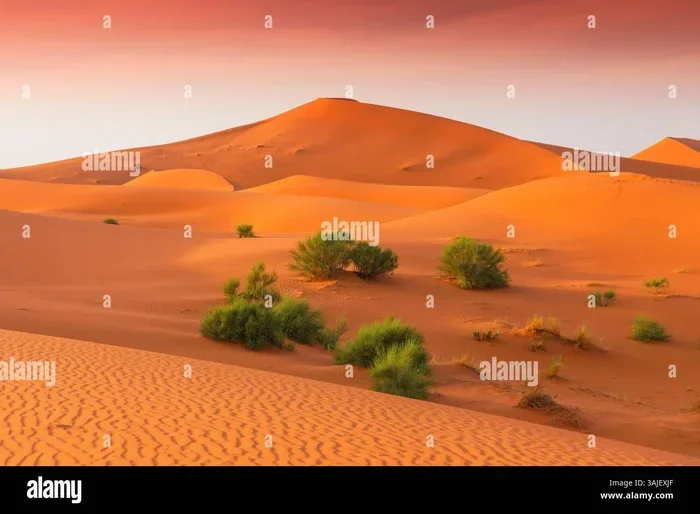
Visual guide about Erg Chebbi dunes sunset
Image source: c8.alamy.com
Day 1: Marrakech to Merzouga
The adventure begins early, usually between 7:00 and 8:00 AM, when your driver picks you up from your hotel or riad in Marrakech. From there, you’ll head southeast toward the Sahara.
The Tizi n’Tichka Pass: Your first major landmark is the High Atlas Mountains. The road climbs to 2,260 meters (7,415 feet) at the Tizi n’Tichka pass. On clear days, you’ll see snow-capped peaks, terraced valleys, and traditional Berber villages clinging to hillsides.
Ait Ben Haddou: Many tours stop at this UNESCO World Heritage Site, a fortified village (kasbah) made of mud bricks that has appeared in movies like Gladiator and Lawrence of Arabia.
Todra Gorge or Dadès Valley: Depending on the route, you might visit either of these dramatic rock formations. Todra Gorge has cliffs that rise 400 meters (1,312 feet) high and are just 10 meters (33 feet) apart at their narrowest point.
Arrival in Merzouga: By late afternoon, you’ll reach the edge of Erg Chebbi. Here, you’ll meet your camel and trek into the dunes as the sun begins to set. The camel ride usually lasts 60-90 minutes.
Overnight in a Desert Camp: You’ll arrive at your Berber-style camp as darkness falls. Expect a traditional tagine dinner, live drumming around a campfire, and sleeping in a private tent (or under the stars, if you prefer).
Day 2: Merzouga to Marrakech
Sunrise Over the Dunes: Wake up before dawn to climb a nearby dune and watch the sunrise. This is widely considered the most magical moment of the entire trip. The cold morning air, the soft light, and the absolute stillness make it unforgettable.
Camel Trek Back: After breakfast, ride your camel back to the village, or opt for a 4×4 transfer if you’d rather skip the bumpy ride.
Return Journey: Your driver will meet you in Merzouga and you’ll begin the long drive back to Marrakech, arriving by early evening (around 7-8 PM).
How to Choose the Right Tour Operator
Not all desert tours are created equal. With dozens of operators offering this route, picking the right one can feel overwhelming. Here’s how to make a smart choice.
Shared vs. Private Tours
Shared Group Tours: These are cheaper, usually ranging from €80-€120 per person. You’ll travel with 10-15 other people in a minibus or 4×4. The downside is a less personalized experience and a stricter schedule.
Private Tours: More expensive (€150-€300+ per person), but you get your own vehicle and driver. You can stop wherever you want, take your time at viewpoints, and customize the itinerary. If you’re traveling as a family or couple, this is often worth the splurge.
Standard vs. Luxury Desert Camps
Tours typically include either a standard or luxury camp experience.
- Standard camps: Shared or private Berber tents with shared bathrooms. Basic but comfortable. Dinner is communal, and the atmosphere is social.
- Luxury camps: Private en-suite tents with proper beds, hot showers, and even air conditioning. These are sometimes called “glamping” camps and can feel like a boutique hotel in the middle of nowhere.
Red Flags to Avoid
Unfortunately, the Marrakech tourism scene has its share of unreliable operators. Watch out for:
- Companies without clear reviews on TripAdvisor or Google
- Unusually low prices (anything under €60 for 2 days is suspicious)
- Pressure tactics or “limited time” deals on the street
- Lack of a written itinerary or breakdown of inclusions
Book through a reputable Moroccan agency or via trusted platforms like GetYourGuide or Viator. If you’re booking directly with a riad or hotel, ask for recommendations from other travelers first.
Best Time of Year to Take a 2 Day Tour to Erg Chebbi
The desert has two seasons: blazing hot and pleasantly cool. Choose wisely based on when you’re traveling.
October to April: The Sweet Spot
This is the peak season for desert tours, and for good reason. Daytime temperatures range from 20-28°C (68-82°F), perfect for camel rides and dune climbing. Nights can be cold, dropping to 5-10°C (41-50°F), so pack warm clothes. December and January are the coldest months, with occasional freezing temperatures at night.
May to September: Hot but Possible
Summer temperatures in Merzouga regularly hit 40-45°C (104-113°F). Sand can reach 60°C (140°F) during the day, which makes walking barefoot or even in thin sandals painful. If you travel in summer, choose a tour with a luxury camp that has air conditioning, and bring plenty of water and sunscreen. Early morning and late evening are the only comfortable times to be outdoors.
Did You Know?
The Sahara Desert was not always a desert. Around 4,000-5,000 years ago, it was a lush green region with rivers, lakes, and even hippos. Climate change slowly transformed it into the arid landscape we know today. Scientists believe the Sahara could “green” again in the future due to shifts in Earth’s orbital patterns, though not for thousands of years.
What to Pack for Your Desert Adventure
Packing smart can make or break your desert experience. Forget what you think you know about travel packing, the desert has its own rules.
Clothing Essentials
- Light, long-sleeved shirts and pants: Protect your skin from sun and sand. Linen and cotton breathe well.
- A warm jacket or fleece: Desert nights get surprisingly cold, even in spring and fall.
- A scarf or shemagh: Perfect for wrapping around your head to block sun and sand.
- Comfortable shoes: Sneakers or light hiking shoes for dune climbing. Sandals are nice for camp but useless on hot sand.
- A swimsuit: Some tours include a stop at a hotel pool or natural spring on the way back.
Other Must-Haves
- Sunscreen (SPF 50+): The Saharan sun is intense and there’s no shade.
- Sunglasses with UV protection: Sand reflects light, which can damage your eyes.
- A headlamp or flashlight: The desert camp has limited lighting, and you’ll want to navigate your tent at night.
- Reusable water bottle: Stay hydrated. Most tours provide water, but having your own is smart.
- Power bank: Electricity at the desert camp is limited and often only available in the main tent.
- Camera with extra batteries: You’ll be taking more pictures than you think.
Things to Leave Behind
You don’t need fancy outfits or heavy hiking gear. Leave the high heels at home. Also, skip the drone unless you have a permit. Moroccan authorities can be strict about drones in protected areas.
How Much Does a 2 Day Marrakech to Erg Chebbi Tour Cost?
Pricing varies widely depending on the type of tour, group size, and camp style. Here’s a realistic breakdown for 2024-2025.
Budget Options (€80-€120 per person)
Shared group tours with standard desert camps. Usually includes transportation, one night of accommodation, breakfast, dinner, and the camel trek. Drinks, tips, and entry fees to attractions are typically extra.
Mid-Range Options (€130-€180 per person)
Smaller group tours (6-10 people) with better vehicles, often including stops at Todra Gorge or Ait Ben Haddou. May include a slightly upgraded camp with private tents.
Luxury Options (€200-€400+ per person)
Private tours with luxury desert camps featuring en-suite bathrooms, fine dining, and premium service. Some include extras like private 4×4 transfers to the camp, sunset cocktails, or even hot air balloon rides.
What’s Usually Not Included
- Lunch on both days (€5-€10 per meal at local restaurants)
- Drinks (water, tea, soft drinks)
- Entry fees to Ait Ben Haddou (around €3-€5)
- Tips for your driver and camel guide (€5-€10 each is appreciated)
- Personal expenses and souvenirs
Real Tips from Real Travelers
Before you book, here are some hard-earned lessons from people who’ve done this trip.
Tip 1: Bring Your Own Snacks
The drive is long, and restaurants along the way can be hit or miss. Pack nuts, dried fruit, or energy bars to keep your energy up between stops.
Tip 2: Don’t Trust Your Phone Signal
Cell service drops dramatically once you’re deep in the Atlas Mountains. Download offline maps on Google Maps before you leave Marrakech. This can be a lifesaver if you get separated from your group.
Tip 3: Listen to Your Camel Guide
Camel riding looks easy, but it’s not as simple as sitting on a horse. Lean back when the camel stands up and holds on tight during the ride. Trust your guide, especially when navigating steep dunes.
Tip 4: Be Mindful of Cultural Norms
Morocco is a Muslim country. Dress modestly, especially in villages. Avoid public displays of affection and always ask permission before photographing people.
Tip 5: Manage Your Expectations About “Luxury”
Even luxury desert camps are rustic compared to city hotels. You’re in the middle of the Sahara. Expect basic plumbing, limited electricity, and unpredictable weather. Embrace it. That’s part of the charm.
Tip 6: Bring a Star Map App
The night sky in the Sahara is breathtaking. Light pollution is virtually nonexistent. Apps like SkyView or Star Walk let you point your phone at the sky and identify constellations. It’s a magical experience.
Common Itinerary Stops Along the Way
While the exact route depends on your operator, most 2 day Marrakech to Erg Chebbi tours include some combination of these stops.
Ait Ben Haddou
This ancient kasbah has been a backdrop for films like Gladiator, Kingdom of Heaven, and Game of Thrones. It’s a UNESCO site and one of the most photogenic spots in Morocco.
Ouarzazate
Known as the “Hollywood of Africa,” this city is home to major film studios and the Taourirt Kasbah. It’s a popular lunch stop on the way to the desert.
Todra Gorge
A stunning canyon with 400-meter (1,312-foot) cliffs. It’s a favorite among rock climbers, but even non-climbers enjoy walking along the river at the bottom.
Todra and Dadès Valleys
These “Valley of a Thousand Kasbahs” routes are dotted with traditional mud-brick fortresses. Some tours include a stop at the famous “Monkey Fingers” rock formation in Dadès.
Erfoud
A desert town known for its fossil workshops. If you’re into paleontology or unique souvenirs, this is a great place to buy polished trilobite fossils.
Is a 2 Day Tour Long Enough?
Let’s be honest: 2 days is short. The drive alone takes about 9-10 hours round trip, which means you have limited time to enjoy each stop. If you have 3 or 4 days, you can add more stops, take your time at Ait Ben Haddou, or even spend a second night in the desert.
But here’s the thing: most travelers don’t have unlimited time in Morocco. A 2 day tour captures the essence of the Sahara experience, the camel ride, the dunes, the camp, the sunrise, and the stars. If you’re on a tight schedule or this is your first visit to Morocco, 2 days is more than enough.
When to Consider a Longer Tour
- You’re a photographer who wants golden hour shots at multiple stops
- You want to visit Fes or Chefchaouen as well
- You’re traveling with kids and need more flexibility
- You want to add activities like quad biking or sandboarding
When 2 Days is Perfect
- You’re on a Morocco itinerary that includes other cities like Essaouira or Casablanca
- You want a taste of the Sahara without committing to multiple nights
- You’re on a budget and want the most efficient use of your time
What Makes Erg Chebbi Special Compared to Other Saharan Dunes?
Morocco actually has two famous ergs: Erg Chebbi near Merzouga and Erg Chigaga near M’Hamid. Many travelers wonder which one to choose.
Erg Chebbi (Merzouga)
- Closer to Marrakech (about 560 km / 350 miles)
- Larger dunes, some reaching 150 meters
- Better infrastructure with more camp options
- Accessible by regular minibus or 4×4
- More touristy, but still stunning
Erg Chigaga (M’Hamid)
- Farther from Marrakech (about 760 km / 470 miles)
- Smaller, but more remote and wild
- Fewer facilities and more basic camps
- Requires a 4×4 for the last stretch
- Less crowded, more “authentic” feel
For a 2 day tour, Erg Chebbi is the clear winner. It’s logistically easier, has more camp options at every price point, and the dunes are just as spectacular.
Final Thoughts: Is This Tour Worth It?
If you’ve ever dreamed of seeing the Sahara, riding a camel, or sleeping under a sky so full of stars it looks fake, then yes, a 2 day tour from Marrakech to Erg Chebbi is absolutely worth it. It’s one of the most iconic experiences in Morocco, and arguably in all of Africa.
Yes, the drive is long. Yes, it can be cold at night. And yes, you’ll probably come back with sand in places you didn’t know existed. But those minor inconveniences are part of what makes the trip memorable. The Sahara has a way of putting life into perspective. When you’re sitting on top of a dune, watching the sun sink below an endless horizon, you’ll understand why travelers have been coming here for centuries.
Book your tour, pack your bags, and get ready for an adventure you’ll talk about for years to come.
Frequently Asked Questions
How far is Erg Chebbi from Marrakech?
Erg Chebbi is approximately 560 kilometers (350 miles) from Marrakech. The drive takes around 9-10 hours one way, depending on stops and road conditions, which is why most tours spread the journey over two days with an overnight stay in the desert.
Is a 2 day desert tour from Marrakech suitable for families with kids?
Yes, 2 day tours to Erg Chebbi are family-friendly. Children as young as 4-5 years old can ride camels (usually sharing with a parent), and most desert camps welcome families. Just be sure to bring warm clothes for kids at night and plenty of water and snacks for the journey.
What is the best month to visit Erg Chebbi?
The best months are October, November, March, and April. These months offer comfortable daytime temperatures between 20-28°C (68-82°F) and cool but not freezing nights. December and January are also popular but can be very cold at night.
Do I need travel insurance for a desert tour?
While not strictly required, travel insurance is highly recommended. Make sure your policy covers activities like camel riding and desert camping. Some operators also require proof of insurance before booking.
Can I do a 2 day tour to Erg Chebbi on a budget?
Yes, budget options start at around €80-€120 per person for shared group tours. These include transportation, the camel ride, one night in a standard desert camp, and meals. You can save more by avoiding peak season and booking in advance through reputable agencies online.
Is camel riding safe for beginners?
Camel riding is generally safe, even for first-timers. Camels are well-trained, and guides accompany every tour. The ride can be a bit uncomfortable, especially when the camel stands up or sits down, but it’s not physically demanding. Pregnant women or people with severe back problems should consult their doctor before booking.