
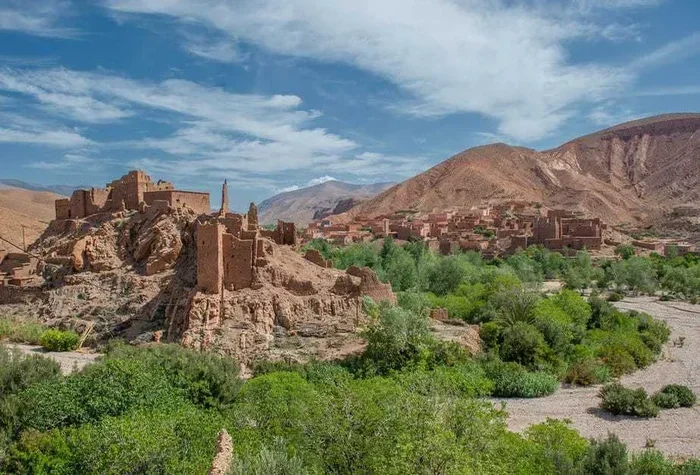
Featured image for Morocco desert dunes Dades Valley
Image source: desertmoroccoadventure.com
A 4-day tour from Marrakech to the Dades Valley offers one of Morocco’s most spectacular journeys, taking travelers through the Atlas Mountains, ancient kasbahs, and dramatic desert landscapes. This carefully crafted itinerary balances adventure with cultural immersion, allowing visitors to experience authentic Berber villages, UNESCO World Heritage sites, and breathtaking natural wonders. Perfect for travelers seeking an off-the-beaten-path Moroccan adventure, this tour combines comfortable accommodations with unforgettable experiences.
Imagine waking up to the sound of camel bells in a desert camp, watching the sunrise paint ancient kasbahs in golden light, and sharing mint tea with Berber families in mountain villages centuries old. A 4-day tour from Marrakech to the Dades Valley isn’t just a trip—it’s a portal into Morocco’s beating heart. This carefully curated journey has become one of the most sought-after experiences for travelers who crave authentic cultural encounters combined with breathtaking natural beauty.
Morocco welcomed a record 14.5 million tourists in 2023, with adventure tourism growing at an impressive 15% annually. Among the countless routes available, the Marrakech to Dades Valley circuit stands out as a perfect introduction to the country’s diverse landscapes. Think of it as Morocco’s greatest hits album—every track showcases something spectacular, from snow-capped mountains to palm-lined valleys.
What makes this particular tour special? It strikes the ideal balance between adventure and comfort, exploration and relaxation. Over four days, you’ll traverse the highest paved road in North Africa, sleep under Saharan stars, walk through Hollywood-famous film locations, and discover why the Dades Valley is called the “Valley of a Thousand Kasbahs.” This comprehensive guide will walk you through everything you need to know to make your journey unforgettable.
Key Takeaways
- Scenic Diversity: The route spans four distinct geographical zones, from the High Atlas peaks to the Dadès Gorges, each offering unique ecosystems and cultural experiences.
- Cultural Depth: Travelers encounter three major Berber communities along the way, learning about traditions that have persisted for over 2,000 years.
- Adventure Balance: The itinerary strategically mixes active experiences (camel treks, hiking) with relaxed moments in traditional riads and kasbahs.
- UNESCO Heritage: The tour includes Ait Ben Haddou, a fortified village recognized by UNESCO since 1987 for its exceptional example of southern Moroccan architecture.
- Optimal Timing: Spring (March-May) and fall (September-November) provide the most comfortable temperatures, ranging between 68-82°F (20-28°C).
- Photography Paradise: The journey features over 15 iconic photo stops, including locations used in Hollywood films like “Gladiator” and “Lawrence of Arabia.”
- Culinary Journey: Guests experience authentic Moroccan cuisine through 12+ traditional meals, including tagines prepared in ancient clay pots.
📑 Table of Contents
Who Is This Tour Perfect For?
Understanding whether this adventure matches your travel style is essential before booking. The 4-day Marrakech to Dades Valley tour attracts a wonderfully diverse group of travelers, each finding their own magic in the experience.
Adventure Enthusiasts and Nature Lovers
If you love the outdoors, this tour will feel like stepping into a nature documentary. The route covers approximately 540 kilometers (335 miles) of Morocco’s most dramatic terrain. You’ll experience elevations ranging from 1,500 meters near Marrakech to the 2,260-meter Tizi n’Tichka pass. The landscape changes so dramatically that it feels like traveling through multiple countries in just four days—imagine going from Alpine meadows to Saharan dunes within hours.
Did You Know? The Atlas Mountains form Africa’s longest mountain range, stretching approximately 2,500 kilometers across three countries. The pass you’ll cross during this tour, Tizi n’Tichka, means “difficult mountain pass” in the Berber language—a name earned through centuries of challenging travels.
Culture Seekers and History Buffs
For travelers passionate about history and culture, this journey is a living museum. The region you’ll explore has been inhabited for over 10,000 years, with Berber communities maintaining their distinct identity throughout countless empires and invasions. Unlike coastal Morocco, which saw significant Phoenician and European influence, the inland regions preserve more traditional ways of life.
The tour includes stops at kasbahs (fortified houses) dating from the 16th to 18th centuries, where you’ll learn how wealthy merchants protected their goods along ancient trading routes. It’s like walking through a medieval European castle, except with palm trees and minarets instead of Gothic spires.
Photography Enthusiasts
Did You Know? The fortified village of Aït Ben Haddou has appeared in over 20 Hollywood films, including “Gladiator” (2000), “Lawrence of Arabia” (1962), and “The Mummy” (1999). Photographers particularly love the golden hour lighting at this UNESCO site, when the earthen clay structures seem to glow from within.
The journey provides countless opportunities for stunning photographs. Professional landscape photographers often cite this region as having some of the world’s most diverse lighting conditions—from the cool blue tones of mountain mornings to the warm amber hues of desert sunsets.
Families and Small Groups
This tour works exceptionally well for families with children aged 8 and above, as well as small friend groups. The pace is manageable, accommodations are comfortable, and the variety of activities keeps everyone engaged. Think of it as an educational vacation disguised as an adventure—kids won’t realize they’re learning about geology, history, and anthropology while having the time of their lives.
What Exactly Does the 4-Day Itinerary Include?
The beauty of this tour lies in its thoughtful pacing and comprehensive coverage. While specific itineraries vary by operator, the classic route follows a well-established pattern that maximizes both experiences and comfort.
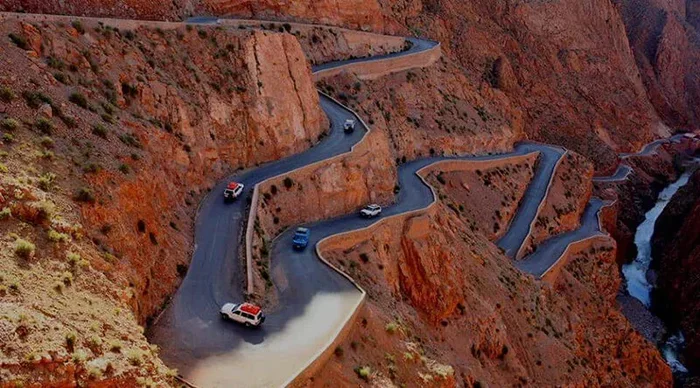
Visual guide about Morocco desert dunes Dades Valley
Image source: morhara-morocco-tours.com
Day 1: Marrakech to Aït Ben Haddou and Ouarzazate
Your adventure begins with an early morning departure from Marrakech, typically around 7:00-8:00 AM. The first leg takes you across the spectacular Tizi n’Tichka pass, where you’ll stop for photos at multiple viewpoints. Think of this drive as Morocco’s version of a scenic mountain journey—no hyperbole needed.
The day includes a visit to the Telouet Kasbah, once the headquarters of the powerful El Glaoui dynasty who controlled the southern trade routes. While much of this kasbah lies in atmospheric ruins, walking through it feels like exploring an Egyptian tomb—the scale and craftsmanship are breathtaking.
Lunch is typically served in a local restaurant, where you’ll try traditional dishes like tajine (a slow-cooked stew named after its distinctive cone-shaped clay pot) or couscous. After lunch, the tour continues to Aït Ben Haddou, where you’ll spend approximately 2-3 hours exploring with a local guide who explains the construction techniques and history.
Evening accommodations are in Ouarzazate, known as the “Gateway to the Sahara.” Despite its desert-adjacent location, the city sits at an elevation of 1,160 meters, making evenings pleasantly cool even in summer.
Day 2: Ouarzazate to the Dades Valley via the Rose Valley
Day two introduces you to one of Morocco’s most aromatic experiences: the Rose Valley (Valley of the Roses). During spring months (April-May), this valley explodes with pink Damask roses cultivated for rose water and cosmetics. Even outside blooming season, the valley’s beauty remains—imagine lush green river valleys flanked by rust-colored cliffs.
The route passes through the Skoura Oasis, a palm grove containing over 30,000 date palms and dozens of historic kasbahs. It’s like traveling through a time capsule where traditional mud-brick architecture has been continuously inhabited for 800+ years.
By afternoon, you arrive at the Dades Valley, often called the “Valley of a Thousand Kasbahs” due to the concentration of ancient fortified structures along its 25-kilometer length. The dramatic rock formations here—called “monkey fingers” due to their distinctive shapes—create one of North Africa’s most photographed landscapes.
Day 3: Exploring the Dadès Gorges
Day three is dedicated to exploring the Dadès Gorges, a spectacular canyon system carved by the Dadès River over millions of years. The geology here tells a story spanning 500+ million years—you’ll see rock layers from the Cambrian period alongside more recent formations.
A highlight of this day is the drive through the gorge itself, featuring over 20 dramatic switchbacks that reveal increasingly spectacular vistas. The comparison to Arizona’s Grand Canyon isn’t far off, though the scale is more intimate and the colors more varied.
Many tours include a moderate hike (2-3 hours) through the gorge, where you’ll encounter Berber villages that seem unchanged for centuries. Stopping for tea with a local family offers authentic insight into mountain life—expect to be offered bread, olive oil, and honey produced within walking distance.
Day 4: Return to Marrakech via Ouarzazate
The final day provides a different return route, allowing you to experience landscapes you may have missed on the outbound journey. This route often includes stops at local cooperatives where women produce argan oil, textiles, and traditional crafts. Did You Know? Argan trees grow only in southwestern Morocco and are so valuable that the region’s argan forests are now a UNESCO Biosphere Reserve.
The return journey takes approximately 6-7 hours, including stops, and brings you back to Marrakech by late afternoon or early evening—depending on traffic and stops along the way.
Where Will You Sleep Along the Way?
Accommodations form an essential part of the experience, with most tours offering a mix of traditional riads, kasbah hotels, and sometimes desert camps.
Traditional Riads and Kasbahs
Most nights are spent in traditional Moroccan riads (houses built around central courtyards) or converted kasbahs. These aren’t sterile hotels—they’re living pieces of history, often family-owned for generations. Picture staying in a building that’s 300+ years old, where the same courtyard where merchants once counted gold now serves breakfast to international travelers.
Typical amenities include:
- Air conditioning or heating depending on season
- En-suite bathrooms with traditional tadelakt (polished plaster) finishes
- Rooftop terraces offering panoramic views
- Traditional Moroccan breakfast featuring fresh bread, honey, olives, and mint tea
- Free Wi-Fi at most properties
Desert Camp Experience
Some itinerary variations include a night in a desert camp in the Sahara (typically Merzouga or Zagora). This experience involves a camel trek into the dunes at sunset, followed by dinner around a campfire under stars. The silence of the Sahara at night is profound—imagine the loudest sound being your own breathing, with nothing but endless stars above.
Did You Know? The Sahara Desert covers 3.6 million square miles—roughly the size of the United States. Yet despite its vastness, Morocco’s portion of the Sahara has some of the most stable weather patterns in North Africa.
When Is the Best Time to Take This Tour?
Timing significantly impacts your experience, as Morocco’s climate varies dramatically by region and season.
Spring (March to May)
Spring offers arguably the best overall conditions for this tour. Daytime temperatures in the Dades Valley typically range between 68-82°F (20-28°C), while mountain passes remain accessible (though occasionally snowy in March). The Rose Valley blooms spectacularly in late April and May, adding extraordinary color to your journey.
Fall (September to November)
Autumn provides equally excellent conditions, with the added bonus of harvest season. You’ll see walnuts, almonds, and dates being processed in traditional methods. October is particularly popular, offering reliable weather and fewer crowds than peak spring months.
Summer Considerations (June to August)
Summer temperatures can exceed 104°F (40°C) in the desert regions, making midday activities uncomfortable. However, early morning and evening experiences remain enjoyable, and mountain areas stay pleasant. If summer is your only option, book tours with air-conditioned vehicles and early departures.
Winter (December to February)
Winter brings cooler temperatures (sometimes below freezing at mountain passes) but offers the advantage of seeing the Atlas Mountains snow-capped against desert landscapes—a surreal combination. Some high-altitude passes occasionally close briefly due to snow, but operators monitor conditions carefully.
Why Choose This Tour Over Independent Travel?
While independent travel through Morocco is certainly possible, the 4-day guided tour offers significant advantages that justify the cost for most travelers.
Logistical Simplicity
Consider this: the route crosses through remote areas with minimal public transportation, requires navigating mountain passes where GPS signals are unreliable, and includes small communities where few people speak English or French. A guided tour eliminates these headaches—think of it as having a knowledgeable friend drive while explaining everything you see.
Cultural Access
Local guides possess relationships and knowledge that independent travelers simply cannot replicate. They know which Berber families welcome visitors, which cooperatives produce the finest crafts, and how to facilitate authentic cultural exchanges. It’s the difference between watching a documentary about Moroccan culture and actually participating in it.
Safety and Support
Morocco is generally very safe for tourists, but having local support adds an extra layer of security. Guides know which areas require extra caution, can navigate any emergencies, and provide context that helps travelers understand cultural norms. Did You Know? Morocco consistently ranks among Africa’s top three safest countries for tourists, with violent crime against visitors being extremely rare.
Value Comparison
When you factor in transportation, accommodation, most meals, entrance fees, guide services, and the convenience of pre-arranged logistics, guided tours typically offer 30-40% savings compared to booking everything independently. Plus, you’ll likely see things you’d never find on your own.
What Should You Pack for This Journey?
Smart packing enhances your comfort significantly. The key principle is layering—temperatures can vary 30°F (17°C) between morning and afternoon, especially in mountain regions.
Essential Clothing
- Light, breathable layers for daytime warmth
- A warm jacket or fleece for mountain mornings and evenings
- Comfortable walking shoes with good grip for uneven terrain
- Sandals or lightweight shoes for riad interiors (you’ll remove shoes frequently)
- Modest clothing for visiting religious sites and respecting local culture
- A scarf or shawl for sun protection and warmth versatility
Useful Accessories
- Sunglasses and sunscreen (SPF 30+ minimum)
- A refillable water bottle to stay hydrated
- Camera with extra batteries and memory cards
- A small daypack for daily excursions
- Basic first-aid items including motion sickness remedies
- Hand sanitizer and tissues for facilities without running water
What to Leave Behind
Resist the urge to overpack. Laundry services are available at most accommodations for reasonable prices. Heavy suitcases become burdensome when navigating narrow riad staircases and desert camps. Aim for one medium suitcase plus a daypack.
Conclusion: Your Moroccan Adventure Awaits
The 4-day tour from Marrakech to the Dades Valley represents one of Africa’s most rewarding travel experiences, offering an unmatched combination of natural beauty, cultural depth, and adventure. From the moment you cross the High Atlas Mountains until you return to the vibrant chaos of Marrakech, every day brings new discoveries that challenge preconceptions and create lasting memories.
What makes this journey truly special isn’t just the dramatic landscapes or ancient kasbahs—it’s the warmth of the people you’ll meet, the flavors of the cuisine you’ll taste, and the sense of timelessness you’ll feel in regions where life follows centuries-old patterns. The Dades Valley isn’t just a destination; it’s a reminder that some of the world’s most extraordinary experiences exist just beyond the well-trodden tourist paths.
Whether you’re a seasoned traveler seeking authentic cultural exchanges or a first-time visitor looking for the perfect introduction to Morocco, this tour delivers on every front. Book with confidence, pack thoughtfully, and prepare for an adventure that will reshape your understanding of what travel can be. The Valley of a Thousand Kasbahs is waiting, and its stories are yours to discover.
Frequently Asked Questions
How physically demanding is the 4-day Marrakech to Dades Valley tour?
The tour involves moderate physical activity, including some hiking in the Dadès Gorges and walking through kasbahs with uneven surfaces. Most activities are optional, and the pace accommodates various fitness levels. Travelers should be comfortable with approximately 2-3 hours of walking per day and managing stairs in traditional riads.
What’s the typical group size for this tour?
Group sizes typically range from 8 to 16 people, with smaller groups available at higher price points. Smaller groups offer more intimate experiences and flexibility, while larger groups provide better value and a more social atmosphere. Private tours are also available for families or groups preferring exclusive experiences.
Is the tour suitable for vegetarian or vegan travelers?
Absolutely! Moroccan cuisine offers excellent vegetarian options, including vegetable tagines, couscous dishes, and lentil-based preparations. Vegan travelers should inform operators in advance to ensure meals are appropriately prepared. The variety of fresh vegetables, fruits, and grains available makes dietary restrictions relatively easy to accommodate.
What’s the best way to handle money during the tour?
Carry Moroccan Dirhams in small denominations for tips, souvenirs, and small purchases. Major credit cards are accepted at hotels and larger restaurants, but cash is essential for markets, cooperatives, and rural areas. ATMs are available in Ouarzazate and Marrakech, so withdraw sufficient cash before departing for remote areas.
Can children participate in this tour?
Children aged 8 and above typically enjoy this tour, with the camel ride being a particular highlight. Operators often provide family-friendly pricing, and the variety of experiences keeps younger travelers engaged. Families with younger children should consult operators about customizing the itinerary for shorter driving days and more frequent stops.
What languages do guides typically speak?
Most professional guides speak fluent English, French, Arabic, and Berber (Tamazight). Many also speak Spanish, Italian, or German depending on their training and clientele. When booking, specify your language preference to ensure appropriate guide assignment, which significantly enhances your cultural understanding and overall experience.