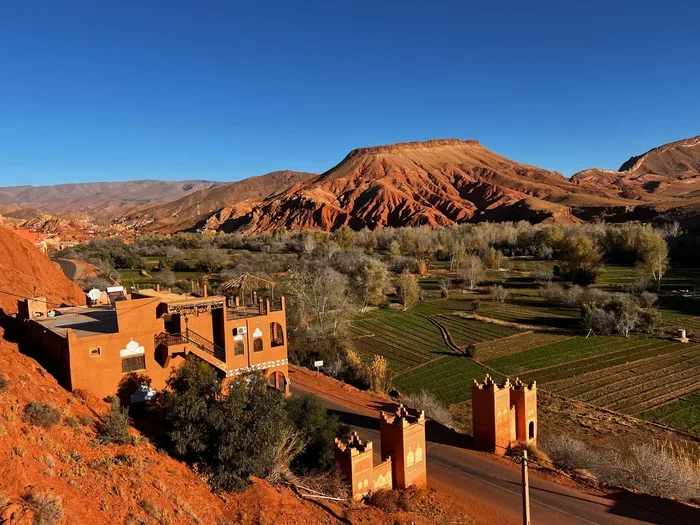
Featured image for Marrakech to Dades Valley landscape
Image source: amoroccotour.com
A 9 days tour from Marrakech to Dades Valley is the ultimate Moroccan adventure, taking you through imperial cities, ancient kasbahs, and the breathtaking Sahara Desert. This carefully planned itinerary balances cultural immersion with natural wonders, offering stays in traditional riads, camel treks into Erg Chebbi, and scenic drives through the Atlas Mountains. Perfect for first-time visitors and seasoned travelers alike, this journey showcases Morocco’s diverse landscapes and rich heritage in just over a week.
Imagine waking up to the call to prayer echoing over a bustling medina, then watching the sun melt into golden Sahara dunes just days later. Picture yourself winding through ancient kasbahs, sipping mint tea with Berber families, and standing before landscapes that look painted by an artist’s imagination. This isn’t a dream. This is the reality waiting for you on a 9-day tour from Marrakech to Dades Valley.
Morocco is a country that captures all five senses. The scent of spices fills narrow alleyways. The taste of tagine lingers on your tongue. The feel of warm desert sand slips through your fingers. The sound of drums pulses through mountain villages. The sight of snow-dusted peaks meeting red desert sands takes your breath away.
Many travelers visit Morocco and only see Marrakech or Casablanca. They miss the heart of the country. A 9-day tour from Marrakech to Dades Valley solves this problem. It gives you time to truly experience Morocco. You won’t just pass through. You’ll dive deep into the culture, history, and natural beauty that make this North African gem so special.
This guide walks you through everything you need to know. We’ll cover the route, the highlights, the practical tips, and the small details that turn a good trip into a great one. Whether you’re a solo adventurer, a couple seeking romance, or a family wanting memories, this journey has something for you.
Key Takeaways
- Comprehensive Route: The 9-day itinerary covers Marrakech, Aït Ben Haddou, Ouarzazate, Todra Gorge, Merzouga, and Dades Valley, offering a complete Moroccan experience.
- Sahara Desert Adventure: Camel trekking and overnight camping in Erg Chebbi are highlights, providing unforgettable sunrise and sunset experiences.
- Cultural Immersion: Visits to Berber villages, UNESCO World Heritage sites, and traditional souks deepen your understanding of Moroccan heritage.
- Diverse Landscapes: From snow-capped Atlas Mountains to golden dunes and lush valleys, the tour showcases Morocco’s geographical diversity.
- Comfortable Accommodations: Mix of traditional riads, desert camps, and mountain hotels ensure restful stays throughout the journey.
- Best Travel Season: Spring (March-May) and autumn (September-November) offer ideal weather for desert excursions and mountain drives.
- Budget-Friendly Option: Compared to shorter tours, the 9-day format provides better value with extended time at each destination.
📑 Table of Contents
- Why Choose a 9-Day Tour from Marrakech to Dades Valley?
- The Complete Itinerary Breakdown
- Essential Tips for Your 9-Day Marrakech to Dades Valley Tour
- Choosing the Right Tour Operator
- Making the Most of Your Cultural Experience
- Frequently Asked Questions About 9-Day Tours from Marrakech to Dades Valley
- Conclusion: Your Moroccan Adventure Awaits
Why Choose a 9-Day Tour from Marrakech to Dades Valley?
You might wonder why 9 days specifically. Why not 5 days? Why not 14? The answer lies in geography and experience. Morocco’s must-see spots are spread out. Marrakech sits in the west. The Sahara lies in the east. Between them, mountains rise and valleys stretch. Trying to see everything in a few days means spending more time in vehicles than exploring.
The Perfect Balance of Time and Discovery
A 9-day tour strikes the perfect balance. It’s long enough to include the Sahara without rushing. It’s short enough to fit into most vacation schedules. According to the Moroccan Ministry of Tourism, the average visitor stays 7-10 days, making this itinerary ideal for the typical traveler.
Did You Know? The drive from Marrakech to Merzouga (the Sahara gateway) takes about 9 hours. Without overnight stops, you’d arrive exhausted. The 9-day format breaks this journey into manageable, scenic chunks.
What Makes This Route Special
This isn’t just a point-A-to-point-B trip. The route forms a loop that includes Morocco’s most iconic landscapes. You start in vibrant Marrakech, travel through the Atlas Mountains, visit film-famous Ouarzazate, explore the stunning Dades and Todra valleys, and experience the Sahara before returning.
Think of it like reading a great novel. Each chapter builds on the last. The medina prepares you for the mountains. The mountains prepare you for the desert. The desert leaves you speechless. Every stop adds depth to your understanding of Morocco.
The Complete Itinerary Breakdown
Let’s walk through each day of this incredible journey. I’ll share what you’ll see, where you’ll stay, and what makes each stop special.
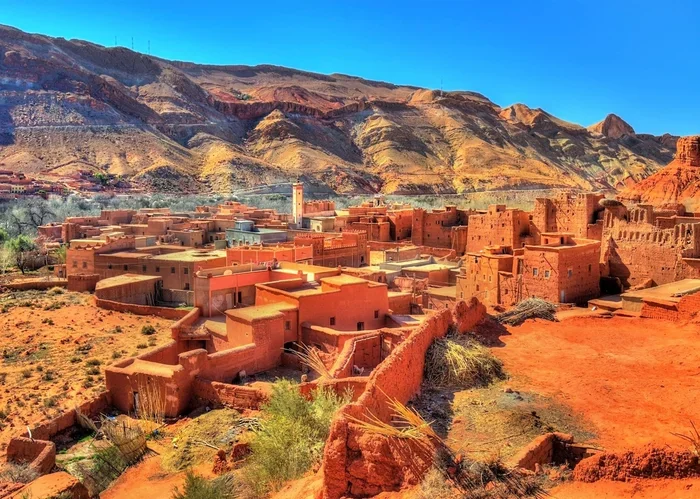
Visual guide about Marrakech to Dades Valley landscape
Image source: cdn.audleytravel.com
Day 1-2: Discovering Marrakech
Your adventure begins in Marrakech, often called the “Red City” due to its distinctive red sandstone buildings. Founded in 1070, Marrakech has been a major trading post for nearly a thousand years. The medina is a UNESCO World Site, and walking through it feels like stepping back in time.
Key highlights include:
- Jemaa el-Fnaa Square: The heart of Marrakech comes alive at night with storytellers, musicians, and food stalls. It’s been called “the most famous square in Africa.”
- Bahia Palace: A stunning example of Moroccan architecture with intricate tilework and peaceful gardens.
- Saadian Tombs: Hidden for centuries, these royal tombs showcase beautiful craftsmanship from the 16th century.
- Majorelle Garden: A cobalt-blue oasis in the city, once owned by fashion designer Yves Saint Laurent.
For accommodation, consider staying in a traditional riad. These are old merchant houses converted into boutique hotels. They feature interior courtyards, rooftop terraces, and authentic Moroccan design. Many cost less than $100 per night, offering incredible value.
Day 3: Crossing the Atlas Mountains to Aït Ben Haddou
Day three brings dramatic change. You leave the city behind and climb into the High Atlas Mountains. The Tizi n’Tichka pass reaches over 7,400 feet. On clear days, you can see for miles. The road winds through Berber villages where life has barely changed in centuries.
Aït Ben Haddou is the day’s main destination. This fortified village (ksar) dates back to the 17th century. Its earthen clay architecture has served as a backdrop for Hollywood films like “Gladiator,” “Lawrence of Arabia,” and “Game of Thrones.” Walking through it feels like entering a movie set because it literally has been one.
Pro Tip: Hire a local guide at Aït Ben Haddou. They know the history and can show you the best photo spots. The climb to the top of the hill rewards you with panoramic views of the surrounding valley.
Day 4: Ouarzazate and the Road of a Thousand Kasbahs
Often called the “Gateway to the Sahara,” Ouarzazate is your next stop. The town is famous for its film studios, where movies and TV shows are produced. Taourirt Kasbah is well worth a visit. It’s one of the largest kasbahs in Morocco and offers insight into how wealthy families lived in earlier centuries.
After Ouarzazate, you travel along the famous “Road of a Thousand Kasbahs.” This route passes dozens of ancient fortress-like homes. Each one tells a story of trade, protection, and Berber pride. Stopping at Skoura Oasis is a must. Here, palm groves surround crumbling kasbahs, creating a scene straight out of a storybook.
Day 5-6: Todra Gorge and the Journey to Merzouga
The next two days bring you deeper into Morocco’s natural wonders. Todra Gorge is a canyon with walls rising 400 meters high. Rock climbers love it. Photographers adore it. The sound of water echoing off stone creates a peaceful atmosphere. You can hike through the gorge, explore local villages, or simply sit and absorb the scale.
From Todra, you continue toward Merzouga, the gateway to Erg Chebbi. These are Morocco’s most dramatic sand dunes. Some reach 500 feet tall. The landscape shifts from rocky mountains to sandy plains to towering dunes. It’s a transition that feels almost otherworldly.
Did You Know? Erg Chebbi covers about 22 square miles. The dunes shift with the wind, meaning the landscape you see today may look different next year. Nature is still sculpting this masterpiece.
Day 6-7: Sahara Desert Experience
Your desert adventure begins in Merzouga. You’ll mount camels and trek into the dunes as the sun begins its descent. The ride takes about 1.5 hours. Your “ship of the desert” carries you across sands that glow orange, pink, and gold as light changes.
Your overnight accommodation is a Berber desert camp. These range from basic to luxury. Even the simpler camps feature comfortable beds, traditional music, and tagine dinners cooked over open fires. Sitting around a campfire under stars that seem close enough to touch is a memory that stays forever.
What to expect at camp:
- Traditional Moroccan dinner (usually includes vegetable tagine, bread, and mint tea)
- Berber music performed by local guides
- Stargazing in one of the clearest skies on Earth
- Sunrise wake-up call for dune climbing
- Sandboarding opportunities (optional)
Remember to bring a scarf or shemagh. Desert sand gets everywhere, especially when wind picks up in the afternoon.
Day 8: The Dades Valley
After your desert experience, you head toward Dades Valley. This region is known as the “Valley of a Thousand Kasbahs” and features dramatic rock formations called “monkey fingers.” These unique geological shapes were formed by erosion over millions of years.
The Dades Gorge offers hiking opportunities through beautiful scenery. You’ll pass Berber villages, terraced fields, and rose gardens (the valley produces rose products used in cosmetics worldwide). The contrast between the red rocks, green fields, and blue sky creates postcard-perfect views at every turn.
Accommodations here often feature views of the valley. Waking up to see the sunrise paint the rocks in shades of orange and pink is a highlight many travelers mention in their reviews.
Day 9: Return to Marrakech
Your final day involves the journey back to Marrakech. The route takes you through Ouarzazate again, then over the Atlas Mountains. This return journey allows you to appreciate landscapes from a different perspective. Morning light in the mountains creates different moods than afternoon light.
You’ll arrive in Marrakech by evening, giving you time for last-minute shopping in the souks or a final dinner at a rooftop restaurant overlooking the medina. Many tours end with a farewell dinner featuring traditional Moroccan entertainment.
Essential Tips for Your 9-Day Marrakech to Dades Valley Tour
Preparation makes a good trip great. Here are practical tips that will help you maximize your experience.
What to Pack
Morocco’s climate varies dramatically by region. The desert gets cold at night. The mountains get snow in winter. Marrakech stays warm most of the year. Smart packing means layers.
Essentials include:
- Comfortable walking shoes (broken in before your trip)
- Light layers for daytime
- Warm jacket for desert nights
- Scarf or shemagh for sand protection
- Sunscreen and sunglasses
- Reusable water bottle
- Power adapter (Morocco uses Type C and E plugs)
- Small flashlight for desert camp
- Basic first-aid items
Best Time to Visit
The ideal travel seasons are spring (March to May) and autumn (September to November). During these months, temperatures are moderate. Summer can be brutal in the desert, with temperatures exceeding 110°F. Winter nights in the Sahara can drop below freezing.
Did You Know? Morocco’s diverse geography means you can ski in the Atlas Mountains in the morning and be in the Sahara by afternoon. The country packs multiple climate zones into a relatively small area.
Budget Considerations
A 9-day tour from Marrakech to Dades Valley typically costs between $800-$1,500 per person. This usually includes:
- Transportation in air-conditioned vehicles
- Driver/guide services
- Accommodations (8 nights)
- Daily breakfast
- Camel trek and desert camp
- Hotel pickups and drop-offs
Lunch, dinner, entrance fees, and personal expenses are usually extra. Budget an additional $200-$400 for these. Tipping is appreciated in Morocco. Budget $3-$5 per day for guides and $1-$2 for restaurant staff.
Health and Safety
Morocco is generally safe for tourists. Petty crime exists in cities, so watch your belongings in crowded areas. Tap water isn’t safe to drink. Stick to bottled water, which is widely available.
Consult your doctor about recommended vaccinations before travel. Common recommendations include hepatitis A, typhoid, and routine vaccines. If you take medications, bring enough for your trip plus a few extra days.
Travel insurance is strongly recommended. It should cover medical emergencies, trip cancellation, and evacuation. Some desert activities may not be covered by basic policies, so check details carefully.
Choosing the Right Tour Operator
The quality of your experience depends heavily on your tour operator. Not all tours are created equal.
What to Look For
Reputation matters. Look for companies with strong reviews on platforms like TripAdvisor, Google, and GetYourGuide. Pay attention to recent reviews, as service quality can change over time.
Group size affects your experience. Smaller groups (8-12 people) offer more flexibility and personal attention. Large groups (20+) can feel rushed at attractions. Private tours provide ultimate flexibility but cost more.
Local expertise matters. Companies based in Morocco with local guides typically provide better insights than international resellers. Local guides know hidden spots, speak better Arabic and Berber, and can handle unexpected situations more effectively.
Questions to Ask Before Booking
- What’s the maximum group size?
- Which accommodations are included? (Get specific names)
- Is the desert camp shared or private?
- What’s the cancellation policy?
- Are entrance fees included?
- What’s the guide-to-guest ratio?
- Can dietary restrictions be accommodated?
Red Flags to Avoid
Be cautious of tours priced significantly below average. If a 9-day tour costs $400, something’s being cut. Common compromises include poor accommodations, rushed itineraries, or unlicensed operators. Verify that your operator has proper licensing and insurance.
Avoid operators who pressure you to book immediately. Reputable companies give you time to decide. They also provide clear contracts that detail what’s included and excluded.
Making the Most of Your Cultural Experience
A tour is more than seeing sights. It’s about connecting with a culture. Here are ways to deepen your experience.
Learning Basic Arabic and Berber Phrases
Moroccans appreciate visitors who try to speak their language. Even basic phrases earn smiles and respect.
Useful phrases include:
- Salaam alaikum (Peace be upon you) – Hello
- Shukran (Thank you)
- La, shukran (No, thank you) – politely declining
- Bslama (With peace) – Goodbye
- Labas? (How are you?)
Respecting Local Customs
Morocco is a Muslim country with conservative values in many areas. Dress modestly, especially in rural regions. Cover shoulders and knees. When visiting religious sites, remove your shoes and dress even more conservatively.
During Ramadan, avoid eating, drinking, or smoking in public during daylight hours. Even if you’re not fasting, respecting this custom shows cultural awareness.
Photography Etiquette
Always ask permission before photographing people. In many Berber villages, people are happy to pose for a small tip. Never photograph military installations, government buildings, or police officers.
The light in Morocco is magical. Golden hour (just after sunrise and before sunset) creates the best photo conditions. The dust in the air adds a warm glow that’s hard to find elsewhere.
Frequently Asked Questions About 9-Day Tours from Marrakech to Dades Valley
How physically demanding is this tour?
The tour involves moderate walking, especially at Aït Ben Haddou, Todra Gorge, and Dades Valley. Most paths are manageable for people with average fitness. The camel trek is gentle, though getting on and off requires some flexibility. If you have mobility concerns, discuss them with your tour operator before booking.
Is Morocco safe for solo female travelers?
Yes, Morocco is generally safe for solo female travelers. The country has a low violent crime rate against tourists. However, dress modestly and be prepared for some unwanted attention in cities. Joining a group tour provides additional safety and social connection. Many solo travelers find Moroccan hospitality warm and welcoming.
Can I customize this 9-day itinerary?
Most operators offer customizable private tours. You can add stops like Essaouira on the coast, Volubilis Roman ruins, or Chefchaouen (the blue city). Group tours have fixed itineraries but sometimes offer optional activities. Discuss customization options before booking.
What currency should I bring?
The Moroccan Dirham (MAD) is the local currency. It’s a closed currency, meaning you can’t get it outside Morocco. Exchange money at the airport or banks in cities. Credit cards are accepted in hotels and larger restaurants, but cash is essential for markets, small shops, and tips. ATMs are widely available in cities.
Do I need a visa for Morocco?
Many nationalities, including US, UK, EU, Canadian, and Australian citizens, don’t need a visa for stays under 90 days. Your passport must be valid for at least 6 months beyond your entry date. Check specific requirements with your nearest Moroccan embassy or consulate before travel.
What’s the food like on the tour?
Moroccan cuisine is diverse and delicious. Expect tagines (slow-cooked stews), couscous, fresh bread, mint tea, and grilled meats. Breakfast usually includes bread, jam, cheese, and eggs. Most tours include dinner in desert camps and some hotels. Vegetarian options are widely available. Mention dietary restrictions when booking.
Conclusion: Your Moroccan Adventure Awaits
A 9-day tour from Marrakech to Dades Valley isn’t just a vacation. It’s a journey through time, culture, and natural beauty. You’ll stand where ancient caravans crossed the Sahara. You’ll sleep under skies that nomadic tribes have watched for centuries. You’ll taste food influenced by Arab, Berber, and French traditions. You’ll meet people whose hospitality has welcomed travelers for generations.
This itinerary has been refined by countless travelers before you. It balances must-see highlights with hidden gems. It provides time for both adventure and reflection. It caters to different interests and fitness levels. Most importantly, it creates memories that last a lifetime.
Morocco has a way of staying with you. The colors, the sounds, the tastes, and the feelings remain long after you’ve returned home. Friends will notice a change in you. You’ll speak differently about travel. You’ll understand that the world is bigger and more beautiful than you imagined.
The desert dunes are waiting. The mountain passes are ready. The Berber villages welcome you. The question isn’t whether you should take this trip. The question is when. Start planning today, and you’ll soon find yourself standing in Marrakech, ready to begin an adventure that will change how you see the world.
Pack your bags. Bring your curiosity. Prepare for wonder. Morocco is calling, and a 9-day tour from Marrakech to Dades Valley is the perfect way to answer.